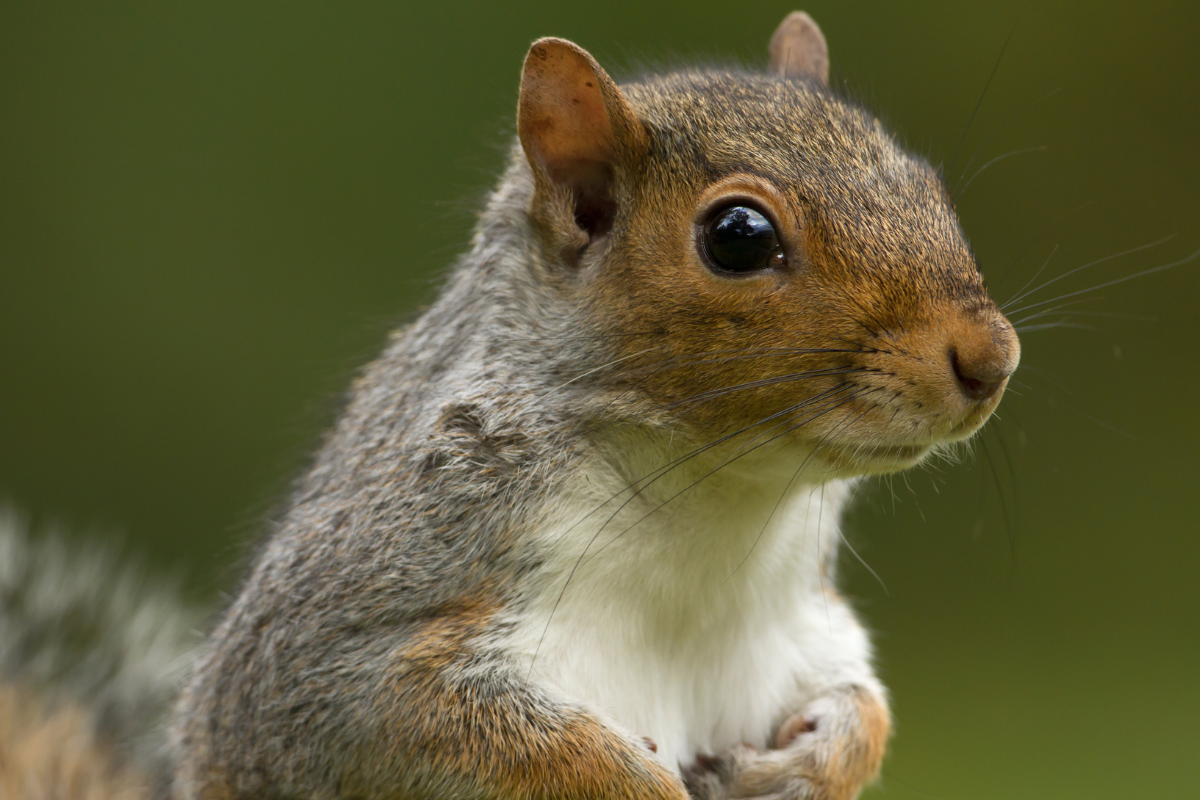
Squirrels are highly active around Milwaukee homes this summer due to their natural breeding cycles and the search for shelter. Female squirrels seek warm, elevated spaces like your attic to raise their second litter of the year. Additionally, abundant summer food sources and hot weather drive these animals closer to residential properties for shade and nesting.
You might hear scratching above your ceiling or see animals darting across your roof. This increased activity happens because summer brings a massive baby boom for local wildlife. Mothers are desperately looking for safe places to hide their hairless, blind babies from the elements. Your attic or roof provides the perfect high-up shelter to protect them.
We know how stressful it can be to realize an animal is living right above your head. As the local experts at Skedaddle Humane Wildlife Control in Milwaukee, we see this exact behavior every single year. Our professional team understands the biological cycles of these creatures and why they target residential buildings during the warmer months. In this blog, we will guide you through the exact reasons behind this summer surge in activity.
You will learn why these squirrels are drawn to your property and what factors keep them coming back. We will cover their breeding habits, foraging behaviors, and why professional intervention is the only safe way to handle an intrusion. Our methods focus entirely on safe, humane solutions that protect your property without causing harm to the animals.
What smells do squirrels absolutely hate?
You might wonder if certain scents can keep these animals away from your house. Squirrels absolutely hate the smell of strong spices, peppermint, garlic, and vinegar. Because they have a highly sensitive sense of smell, overpowering odors can irritate their nasal passages and make an area feel unwelcoming.
However, you should know that smells alone will never solve an animal intrusion. A mother looking for a safe place to raise her babies will push past almost any scent if it means securing a warm den. Placing strong-smelling items around your attic will not force an established family to leave your home.
We always advise against relying on scents or DIY repellents. When squirrels find a comfortable spot inside your roof, they need to be removed through professional methods. Our technicians use proven exclusion techniques, like one-way doors, to ensure the animals leave and cannot return.
Summer Breeding and Nesting
Summer is a critical time for squirrel reproduction. Female squirrels in Wisconsin often have a second litter of babies in July and August. They actively seek out safe, elevated spaces to give birth. Your house offers the perfect environment for a growing family. Our team finds that homes provide the safety and warmth these animals crave.
- Protection from Predators: Natural predators, like hawks, owls, and raccoons, pose a constant threat to squirrels in outdoor environments. Attics and rooflines provide a refuge where squirrels can safely rear their offspring without worrying about attacks. Elevated spaces in homes act as an ideal hiding place that predators cannot easily access.
- Weather Resistance: Outdoor nests made from leaves, twigs, or other fragile materials are highly vulnerable to summer storms and strong winds. By nesting in attics, squirrels avoids the dangers posed by harsh weather conditions and enjoys reliable shelter. Homes provide stability and dryness, ensuring baby animals remain safe and protected regardless of the elements.
- Warmth and Insulation: House insulation offers a temperature-regulated environment for squirrels, keeping them comfortable during both hot days and cool summer nights. Soft insulation materials are often repurposed by squirrel mothers to create warm, padded nests. This ensures their young have a cozy space to grow and thrive.
- Quiet Environment: The rarely visited sections of a home, such as attics and crawlspaces, remain undisturbed for long periods. This quiet atmosphere is perfect for squirrel mothers to nurse their young without stress. With minimal disruption, the babies can develop in peace and begin to grow stronger in a calm, protected setting.
Juvenile Exploration
Young squirrels born in the spring are mature enough by summer to start leaving the nest. These juvenile animals are highly energetic, inexperienced, and extremely curious. As they explore their new territory, they are much more likely to wander into eaves, chimneys, and crawl spaces.
You will notice these young animals running along fences and rooflines as they learn to navigate the world. Because they are still figuring out their surroundings, they often end up in places they do not belong. They constantly probe and chew on loose building materials, searching for comfortable spots to rest.
We frequently get calls during the summer about young animals stuck inside vents or wall cavities. They can easily slip through small gaps but may struggle to find their way back out. Our team is highly trained to locate these juveniles, safely extract them, and secure the entry points so they cannot get back inside.
Foraging and Caching
Summer provides an incredible abundance of food for local squirrels. With so many seasonal resources available, squirrels become hyper-focused on foraging and caching their meals. The search for food constantly brings squirrels into close contact with residential properties. We notice that properties with easily accessible food see the most activity. Here are common food sources and squirrel activity:
- Garden Vegetables: A summer garden with ripe fruits and vegetables becomes an irresistible attraction for squirrels. These fresh resources not only provide a reliable food source but also help these animals stay hydrated during dry, hot weather. The scent and accessibility of these items often draw animals closer to homes and increase the risk of unwanted visitors.
- Nut Trees: Oak, hickory, and similar trees dropping nuts create great opportunities for caching. These rodents will spend long hours collecting these nuts to store for the colder months, often dragging them across yards or rooftops. This behavior can lead to increased animal traffic near and around homes, raising the chances of property disturbances.
- Bird Feeders: Feeders placed outdoors are not just appealing to birds but also to other wildlife like squirrels. Spilled seeds and leftovers beneath the feeders quickly attract squirrels, raccoons, and other foraging animals. This unintended consequence may encourage frequent visits to areas close to human living spaces.
- Constant Travel: The process of foraging and caching prompts squirrels to make repeated trips between food sources and storage locations. This movement creates pathways that often cross residential properties, including roofs, entryways, and gardens. Such patterns can lead to the discovery of weak points around homes, increasing the potential for wildlife intrusion.
Seeking Shelter and Shade
During the peak of summer, temperatures in Milwaukee can get extremely high. Squirrels have fast metabolisms that naturally generate a lot of body heat. To avoid overheating, they must seek out shaded, enclosed, and cooler cavities during the hottest parts of the day.
While attics can get hot, squirrels often find cooler pockets within the structure of a house. Our technicians frequently discover them hiding in unexpected places to beat the heat. What are common areas squirrels use to stay cool?
- Ventilation Systems: Ventilation systems are often targeted by squirrels seeking relief from the summer heat. These systems create airflow that pushes warm air out, leaving cooler, breezier spaces that these animals may find inviting. Squirrels are agile and can climb into these vents, using them as a place to escape the sweltering temperatures outside.
- Soffit Gaps: Roof overhangs, known as soffits, remain consistently shaded throughout the day, providing squirrels with protection from direct sunlight. Small gaps in the soffit may serve as entry points for squirrels who are looking for a cool, hidden area. These gaps make an ideal retreat, offering both shade and some insulation against rising temperatures.
- Wall Cavities: Wall cavities are another favored spot for squirrels seeking cool shelter. The space between the interior and exterior walls often stays cooler than the attic above, especially during the hottest hours of the day. Squirrels can sometimes access these cavities through small cracks or openings, finding the cooler environment ideal for resting.
- Chimney Flues: During the summer, unused chimney flues can become an unexpected refuge for these rodents. The dark, brick-lined structure provides ample shade and stays cooler than other parts of a house. Squirrels can access these flues with ease, using them as a secret retreat to escape from the afternoon sun.
Squirrels in Milwaukee During the Summer
Milwaukee offers an ideal environment for squirrels. The city features a unique mix of dense urban development, large green spaces, and mature trees. Because these furry urban dwellers are exceptionally healthy and highly adapted to city environments, populations in the Milwaukee area can be robust.
You will find that older homes in the area, with aging fascia boards and traditional chimneys, are particularly vulnerable. The summer climate in Wisconsin drives animals to seek reliable shelter. Hot, humid days mixed with sudden severe thunderstorms push squirrels to look for sturdy, dry structures. Your home is a permanent fixture that offers exactly what they need to survive the unpredictable Midwest weather.
We have spent years working in these local neighborhoods. Our team understands how the specific building styles of Milwaukee homes attract wildlife. From historic houses near the lake to modern builds in the suburbs, we know exactly where these animals like to hide. We conduct thorough property assessments to identify every single vulnerability caused by our local environment.
Squirrel Prevention with Skedaddle
Squirrels can be a major nuisance for homeowners. These small animals often look for warmth and shelter inside roofs, attics, or walls, causing damage to wiring, insulation, and wood structures. With Skedaddle’s proven techniques, you can prevent squirrels from invading your home and causing costly problems.
Our approach to squirrel prevention starts with a detailed inspection of your property. We identify all entry points that squirrels may use to sneak into your home, such as gaps in vents or cracks in the roofline. These openings are professionally sealed using durable materials that block access without harming the animals.
At Skedaddle, we also focus on ongoing solutions to keep squirrels away. Our team provides expert advice on trimming tree branches, removing outdoor food sources, and keeping your property clean and uninviting to wildlife. By combining prevention techniques with our humane removal process, we ensure that your home stays squirrel-free for years to come.
Frequently Asked Questions
Why do I hear scratching noises early in the morning?
You often hear scratching, running, and chewing sounds early in the morning because these squirrels are active during the day. They usually leave their nesting spots when the sun rises to search for food and water. Many homeowners also hear noises again later in the afternoon when the animals return to rest. If the sounds continue daily, it may mean animals are living inside your attic or walls.
Do squirrels carry diseases into the house?
Yes, squirrels can carry fleas, ticks, mites, and harmful bacteria into your home. Their droppings and urine can also create strong odors and lead to unhealthy air quality. Over time, waste left inside insulation or walls may grow mold and bacteria. Our professional cleanup helps keep your home safe and sanitary.
Will squirrels eventually leave on their own?
No, squirrels usually will not leave a safe nesting area on their own. Your attic provides warmth, shelter, and protection from predators and bad weather. Even after the babies grow up, the mother may return to the same spot again later. Our professional exclusion work is the best way to stop the problem permanently.
What does a nest look like inside an attic?
A nest often looks like a messy pile of shredded insulation, leaves, twigs, and paper. Squirrels usually build nests in dark, quiet corners where they feel protected. You may also notice droppings, food scraps, and strong odors near the nesting area. These nests can quickly damage insulation and create health concerns inside the home.
Can squirrels cause fire hazards in my home?
Yes, squirrels can create serious fire hazards inside your home. Many rodents and other wildlife chew constantly because their teeth never stop growing. They often chew electrical wiring, which can strip away the protective covering and expose bare wires. This damage can lead to sparks, electrical shorts, and even house fires.
Seeing More Squirrels? Let Us Protect Your Milwaukee Home?
Summer activity around your home is a direct result of biological needs, breeding cycles, and the search for reliable shelter. When squirrels find comfort in your attic or walls, the situation will only escalate without proper intervention. Ignoring the scratching sounds will lead to ruined insulation, chewed electrical wires, and dangerous health risks for your family.
You do not have to deal with this stress alone. It is crucial to rely on experts who understand the biology and behavior of these creatures. We are here to protect your property safely and efficiently. If you suspect an animal has moved into your house, do not wait for the damage to worsen.
Contact Skedaddle Humane Wildlife Control in Milwaukee today to request an estimate. Our expert team will inspect your property, remove the animals safely, and secure your home so they can never return. Let us give you peace of mind this summer.

 Loading...