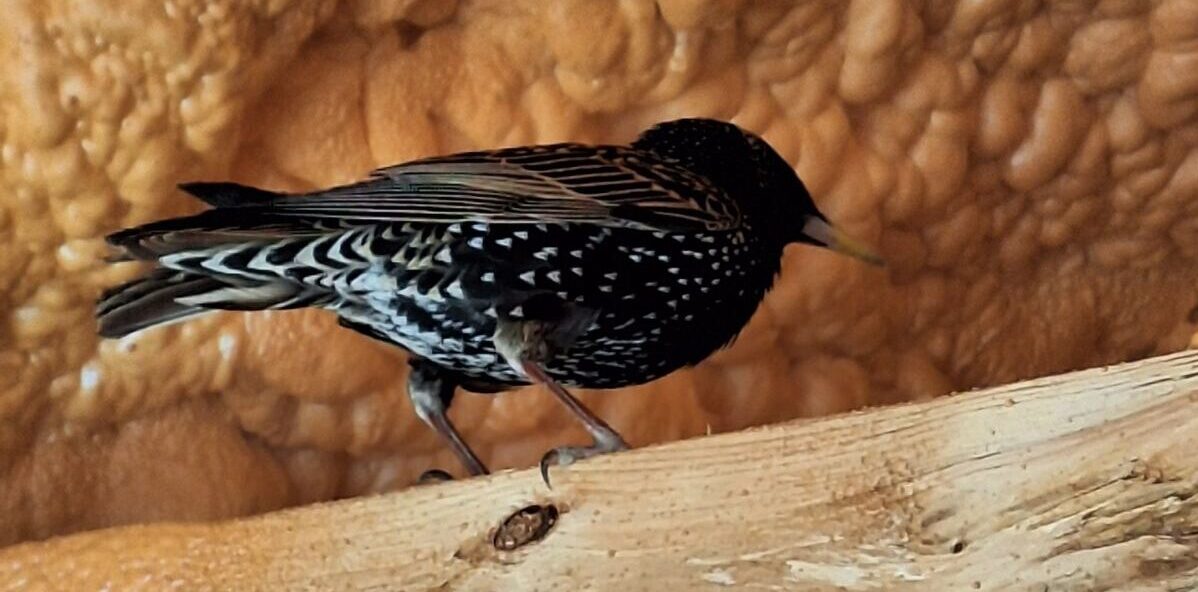
That chirping from your vent is not something to ignore. When birds get into the vents and other openings in your home during summer, they cause problems that go way beyond noise – fire risk, water damage, health issues, and pest problems can all follow. In this blog, Skedaddle Humane Wildlife Control in Ajax walks you through the hidden nesting problems birds cause inside homes and what our team does to fix them.
The hidden summer nesting problem starts the moment a bird finds a way in. Birds like starlings and sparrows are small enough to squeeze through gaps in vents, soffits, and roof lines — and once they’re inside, they build nests fast. The nesting material packed into your dryer vent or bathroom exhaust is a fire risk. The droppings they leave behind are harmful and can make your family sick. And the bugs and mites that come with them don’t stay in the vent — they spread through your walls and into your home.
You should never try to deal with a bird nesting problem on your own. Removing active nests can break federal law under Canada’s Migratory Birds Convention Act, and touching nesting material without the right gear is a real health risk. Our team at Skedaddle takes care of every part of the job so you don’t have to.
How Do Birds Get Into Houses?
These animals get into homes through very small openings. Broken or missing vent covers, gaps in soffits, open roof lines, and spaces where building materials don’t quite meet are all ways they get in. Birds like starlings and sparrows are very good at finding and slipping through holes that most homeowners would never notice.
Once they’re inside, they move quickly. A pair of nesting birds can fill a vent or attic space with nesting material in just a few days, especially during the busy nesting season in late spring and early summer. By the time you hear chirping or smell something off, the nest is usually already well built.
The spots they use to get in are often the same ones other wildlife uses. Broken soffits, open roof vents, and gaps near chimneys are all weak spots that need to be sealed up after the animals have left safely. Our team checks every opening during our inspection so nothing gets left behind.
Hidden Fire Hazards
One of the most serious problems birds cause inside homes is fire risk and most homeowners don’t think about it until something goes wrong. Nesting material packed into a dryer or exhaust vent burns easily, and the heat from those appliances is more than enough to set it off.
This happens more often than most people think. Birds nesting in dryer vents is one of the most common calls our team gets, and the danger it creates is very real. A blocked dryer vent pushes hot air back into the appliance instead of out of the home, and if nesting material is blocking the way, that heat has nowhere to escape.
Here is how nesting activity creates fire risk in your home:
- Blocked Ventilation Systems: Birds stuff dryer vents, bathroom exhaust vents, and stove hoods tightly with dry twigs, grass, and feathers. This material blocks the airflow these systems need to run safely, trapping heat inside the appliance. A clogged dryer vent is one of the top causes of house fires in Canada, and nesting makes that much more likely to happen.
- Fan Motor Overheating: When nesting material gets inside an exhaust fan, it can jam the blades and cause the motor to get too hot. A motor working against something stuck in it builds up a lot of heat, and dry nesting debris sitting right next to it is all it takes to start a fire. This kind of fire can begin inside a wall where it spreads before anyone knows it’s happening.
- Electrical Contact Near Wiring: Nests built near attic wiring or outdoor power connections can cause short circuits. Dry nesting material sitting against electrical wires is a real danger, and birds don’t stay away from these spots when they build. Our team checks all of these areas during the inspection so the full risk is known before any work starts.
Structural and Water Damage
Beyond fire, nesting causes slow damage to your home’s structure that adds up over time and can cost a lot to fix. Birds don’t only nest in vents, they also nest in roof spaces, gutters, and wall cavities, and everything they leave behind causes damage.
Blocked gutters and roof drains are one of the most common results of bird activity near a roof. When drains get clogged with nesting material and droppings, water has nowhere to go except behind your siding, under your shingles, or into your wall framing. That water damage builds up quietly and can go unnoticed for months.
Here is how nesting and droppings hurt your home’s structure:
- Roof Leaks from Blocked Drains: Nesting material in gutters and roof drains causes water to back up when it rains. That water gets behind siding and into wall framing, where it causes rot and mold over time. By the time you see a stain on your ceiling or wall, the water damage behind it is often already bad.
- Corrosive Droppings on Building Materials: Droppings are very acidic and eat away at roofing materials, wood, stone, and metal over time. Droppings that sit on a roof or around a vent opening wear down the materials they touch, making them weaker with every season. This kind of damage cuts down the life of your roof and exterior materials much sooner than expected.
- Ruined Attic Insulation: Birds that nest in attic spaces rip insulation apart to build nests and make it dirty with droppings and urine. Damaged insulation can no longer keep your home at the right temperature, which pushes your energy bills up. Replacing affected insulation is a normal part of the cleanup our team handles after these animals have been safely removed.
Parasite and Insect Infestations
An active nest doesn’t just hold birds. It also carries a range of bugs and parasites that cause their own problems, and those problems don’t stay in the nest once the birds leave.
Mites are one of the most common issues that come after nesting activity. These tiny bugs live in the nest while the birds are there, feeding on them all through the nesting season. Once the young birds leave and the nest goes quiet, the mites need a new host, and they travel through wall cavities and vents to find one, often ending up inside your living space.
Here is what comes along with a nest in your home:
- Mites Spreading Through Walls: Mites from an inactive nest can number in the thousands and spread fast through small gaps in walls and around vents. They bite people and pets, causing itching and irritation that can be hard to connect back to the nest. The only way to fully deal with this problem is to have our professionals remove the nest and treat the affected area at the same time.
- Secondary Pest Infestations: The nesting material left behind after birds leave pulls in other insects, including fleas, ticks, carpet beetles, and sometimes bedbugs. These bugs settle into the dry, sheltered nesting debris and slowly work their way further into your home. Removing the nest and treating the area is the only way to stop this from happening.
- Mite Activity that Outlasts the Birds: Even after the nest is cleared, mites can stay active in the area around it for weeks. This is one big reason why our professional cleanup and treatment of the nest site matters so much, taking out the nest without treating for mites leaves the problem only half fixed. Our team takes care of both the nesting material and the parasites that came with it.
Severe Health Risks
The health risks that come with birds nesting in your vents are real. Droppings that dry out inside a vent or attic space become a health risk the moment that area gets disturbed and in some cases, just turning on a vent fan is enough to cause a problem.
When a dirty vent runs, it blows tiny dust particles from dried droppings right into your home’s air. That dust can carry fungal spores that cause histoplasmosis, a lung illness that can get serious, especially for people who already have health issues or weak immune systems.
Psittacosis is another bacterial illness linked to droppings that can cause flu-like symptoms and breathing problems. Homeowners should never touch dried droppings or nesting material without proper protective gear – the health risk is real. Our team handles all of the dirty work safely so no one in your home gets exposed.
The Most Common Entry Points in Ajax Homes
Birds don’t get inside by accident, they find weak spots in your home’s exterior and use them over and over again. Dryer vents, bathroom vents, and soffits are three of the most common ways birds get into Ajax homes during summer. Once one bird finds a way in, others follow, and the nesting activity that builds up in these spots can cause serious damage before you ever notice it.
Most homeowners don’t think about these entry points until a problem shows up. A blocked vent or a damaged soffit doesn’t look like much from the ground, but it can be an open door for a whole nesting season. Here is where these animals are most likely to get into your home:
- Dryer Vents: Dryer vents are one of the most common spots birds choose to nest because they’re warm, sheltered, and close to the ground or roofline depending on your home’s layout. The vent flap that’s meant to keep these animals out wears down over time and stops closing all the way, giving these animals easy access to a warm space. Nesting material packed into a dryer vent is a serious fire risk, and the blockage also reduces your dryer’s performance and can cause it to overheat. Our team checks dryer vent openings as part of every inspection and installs proper covers that keep these animals out without blocking airflow.
- Bathroom Vents: Bathroom exhaust vents are another favourite entry point because they’re usually located on the side of the home or roof where they’re easy to reach and rarely checked. The covers on these vents are often lightweight plastic that breaks down over time, leaving an open gap that these animals move right into. Once a nest is built inside a bathroom vent, the exhaust system gets blocked, humidity builds up inside the home, and the nesting material creates a mold and health risk right inside your ventilation. Our team replaces damaged vent covers with heavy-duty, bird-resistant alternatives after they have been safely excluded so the opening stays protected going forward.
- Soffits: Soffits run along the underside of your roof overhang and are one of the most overlooked entry points on any home. When soffit panels crack, warp, or pull away from the fascia, they create a gap that birds can push through to access the attic space above. Once inside through a soffit, they have access to a large, sheltered nesting area where they can cause significant damage to insulation and structural materials without being detected for a long time. Our team inspects all soffit panels during the assessment, identifies any gaps or damaged sections, and seals them properly after humane exclusion is complete so these animals can’t return the following nesting season.
Bird Removal and Prevention in Ajax
When our team gets to your home, the first thing we do is a full inspection. We check every entry point, find every nest, and note the damage and contamination before any work begins. That full picture is what lets us put together a plan that deals with the whole problem, not just the part you can see.
Our removal process uses one-way doors at active entry points that let birds leave on their own but stop them from getting back in. Once they’re gone, we remove all nesting material, treat affected areas for mites and bugs, and seal every opening with tough, long-lasting covers and screens that hold up through future nesting seasons. Homeowners should never try to do any part of this on their own – the health risks and legal rules around migratory birds make our professional help a must.
Ajax’s mix of older neighbourhoods and busy summer bird activity makes nesting a common problem for local homeowners. Our team knows the local bird types, the most common entry points in the area’s homes, and the seasonal patterns that drive nesting here. That local knowledge helps us work faster and more thoroughly.
Bird Challenges in Ajax
Ajax’s tree-lined streets and established neighbourhoods are great nesting spots for starlings, sparrows, and other city bird species. Mature trees close to homes give these animals easy access to rooflines, and older homes in the area often have worn vent covers, aging soffits, and gaps in exterior materials that make getting inside easy.
Summer is the busiest nesting season in Ajax, with the most active period running from late spring through early August. This is when the most calls about blocked vents, attic sounds, and strange smells come in. Acting quickly when you first notice signs of activity cuts down on how much damage and contamination builds up before our team can get to work.
Ontario’s Migratory Birds Convention Act also means that active nests cannot legally be touched without the right permits and professional handling. This is another big reason why homeowners need to call our team instead of trying to fix it themselves – the legal rules around nesting birds are serious, and breaking them can have real consequences.
Frequently Asked Questions
Are birds in my vent dangerous?
Yes. Birds nesting in vents create fire risk, block airflow, and bring health hazards through their droppings and the bugs that come with them. The longer a nest stays in place, the worse these risks get. Homeowners should not try to clear a vent on their own - call our team for our professionals check right away.
Can I remove a bird nest myself?
In most cases, no. Many bird species in Ontario are protected under the Migratory Birds Convention Act, which makes it illegal to disturb active nests without proper authorization. On top of the legal issue, handling nesting material without the right safety gear creates real health risks from droppings and parasites. Our team handles all of this safely and within the law.
How do I know if birds are nesting in my vents?
Common signs include chirping sounds coming from vent openings, less airflow from dryer or bathroom vents, musty or odd smells when vents run, and nesting material visible near vent openings on the outside of your home. If you notice any of these signs, call our team before the problem gets worse.
Will birds come back to the same vent next year?
Yes. These animals return to nesting spots they've used before year after year, and they often bring more birds with them. This is why proper sealing after removal is so important. Without professionally installed vent covers and barriers, the same entry points will be used again the next nesting season.
How long does a bird removal take?
The timeline depends on the species, how many nesting spots there are, and whether young birds are still present. Most removals are done within a few weeks once one-way doors are in place and the birds have left on their own. Our team keeps you updated throughout the whole process.
That Chirping in Your Vent Is a Warning – Call Skedaddle
Birds nesting in your vents and attic spaces cause more damage than most homeowners know until the problem is already bad. Fire risk, water damage, pest problems, and health hazards all build quietly behind your walls while the nest stays in place. The longer it goes without being dealt with, the more there is to fix.
You should never try to clear a nest, clean droppings, or seal entry points on your own. The health risks, the legal rules around migratory birds, and the hidden nature of the damage all make this a job that needs our professionals from start to finish.
At Skedaddle Humane Wildlife Control in Ajax, we’re ready to help. Our team inspects your home, safely removes the birds using one-way doors, clears all nesting material and contamination, and seals every entry point so the problem doesn’t come back next season.
Request an estimate today and let our team take care of it before it gets any worse.

 Loading...