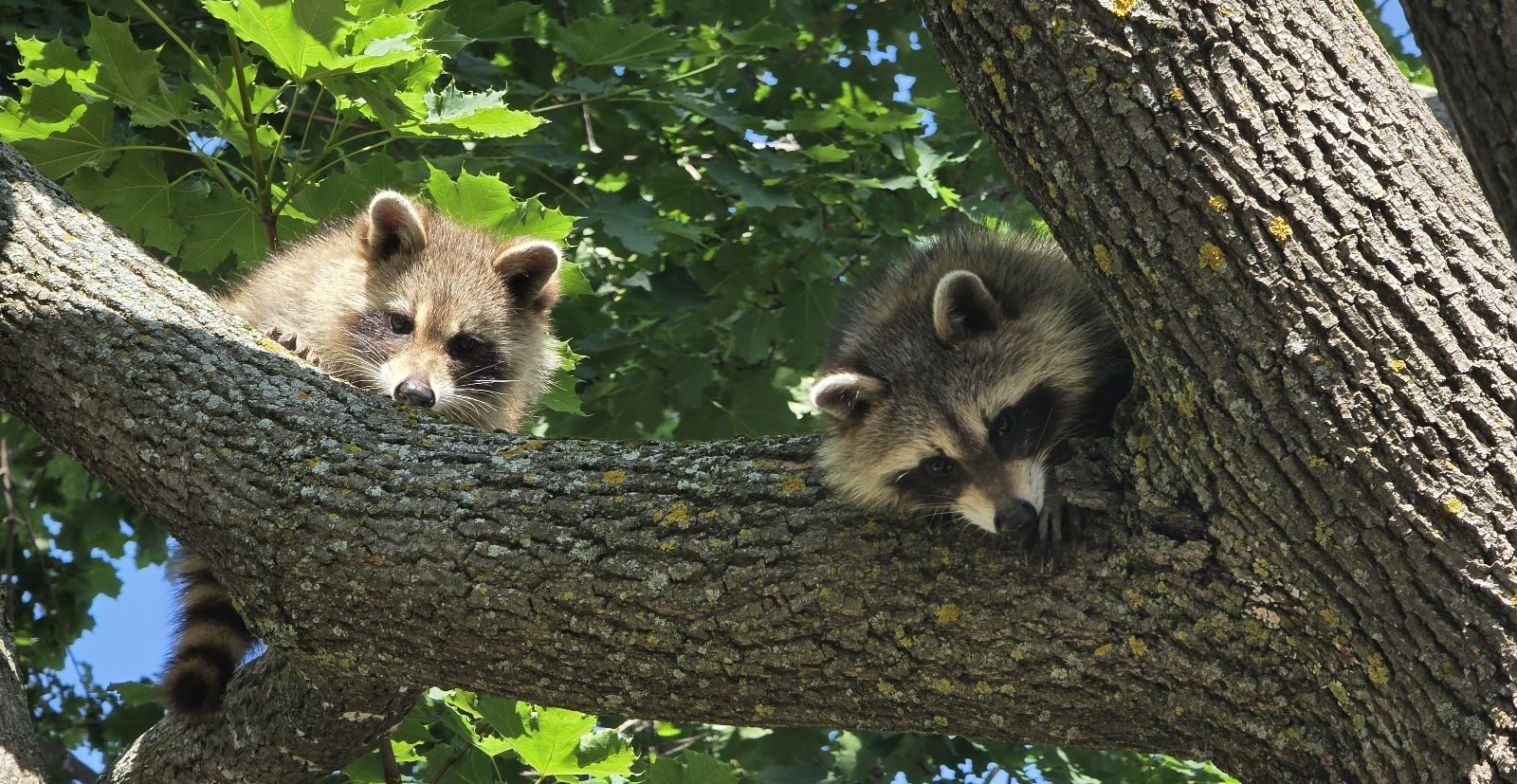
It might start with a knocked-over garbage bin. Or maybe you hear a strange thumping noise in your ceiling at night. You might even see a masked face peering out from under your deck. Seeing raccoons in the neighbourhood is very common these days, especially in the city. They may look cute and fluffy, but having them close to your home is actually serious business.
Raccoons are smart animals, and they have learned how to live right next to people. When raccoons move into your yard or your house, they bring big problems with them. These problems can include dangerous germs, damage to your home, and risks to your pets. What seems like a small nuisance can quickly turn into a major issue.
At Skedaddle Humane Wildlife Control in Ottawa, we understand the challenges that come with dealing with raccoons and other wildlife on your property. Homeowners across Ottawa face these problems every year, especially during nesting season. Knowing what to look out for can help you protect your home and your family.
So, why exactly should you be worried if you spot raccoons hanging around your property? Let’s break down the biggest risks and explain why early action matters.
Raccoons Can Make You Sick
One of the biggest reasons to worry about raccoons is your health. Raccoons are wild animals, and they often carry germs, parasites, and diseases that can make people and pets very sick.
You do not need to touch a raccoon to be at risk. Simply being near areas where raccoons leave droppings or urine can expose you to harmful bacteria and parasites.
Here are some of the health risks raccoons bring to your neighbourhood:
- Rabies: Rabies is a very serious virus that affects the brain and nervous system. Raccoons are one of the most common wild animals known to carry rabies. The virus spreads through bites, scratches, or saliva entering the body through broken skin. If a raccoon is acting aggressive, confused, or unusually bold, it could be sick and very dangerous.
- Raccoon Roundworm: Raccoon roundworm is a parasite found in raccoon droppings. The tiny eggs can spread into soil, sand, or grass around your home. If these eggs are swallowed or breathed in, they can cause serious damage to the brain, eyes, or organs. This risk is especially high for young children who play outside and may put their hands in their mouths.
- Leptospirosis: Leptospirosis is a bacterial disease spread through raccoon urine. The bacteria can soak into soil or mix with standing water around your property. People and pets can get sick if the bacteria enters the body through cuts, the mouth, or the eyes. Dogs are especially at risk, and the illness can be severe if not treated quickly.
- Other Bugs: Raccoons often carry fleas, ticks, and lice in their fur. When a raccoon gets into your attic or walls, these bugs can spread into your home. Once inside, they can bite people and pets and be very hard to get rid of. This can quickly turn one wildlife problem into a full pest infestation.
They Can Wreck Your House
Raccoons are strong, smart, and very determined animals. Their paws work a lot like human hands, which makes them great climbers and problem solvers.
If they want to get inside your home for warmth or shelter, they will keep trying until they succeed. Once inside, the damage they cause can be expensive and stressful to repair.
Raccoons cause extensive property damage in several ways:
- Roof Damage: Raccoons can tear off shingles and chew through wood to create entry holes. These openings let rain, snow, and cold air into your home. Over time, moisture can lead to rot, mould, and water damage inside your attic and ceilings. What starts as a small hole can turn into a major repair job.
- Ruined Insulation: Once raccoons enter the attic, they trample and flatten the insulation. This makes it harder for your home to stay warm in winter and cool in summer. Raccoons also use the attic as a bathroom, soaking the insulation with waste. Contaminated insulation must be removed and replaced to keep your home safe and healthy.
- Fire Hazards: Raccoons love to chew on things, including electrical wires. When wires are damaged, they can spark or overheat. This creates a serious fire risk inside walls and attics. Many homeowners do not realize the danger until after the damage has already been done.
- Vents and Soffits: Plastic and aluminum vents are easy targets for raccoons. They can tear them open to squeeze inside the house. Soffits and roof edges are also common weak spots they use to gain access. Once these areas are damaged, other animals may also try to get inside.
Raccoons Are Bad News for Pets and Gardens
It’s not just your house that is at risk when raccoons move in. Your yard, pets, and outdoor spaces can also be affected.
Raccoons usually avoid people, but they will fight if they feel threatened or are protecting their babies. These encounters can be dangerous for pets and stressful for homeowners.
Here is how raccoons cause trouble outside your home:
- Fights with Pets: Raccoons are strong and will defend themselves if cornered. Dogs and cats that chase raccoons can be bitten or scratched. These injuries can lead to infections or spread diseases like rabies or distemper. Even a short fight can result in costly vet bills and long recovery times.
- Messy Garbage: Raccoons are famous for getting into garbage bins. They tip bins over and rip open bags looking for food. This leaves trash scattered across your lawn and driveway. The mess can also attract rats, skunks, and other unwanted animals.
- Destroyed Lawns: Raccoons dig up lawns to find grubs living under the soil. They often roll back sections of grass like a carpet to reach their food. A healthy lawn can be ruined overnight. Fixing the damage takes time, money, and effort.
- Garden Damage: Vegetable gardens and fish ponds are easy meals for raccoons. They will eat fruits, vegetables, and even catch pond fish. Once raccoons learn there is food in your yard, they are likely to keep coming back. This can undo weeks or months of gardening work.
What To Do About Raccoons
If you see raccoons in your neighbourhood, you need to act fast. Ignoring them won’t make them go away. In fact, it gives them more time to break into your home or have babies in your attic.
It is very important that you never try to handle a raccoon yourself. Do not try to trap them, and do not try to clean up their mess without help. It is too dangerous.
Wildlife control of raccoons is easy with our professionals. Our team uses special methods to protect your home and get the animals out safely.
We start by inspecting your home to find how they are getting in. Then, we use special one-way doors. These clever devices let the raccoons leave your house to find food, but they stop them from getting back in.
Once they are gone, we seal up the entry points with heavy-duty screen so they can’t chew their way back in. We also help clean up the mess they left behind so your home is safe and clean again.
Protect Your Home Today From Raccoons
Seeing a raccoon waddle down the street might seem harmless, but the risks are real. From dangerous diseases to chewed wires in your attic, raccoons in the neighbourhood are a serious concern. Don’t wait until the damage is done.
If you are worried about raccoon infestation risks or hear noises in your home, let us help. We have the experience to keep your family and home safe.
Contact Skedaddle Humane Wildlife Control in Ottawa today to request an estimate.

 Loading...