You may think your home is secure because every door and window is closed. However, wildlife can use attics, exhaust vents, spaces under decks, unsealed sheds, open chimneys, and foundation gaps for shelter during the fall. These protected spaces can offer warmth, safety, and relief from cold or wet weather.
A small opening may provide access to a much larger hidden area. You might hear scratching, notice a strange odour, find droppings, or see damage around a vent or roof edge. These signs may appear after wildlife has already settled inside.
At Skedaddle Humane Wildlife Control in Okanagan, we inspect every part of the property to find active entrances and hidden shelter. You should not enter a tight space, touch contaminated material, or seal an opening yourself. In this blog, we explain six places around your home wildlife may use for shelter this fall and how professional service can protect your property.
Where Do Animals Take Shelter?
Animals take shelter in dry, quiet spaces that protect them from cold temperatures, wind, rain, and danger. A human structure can provide the same cover as a hollow tree, rock cavity, or underground den. Once they find a useful location, they may continue using it through fall and winter.
The entrance does not need to look large from outside. A small roof gap, loose vent, or opening beneath a structure may connect to an attic, wall, chimney, or crawlspace. These hidden areas can give them room to rest or build a nest.
You should never enter an attic, chimney, crawlspace, or enclosed area when activity is suspected. A professional can inspect the property without placing you close to wildlife or contaminated material. The inspection can also determine whether dependent young are present.
1. Attics Provide Warm and Protected Shelter
Attics offer height, darkness, warmth, and protection from bad weather. These features can make the space appealing during fall, even if your home is newer or well maintained. Our technicians examine the full roofline because the active entrance may be far from where you hear sounds.
- Roofline Entry Points: Gaps around soffits, fascia, dormers, and roof intersections may provide a path inside. The visible opening may be narrow, but it can lead to a large attic. Our team checks these areas for damage, stains, tracks, and signs of repeated use.
- Damaged or Loose Vents: Plastic covers, weak screens, and loose vent edges can create access. Warm air leaving the attic may also draw attention to these locations during cooler weather. A professional can determine whether a damaged vent is active before securing it.
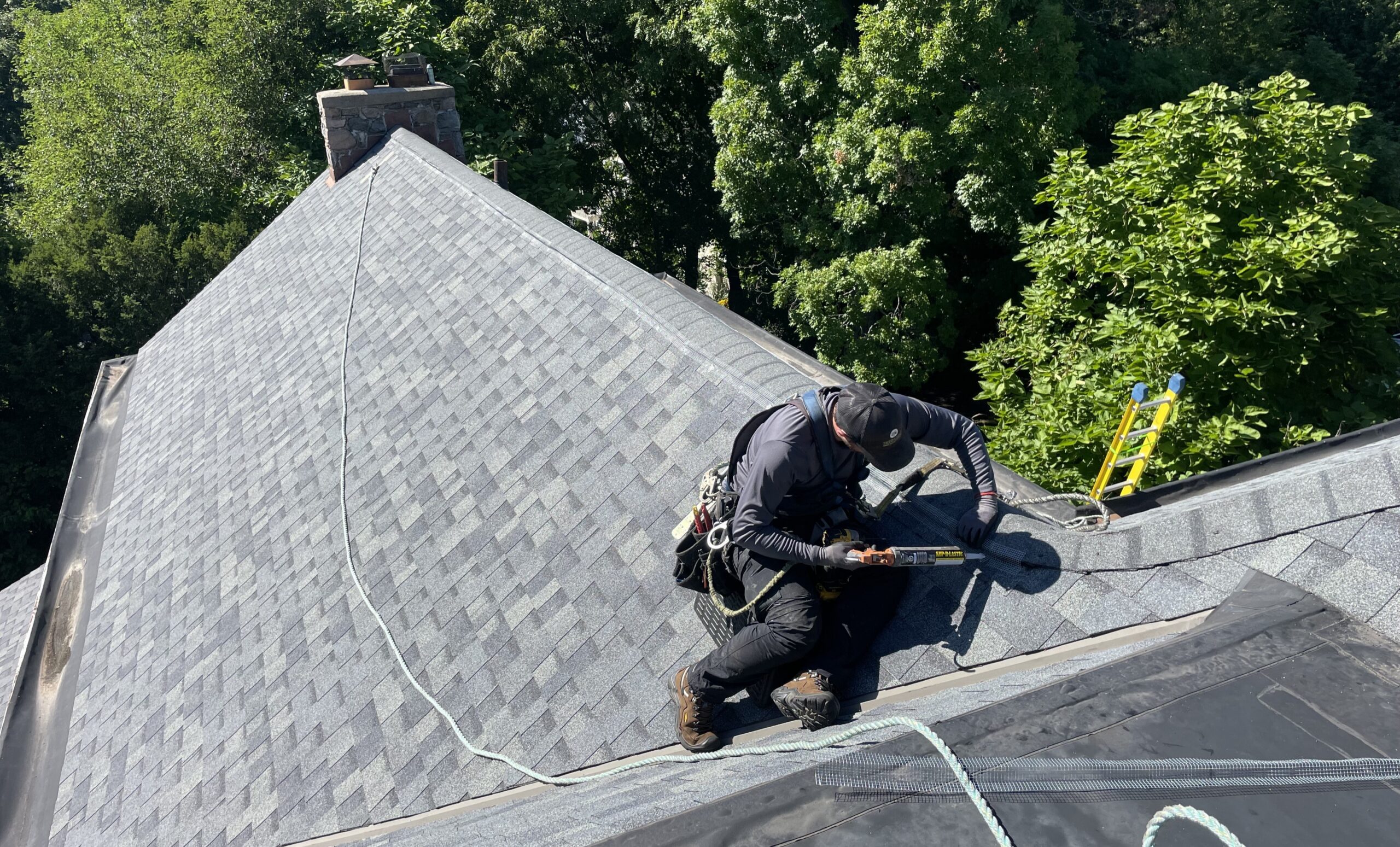
- Chimney and Roof Connections: Flashing is used to protect the place where a chimney meets the roof. When it becomes loose or damaged, gaps may form along the edges. These openings can lead into the attic instead of the chimney itself.
- Evidence Inside the Attic: Scratching, movement, odours, droppings, and disturbed insulation may point to an active problem. You should not enter the attic or touch any waste or nesting material. Our technicians can inspect the space and assess contamination with the proper equipment.
Attic activity may continue even when the outside of the home appears quiet. These animals can remain hidden for long periods and become active when people are asleep or away. A complete inspection helps connect the indoor evidence to the exterior entrance.
2. Exhaust Vents Can Become Hidden Entryways
Vents allow heat, moisture, and air to leave your home. A loose cover or damaged screen can turn this working part of the building into an entrance. Nesting material may also block airflow and affect how the vent works.
- Bathroom Exhaust Vents: A bathroom vent may offer warmth and a sheltered duct leading into the home. You may hear rustling, scratching, or movement through the fan cover. Do not remove the cover or reach into the duct to search for the source.
- Kitchen Vents: Warm air and food odours may make a kitchen exhaust vent noticeable from outside. A damaged cover can provide room to enter or place nesting material. The blockage may remain hidden until the fan becomes noisy or stops moving air well.
- Dryer Vents: A loose flap or broken cover may leave a direct opening into the vent line. Material inside the duct can restrict airflow and create a serious concern. Our team can check the exterior opening without requiring you to reach inside.
- Attic and Soffit Vents: These vents are often located high above the ground and may have weak or missing screens. An opening along one edge can lead directly into the roof or attic. A professional should confirm that the area is empty before durable protection is installed.
A vent should not be covered without checking what may be inside. Closing an active opening can trap wildlife or force them farther into the building. Our professional inspection protects the occupants while allowing the vent to keep doing its job.
3. Spaces Under Decks Offer Ground-Level Cover
A low deck can create a dark and protected cavity beneath your outdoor living space. The floor above blocks rain and snow, while lattice or surrounding plants may hide activity from view. Soft soil can also allow wildlife to dig beneath an open edge or loose barrier.
You might notice freshly moved dirt, tracks, a worn path, a strong odour, or movement near one part of the deck. Sounds may come from below the boards during the evening or early morning. One sign does not always confirm a den, but several signs around the same opening deserve attention.
Never reach beneath the deck or block an entrance because an adult or dependent young may still be below. An opening that seems quiet during the day may become active after dark. Our technicians can inspect the perimeter, identify the occupied area, and select a humane removal plan.
4. Unsealed Sheds Create Quiet Seasonal Shelter
Sheds may receive less daily activity than the main home. A raised floor or damaged lower edge can hide a large cavity where wildlife can rest without being seen. Stored tools and equipment may also make early signs harder to notice.
- Openings Beneath the Floor: Some sheds rest on blocks, beams, or a raised base. The space underneath may be easy to reach through a gap at ground level. Loose soil beside one edge can suggest that an existing opening has been widened.
- Loose Skirting and Damaged Walls: Boards, lattice, or panels around the base can weaken over time. A missing section may expose the protected space below the floor. Our team checks the full perimeter because there may be more than one entrance.
- Quiet Storage Areas: Boxes, equipment, and furniture can create hidden corners inside an unsealed shed. Long periods without human activity may allow a visitor to remain unnoticed. Homeowners should not move stored items when sounds, droppings, or nesting material are present.
- Signs Around the Shed Base: Fresh soil, tracks, odours, and repeated nighttime movement may suggest active shelter. Waste or nesting material may also appear near an opening. You should observe these signs from a distance and leave the area undisturbed.
The visible hole may connect to a much larger area beneath the floor. Closing it without an inspection could trap wildlife inside or separate a family. Our professional removal must come before permanent prevention.
5. Open Chimneys Provide a Route From the Roof
An open chimney can resemble a protected hollow when viewed from above. It offers height, shelter, and a shaft leading deeper into the building. Damage around the chimney can also provide access to the attic or roof structure.
- Missing or Damaged Chimney Caps: A secure cap helps keep wildlife from entering while allowing smoke and gases to escape. If the cap is missing, loose, or broken, the chimney may remain open from above. A professional must inspect the flue before a new cover is installed.
- Gaps Around Flashing: Flashing protects the joint where the chimney meets the roof. Weather and age can loosen these materials and create narrow seams. The resulting gap may lead into the attic rather than down the flue.
- Activity Inside the Flue: Scratching, movement, odours, or other sounds may travel toward the fireplace. You may also notice debris below the damper. Keep the damper closed and call a professional instead of looking inside.
- Nesting or Denning Concerns: A chimney may contain an adult, dependent young, or a nest. The space can look empty from below even when activity is present higher in the shaft. Installing a cap too soon could trap the occupants.
Chimney work also involves height, unstable roof surfaces, and possible contamination. Homeowners should not climb onto the roof or reach into the flue. Our technicians can inspect the entire chimney system and choose the proper timing for removal.
6. Foundation Gaps Lead Into Hidden Lower Spaces
Cracks, worn mortar, siding gaps, and openings around utility lines can provide access near ground level. A small exterior gap may lead to a basement, crawlspace, wall cavity, or space beneath the floor. These areas offer stable temperatures and protection from fall weather.
Vegetation, stored materials, stairs, or landscaping may hide the active route. You might hear scratching or gnawing inside a wall without seeing an opening nearby. Droppings, odours, stains, and damaged materials may provide additional evidence, but you should not touch them.
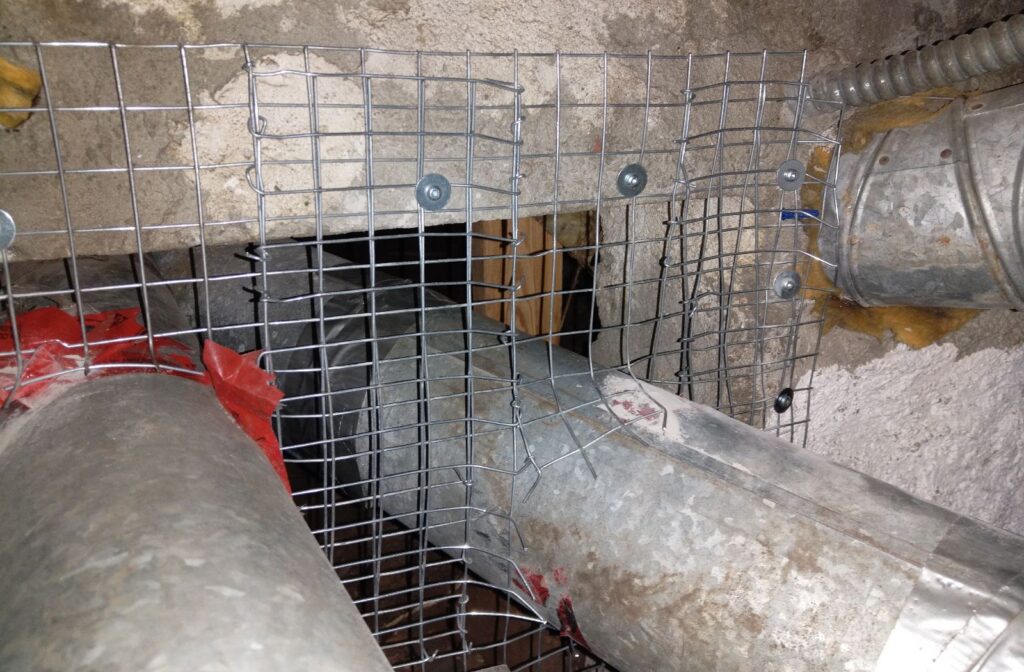
Sealing one visible hole may leave other entrances open around the foundation. It can also trap wildlife if the space is already occupied. Our professional inspection follows the travel route, identifies every vulnerable point, and determines when exclusion can begin safely.
Why Fall Shelter Searches Matter in Okanagan
The Okanagan includes lakes, hills, vineyards, parks, wooded spaces, and growing neighbourhoods. These connected areas allow wildlife to move between natural cover and residential properties. Homes in Kelowna, West Kelowna, Vernon, Penticton, and nearby communities may see increased activity as temperatures change.
Fall brings cooler nights, wet weather, and changes in available food. A dry attic, vent, shed, chimney, deck cavity, or foundation space may become more useful during this period. Seasonal homes and cabins may face added risk when small signs go unnoticed for days or weeks.
More than one area of a property may provide shelter at the same time. Our Skedaddle Humane Wildlife Control team in Okanagan understands how local landscapes, seasons, and building styles affect activity. We inspect the entire property instead of stopping at the first visible opening.
Wildlife Removal and Prevention with the Skedaddle Touch
Our professional wildlife team begins with a detailed inspection of the roofline, attic, vents, chimney, foundation, decks, sheds, and surrounding property. We identify active entrances, hidden shelter, damage, contamination, and possible signs of dependent young. You do not need to climb, crawl, or enter a confined space.
We then create a humane removal plan based on the species, structure, season, and family situation. When appropriate, our one-way doors allow wildlife to leave but prevent them from returning through the same opening. We do not use live trapping and relocation.
After the space is empty, our team secures vulnerable areas with durable materials. We can also remove contaminated material, sanitize affected spaces, and restore damaged insulation when needed. This full approach addresses the current activity and helps prevent another visitor from using the same route.
Frequently Asked Questions
What signs suggest something has entered my home?
You may hear scratching, thumping, chewing, or movement inside a ceiling or wall. Other signs can include odours, droppings, damaged vents, nesting material, or disturbed insulation. A professional assessment is needed because one sign cannot always identify the occupant or entrance.
Should an exterior opening be sealed immediately?
No, a suspected entrance should not be sealed until a professional confirms that the space is empty. An adult or dependent young may remain inside even when the opening seems quiet. Closing it too soon can trap them or force them into another part of the building.
Why does activity increase during fall?
Cooler weather and changing food supplies can lead wildlife to search for more secure shelter. Homes provide dry spaces with protection from wind, rain, and falling temperatures. Once these animals enter, activity may continue through winter even when outdoor movement slows.
Can a small gap cause a large problem?
Yes, a small exterior gap can lead into a large attic, wall cavity, chimney, or crawlspace. Repeated use may also weaken the surrounding material and make the opening larger. A professional must inspect beyond the visible hole to understand the full route.
Should homeowners clean droppings or nesting material?
No, homeowners should not touch, sweep, or vacuum contaminated material. Disturbing waste may release harmful particles and spread contamination into the surrounding space. Our trained professionals have the protective equipment and methods needed to remove it safely.
Prepare Your Home Before Fall Shelter Becomes a Winter Problem
Attics, exhaust vents, spaces under decks, unsealed sheds, open chimneys, and foundation gaps can all provide fall shelter. Each location may hide activity behind a small opening that is difficult to see. Early sounds, odours, droppings, or structural damage should not be ignored.
You should never enter a tight space, handle contaminated material, or close an active entrance yourself. Our team must identify what is present, check for dependent young, and complete humane removal before exclusion begins. This protects both your household and the wildlife inside.
At Skedaddle Humane Wildlife Control in Okanagan, we can inspect your property, remove wildlife, clean affected areas, and secure vulnerable openings. Our team completes every stage, so you do not need to perform risky work. Contact us to schedule a professional assessment or request an estimate to learn more about protecting your home before winter.

 Loading...