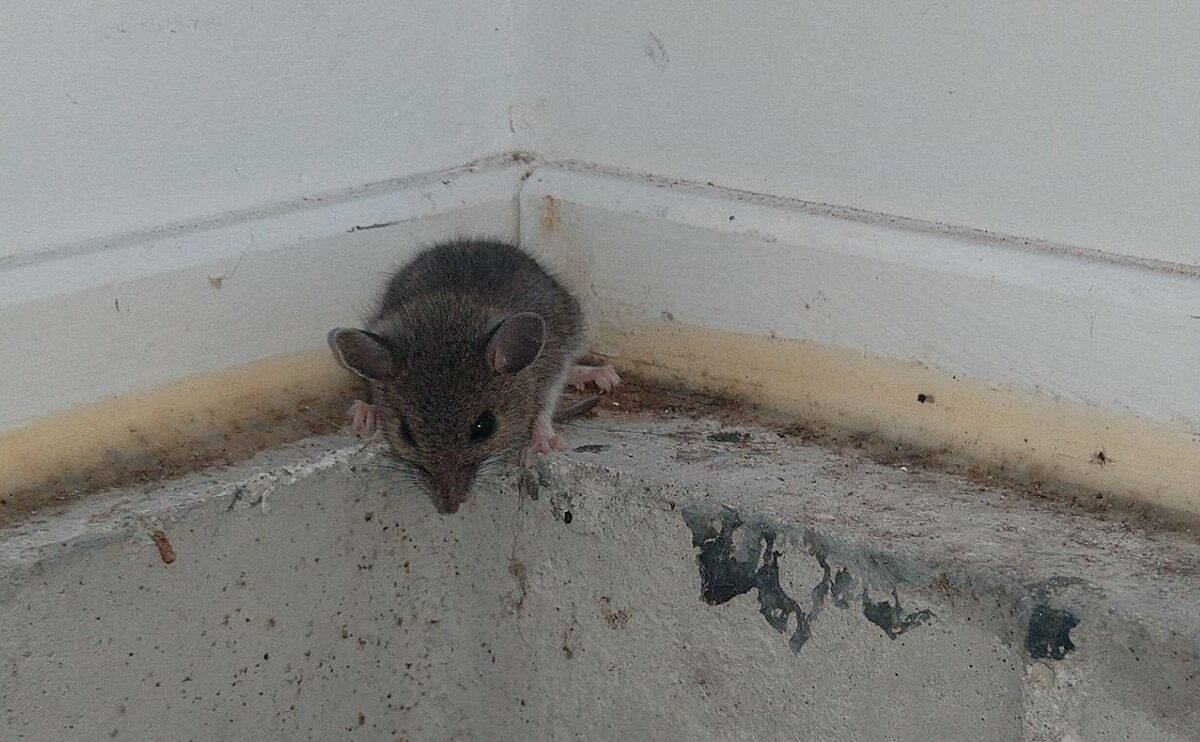
Fall preparations in Ottawa often include putting away gardening equipment, bringing out warmer clothing and organising the garage before winter. While you are tackling those jobs, take time to check the areas where mice could enter your home. A worn garage-door seal or a small opening around a utility line can be easy to overlook during a busy season.
As temperatures drop, sheltered spaces with access to food can provide mice with favourable conditions. Garages, wall cavities and storage areas may offer cover, particularly when exterior gaps allow access.
A useful fall mouse-prevention checklist combines basic housekeeping with a careful look at your home’s exterior. Some tasks, such as securing birdseed and clearing clutter, are straightforward. Others require a closer assessment. If you find droppings, gnawed materials or a suspected active entrance, professional help can determine what is happening before repairs close off access.
What to put under a garage door to keep mice out?
A properly fitted, rodent-resistant garage-door bottom seal can help close gaps beneath the door. Some doors also need a compatible threshold seal to achieve a snug fit. Check the corners and side seals, too. If you notice droppings, gnawing or repeated damage, have Skedaddle assess possible mouse activity before sealing suspected entrances.
1. Start With the Garage Door and Its Surrounding Gaps
Your garage door is a practical place to begin because it opens frequently and has several edges where gaps can develop. The bottom seal may look intact from the driveway but fail to make consistent contact with the floor.
With the door fully closed, look from inside the garage for daylight beneath it or around the sides. Pay particular attention to the lower corners, where different seals meet. Mice can fit through openings approximately six millimetres wide, so a gap does not need to look substantial to deserve attention.
Check for:
- Cracked, flattened or missing sections of the bottom seal.
- Loose or damaged weatherstripping along the sides.
- Gaps at either lower corner.
- Uneven contact between the door and the garage floor.
- Worn sweeps or loose-fitting frames around pedestrian doors.
Keeping leaves and debris away from the threshold is a simple maintenance task. Replacing worn weatherstripping can also help, provided the replacement fits correctly. If the door sits unevenly or the floor prevents a snug fit, a garage-door professional can assess the problem.
Gnawed seals, droppings near the entrance or damage that returns after a repair need a different response. These may indicate mouse activity. Before repeatedly replacing the same material, have the area assessed to identify possible entrances and determine whether mice are already inside.
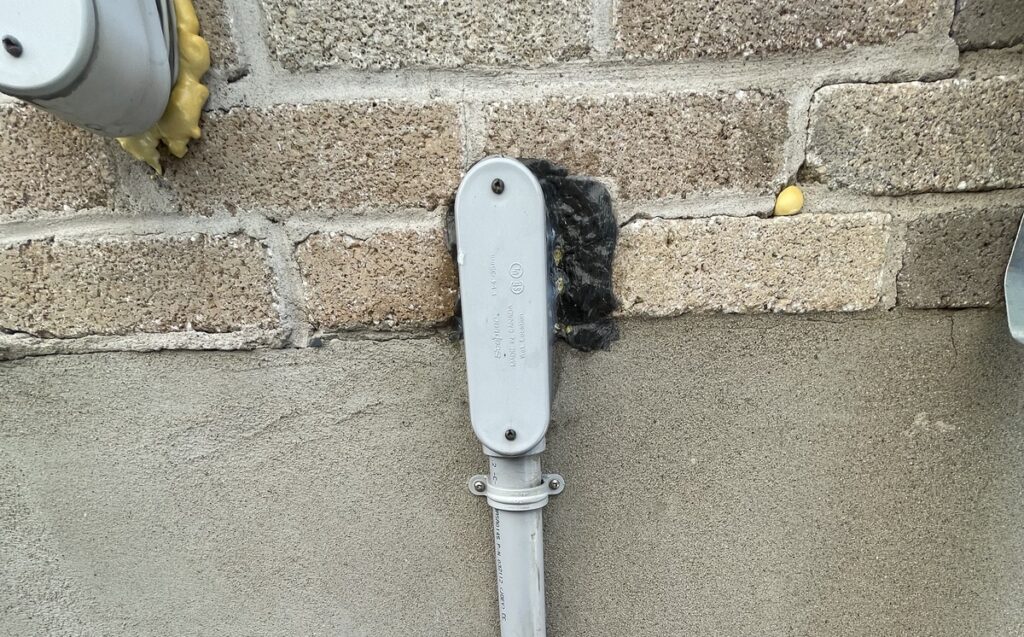
2. Check Where Pipes, Cables and Other Utilities Enter
Utility openings are easy to miss because homeowners tend to focus on the equipment rather than the space surrounding it. A cable or pipe may be functioning normally while a gap around it provides access through the exterior wall.
Walk around your home and look at accessible places where services enter. These may include plumbing, electrical cables, internet lines and air-conditioning connections. Older openings left behind after equipment changes also deserve attention.
During your inspection, look for:
- Gaps between a pipe or cable and the surrounding wall.
- Sealant that has cracked, loosened or pulled away.
- Damaged covers around service penetrations.
- Unfinished openings from previous installation work.
- Gnawed edges or droppings near an opening.
Photograph anything concerning so you can show the location to the appropriate professional. Avoid pulling on cables, disturbing connections or attempting repairs around gas and electrical services.
The right repair depends on the opening, the building material and the utility involved. Simply filling every space with expanding foam does not provide a dependable mouse-prevention plan. Durable, rodent-resistant materials need to be selected and installed appropriately.
Ventilation, exhaust and drainage openings must also remain functional. They should never be blocked indiscriminately. Routine deterioration can be addressed through suitable maintenance, but an opening with signs of mouse activity should be assessed before it is permanently sealed.
3. Follow the Foundation and Check Other Exterior Openings
After checking utilities, continue around the accessible foundation perimeter. Move slowly enough to notice gaps hidden behind planters, stored equipment or vegetation.
Focus on basement window frames, exterior door thresholds and places where different building materials meet. A separation where siding meets masonry may be less obvious than a hole, but it still deserves a closer look if it creates access through the exterior.
Your ground-level checklist should include:
- Gaps around basement windows and doors.
- Loose or damaged accessible vent covers.
- Openings at siding and foundation transitions.
- Deteriorated materials around additions or enclosed porches.
- Areas concealed by outdoor storage or dense vegetation.
Not every crack in concrete is a mouse entrance. What matters is whether an opening provides a route into the building. Its appearance alone may not reveal where it leads. An exterior gap could connect with a concealed wall or floor cavity rather than opening directly into a room.
Clearing obstructions and arranging repairs to deteriorated frames are useful homeowner tasks. However, gnawed edges, droppings or repeated activity near an opening warrant professional assessment before sealing.
A ground-level inspection also has limits. Mice can climb, and some access points may be higher on the building. Leave roofline and other difficult-to-reach inspections to trained professionals instead of climbing onto the roof to complete your checklist.
4. Remove Food Sources and Organise Garage Storage
A garage can contain more potential food and shelter than homeowners realise. Birdseed, pet food and grass seed may sit beside cardboard boxes, cushions and other stored belongings. Together, these can make activity harder to notice.
Fall is a good time to reorganise these areas while putting summer items away. Start with anything edible. Store seed and pet food in sturdy containers with tightly fitting lids, and promptly clean up spills.
Useful housekeeping tasks include:
- Keeping household rubbish in securely closed bins.
- Removing spilled seed from floors and shelving.
- Reducing piles of cardboard, paper and fabric.
- Organising belongings so wall edges remain visible.
- Checking seasonal decorations and cushions before storing them.
- Inspecting food packaging for chewing or damage.
An organised garage is easier to inspect. When you can see the floor and access the perimeter, you are more likely to notice a damaged seal or new evidence of activity.
Housekeeping supports prevention, but even a tidy garage can be entered through an exterior gap. Cleaning and repairs work together.
If you find droppings, chewed packaging or what appears to be nesting material, pause before disturbing the area. Record where you found it and arrange an assessment. Those signs suggest the task may involve an existing mouse problem rather than routine seasonal tidying.
5. Tidy Outdoor Areas Before Colder Weather
The next part of your checklist takes you just beyond the walls of your home. Leaves, stored materials and overgrown vegetation can conceal exterior openings and provide cover close to the building.
As you prepare the yard for winter, keep the foundation and garage entrances accessible. Removing obstructions makes future checks easier and allows repair professionals to see areas of concern.
Prioritise these outdoor tasks:
- Clear accumulated leaves and debris from entrances.
- Move stored materials away from exterior walls where practical.
- Keep firewood away from the house where space allows.
- Trim vegetation that hides the foundation.
- Clean up fallen fruit and spilled birdseed.
- Check that waste and compost containers close properly.
These changes can reduce nearby food opportunities and hiding places. They also help you notice whether an existing gap has become larger or a cover has been damaged.
Revisit the perimeter as leaves continue to fall. An area cleared in early autumn can quickly become obscured again, especially around stairs, window wells and garage corners.
Outdoor maintenance cannot confirm that mice are absent from your home. If you uncover an opening with gnawed edges or other evidence of activity, have it assessed before closing it. Removing the surrounding clutter is helpful, but it does not establish whether animals are using the entrance.
6. Recognise When Prevention Needs Professional Assessment
A fall walkthrough may reveal ordinary wear that needs maintenance. It may also uncover signs that mice have already gained access. Recognising the difference helps you choose the right next step.
Possible signs of activity include:
- Droppings along walls or inside storage areas.
- Chewed food packaging or damaged containers.
- Gnawing around seals and building materials.
- Shredded material that may have been gathered for nesting.
- Repeated scratching sounds in concealed spaces.
- Mouse sightings inside the garage or home.
Individual signs do not always reveal the full situation. Scratching sounds, for example, do not identify the species or show exactly where an animal entered. Record where and when you notice activity, and photograph visible damage without disturbing suspected nesting areas.
Sealing an active entrance without assessment can leave mice inside. It can also overlook other openings that continue to provide access. A complete prevention plan needs to account for both current activity and the condition of the building.
At Skedaddle Humane Wildlife Control, our Ottawa mouse service includes assessing current and potential entry points and developing a humane removal and prevention plan. Professional exclusion materials help secure identified openings against re-entry.
If your checklist reveals suspected activity, contact our team before making permanent repairs to those areas. An assessment can help determine which maintenance tasks are appropriate and which openings need to be addressed as part of the removal process.
Frequently Asked Questions
Can mice get into my home through an attached garage?
An attached garage can provide an initial sheltered space if mice enter through exterior gaps. Additional openings around the connecting door, utilities or building materials may allow movement into other areas. Check both the garage’s exterior and its connection to the house, and arrange an assessment if you notice activity.
Will new garage-door weatherstripping keep mice out?
Properly fitted weatherstripping can help close gaps around a garage door, but its effectiveness depends on its condition and fit. Other openings may still provide access. If the seal is repeatedly chewed or you find droppings nearby, replacing it should be accompanied by an assessment of possible mouse activity.
Is expanding foam enough to seal a mouse entry point?
Expanding foam alone should not be relied on as a durable mouse barrier. The appropriate repair depends on the opening, surrounding materials and any services passing through it. Suspected active entrances should be professionally assessed before sealing, and utility-related work may require a qualified tradesperson.
What should I do if I find mouse droppings?
Avoid dry sweeping or vacuuming droppings, which can disturb contaminated material. Keep children and pets away from the area and follow appropriate public-health cleanup guidance. Droppings also warrant an assessment of possible mouse activity. Skedaddle can investigate access points and discuss appropriate next steps for affected areas.
When should Ottawa homeowners complete their fall checklist?
Start while exterior areas are accessible and before sustained cold weather makes outdoor maintenance more difficult. Recheck door seals and areas where leaves accumulate throughout autumn. Prevention remains useful year-round, however, and signs of current activity should be investigated promptly rather than left until the next seasonal inspection.
Get Your Ottawa Home Ready Before Winter
Preparing your home for colder weather starts with manageable steps. Check garage-door seals, inspect accessible utility openings, follow the foundation and organise food storage. Outdoor tidying can make potential trouble spots easier to see, while timely maintenance helps address everyday wear.
The key is knowing when your checklist has uncovered more than a maintenance issue. Droppings, gnawing and suspected active entrances call for professional assessment before permanent sealing.
If you are concerned about mice in your garage or home, contact Skedaddle Humane Wildlife Control in Ottawa. Our team can assess possible access points and develop a humane removal and prevention plan, helping you address current activity and prepare your home for the months ahead.

 Loading...