At Skedaddle Humane Wildlife Control, we spend a lot of time in attics, basements, crawl spaces, garages, sheds, kitchens, cottages, cabins, and wall voids where homeowners have found rodent droppings or heard scratching at night. We understand how unsettling that can be. When hantavirus starts filling headlines, those discoveries can feel even more stressful.
The goal of this blog is to help homeowners separate fear from facts. Hantavirus deserves attention because it can be serious, but it is not something homeowners need to respond to with alarm or guesswork. The practical steps are straightforward: avoid stirring up dust, do not sweep or vacuum droppings, disinfect contaminated areas carefully, and focus on long-term rodent prevention.
How Many Cases Of Hantavirus Have Been Confirmed?
The CDC reports that 890 laboratory-confirmed hantavirus disease cases were reported in the United States from the start of national surveillance in 1993 through the end of 2023. That makes hantavirus rare, but not irrelevant, especially for people cleaning rodent-contaminated spaces.
Right now, hantavirus is also getting extra attention because the CDC has maintained a hantavirus outbreak toolkit connected to a 2026 outbreak situation reported in early May. That news can make homeowners wonder whether every mouse dropping in the garage is an emergency. The better question is: “How do I handle rodent contamination safely, and how do I stop rodents from getting back in?”
Quick answer: hantavirus, rodents, and your home
Hantavirus is rare in the United States, but every homeowner should treat rodent droppings, urine, saliva, and nesting material with care. With hantavirus in the news right now, it is understandable that homeowners feel stressed when they discover signs of mice or rats. The best response is not panic; it is safe cleanup, smart prevention, and getting the rodents out for good.
What Is Hantavirus, And How Does Exposure Happen?
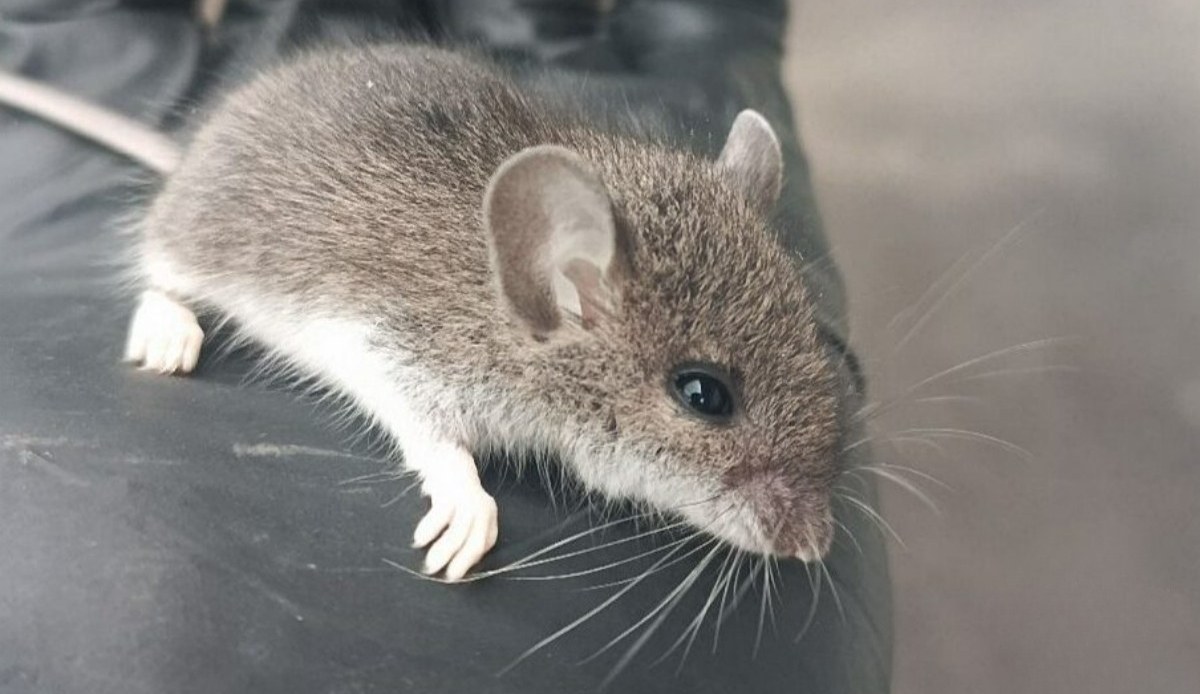
Hantaviruses are a family of viruses carried by certain rodents. In the United States, hantaviruses found in the Western Hemisphere can cause hantavirus pulmonary syndrome, often called HPS. The CDC says the most common hantavirus that causes HPS in the U.S. is spread by the deer mouse.
That detail matters because homeowners often use “mouse,” “rat,” and “rodent” interchangeably. From a home-protection standpoint, mice and rats can both create serious problems. They can contaminate insulation, chew wiring, damage food packaging, leave urine and droppings, and create odor. From a hantavirus standpoint, the U.S. concern is tied to specific rodent hosts, not every rodent in every situation.
Older CDC transmission guidance identifies deer mice as a reservoir in the United States, along with cotton rats and rice rats in the Southeast and white-footed mice in the Northeast. These rodents can shed virus in urine, droppings, and saliva, and people are mainly exposed when they breathe air contaminated with virus particles from disturbed rodent material.
That is why cleanup technique matters so much. The concern is not just that droppings exist. The bigger concern is disturbing dry droppings, nesting material, or dusty contamination in a way that sends particles into the air.
This can happen when someone sweeps a garage floor, vacuums droppings in a pantry, shakes out contaminated fabric, uses compressed air, or starts cleaning a shed or cabin that has been closed up for months. Those are common, understandable homeowner reactions. They are also exactly the habits public-health agencies warn against.
For homeowners, the most important takeaway is simple: if you find rodent droppings, slow down before cleaning. Avoid dry sweeping. Avoid vacuuming. Keep children and pets away. Ventilate the area when appropriate. Wet contaminated material with disinfectant before removing it. If the contamination is heavy, widespread, hidden in insulation, or located in a confined area, call professionals.
It is also worth noting that most U.S. hantavirus concern is not about casual person-to-person spread. CDC’s Emerging Infectious Diseases spotlight notes that Andes virus is the only strain known to transmit between humans through close contact; Andes virus is associated with South America, not the typical North American strains homeowners are thinking about when cleaning rodent droppings in a garage or shed.
Why Rats And Rodents Are A Growing Concern In U.S. Cities
Even though deer mice are the rodent most often associated with HPS in the United States, rats are still important to this conversation because they show how well rodents adapt to human environments. More rodent pressure around homes, businesses, alleys, garages, sheds, restaurants, and multi-unit properties means more opportunities for contamination, structural damage, and homeowner stress.
Rodents do well where people unintentionally provide food, water, shelter, and warmth. Overflowing garbage, outdoor pet food, birdseed, compost, fruit trees, restaurant waste, construction disruption, cluttered yards, aging buildings, damaged vents, sewer access, and small foundation gaps can all contribute to rodent activity.
A 2025 study published in Science Advances examined rat sighting and reporting trends in 16 cities around the world. The Associated Press reported that rat complaints increased in 11 of the cities studied, with Washington, D.C., San Francisco, Toronto, New York City, and Amsterdam among the fastest-rising locations. Researchers linked the trend to warming temperatures, urbanization, and human activity.
That is an important lesson for homeowners. Rodent problems are not solved by wishing rodents away. They are reduced by changing the conditions that let rodents thrive: access to food, easy shelter, clutter, and unsealed entry points.
At Skedaddle, we see the same principle at the home level. One rat near a garage or one mouse in a pantry is often a clue that something is attracting animals or allowing them inside. Skedaddle’s rat removal information explains that rats are more than a nuisance and can create health risks for people and pets living in a home.
Where Homeowners Are Most Likely To Encounter Hantavirus Risk
Most homeowner concern begins in places that are quiet, dusty, enclosed, and not cleaned often. These are the areas where rodents can live, nest, and leave behind droppings, urine, saliva, and nesting material without being noticed right away.
The spaces most likely to create concern include:

- Garages: Rodents may nest behind stored boxes, tools, pet food, birdseed, garbage bins, or seasonal decorations.
- Sheds and outbuildings: These spaces are often quiet for long periods, giving mice and rats time to nest undisturbed.
- Attics: Rodents can contaminate insulation, chew wiring, and leave droppings in areas homeowners rarely inspect.
- Crawl spaces: These areas are dark, hidden, and often difficult to access, making rodent activity easy to miss.
- Basements: Mice and rats may enter through foundation gaps, utility openings, vents, or damaged door sweeps.
- Cabins, cottages, and vacation homes: Seasonal properties can sit closed for weeks or months, allowing rodents to move in before anyone notices.
- Barns and agricultural buildings: Stored feed, grain, hay, and equipment can attract rodents and provide nesting material.
- Storage rooms: Cardboard boxes, fabric, paper, and clutter can create ideal hiding and nesting spots.
- Utility rooms: Openings around pipes, wires, vents, and mechanical systems can give rodents access to the home.
- Vehicles, campers, and trailers: Rodents may nest inside seats, engine compartments, storage areas, or insulation, especially when vehicles sit unused.
A typical situation might look like this:
- A homeowner opens a shed in spring and finds droppings along the wall.
- Someone returns to a vacation home and notices shredded nesting material in drawers.
- A family pulls boxes out of the garage and finds mouse droppings behind storage bins.
- A technician opens an attic hatch and sees droppings scattered through insulation.
- A homeowner hears scratching behind a wall and later finds droppings near a basement utility line.
In each case, the safest first step is to pause before cleaning. Do not grab a broom, shop vac, or household vacuum. Dry sweeping or vacuuming can stir up dust from rodent droppings, urine, or nesting material, which is exactly what public-health guidance warns homeowners to avoid.
Before deciding what to do next, ask a few practical questions:
- How much contamination is there? A few droppings on a hard surface are different from widespread contamination in insulation or stored belongings.
- Is the area dusty or poorly ventilated? Enclosed spaces can increase the chance of disturbing contaminated particles.
- Is there nesting material? Shredded paper, fabric, insulation, or dried plant material can indicate a more established rodent problem.
- Are rodents still active? Fresh droppings, new chewing damage, scratching sounds, or recurring signs suggest the issue is ongoing.
- Are droppings near food or living areas? Contamination in kitchens, pantries, bedrooms, or HVAC areas should be taken seriously.
- Can you identify how rodents got in? If entry points remain open, cleanup alone will not solve the problem.
For homeowners, rodent control should not mean only catching the animal you saw. It should mean understanding how rodents got in, what they contaminated, whether they are still present, and how to prevent the next rodent from using the same path. The safest and most effective step is to call our experts at Skedaddle Humane Wildlife Control.
What Not To Do When You Find Rodent Droppings
If you find rodent droppings, the safest first step is to stop and avoid disturbing the area. Droppings, urine, saliva, and nesting material can become a concern when dry particles are stirred into the air.
Avoid these common mistakes:
- Do not sweep droppings. Sweeping can push contaminated dust into the air.
- Do not vacuum droppings. This includes household vacuums and shop vacs.
- Do not use compressed air or leaf blowers. Blowing dust around can spread contamination.
- Do not handle droppings with bare hands. Always use proper protection.
- Do not let children or pets near the area. Keep the space off-limits until it is cleaned safely.
- Do not shake contaminated items. Boxes, fabric, insulation, and nesting material can release dust.
- Do not assume cleanup solves the problem. Droppings are a sign that rodents found a way in.
- Do not seal entry points too quickly. If rodents are still inside, they may become trapped and move deeper into the home.
Instead, pause, ventilate the area when appropriate and consider professional help if the droppings are widespread, in insulation, or in a hard-to-reach space.
How Skedaddle Approaches Rodent Removal, Cleanup, And Prevention
At Skedaddle Humane Wildlife Control, we look at rodent problems as more than a pest issue. We look at them as a home-protection issue.
The question is not just, “How do we remove the rodent?” The better questions are: Where are they entering? Why did they choose this property? What have they contaminated? Are there hidden nesting areas? Is there damage to insulation, wiring, vents, or stored materials? How do we stop the next animal from getting in?
Our work involves working as professional wildlife removal, detailed cleaning, and preventative exclusion services. After humane removal, we disinfect affected areas and seal entry points with durable materials.
That sequence matters: assess, remove, clean, and prevent.
Assess:
Assessment helps identify the full scope of the issue. Rodents are skilled at using small openings that are easy to overlook. Skedaddle’s rat assessment information notes that rats can squeeze through small cracks and holes in the exterior of a home, including openings as small as a quarter.
Remove:
Removal focuses on getting animals out safely and effectively. Humane removal is important to us, but so is solving the homeowner’s problem completely. A half-solved rodent issue usually becomes a recurring rodent issue.
Clean:
Cleaning and sanitizing are often the most underestimated steps. Rodents leave behind droppings, urine, nesting material, scent trails, damaged insulation, chewed debris, and odor. Skedaddle’s clear and clean process focuses on sanitizing, repairing, and helping prevent future infestations so homeowners can have peace of mind after rodent damage.
Prevent:
Prevention is the step that protects the home long-term. Skedaddle’s prevent and protect process describes securing the home against future intrusions as the final and most important step in rat removal. The point is not just to eliminate current rats; it is to stop new rats from gaining access.
That is the difference between a short-term reaction and a long-term solution. If rodents can still enter through a gap under a garage door, an opening around a pipe, a damaged vent, a foundation crack, or an unprotected roofline, the problem can return even after cleanup.
Professional help also gives homeowners clarity. Is this mouse activity or rat activity? Are the animals still inside? How long has this been happening? Is the insulation contaminated? Are there openings near utilities, vents, or the foundation? Is the cleanup small enough to handle, or is it a larger sanitation issue?
When hantavirus is in the news, those answers matter. Homeowners do not need more fear. They need a practical plan.
Simple Prevention Steps That Make Your Home Less Attractive To Rodents
Rodent prevention starts with removing the things mice and rats are looking for: food, water, shelter, and easy access into your home. A few small changes can make your property much less inviting.
- Secure garbage. Use bins with tight-fitting lids and avoid leaving loose bags outside.
- Store food properly. Keep pantry items, pet food, birdseed, grass seed, and bulk goods in sealed, rigid containers.
- Clean up outdoor food sources. Pick up fallen fruit, spilled birdseed, pet food, and food debris around patios or grills.
- Manage compost carefully. Use a secure compost bin and avoid adding items that attract rodents.
- Reduce clutter near the home. Move woodpiles, boxes, yard debris, and stored materials away from the foundation.
- Trim vegetation. Cut back shrubs, vines, and tall grass that give rodents cover near walls, decks, and entry points.
- Check for openings. Look for gaps around doors, vents, pipes, utility lines, foundation cracks, garage doors, and crawl-space openings.
- Repair damage quickly. Replace broken vent covers, damaged door sweeps, loose siding, and gaps around exterior fixtures.
- Watch for early warning signs. Droppings, gnaw marks, scratching sounds, grease marks, and shredded nesting material can all point to rodent activity.
- Act before the problem grows. Cleaning up droppings is only part of the solution. The real goal is to find how rodents got in and stop them from returning.
The more you reduce attractants and seal access points, the harder it becomes for rodents to settle in around your home.
When To Call A Professional

Some small rodent cleanup situations can be handled by homeowners who follow public-health guidance carefully. But there are many situations where calling a professional is the safer and more effective choice.
Call a professional if you find widespread droppings, nesting material, dead rodents, urine odor, contaminated insulation, rodent activity in an attic or crawl space, droppings in food storage areas, recurring droppings after cleaning, chewing damage, scratching behind walls, or multiple possible entry points. You should also call for help if the area is poorly ventilated, difficult to access, or heavily contaminated.
Professional help is also smart when you are not sure what animal you are dealing with. Scratching in an attic could be mice, rats, squirrels, raccoons, bats, or birds depending on the location, timing, sound, and entry points. Correct identification changes the solution.
At Skedaddle, our experts approach the home as a whole system. We inspect, remove, clean, sanitize, and protect. We look for both active and potential entry points. We help homeowners understand what happened and what needs to be done next.
Hantavirus may be rare, but rodent contamination should always be taken seriously. The good news is that homeowners do not need to live with anxiety every time hantavirus appears in the headlines. A calm, informed response can make a big difference.
Avoid unsafe cleanup habits. Keep rodents out. Reduce attractants. Do not ignore early warning signs. And when the problem is larger than a simple surface cleanup, bring in experts who know how to remove rodents humanely and prevent them from coming back.
That is the common-sense message every homeowner should know: hantavirus is rare, but rodent problems are real. Respect the risk, clean safely, and focus on prevention.
FAQ: Hantavirus And Rodent Prevention In The United States
What is the safest way to clean rodent droppings?
Do not sweep or vacuum rodent droppings. Public-health guidance recommends avoiding dust, ventilating when appropriate, wearing gloves, wetting droppings and contaminated material with disinfectant, letting the disinfectant sit, and then wiping up the material carefully. If contamination is widespread or in insulation, crawl spaces, attics, or wall voids, call professionals.
Which rodents spread hantavirus in the United States?
The CDC says the most common hantavirus that causes hantavirus pulmonary syndrome in the United States is spread by the deer mouse. Other U.S. reservoir rodents include cotton rats and rice rats in the Southeast and white-footed mice in the Northeast.
Why should I call Skedaddle instead of just setting traps?
Traps may catch a few rodents, but they do not solve entry points, hidden contamination, nesting material, property damage, or the conditions attracting rodents in the first place. Skedaddle focuses on humane removal, cleaning and sanitizing affected areas, and preventing future infestations by sealing access points with durable materials.

 Loading...