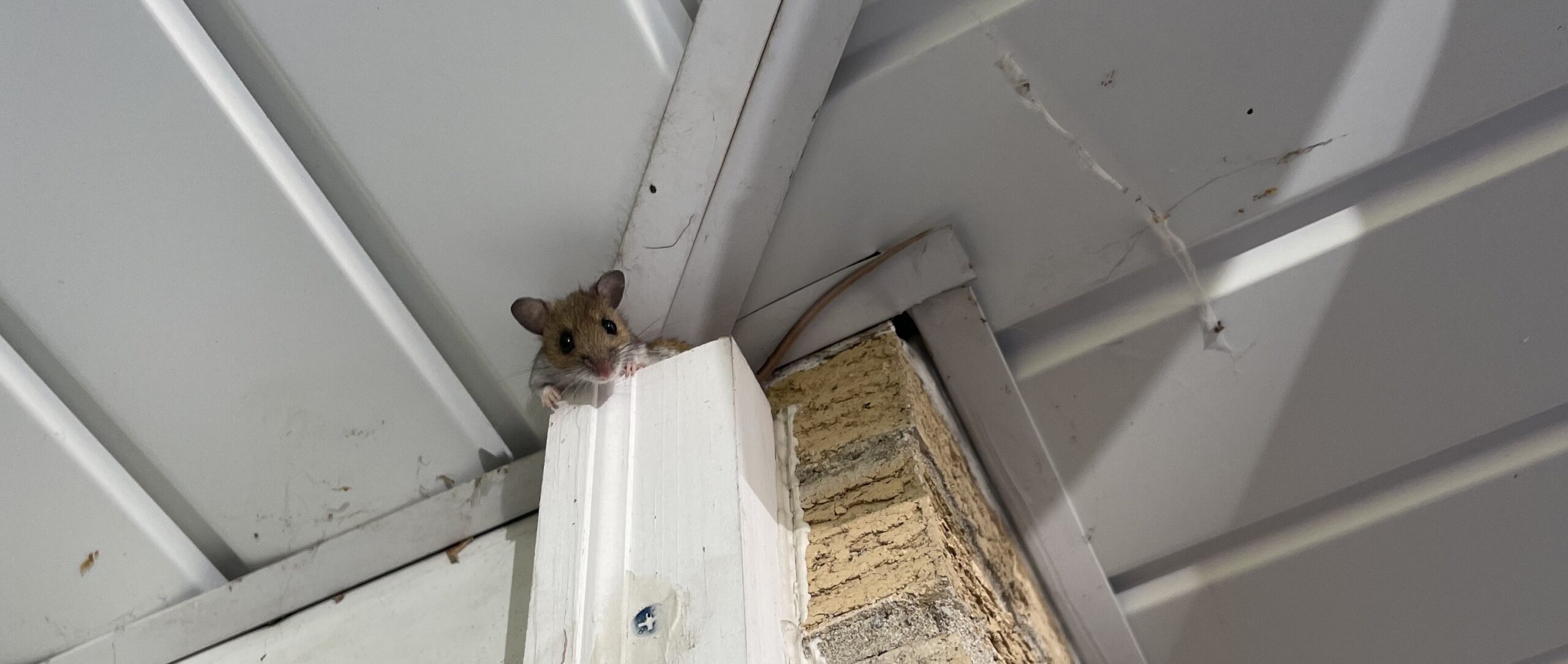
Opening the cottage for the season is one of the best parts of warmer weather. After months of sitting closed up through winter, many homeowners are eager to air things out, unpack supplies, and settle back into their favourite seasonal spaces. But before the cleaning begins, it’s important to take a careful look around for signs of rodent activity.
Recently, hantavirus has appeared in news headlines, reminding property owners why safe cleanup practices matter when dealing with mice or rats in enclosed spaces. Cabins, sheds, garages, and other outbuildings can attract rodents during long periods of vacancy, so taking a few precautions before disturbing dust or debris can help homeowners start the season more safely and comfortably.
At Skedaddle Humane Wildlife Control, we look at rodent activity as a warning sign. Droppings, urine stains, gnaw marks, nesting material, and scratching sounds all point to a bigger issue: rodents have found food, shelter, or a way into your home. Safe cleanup matters, but long-term prevention matters just as much. The best way to reduce risk is to remove the rodents, clean contaminated areas properly, and seal the entry points so they cannot come back.
How easy is it to contract hantavirus?
Hantavirus is not easy to contract, and cases in the United States are rare. The risk increases when people disturb rodent droppings, urine, saliva, or nesting materials and breathe in contaminated dust, especially in enclosed spaces like sheds, garages, cabins, attics, or crawl spaces. For most homeowners, the concern is not everyday casual exposure; it is unsafe cleanup. Avoid sweeping or vacuuming droppings, wet contaminated areas with disinfectant first, and address the rodent problem at the source.
Quick Answer: How to Avoid Getting Hantavirus When Cleaning Mouse Droppings
When cleaning areas where mice may have been active, it’s important not to disturb droppings or nesting materials dry. Sweeping or vacuuming can stir dust into the air, especially in enclosed buildings that have been shut for months. We recommend ventilating the space first and allowing trained professionals to assess and safely address affected areas. A cautious approach helps reduce unnecessary exposure and ensures the property is cleaned properly before regular use resumes.
What is Hantavirus, and Where Does it Come From?
Hantavirus is not one single virus. It is a family of viruses carried by certain rodents, including some mice and rats. In the United States, the illness homeowners hear about most often is hantavirus pulmonary syndrome, or HPS, which is a rare but serious respiratory disease. The CDC reports that 890 laboratory-confirmed hantavirus disease cases were reported in the U.S. from the start of national surveillance in 1993 through the end of 2023.
In the U.S., the deer mouse is the rodent most commonly linked to the hantavirus that causes HPS. Other rodents associated with hantaviruses in different regions include the white-footed mouse, cotton rat, and rice rat.
For homeowners, the important thing to remember is that hantavirus is rare, but rodent contamination should still be handled carefully. A few droppings in a garage or shed do not mean you need to panic. They do mean you should slow down, avoid stirring up dust, and think about why rodents were there in the first place.
Why Rodents Are Drawn to Seasonal Properties
 When cottages and outbuildings sit empty through fall and winter, they become ideal shelter for rodents looking for warmth and protection from the elements. Small gaps around roofs, foundations, vents, and doors make it surprisingly easy for mice to slip inside unnoticed. Once indoors, they often settle into quiet storage areas where they can remain undisturbed for months.
Many homeowners don’t realize there has been activity until opening weekend. By then, rodents may have left droppings, nesting materials, and damage behind in hidden corners of the property. Sheds, garages, crawl spaces, and attics are especially common areas for activity because they provide darkness, shelter, and limited human activity during colder months.
Some of the most common warning signs include:
- Droppings along walls or shelves
- Scratching sounds inside walls or ceilings
- Shredded nesting materials
- Strong, musty odours
- Torn insulation or stored items
- Gnaw marks around entry points
Spotting these signs early is important because rodent activity often extends beyond what homeowners can immediately see. What appears minor on the surface may indicate a larger issue hidden behind walls, inside insulation, or throughout enclosed storage spaces. Addressing activity early helps reduce further contamination and limits the likelihood of ongoing problems throughout the cottage season.
Air Out the Space Before Cleaning Begins
One of the most important steps when reopening a seasonal property is allowing the space to ventilate before disturbing dust or debris. Buildings that have remained sealed through winter often contain stale air, accumulated dust, and hidden signs of rodent activity. Opening doors and windows allows fresh air to circulate throughout the property before any inspection or cleanup begins.
This is especially important in enclosed spaces such as:
- Garages
- Storage rooms
- Sheds and workshops
- Crawl spaces
- Attics
- Utility rooms
Many homeowners arrive at the cottage eager to start sweeping, organizing, and unpacking immediately. However, rushing into cleanup without first checking for rodent activity can increase the likelihood of disturbing contaminated materials. Areas that appear clean at first glance may still contain droppings, nesting materials, or hidden access points behind stored items and furniture.
At Skedaddle, we encourage homeowners to take a slower, more careful approach when reopening seasonal spaces. If there are visible signs of mice or rats, professional assessment is often the safest next step. Proper ventilation combined with expert inspection can help identify the extent of activity while minimizing unnecessary disturbance inside enclosed areas that may have been affected over winter.
Why Professional Cleanup Matters Around Rodent Activity
 Discovering rodent droppings or nesting materials inside a cottage can leave homeowners unsure of what to do next. While it may seem tempting to quickly sweep up the mess and move on, disturbing affected areas improperly can spread dust and debris throughout the space. This is especially concerning in smaller cabins, sheds, or garages that have had limited airflow for several months.
At Skedaddle, we approach rodent-related cleanup with care and attention to safety. Rather than focusing only on visible debris, we look at the larger picture to determine where activity occurred, how rodents gained access, and whether hidden contamination may still be present elsewhere in the building.
Areas commonly affected include:
- Behind stored boxes and furniture
- Inside cupboards and drawers
- Attics and crawl spaces
- Utility areas and pipe openings
- Workshops and storage sheds
Professional assessment also helps uncover hidden damage that homeowners may not notice during seasonal cleaning. Rodents often chew insulation, wiring, and stored materials while nesting inside walls or secluded corners. Addressing the issue thoroughly early in the season helps prevent ongoing activity and allows homeowners to enjoy their property with greater peace of mind throughout spring and summer.
Inspect Entry Points Before Activity Continues
Spring opening is the ideal time to inspect cottages and outbuildings for structural vulnerabilities that may have allowed rodents inside during winter. Mice can squeeze through openings far smaller than most homeowners expect, which means even tiny gaps around foundations, roofs, vents, or utility lines can become access points.
Seasonal properties are particularly vulnerable because weather, moisture, and freezing temperatures can create small structural changes over time. Openings that were barely noticeable in the fall may become easy entry points by spring.
Areas we commonly inspect include:
- Roof edges and soffits
- Utility and pipe openings
- Foundation cracks
- Damaged vents or screens
- Garage door corners
- Gaps around windows and doors
Even when activity appears minor, recurring access points can allow rodents to return repeatedly year after year. Many homeowners only address the visible signs inside the building without realizing the exterior vulnerabilities remain unchanged.
At Skedaddle, we focus on identifying how rodents are entering the property and helping prevent future activity through exclusion and long-term prevention strategies. Addressing entry points early in the season can help homeowners avoid larger problems later in the summer when cottages, sheds, and garages are being used more frequently.
Frequently Asked Questions About Rodents in Seasonal Properties
Can mice get into cottages and sheds even if the building seems sealed?
Yes, mice can enter through surprisingly small gaps that are easy to overlook during routine maintenance. Tiny openings around vents, utility lines, roof edges, and garage doors can provide enough space for rodents to squeeze inside. Seasonal buildings are especially attractive because they remain quiet and undisturbed for long periods. Even well-maintained cottages can develop vulnerabilities over winter due to weather, moisture, and normal structural wear that creates new access points.
Is it safe to sweep mouse droppings with a broom or vacuum?
We do not recommend sweeping or vacuuming dry droppings directly. Disturbing debris can stir dust into the air, particularly in enclosed spaces that have remained closed for months. Professional cleanup helps ensure affected areas are handled carefully while reducing unnecessary airborne particles. In many cases, what appears to be a small amount of activity may actually indicate a larger issue hidden behind walls, insulation, or stored materials elsewhere in the property.
What are the most common signs of rodent activity in cottages?
The most common signs include droppings, scratching sounds, shredded nesting materials, gnaw marks, and strong musty odours in enclosed areas. Rodents are often discovered in attics, crawl spaces, garages, sheds, and storage rooms where there is little human activity during winter. Homeowners may also notice damaged insulation, disturbed boxes, or chewed materials around utility spaces. These warning signs often indicate ongoing activity that extends beyond what is immediately visible.
Why do rodents return to the same property every year?
Rodents tend to return to places where they previously found shelter, warmth, and reliable access indoors. If entry points remain unsealed, seasonal properties can continue attracting activity year after year. Cottages and cabins are particularly vulnerable because they often sit empty for extended periods. Long-term prevention focuses on identifying and sealing access points while addressing the conditions that made the property attractive to rodents in the first place.
Start Cottage Season With Greater Peace of Mind
Opening the cottage should feel exciting, not stressful. Taking time to check for signs of rodent activity before cleaning begins can help homeowners avoid unpleasant surprises and start the season more comfortably. Small warning signs inside sheds, garages, attics, and storage areas are often indicators of larger issues that may have developed while the property sat vacant over winter.
At Skedaddle, we help homeowners safely address rodent activity in seasonal properties by identifying entry points, assessing affected areas, and implementing long-term prevention solutions. With the right approach, homeowners can focus less on unwanted activity and more on enjoying cottage season with confidence.

 Loading...