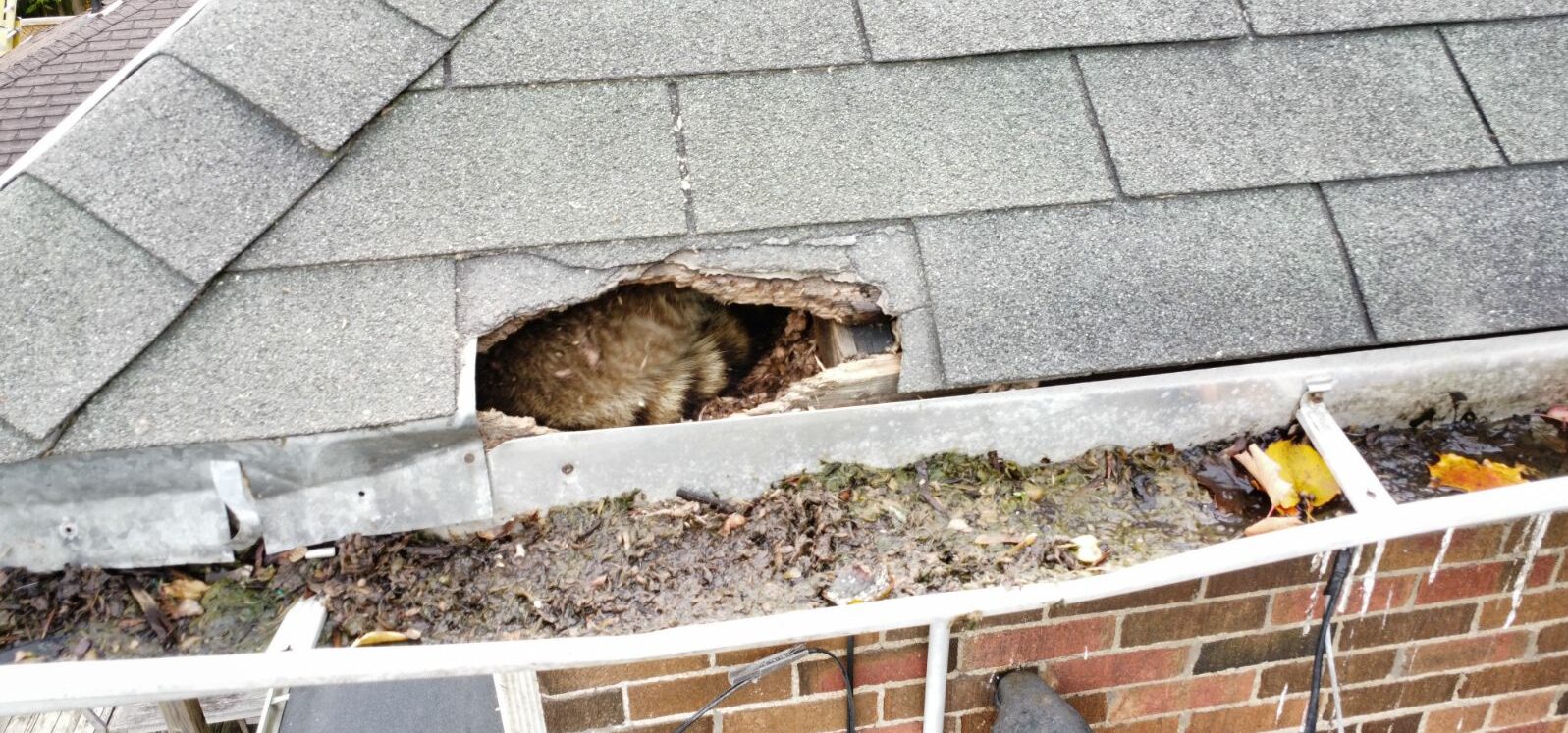
Older homes in Toronto can be more at risk when it comes to wildlife getting inside. Small gaps, worn materials, and aging structures can make it easier for animals to find a way in. You need a strong and complete plan to keep your older home safe. The best way to do this is to find weak spots early, remove any activity safely, and seal entry points so the problem does not come back.
You may not always notice the problem right away. A small opening in your roof, vent, or foundation can slowly turn into a bigger issue over time. Animals are very good at finding these hidden gaps and using them again and again. Even a space that looks too small can become an entry point with repeated use. This is why early action and proper protection are so important.
Older homes often have more areas that need attention. Rooflines, vents, and foundations can all wear down over time and create access points. Without the right approach, these small problems can lead to ongoing activity inside your home. At Skedaddle Humane Wildlife Control in Toronto, we focus on safe removal and long-term prevention. In this blog, you will see how to keep your older home safe, what to watch for, and how we help protect your home the right way.
What is a common problem in older homes?
A common problem in older homes is the number of small gaps and weak areas that develop over time. These openings can appear around rooflines, vents, foundations, and utility lines. Even a small gap can be enough for animals to get inside. These issues are often hidden and easy to miss.
Over time, materials like wood and siding can wear down. This creates more access points without being obvious. You may not notice until the activity has already started. That is why regular inspection is so important.
Older homes also tend to have more complex structures. This can create hidden spaces that are harder to protect. These areas can become ideal spots for nesting and shelter if not properly secured.
Perform a Detailed Property Inspection
Older homes often have more entry points than newer homes. Small gaps and worn areas can be easy to miss without a careful check. A full inspection helps find these weak spots early. The following areas are important to look at closely:
- Roofline & Attics: The roof is one of the most common places where entry can happen. Damaged shingles, loose soffits, and worn vents can create openings. These spaces are quiet and protected, making them attractive for nesting. Even a small gap can grow larger over time if not fixed.
- Foundation Areas: The base of your home can also have hidden openings. Gaps where the foundation meets the siding are easy to overlook. Crawl space vents with damaged or missing screens can also allow entry. These areas need close attention to prevent problems.
- Utility Openings: Pipes, wires, and vents often pass through walls. These spots can leave small gaps around them. Over time, these openings can become larger and easier to use. They are common entry points if not properly secured.
- Weep Holes: Brick homes have small drainage holes near the bottom. These allow moisture to escape but can also be used as entry points. Even though they are small, they can still be used over time. Proper protection helps keep them functional while blocking access.
Seal and Secure Entry Points
Once entry points are found, they need to be sealed properly. Strong and durable materials are important for long-term protection. Weak fixes can break down over time and allow re-entry. The following methods help keep your home secure:
- Install Chimney Caps: Open chimneys are an easy way inside. Without a cap, they act like a direct entry point. A proper cap helps block access while still allowing airflow. This is a simple but important step.
- Use Strong Vent Covers: Vents around the home need to be covered with durable materials. Metal screens can protect these openings without blocking airflow. Weak materials can be pulled apart over time. Strong covers help prevent repeat entry.
- Seal Weep Holes Properly: Weep holes need to stay open for drainage but still be protected. Small metal screens can be placed inside to block entry. This allows the wall to breathe while staying secure. It is a careful balance that needs the right approach.
- Reinforce Roof Joints and Eaves: Areas where roof sections meet can create hidden gaps. Eave returns are also common entry points in older homes. These spots should be reinforced with strong materials like metal flashing. This helps close weak areas and prevent access.
Maintain the Landscape Around Your Home
Outdoor areas can make it easier for wildlife to reach your home. Trees, plants, and debris can act as pathways or shelter. Managing these areas helps reduce access before it starts. The following steps help limit movement around your home:
- Trim Tree Branches: Branches that hang close to your roof can act like bridges. They allow easy access to higher areas of your home. Keeping branches trimmed back helps reduce this risk. This simple step can make a big difference.
- Remove Climbing Vines: Vines growing on walls can create hidden paths upward. They also provide cover and attract activity. Removing them helps reduce access to rooflines and vents. It also makes your home easier to inspect.
- Clear Ground Debris: Woodpiles, leaves, and clutter near your home can create shelter. These areas can attract wildlife without being noticed. Over time, activity can grow closer to your home. Keeping the space clean helps prevent this.
Remove Food Sources and Attractants
Food sources around your home can quickly lead to ongoing wildlife activity. If food is easy to find, animals will keep coming back. Older homes often have outdoor areas that make access easier. Removing these attractants helps reduce repeat problems.
Garbage is one of the biggest sources of attraction. Loose lids or easy-to-open bins can invite animals to return again and again. Keeping trash secured in strong containers helps reduce this risk. Over time, limiting access to food helps break the cycle of activity.
Other outdoor areas can also attract attention without you realizing it. Pet food, grills, and even small amounts of food waste can draw animals closer. These sources may seem minor but can have a big impact over time. Keeping outdoor spaces clean and controlled helps protect your home.
Proactive Measures for Older Homes
Older homes need a proactive approach to stay protected. Preventing problems before they grow is key. A complete plan focuses on both removal and long-term prevention. The following steps help protect your home over time:
- Use One-Way Doors: When activity is present, one-way doors allow animals to leave safely. Once they exit, they cannot return inside. This method works with natural behaviour and avoids harm. It is an important part of safe removal.
- Wait for Safe Timing: In some cases, young may be present in nesting areas. Removing access too early can create more problems. Waiting until they leave ensures the process is done safely. Timing is an important part of proper removal.
- Protect Vulnerable Wood: Older wood can weaken over time and become easier to break through. Treating and reinforcing these areas helps prevent damage. Strong materials provide better protection. This reduces the chance of future entry.
- Focus on Long-Term Prevention: The goal is not just to fix the problem once. It is to stop it from happening again. Sealing all entry points and reinforcing weak areas is key. A complete approach helps keep your home protected for the future.
Wildlife Removal With Our Team
You do not need to manage this situation on your own. Our team at Skedaddle focuses on safe and complete solutions that protect your home. We handle removal in a way that keeps both your property and the animals safe. Our approach is built on long-term results.
We begin with a full inspection to understand what is happening. This helps us find entry points and areas of activity that may not be obvious. Once everything is identified, we create a clear plan. Each step is handled carefully to make sure the problem is fully addressed.
We use one-way doors that allow wildlife to leave safely but not return. After the space is clear, we seal all entry points using strong materials. This prevents future access and repeat issues. Our process keeps your home secure moving forward.
Toronto Homes and Wildlife Activity
Toronto provides ideal conditions for wildlife activity, especially in older neighbourhoods. Food sources, shelter, and building structures all support this behaviour. Older homes often have more gaps and weak areas. This increases the chance of activity around your property.
Seasonal changes also affect how wildlife moves. Warmer months bring more feeding and nesting, which leads to increased activity. You may notice more signs during spring and summer. As activity grows, the risk of entry into homes also increases.
Urban design plays a big role in how wildlife interacts with homes. Rooflines, vents, decks, and older materials can create easy access points. These features may not seem important at first. Over time, they can become entry points if they are not properly secured.
Frequently Asked Questions
What is a common issue in older homes?
Older homes often have small gaps and worn materials. These create entry points over time. Even small openings can lead to bigger problems. Regular inspection helps prevent this.
Why are older homes more at risk?
Older materials can weaken and create access points. These homes also have more hidden spaces. This makes them easier to enter. Proper protection helps reduce this risk.
Can small gaps really cause problems?
Yes, even small gaps can be used over time. Animals can widen openings and return often. What starts small can grow quickly. Sealing them early is important.
How do you stop repeat problems?
The key is removal and sealing at the same time. If entry points are not secured, activity will return. Long-term protection is needed. Our professional service ensures this is done properly.
Protect Your Older Home Before Problems Grow
Older homes in Toronto need extra care to stay protected over time. Small gaps and worn areas can quickly turn into larger problems if they are ignored. What starts as a minor issue can spread to other parts of your home. Acting early helps prevent damage, reduce stress, and avoid costly repairs later on.
These problems will not fix themselves. Wildlife will return to the same areas if they feel safe and have access. Even if activity seems to stop for a short time, it can come back again. Without proper removal and sealing, the cycle will continue and often get worse over time.
That is why a complete and long-term solution is so important. It is not just about removing the problem but also preventing it from happening again. At Skedaddle Humane Wildlife Control in Toronto, we focus on safe removal, sealing entry points, and protecting your home for the future.
Our team handles each step carefully to make sure your home stays secure.
You can request an estimate today to find out how we can help. Our approach keeps your home clean, protected, and free from ongoing issues.

 Loading...