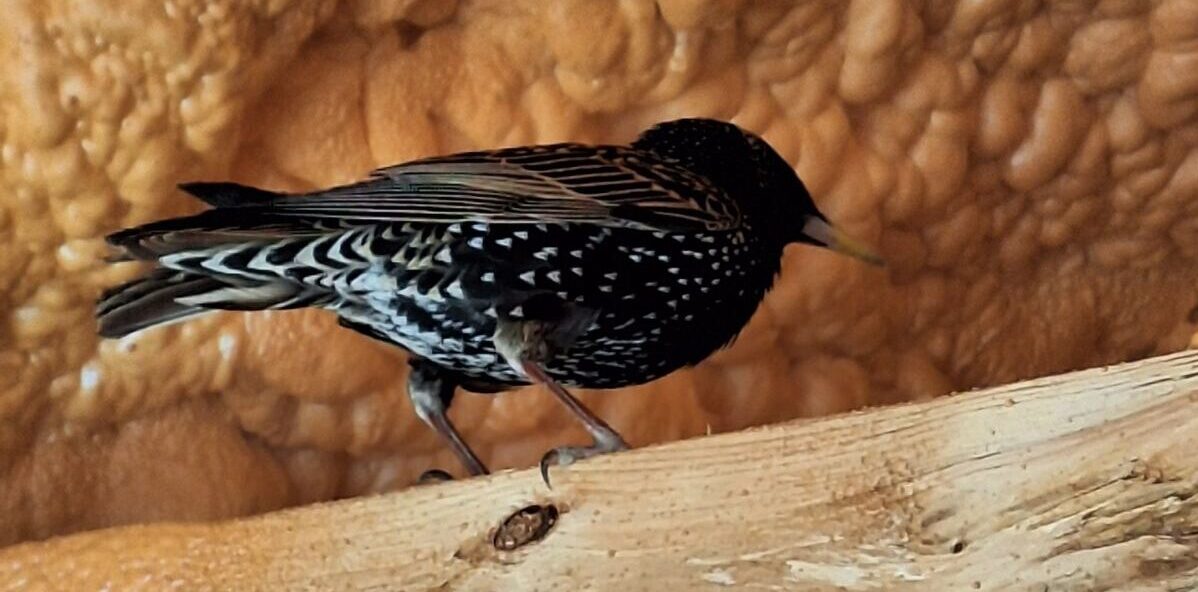
You may hear chirping or fluttering in an unused chimney during spring or summer. These sounds can mean chimney swifts are nesting or resting inside. Pittsburgh homeowners can learn from new swift towers that these birds need tall, dark spaces, but any active chimney must be handled with care.
Tarentum recently approved two purpose-built chimney swift towers. These towers will offer safe places for swifts to nest and gather as suitable masonry chimneys become harder to find. The project also shows why older Pittsburgh homes may attract them.
You should not light a fire, remove a nest, or cap the opening when the chimney is active. At Skedaddle Humane Wildlife Control in Pittsburgh, we know that proper identification and timing protect both your home and these protected birds. In this blog, we explain how long they may stay, which signs point to activity, and when our professional prevention work can safely begin.
How Long Will Birds Stay in the Chimney?
Birds may remain in a chimney for several weeks during nesting season. A larger group may use the space as a nighttime roost until migration begins. The exact timeline depends on the species and how the chimney is being used.
Chimney swifts often arrive in the United States during March or April. They spend the warmer months nesting, raising their young, and gathering in larger groups. Many leave for South America around August or September.
Young swifts must grow strong enough to fly before the nest can be removed. Screening, cleaning, or cap installation must also wait until the site is no longer active. Our professionals should identify the species and confirm that everyone has left before any work begins.
What New Swift Towers Teach Pittsburgh Homeowners
Swift towers copy the tall, closed spaces these birds once found inside large hollow trees. As those natural sites became harder to find, they began using brick and masonry chimneys. The Tarentum project shows how people can support local swifts while also managing concerns around homes.
Here are four lessons Pittsburgh homeowners can take from the new towers:
- Suitable Nesting Spaces Are Disappearing: Modern chimneys often have smooth liners or secure caps that swifts cannot use. Many older masonry chimneys have also been torn down or closed. Purpose-built towers give them another safe place to nest or gather.
- One Structure May Support Many Birds: A nesting pair may use one chimney to raise its young. During migration, a much larger group may gather in one suitable roost. A tall tower can provide the type of space they need without drawing them into an active home chimney.
- Timing Protects Active Nests: A chimney may need to remain open until the nesting cycle or seasonal roost has ended. Closing it too soon could trap swifts or separate adults from their young. Our professional inspection helps determine when prevention work can legally and safely start.
- Protection and Prevention Can Work Together: Swift towers give these birds another place to use. Homeowners can then have inactive chimneys professionally screened or capped. This approach supports local populations while helping prevent another entry into the home.
Why Older Pittsburgh Chimneys Attract Swifts
Chimney swifts do not sit on flat branches or ledges like many other birds. Their feet and stiff tail feathers help them cling to rough upright surfaces. Old brick and mortar give them the texture they need to hold on and build a nest.
Pittsburgh has many older rowhouses, historic homes, and buildings with unused fireplaces. An open masonry chimney may look like a tall, safe shelter. It can offer shade, cover from bad weather, and a protected place to raise young.
New metal liners and secure caps make many modern chimneys less useful to swifts. However, an old chimney that looks closed from the ground may still have an opening near the top. A professional inspection is needed before you assume the space is empty or schedule repairs.
Signs of Nesting or Roosting in a Chimney
Activity inside a chimney may be easier to hear than see. Sounds can travel through the flue and seem very close to your fireplace. Our professionals can determine whether the noise comes from an active nest, a seasonal roost, or another chimney concern.
Common signs include:
- Chirping from Inside the Chimney: Young swifts often make repeated, high-pitched calls. The sounds may become louder when the adults return with food. Chirping can continue for several weeks while the young develop.
- Fluttering or Scratching Sounds: Wings and feet can make soft fluttering or scraping sounds against the chimney walls. You may hear these noises near the fireplace or on an upper floor. The activity may become more noticeable early in the morning or near dusk.
- Repeated Entry Near Dusk: Swifts may circle above a roof before dropping into a chimney. A pair may return often while feeding their young. Larger groups may gather around a shared roost as daylight begins to fade.
- Droppings or Nesting Material: Small twigs, stains, or droppings near the fireplace can point to activity above. These materials should not be touched or cleaned by the homeowner. Our trained team can assess the area and plan professional cleaning when the law and timing allow it.
- Sounds That Last for Weeks: Steady chirping may mean that young are still growing inside. The nest cannot be removed simply because the sounds have become frustrating. Capping the opening at this stage could trap the family inside.
Why an Active Chimney Must Be Left Alone
You should not light a fire if you think birds are using the chimney. Heat, smoke, and flames could harm those inside. Nesting material may also affect airflow or increase the risk of a chimney fire.
An active nest should not be pulled down, moved, or blocked. Chimney swifts are protected under the federal Migratory Bird Treaty Act. Harming the birds or disturbing their active nests, eggs, or young can break federal law.
You may need to wait until the young can fly or the seasonal group has migrated. Waiting protects the birds and gives a professional a safe time to complete the work. Skedaddle can inspect the chimney, identify the species, and explain when the next step can begin.
How Professional Inspection Identifies the Right Next Step
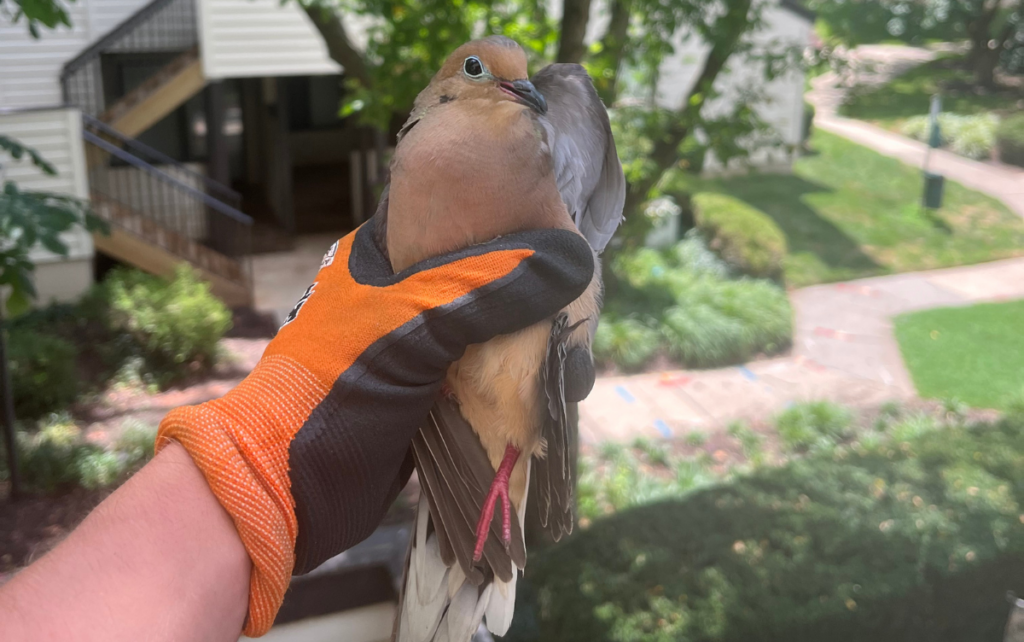
Every chimney situation is different. One may contain a nesting pair, while another may hold a larger seasonal roost. Our professional wildlife team checks the chimney and surrounding roof area before recommending any removal or prevention service.
The inspection may include:
- Species Identification: We study the sounds, entry patterns, nesting signs, and chimney structure. These details can help us identify chimney swifts and rule out other causes. Correct identification tells us which legal protections and timing rules apply.
- Activity Assessment: Our team determines whether the chimney contains an active nest, dependent young, or a seasonal group. We look for signs that adults are still entering and leaving. We do not begin exclusion work while protected activity is active.
- Chimney Condition Review: We check the opening, masonry, liner, existing cap, and nearby roofline. This helps us find how the birds entered and whether damage or missing protection played a role. It may also reveal airflow or repair concerns that require attention.
- Safe Timing Plan: Our findings help us decide when nest removal, cleaning, screening, or cap installation may begin. We plan the work around the species, season, and current stage of activity. This protects the birds while preparing your chimney against another entry.
When Screening or a Chimney Cap Can Be Installed
Screening or a cap should only be installed after a professional confirms that the chimney is inactive. No nest, young, or roosting group can remain inside. Sealing the opening too early may trap them or block adults from reaching their young.
Late summer or fall may offer a better time for prevention work after swifts have migrated. However, dates alone do not prove that a chimney is empty. Our team must inspect the space before any opening is closed.
A properly fitted chimney cap blocks future entry without stopping needed airflow. Loose screens, damaged caps, and poor-fitting materials may leave gaps or create new safety concerns. Skedaddle handles the inspection and installation so you do not need to climb onto the roof or reach inside the chimney.
How Professional Prevention Stops Another Entry
Our professional prevention begins after our team confirms that the chimney is no longer active. We can then remove old nesting material and address contaminated areas when the work is legally allowed. You should never reach into the chimney or clean droppings yourself.
Our team installs professional screening or a secure chimney cap designed for the structure. We also inspect nearby vents, roof gaps, soffits, and other openings. These areas may provide another route into your home even after the chimney has been protected.
The exact removal method depends on the species and situation. When appropriate and legally permitted, we may use one-way doors that allow wildlife to leave but prevent them from getting back inside. Active chimney swift nests are never blocked or excluded before the young have left.
Bird Removal and Prevention with Skedaddle
At Skedaddle Humane Wildlife Control in Pittsburgh, we begin with a full inspection of the chimney and roof area. Our professional wildlife team identifies the species and determines whether the site remains active. We follow federal protections and seasonal timing before any removal work begins.
We do not remove active nests, eggs, or dependent young. Once the site is inactive, our team can remove old nesting material and complete professional cleaning where needed. We handle contaminated materials without asking you to enter the chimney or do any cleanup.
Our team can then install durable screening or a chimney cap to prevent future access. We also secure other openings that may lead indoors. This complete approach protects your home while treating chimney swifts in a safe and humane way.
Frequently Asked Questions
What do chimney swifts sound like?
Chimney swifts make fast, high-pitched chirping or chittering sounds. Young inside a nest may become much louder when the adults return with food. You may also hear soft fluttering as they enter or leave the chimney.
Can a fire be lit when birds are in the chimney?
No, you should not light a fire when birds may be inside. Heat, flames, and smoke can harm them, while nesting material may block airflow. Keep the fireplace unused until a professional confirms that the chimney is empty and safe.
Do chimney swifts return to the same chimney?
Yes, chimney swifts may return to the same nesting site in later years. A chimney that worked well once may remain attractive during the next nesting season. Professional screening or cap installation can prevent their return after the site becomes inactive.
Are chimney swift nests protected?
Yes, chimney swifts are protected under the Migratory Bird Treaty Act. Their active nests, eggs, and young cannot be removed or disturbed without proper legal approval. Professional identification helps make sure the situation is handled at the right time.
Can a chimney be capped during nesting season?
A chimney cannot be capped while an active nest or roost remains inside. A cap could trap birds or prevent adults from reaching their young. Our team must confirm that the space is inactive before completing the installation.
Who should inspect birds in a Pittsburgh chimney?
Our trained wildlife professionals should inspect the chimney and identify the species. Skedaddle can determine whether the site is active and when cleaning or prevention work can begin. Our team also checks the chimney and nearby roof area for entry points.
Give Swifts Space Without Giving Up Your Chimney
Tarentum’s new swift towers show that protection and home prevention can work together. These structures offer safe nesting and roosting spaces as suitable masonry chimneys become harder to find. They also remind Pittsburgh homeowners why active chimneys must be handled with care.
Chirping, fluttering, or repeated flights near your roof may mean chimney swifts are inside. You should not light a fire, remove a nest, clean droppings, or cap the opening yourself. These birds are protected under the Migratory Bird Treaty Act, so correct identification and timing matter.
At Skedaddle Humane Wildlife Control in Pittsburgh, we inspect the chimney, identify the species, and determine whether the site is active. Once the birds have safely left and the work is legally allowed, we can remove old nesting material, clean affected areas, and install professional screening or a secure chimney cap.
You do not need to climb onto your roof or enter the chimney. Our professional wildlife team handles the full process while protecting your home and following the law. Contact us to request an estimate and learn more about preventing another chimney entry.

 Loading...







