When you hear scratching or running noises coming from your attic, or spot a squirrel disappearing into your roofline, your first question might be, “How much will it cost to get the squirrels out of my home?”
It’s a fair question, but there isn’t a one-size-fits-all price for squirrel removal. A homeowner dealing with one squirrel entering through a damaged roof vent may have a very different situation from someone with a mother squirrel and her babies nesting in the attic.
The cost of squirrel removal depends on several factors, including:
- Where the squirrels are entering and how many other vulnerable areas there are on the home
- The size, height and construction of the home
- Whether baby squirrels are present
- The accessibility of entry points and nesting areas
- The amount of exclusion, cleanup or insulation restoration required
These factors can vary considerably from one home to another, which means the only way to provide an accurate quote is to inspect the property and determine what is required to remove the squirrels, address any damage or contamination and prevent them from getting back inside.
The Skedaddle specialist who visits will walk you through their findings and prepare a no-obligation written quote the same day. The quote will include the full cost of the services you select, so there are no unexpected additions or charges later on.
Why a Property Assessment Is the First Step
Hearing squirrels running across your ceiling or spotting one entering your roof can tell you that squirrels are present, but it rarely tells you the full extent of the problem, where they got inside, and how many entry points they have.
Squirrels are excellent climbers and can access elevated areas of a home, including roof vents, soffits and fascia. They often chew their way inside by enlarging existing gaps or openings to create an entry point. A homeowner may notice one squirrel entering through a damaged soffit without realizing there are additional vulnerable areas around the roofline that squirrels could also use to gain access.
Squirrels will establish nests in hidden areas of the attic or wall spaces, damaging insulation and chewing through building materials over the course of their stay. What homeowners see or hear is often only one part of a larger problem.
That is why a property assessment is the first step in determining the cost of squirrel removal. Before providing a quote, one of our trained wildlife specialists needs to inspect the property firsthand and determine where squirrels are entering, the extent of damage, whether babies are present and what work is required to remove them and prevent future entry.
During the property assessment, your wildlife specialist will look for:
- Current entry points and other vulnerable areas around the roofline
- Signs of squirrel activity, including droppings, nesting materials and damage
- Evidence of baby squirrels or established nesting areas
- Damaged insulation, electrical wiring and building materials
- Areas requiring exclusion, repairs, cleanup or insulation restoration
Once the assessment is complete, your specialist can connect the activity you’ve noticed with what is happening throughout the rest of the property. From there, they can explain what they found, what work is recommended and the factors that determine the cost of resolving the squirrel problem.
How Baby Squirrels Can Affect the Removal Process
One factor that can make squirrel removal more complex is the presence of babies.
Squirrels typically have two breeding seasons each year, with babies commonly born in late winter or early spring and again in late summer. During these periods, mother squirrels may enter attics, soffits or other protected areas to raise their young.
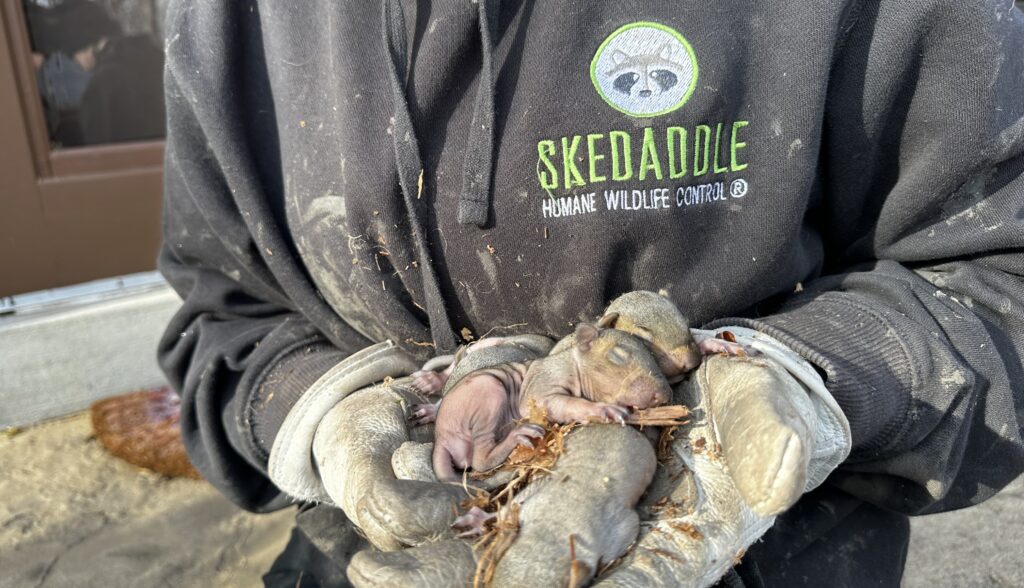
Baby squirrels cannot immediately climb out of the attic or follow their mother. If an entry point is sealed without first checking for babies, the young may become trapped inside while the mother attempts to chew her way back into the home. This is why checking for babies is an important part of our removal process.
When babies are present, locating them requires experience, patience and a thorough understanding of squirrel nesting behaviour. Our technicians carefully inspect attics, rooflines and other nesting areas to determine where the babies are hidden, which can involve accessing tight, difficult-to-reach spaces. Once located, the babies are carefully removed by hand when safely accessible and placed in a heated reunion box near the entry point, giving the mother an opportunity to retrieve and relocate them to another den.
The amount of work required can depend on:
- Whether the nesting area can be safely accessed
- Whether the babies can move independently or still need to be removed by hand
- Whether sections of the structure need to be opened to reach the young
- The equipment and number of technicians required
These factors can affect the time and labour involved in completing the removal safely and humanely.
Skedaddle does not charge squirrel removal by the number of visits required. Your quote includes the agreed-upon removal work, even if completing the process requires additional visits.
Squirrel Exclusion Is a Key Part of the Cost
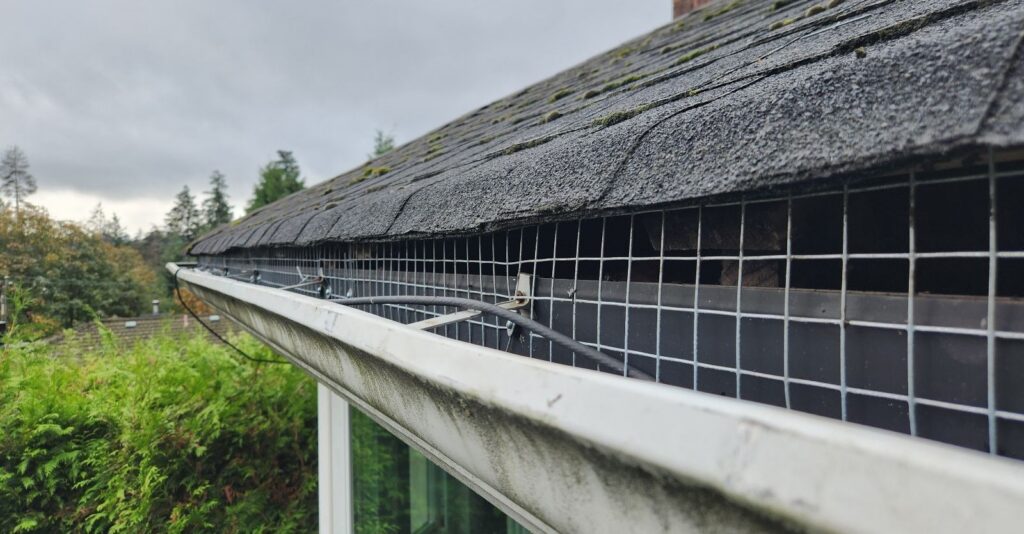
Removing squirrels from a home is only part of solving the problem. Squirrels often return to familiar nesting locations, especially where they have previously raised young. Even after those squirrels have been removed, others in the area may use the same openings to get inside. As long as those openings remain accessible, your home remains vulnerable.
A home may have one obvious entry point that squirrels are actively using, but there could be several other vulnerable areas around the roofline. For example, squirrels may have chewed through one roof vent to get inside, while several other vents on the roof remain unprotected and vulnerable to future entry. Identifying both the current entry points and other vulnerable areas helps determine how much exclusion work is needed to protect the home.
The amount of exclusion work required can depend on:
- How many active entry points and additional vulnerable areas are found
- Where those openings are located and how easily they can be accessed
- The size, height, construction and condition of the home
- The extent of damage to roof vents, soffits and other materials
A larger home naturally has more exterior surface area to inspect and potentially protect. Homes with multiple roof levels, dormers, attached garages or complex rooflines may also have more areas where squirrels can find their way inside. Exposed wood features, such as soffits, fascia and trim, can also deteriorate or rot over time, creating vulnerable areas that squirrels may chew through to gain entry.
Access can affect the work as well. Some openings may be accessible from a ladder, while others are located along steep rooflines, high peaks or difficult-to-reach sections of the home. The equipment, time and number of technicians required to safely complete the exclusion work can therefore affect the overall price.
Most homeowners have never dealt with squirrels entering their home and aren’t sure which areas need protection. Our specialists use their knowledge and experience to help you understand where your home is vulnerable and prioritize the recommended exclusion work.
During the assessment, your specialist will identify the entry points squirrels are currently using, explain which other areas present the greatest risk of future entry and recommend where additional protection would be most valuable. Using photos or videos, they will show you what they found and explain why particular areas deserve attention.
Some work is essential to resolve the current squirrel problem, while other measures help reduce the risk of future entry. Your specialist will explain those distinctions, including the risks of leaving particular areas unprotected, so you can decide what to address now and what you may choose to defer.
All areas of your home where Skedaddle completes exclusion work are backed by our lifetime guarantee, which covers our workmanship and materials. If squirrels gain access through an area we’ve protected, we’ll return to correct the issue at no additional charge.
The amount of exclusion work included will affect the overall price. Our goal is to help you put your budget toward the areas that matter most, with a clear understanding of the protection provided and any vulnerabilities that remain.
The Extent of Damage and Contamination Affects the Cost
Squirrels can cause damage and leave contamination in areas of a home that are difficult to see. They may pull apart attic insulation to create nests, leave urine and droppings, chew through building materials and gnaw on electrical wiring.
How widespread that activity has become can have a significant impact on the amount of cleanup required.
During the property assessment, our specialists look for nesting areas, damaged insulation, droppings, urine and other signs of activity. This helps us determine how many areas of the home have been affected and whether contamination is isolated or extends throughout the attic.
The amount of cleanup required can vary considerably from one squirrel problem to another. One of the biggest factors is how long squirrels have been living inside the home. A squirrel problem discovered early may require minimal cleanup, while squirrels that have occupied a home for months or even years can leave behind more extensive damage and contamination.
Cleanup costs can be affected by:
- The amount of droppings, urine and nesting material present
- How many areas of the home have been affected
- Whether insulation or other materials have been contaminated or damaged
- Whether spot cleaning is sufficient or more extensive restoration is required
Electrical wiring is an important concern because squirrels may gnaw on wires, creating a potential fire hazard. If we identify damaged wiring, we document where it was found so that it can be addressed by a licensed electrician.
If squirrel activity is concentrated in a small, accessible area, targeted spot cleaning may be sufficient. In other situations, squirrels may have occupied the attic for an extended period, leaving widespread contamination and damaged insulation.
When contamination is extensive or insulation has been significantly affected, more thorough cleaning and attic restoration may be recommended.
Expert Guidance for Protecting Your Home
We understand that dealing with squirrels is not something most homeowners experience every day, but for our team, it’s what we’ve been doing for over 30 years. We know where to look for squirrel entry points, which areas of a home are most vulnerable and what exclusion methods work best for different homes. Our job is to use that experience to guide you through your options and help you make an informed decision.
You’ll receive a written quote the same day as your property assessment, covering everything included in your selected services, with no unexpected charges later.
Once you’ve made your decision, our technicians will complete the agreed-upon work to help protect your home from future squirrel problems.
Ready to take the next steps? Contact us today to book your property assessment.

 Loading...