One of the first questions we hear from homeowners is, “How much will it cost to remove the wildlife from my home?”
It’s a fair question, and we understand why people want an answer right away. Unfortunately, there isn’t a one-size-fits-all price for wildlife removal, because no two wildlife situations are exactly alike.
The cost of wildlife removal depends on several factors, including:
- The species involved
- The number and location of entry points
- The size and construction of the home
- The extent of damage or contamination
- The presence of babies
- The number of technicians, safety considerations and expected visits required
- The level of exclusion and cleanup necessary
Understanding each of these factors starts with seeing the property firsthand.
Why a Property Assessment Is the First Step
The best way to understand why an inspection is necessary is to compare it to taking your vehicle to a mechanic. If you called and said your car was making a strange noise, the mechanic couldn’t accurately tell you what it would cost to fix it over the phone. They would need to inspect the vehicle, identify the source of the problem, and determine what repairs are needed before providing a quote.
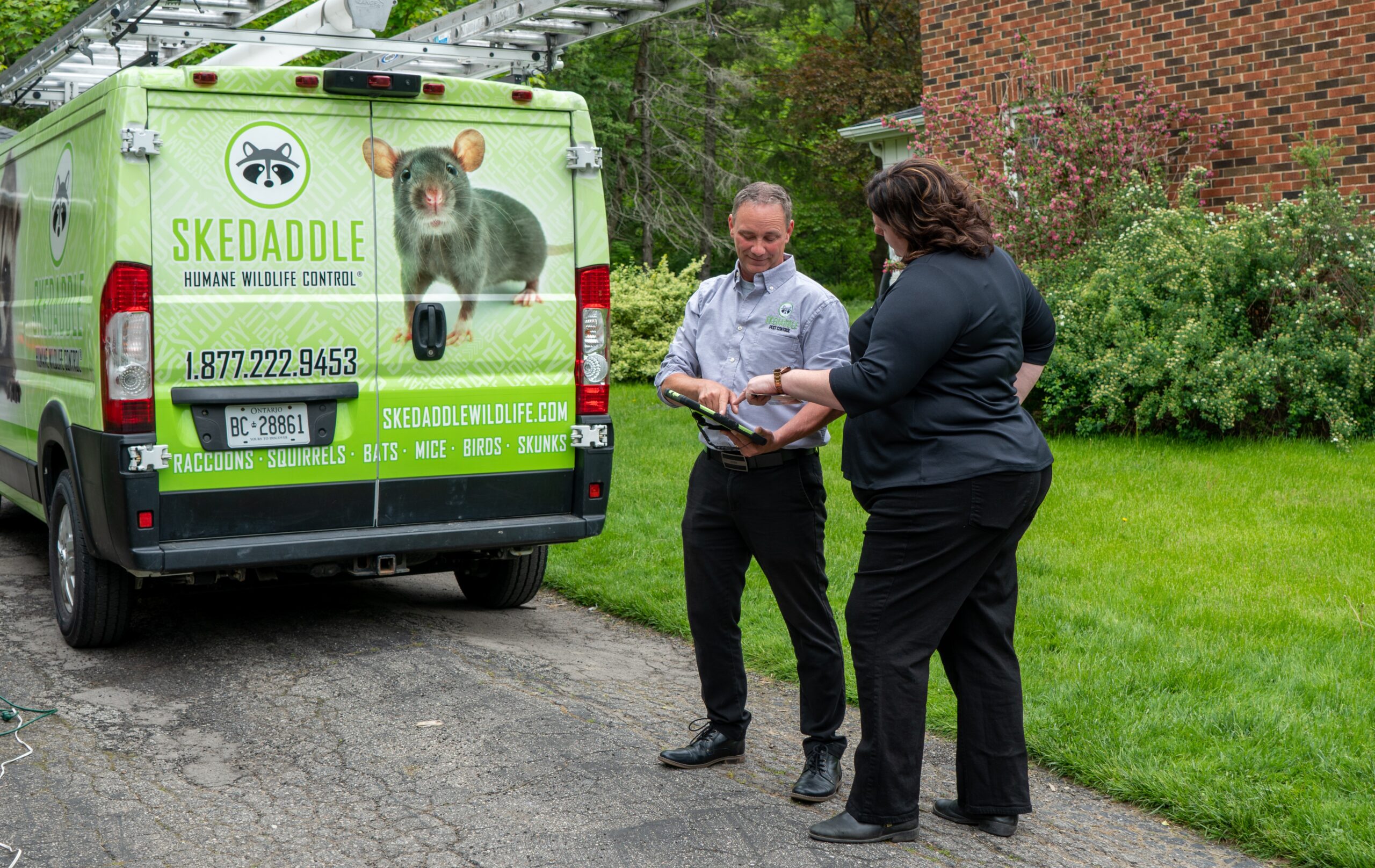
Wildlife removal works the same way. Before we can provide an accurate quote, one of our wildlife specialists needs to complete a thorough inspection of your property.
You may know what animal you’ve seen, but not how it’s getting inside, whether there are multiple entry points, whether babies are present, how much damage or contamination has occurred, or what will be required to prevent wildlife from getting back in. An at-home inspection allows our specialists to answer those questions before recommending a solution.
“I remember going to a home where the homeowners had been hearing scratching in one area of the ceiling. They thought a squirrel had just found a small way into the roof, but once I got into the attic, I could see the activity went much further than they realized,” says Brandon Crawford, a wildlife specialist with Skedaddle with over 20 years of experience.
In that case, Brandon discovered multiple areas being used by a raccoon, along with damage the homeowners had no way of seeing from inside their living space. He took photos during the inspection and reviewed them with the homeowners afterward so they could see exactly what he had found.
That is why seeing the property firsthand is so important. Much of the evidence of wildlife activity can be hidden on roofs, in attics, walls and other areas homeowners can’t easily access or see. A property assessment allows our specialists to look beyond the signs a homeowner may have noticed and determine what is actually happening throughout the home.
During the property assessment, your wildlife specialist will look for:
- Where wildlife is currently getting into the home
- Other vulnerable areas that wildlife could use in the future
- Signs of babies or nesting activity
- Damage caused by wildlife
- The work required to remove the animals and protect the home
Once the inspection is complete, your specialist has the information needed to explain what work is required and what factors will affect the price.
The Species and Removal Process Affect the Cost
The first part of the service is determining how the wildlife can be safely and humanely removed from the home. The species involved is an important factor because different animals require different removal strategies.
A raccoon living in an attic, for example, requires a different approach than a colony of bats or mice moving through different areas of the home. Where the animals are located, how they are entering and how they are using the space all help our specialists determine what will be required to remove them.
The presence of babies is another important consideration. During baby season, our technicians use humane removal techniques to safely reunite babies with their mother before the home can be permanently secured. This requires additional planning and time and may require our technicians to return to the property as the removal progresses.
The home itself can also affect how long the removal takes. Larger homes may have more areas that need to be accessed, while taller, multi-storey homes may require more time to safely reach different parts of the property. Steep or complex rooflines can also affect how our technicians complete the work.
Homeowners are not charged per visit. Wildlife can be unpredictable, and while we anticipate the work that will be required when providing your quote, the removal process may sometimes take longer or require more visits than expected. That’s why we provide an all-in price for the services you’ve selected. If the wildlife behaves differently than anticipated or additional visits are needed to complete the removal, you won’t be charged extra. No matter how the situation progresses, we’ll stay with you through the process and see the removal through to the end for the price you agreed to.
The Extent of the Damage Determines the Cleanup
Once we understand what is required to remove the wildlife, we also need to determine what cleanup may be necessary. Wildlife can cause significant damage to a home, especially if they have moved through multiple areas or have been inside for a long time.
The cleanup required can range from addressing a small, affected area to more extensive cleaning and restoration. We’ll assess the affected areas, explain what cleanup we recommend and identify any options for prioritizing the work.
Cleanup costs can be affected by:
- How much of the space has been contaminated
- How long wildlife have occupied the space
- The amount of feces and nesting material present
- Whether insulation has been damaged or contaminated
- Whether spot cleaning is sufficient or more extensive restoration is required
For example, if raccoons have been living in an attic for a considerable amount of time, they are more likely to have caused more widespread damage and contamination. In that case, we may recommend our attic restoration services to adequately clean the mess and get insulation levels back to where they need to be.
However, a full attic restoration isn’t always necessary. If the raccoon activity and contamination are limited to a smaller area of the attic, we may be able to spot clean the affected areas instead, removing contaminated materials and addressing the mess without restoring the entire attic.
The price of the cleanup will depend on the amount of damage, which is why specialists need to inspect the affected areas before creating a quote. The same is true for squirrels, mice, bats, birds and skunks.
The Amount of Exclusion Work Affects the Cost
The final part of the process is protecting the home from future wildlife entry. Once we understand how the animals are getting inside, our specialist can identify the areas that need to be repaired, screened or otherwise protected.
Different species enter homes in different ways. Raccoons may tear open a roof vent or soffit, while mice can squeeze through small gaps around the foundation, siding or roofline. Each situation requires different exclusion techniques, strategies and materials.
The size and construction of the home also play an important role. A larger home may have significantly more roofline, soffits, vents and other potential entry points that need to be protected. Taller homes or properties with complex rooflines can also require additional time, materials and technicians to safely complete the exclusion work.
To keep wildlife out, our technicians need to be able to safely access the same areas wildlife can reach. This can mean climbing ladders, working at significant heights or navigating steep and complex rooflines. Weather conditions, including snow and ice during the winter, can also make these areas more difficult to safely access. The equipment, time and number of technicians required to complete the work safely can therefore affect the overall cost.
The amount of exclusion work required can depend on:
- How many current entry points are found
- How many additional vulnerable areas need protection
- The materials required to secure those areas
- How safely and easily those areas can be accessed
- Whether the height, roofline or weather conditions require additional equipment, time or technicians
- Whether the homeowner chooses targeted protection or a full-home exclusion
Our recommendation to homeowners is always a full-home exclusion, where we seal and screen all current and potential wildlife entry points around the home. Our experience has taught us that wildlife is opportunistic, and if only the current entry point is secured, animals may simply find another way inside.
Removing one animal doesn’t eliminate the possibility of another finding its way inside at some point in the future, urban wildlife is a part of the communities we call home. A full-home exclusion helps protect your entire home, so an animal removed today isn’t simply replaced by another tomorrow.
We understand that wildlife removal is often an unexpected expense and that homeowners may have different priorities when deciding how extensively to protect their property. We can also provide exclusion services that target only the areas where wildlife is currently entering, rather than the entire home. While this option may solve the immediate problem, it doesn’t protect the rest of the home from future wildlife activity. Without a full exclusion, other areas of the home may remain accessible, giving wildlife another opportunity to get back inside.
Every job we do is backed by a lifetime guarantee, which covers all of our workmanship and materials. Whether it is full roof exclusion or a single vent that was protected. If wildlife gains access through one of the protected areas, we’ll return and correct the issue at no additional charge
We Give You Options
There isn’t always one solution that works for every homeowner. The amount of protection you choose can depend on your home and your priorities, which is why we can provide different service options rather than taking a one-size-fits-all approach.
For more than 30 years, we’ve been removing wildlife from homes of every age, size and construction style. We’ve seen your style of home before, and we know where to look. Our experience helps us identify the vulnerable areas wildlife are likely to use, recognize potential entry points that may not be obvious to a homeowner, and determine how those areas should be protected.
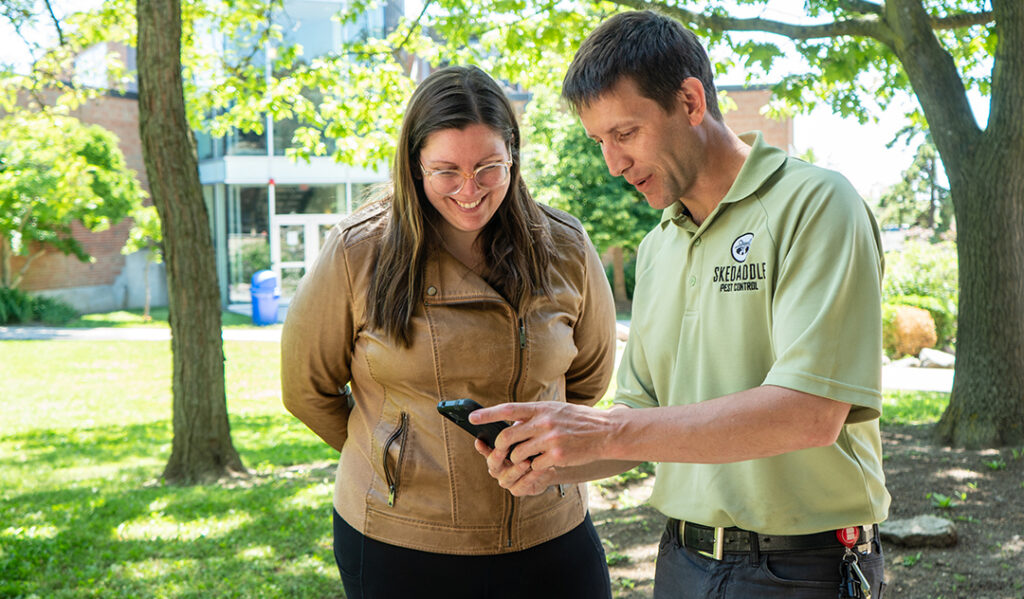
“I walk homeowners through everything I find during the inspection. Then we sit down and review the different options, what each one will protect and the risks that come with each approach. I’ll always explain what I recommend and why, but the homeowner decides how they want to proceed. Because wildlife removal is rarely a planned expense, we take the time to explain the purpose, cost and level of protection associated with each option,” says Brandon Crawford.
Your specialist will explain:
- What was found during the inspection
- What work they recommend and why
- The service options available
- What is included with each option
- The price of each option
- Which parts of your home each option will protect
Once you’ve chosen the option that works best for you, we’ll schedule the work. Our team will follow the removal plan established during the property assessment, safely remove the wildlife, complete any cleanup services you’ve selected and complete the exclusion work.
Ready to find out what your home needs? Contact us today to book your property assessment and learn more about your options, pricing and next steps.

 Loading...