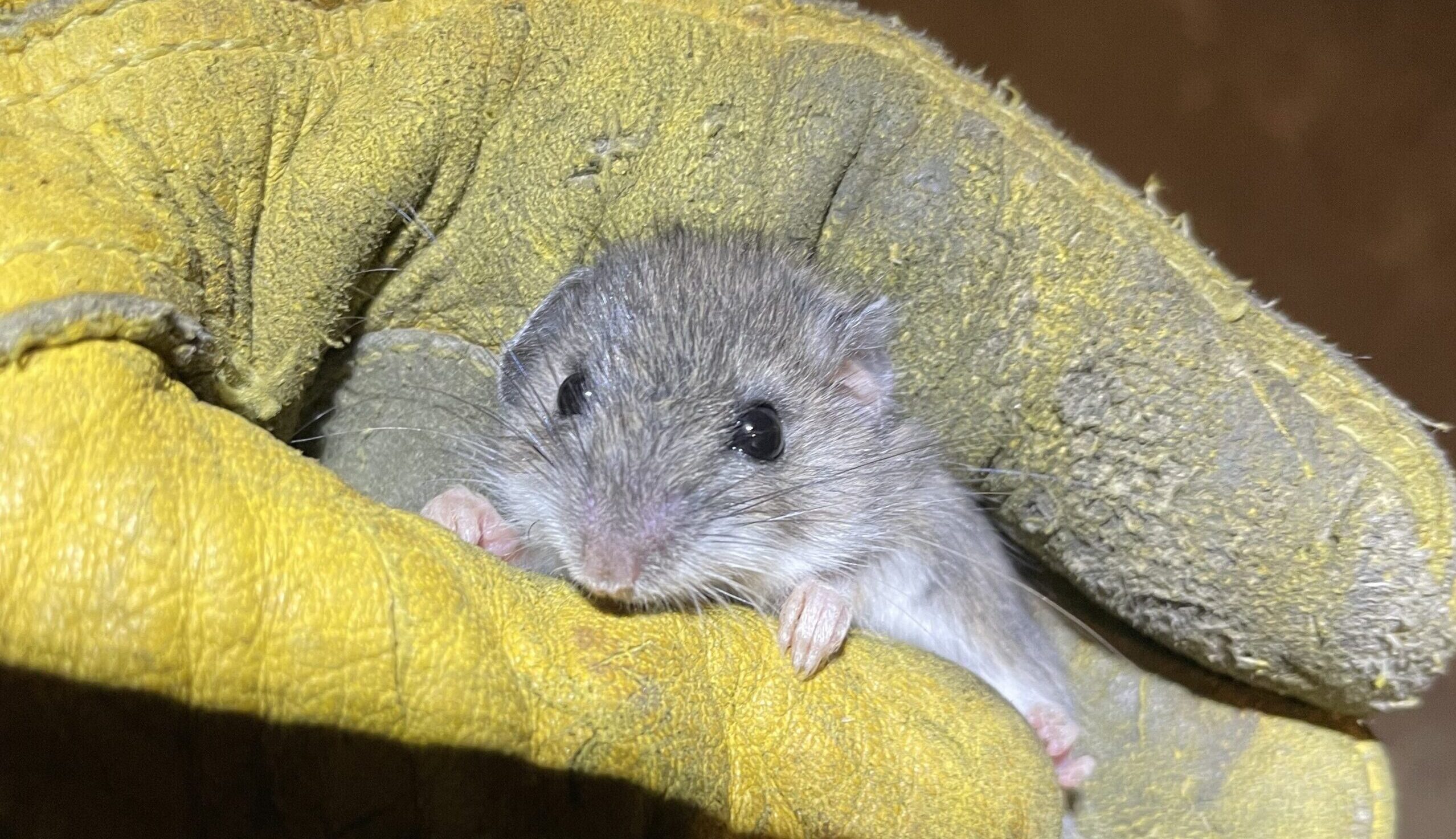
You should have your Andover home inspected for mice in September because cooler nights can push them indoors. These animals begin looking for warmth, food, water, and safe places to nest before winter. Small openings around your foundation, garage, vents, utilities, siding, and roofline may give them a direct path inside.
You may not notice the first entry because they often move behind walls or above ceilings. By the time scratching, droppings, or damage appears, more than one area may be affected. Our professional mouse-proofing in September can address these problems before cold weather makes your home even more attractive.
At Skedaddle Humane Wildlife Control in Andover, we complete the inspection, removal, sanitation, and exclusion work for you. You should not touch droppings, enter contaminated spaces, place poison, or close openings without knowing what remains inside. In this blog, we explain why September matters, where mice enter, which warning signs to watch for, and how our professional prevention protects your home.
Do Mice Carry Disease?
Yes, mice can carry diseases and contaminate a home with urine, droppings, saliva, and nesting materials. According to the Centers for Disease Control and Prevention, germs can spread through contact with rodent waste or by breathing contaminated air. You cannot tell whether one carries a disease by looking at it.
Food packages, counters, cabinets, and stored belongings may become contaminated. Dried waste and nesting material can also release particles when disturbed. You should not sweep, vacuum, or touch droppings.
Our professional sanitation helps limit contact with these materials. Our trained team assesses the affected areas and removes contamination with proper equipment. We handle the work without asking you to enter the space.
Why September Is an Important Time for Mouse-Proofing
September brings cooler nights and changes in outdoor food supplies. These conditions can make Andover homes more attractive before winter begins. Professional inspection during this month can find weak areas before activity spreads indoors.
Several seasonal changes make September important:
- Temperatures Begin to Fall: Cooler air can push mice to search for steady warmth. Basements, attics, walls, and garages offer shelter from changing weather. An unused summer opening may become an active fall entrance.
- Outdoor Food Becomes Less Reliable: Natural food sources change as summer ends. These animals may move closer to homes, garages, and storage areas. Food smells can draw them toward nearby building gaps.
- Food-Hoarding Behavior Increases: Mice may carry food into walls, cabinets, and attics before winter. These hidden stores can support them after they settle indoors. Our team can look for signs of travel and nesting activity.
- Fast Breeding Can Expand the Problem: Warmth, shelter, and food create good breeding conditions. A small September problem can grow during fall and winter. Early professional service helps address it before it spreads.
- There is Time Before Winter: September provides a useful window for inspection and exclusion. Our team can locate entry points before colder weather increases pressure on the home. This gives the property stronger protection for the months ahead.
Small Openings Used to Enter Andover Homes
Mice can enter through very small building gaps. Many of these openings sit behind materials or in places that are hard to see from the ground. Our professional wildlife team checks the full exterior instead of focusing only on the room where activity appeared.
Common access points include:
- Foundation Gaps: Cracks and spaces where building materials meet may lead into a basement or wall. Moisture, age, and seasonal movement can make these areas worse. We inspect the full foundation for active and possible entry points.
- Garage-Door Seals: A worn or uneven seal may leave space beneath the door. Once inside the garage, mice can move into storage rooms or walls. We check the edges and lower corners for hidden access.
- Utility Openings: Pipes, cables, wires, and gas lines pass through exterior walls. Small spaces around them may lead indoors. These routes can connect several parts of the home.
- Vents and Exterior Covers: Damaged covers or loose screens may leave an opening. A vent can look secure from below while having gaps around its edges. Our technicians inspect these areas without asking you to climb or remove anything.
- Siding and Roofline Gaps: Spaces may form near soffits, fascia, trim, or the point where siding meets the roof. These animals can climb to upper openings. From there, they may enter an attic and move through the home.
Signs Mice May Already Be Inside
Mice usually remain hidden while moving through a building. You may find waste or damage before seeing one. Any possible contamination should be left for our professionals to inspect and clean.
Common warning signs include:
- Droppings: Small, dark droppings may appear in cabinets, garages, basements, or storage rooms. A small amount can still point to hidden activity. You should not touch or clean the waste yourself.
- Scratching Sounds: You may hear scratching, chewing, or quick movement inside walls and ceilings. The sounds can be easier to notice at night. Our professional inspection can help locate the source.
- Chewed Materials: Mice may damage food packages, insulation, drywall, wood, and wires. Damaged electrical wiring may increase the risk of equipment failure or fire. Our team checks for visible and hidden damage.
- Nesting Materials: Shredded paper, fabric, and insulation may be gathered into a nest. These nests often sit behind appliances, inside boxes, or within walls. They may contain urine, droppings, and other contamination.
- Odors and Stains: A musky smell may develop where activity continues. Dark rub marks or urine stains can appear along travel routes. Our inspection helps show where the signs begin and how far they extend.
Why Removing One Does Not Close the Entry Point
Removing one visible mouse does not explain how it entered. Others may remain behind walls, above ceilings, or inside storage areas. The building opening that allowed access may also remain exposed.
Foundation cracks, worn seals, and utility gaps can allow new rodents to enter. A result that looks successful may only last until another one uses the same route. The full home must be assessed to find the source.
Poison does not repair the building or seal an opening. It may also leave dead mice inside walls, creating odor and contamination concerns. A complete professional plan addresses removal, waste, damage, and access points together.
Health and Property Risks Inside the Home
Mice may spread germs through urine, droppings, saliva, and nesting materials. Food, counters, cabinets, and stored belongings can also become contaminated. Waste may create added concerns when someone disturbs it.
These animals may chew insulation, drywall, packages, and personal items. They can also damage electrical wires hidden behind walls. The problem may grow for weeks before you see the full damage.
You should not move nests or enter heavily contaminated spaces. Our professional team has the equipment and training to handle these materials. Proper removal and sanitation protect both the home and the people living there.
How Professional Inspection Finds the Full Problem
Our team inspects the inside and outside of your Andover home. We check the foundation, garage door, utility lines, vents, siding, roofline, attic, and basement. This broad inspection helps us find openings that may be far from the first sighting.
Droppings, grease marks, odors, chewing damage, and nesting material can reveal travel routes. The place where you saw a mouse may not contain the nest or main entrance. Our technicians follow the evidence through the property.
The findings show how far the activity has spread. They also help us identify areas that need our professional sanitation or repairs. We then create a removal and exclusion plan for your home.
How Exclusion Helps Prevent a Winter Infestation
Exclusion is the professional process of securing the openings mice use. Our team addresses foundation gaps, utility spaces, damaged vents, worn seals, and roofline openings. We use materials designed to resist chewing and changing weather.
Removal may not provide lasting protection when the building remains open. New mice can use the same gaps after the first group is gone. Closing all access points helps break this cycle.
Sanitation also removes contaminated waste and nesting materials. Removal clears the current activity, while exclusion helps stop another entry. These services work together to provide longer-lasting protection.
Mouse Removal and Prevention with Skedaddle
At Skedaddle Humane Wildlife Control in Andover, we begin with a detailed inspection. Our professional wildlife team traces travel routes, finds nesting areas, locates entry points, and assesses contamination. We use these findings to create a plan for the full home.
We use humane removal methods that fit the property and situation. When appropriate, our one-way doors allow wildlife to leave but prevent them from returning. We confirm that the space is clear before securing vulnerable areas.
Our team also removes contaminated materials and completes professional sanitation where needed. We seal entry points with durable exclusion materials. You do not have to enter hidden spaces, handle waste, or complete the repairs yourself.
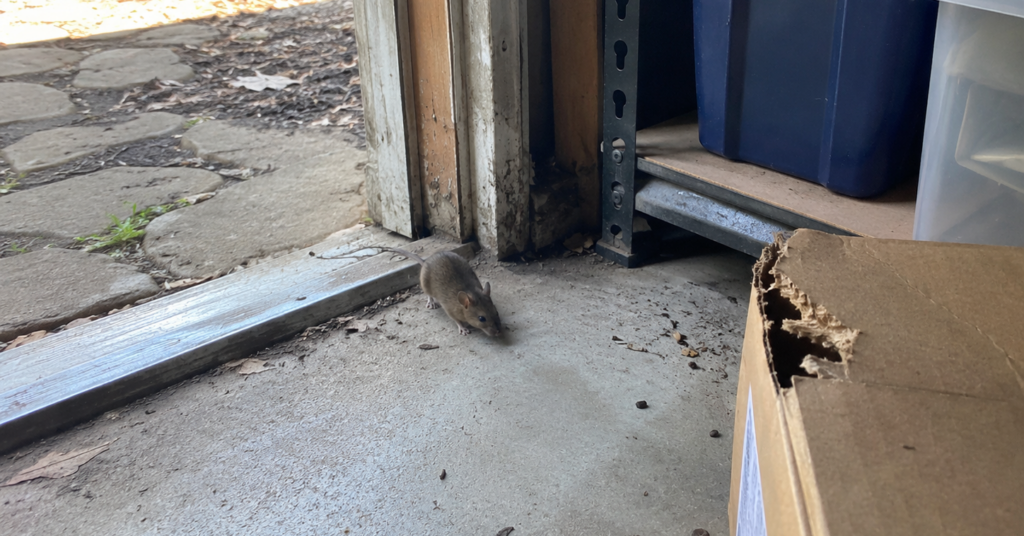
Mice Problems in Andover
Andover’s cooler fall nights and cold winters can push mice toward warm homes. Older properties, attached garages, basements, attics, and additions may contain small gaps that developed over time. September is an important month for professional inspection before colder weather arrives.
These animals may enter through foundation cracks, worn garage seals, utility openings, vents, and roofline gaps. Activity can begin in one hidden space before spreading through walls and ceilings. You may hear scratching or find droppings without knowing where the main entrance is.
Removing one visible mouse does not address open access points, hidden nests, or contamination. A full assessment must consider the entire property. Our team finds the source, handles removal and sanitation, and secures vulnerable areas against another infestation.
Frequently Asked Questions
Why do mice enter homes in September?
Cooler nights and changing food supplies can push mice toward warm buildings. Homes offer steady shelter, nesting spaces, and access to food. September activity may continue all winter when entry points remain open.
How small of a gap can a mouse enter?
Mice can squeeze through very small building openings. Gaps around foundations, doors, pipes, vents, siding, and roof edges may provide access. Our professional inspection can locate openings that are difficult to see.
Do mice stay active during winter?
Yes, mice remain active during winter and do not hibernate. A warm home can provide everything they need to survive. They may also continue breeding while hidden indoors.
What do mice in walls sound like?
They may create scratching, chewing, squeaking, or quick movement sounds. These noises can be easier to hear at night when the home is quiet. Our team can inspect the building and help locate the source.
Will removing one mouse solve the problem?
No, removing one mouse may not solve the full problem. Others may remain hidden, and the original entry point may still be open. Our professional removal must be combined with inspection and exclusion.
Who should inspect an Andover home for mice?
A trained wildlife professional should inspect the complete property. Skedaddle can locate activity, assess contamination, complete humane removal, and secure entry points. We handle the work without asking you to enter affected spaces.
Stop a September Entry Before Winter Arrives
September is an important time to have your Andover home inspected and mouse-proofed. Cooler temperatures, changing food supplies, hoarding behavior, fast breeding, and tiny gaps can all lead to indoor activity. A single sighting may point to a much larger hidden problem.
Droppings, urine, nesting materials, damaged insulation, and chewed wires can create health and property concerns. You should not touch waste, enter contaminated spaces, place poison, or seal openings yourself. Our professional service addresses both the current activity and the building gaps that allowed it to begin.
At Skedaddle Humane Wildlife Control in Andover, our professional wildlife team handles inspection, humane removal, sanitation, and exclusion. We look beyond the first visible sign to find travel routes, nests, contamination, and entry points throughout the home.
Our team then cleans affected spaces and secures vulnerable areas with durable materials. This complete process helps prevent another entry as temperatures continue to fall. Contact us to request an estimate and learn more about protecting your Andover home before winter.

 Loading...