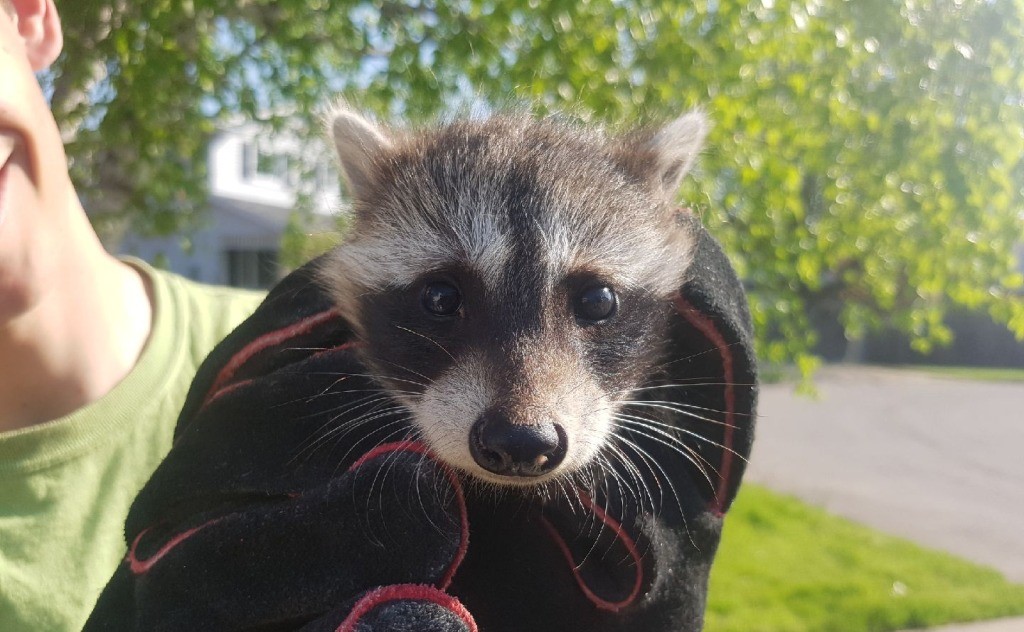
When homeowners discover raccoons in the attic or squirrels in the walls, their first priority is usually getting the animals out.
For many, trapping and relocating the animal seems like the obvious solution. Once the animal has been captured and released somewhere else, the problem is solved, right?
Unfortunately, it’s not always that simple.
Trapping and relocation may remove the animal currently causing the problem, but they don’t address how it got inside in the first place. The same entry points remain accessible, allowing other wildlife to move in.
At Skedaddle Humane Wildlife Control, we take a different approach. By combining humane wildlife removal with professional exclusion work, we focus on more than getting animals out. We help prevent them from getting back inside.
Understanding the difference between these approaches can help homeowners choose a solution that provides lasting protection rather than temporary relief.
Why Trapping and Relocation Are Often Temporary Solutions
Traditional wildlife trapping and relocation involves capturing an animal, often using a baited cage, and transporting it to another location for release, where permitted by law.
If a homeowner has a raccoon living in their attic, trapping and relocating that raccoon may seem like a successful outcome. The animal has been captured and is no longer inside the home.
However, trapping and relocation don’t address the reason the raccoon was able to get inside in the first place.If the raccoon entered through a damaged roof vent, that opening is still there. If a squirrel chewed through a soffit, the damaged area remains accessible.
Another animal can discover the same opening and move into the space the first animal left behind. Or the animal that was relocated could find their way back to the den site. Unless the entry points are properly secured, trapping and relocation may only provide temporary relief from the wildlife problem.
Relocation can also create additional problems for wildlife. Moving an animal away from its familiar territory can make it more difficult to find food, shelter and safe nesting locations. Depending on the species, season and circumstances, relocation can also separate mothers from their dependent young. This is why trapping and relocation can often lead to the death of wildlife, and is considered an inhumane removal method.
Wildlife trapping and relocation is heavily restricted or illegal past short distances in most Canadian provinces and several states across the border. Relocating wildlife outside of prohibited areas or further than the legal distance can lead to legal and financial repercussions. The best way to avoid harming wildlife and breaking relocation laws is to avoid the practice all together.
Relocating One Animal Doesn’t Prevent Another From Moving In
Even when an animal has been successfully trapped and relocated, the same problem can occur if no steps are taken to prevent re-entry.
Raccoons, squirrels and other wildlife are constantly searching for safe places to shelter, nest and raise their young. Attics, wall cavities and other areas inside residential properties can provide exactly what they’re looking for.
Once an animal discovers a suitable nesting location, that space may remain attractive to wildlife long after the original animal has been removed. Animals leave behind pheromones as well, which will attract various species of wildlife to the home long after the animal has left.
The other issue with not addressing the entry points, and simply focusing on the removal, is that your neighbourhood will always be full of wildlife. This means that there will always be animals in your area looking for a perfect place to nest. This could lead to a constant battle continually removing the animals from your home year after year.
Trapping and relocation remove the current animal from the property. They don’t remove the opportunity for another animal to move in.
The Difference Between a Temporary Fix and Long-Term Protection
Consider two homeowners dealing with raccoons in their attics.
| Trapping and relocation | Humane removal and exclusion |
| Captures and transports the current animal to another location | Humanely removes wildlife while allowing it to remain in its familiar surroundings |
| May leave damaged roof vents or soffits open | Identifies and secures entry points |
| Other wildlife may use the same openings | Reduces opportunities for wildlife to re-enter |
| May require additional trapping if animals move in again | Provides a longer-term approach to protecting the home |
| Can disrupt an animal’s territory or separate dependent young | Uses species-specific removal methods that account for the presence of babies |
Both approaches may remove the immediate animal, but they don’t provide the same level of protection.
A homeowner who only traps and relocates the raccoon may find themselves dealing with another animal entering through the same damaged roof vent.A homeowner who combines humane removal with exclusion addresses both the immediate wildlife activity and the opening that made it possible.
This is particularly important because repeated wildlife activity can lead to additional property damage, contaminated insulation and more extensive cleanup requirements.
While no home can be made completely wildlife-proof, professional exclusion significantly reduces the opportunities animals have to get inside.
How Skedaddle Helps Homeowners Protect Their Properties
At Skedaddle Humane Wildlife Control, we understand that homeowners want more than a temporary solution. They want to know that once wildlife has been removed, steps have been taken to prevent the same problem from happening again.
That’s why our process begins with a thorough property assessment.
Our wildlife specialists inspect the exterior of the home, identify active entry points and evaluate other areas that may be vulnerable to wildlife activity.
We also look for signs of nesting, damage and contamination that may need to be addressed.
Following the assessment, your specialist will explain the recommended removal and exclusion work, walk you through the available options and provide a written quote outlining the services included.
Skedaddle offers a lifetime guarantee of our exclusion work and our materials, providing additional peace of mind for homeowners. If there are any wildlife issues at the entry points we have protected, we will return to repair them free of charge.
Our approach is designed to help homeowners avoid the frustration of repeatedly dealing with wildlife entering through the same vulnerable areas.
Don’t Just Relocate Wildlife. Keep It Out.
When wildlife gets into your home, removing the animal is an important first step. But if the entry points remain open, the problem may only be temporarily resolved.
Trapping and relocation focus on capturing and moving the animals currently inside. Humane removal combined with professional exclusion focuses on both the immediate problem and preventing future entry.
At Skedaddle Humane Wildlife Control, we believe long-term wildlife control means addressing how animals are getting inside, not simply relocating them once they’re there.
If you’re hearing scratching in your attic, noticing damaged roof vents or dealing with wildlife that keeps returning, our team can help.
Contact Skedaddle Humane Wildlife Control today to schedule a property assessment and learn how our humane removal and exclusion services can help protect your home for the long term.

 Loading...








