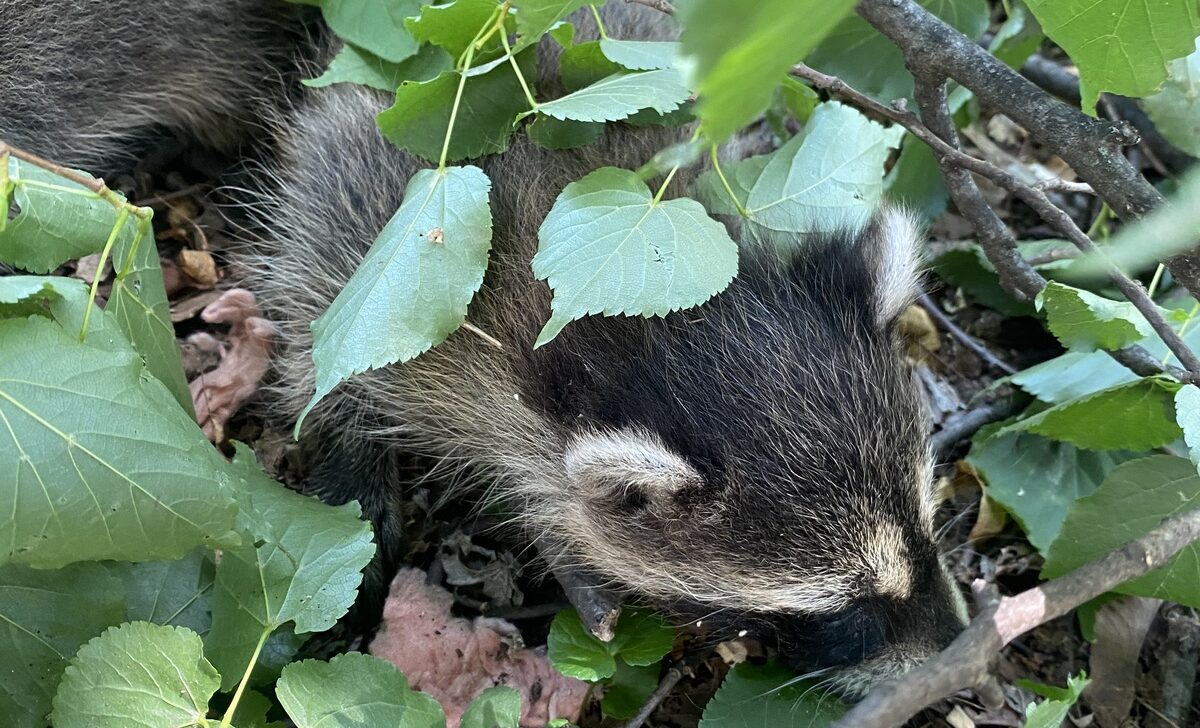
When temperatures drop in Upper Arlington, you may notice fewer raccoons crossing the yard or exploring garbage containers. Does that mean they have settled into hibernation until spring? Not quite. Raccoons remain part of the winter landscape, even when their activity becomes less visible.
Raccoons do not truly hibernate. They may spend extended periods resting in sheltered dens during severe weather, then venture out when conditions improve. An accessible attic or chimney can therefore remain a concern throughout the colder months.
Before winter arrives, check your property for exterior damage and accessible food sources. Understanding seasonal behavior, recognizing possible indoor activity, and arranging assessment before sealing suspected entrances can help protect your home or business.
How long will a raccoon stay in your house?
There is no fixed timeline. A raccoon may continue using an accessible attic or other sheltered space while it meets its needs, and it may return after leaving temporarily. Do not assume it will move out when the weather changes. Arrange a professional assessment so humane removal and entry-point repairs can be coordinated appropriately.
Do Raccoons Hibernate During Winter?
Raccoons do not undergo true hibernation. Instead, they can reduce their activity and spend prolonged periods resting in a sheltered location during cold weather. This allows them to conserve energy when conditions make movement and finding food more difficult.
Their winter behavior is not an uninterrupted sleep lasting until spring. During milder conditions, raccoons may leave shelter and resume activity. Weather, available food, and individual circumstances all influence how often they venture outside.
For property owners, the important distinction is between reduced activity and absence. Fewer sightings around the yard do not establish that raccoons have left the area. Similarly, a quiet attic does not confirm that a previously occupied space is empty.
Keep these points in mind:
- Raccoons may remain nearby throughout winter.
- Outdoor activity can become less noticeable during severe weather.
- Sheltered building spaces may still be occupied.
- Temporary departures do not prevent later returns.
- Quiet periods should not determine when an entrance is sealed.
Fall offers an opportunity to identify vulnerable building components before snow and ice complicate exterior work. If you already suspect indoor activity, however, there is no reason to wait for colder weather to solve it.
A professional assessment can help determine whether the signs indicate occupancy and how removal and prevention should proceed.
Check Attic Access Around the Roofline
An attic can provide sheltered space when an opening allows access. Raccoons are capable climbers, so the inspection should consider elevated building components as well as areas near the ground.
Damage may occur around soffits, fascia, roof vents, or places where roof sections meet. A loose component can create a vulnerability, while torn or displaced material may warrant closer investigation.
From a safe ground-level position, look for:
- Missing or displaced soffit panels.
- Loose fascia or damaged roof-edge coverings.
- Broken or shifted roof-vent components.
- Openings at roof-to-wall intersections.
- Repeated animal movement at the same location.
Photograph visible concerns and note where they are located. A zoomed image may help you share details without climbing onto the roof.
A raccoon walking across the roof does not establish that it is living inside. Repeatedly seeing one disappear into an opening is a stronger reason to arrange assessment. Sounds and exterior damage can provide additional information.
Leave elevated inspection and repair work to appropriately trained professionals. If occupancy is suspected, make sure a wildlife assessment occurs before a contractor closes the opening.
The surrounding roofline also matters. Repairing one damaged panel may leave another vulnerability nearby. A broader inspection helps identify relevant access concerns and supports a coordinated plan rather than a series of isolated patches.
Inspect Chimneys Without Disturbing Possible Occupants
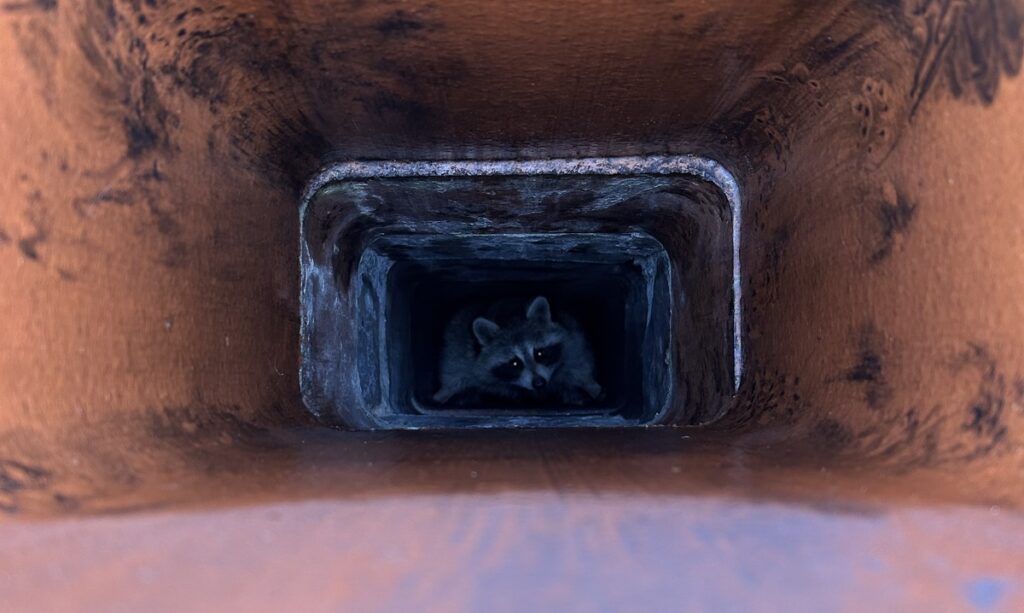
A chimney with a missing or damaged cap may provide access to sheltered space. Property owners may first notice a sound near the fireplace or discover visible damage at the chimney opening.
Those observations deserve assessment, but noises alone cannot identify the cause. Birds, other animals, and building-related sounds may also be heard in this area.
Useful details to share include:
- Recurring scratching or movement near the chimney.
- Visible damage to the cap or cover.
- Repeated raccoon activity around the opening.
- Sounds noticed at particular times.
- Previous problems or recent chimney repairs.
Do not use a fire or smoke to force an animal out. That can harm animals and create additional hazards. Avoid using the fireplace when animal occupancy is suspected until the situation has been assessed.
Likewise, installing a cap over a potentially occupied chimney is not an appropriate first step. Animals may remain inside, including young that cannot leave independently.
Once occupancy has been addressed, suitable chimney protection can help prevent future access. The cap must fit the chimney and preserve proper draft, exhaust, and servicing.
Wildlife removal and chimney maintenance perform different roles. A qualified chimney professional may need to inspect or service the system following wildlife assessment and removal. Coordinating the work helps ensure the opening is protected and the fireplace can be used appropriately afterward.
Understand Nighttime Noises and Other Signs of Activity
Raccoons are generally active at night, so property owners may notice movement after the building becomes quiet. Scratching, scurrying, or heavier thumping above a ceiling can raise concerns about activity in an attic or another concealed space.
However, timing and noise volume cannot reliably identify the species. A loud sound does not establish the size or number of animals, and a nighttime noise is not proof of raccoons.
Sound also travels through building materials. What seems to be directly above a bedroom may originate elsewhere, making it difficult to locate an entrance by listening alone.
Before an inspection, record:
- Where sounds seem most noticeable.
- When they occur and how often they return.
- Whether movement seems to change location.
- Any visible exterior damage.
- Sightings near a possible entrance.
Other signs may include disturbed materials or repeated damage around an opening. These observations need to be considered together rather than treated as separate proof of occupancy.
Avoid entering an unsafe attic or disturbing suspected nesting areas to investigate. Photos taken from accessible locations and a clear description of events can help guide the assessment.
If the sounds become quieter as temperatures fall, do not assume the problem has ended. Reduced movement may reflect a change in activity rather than departure. Suspected entrances still need assessment before permanent repairs begin.
Reduce Access to Garbage and Other Food Sources
Accessible garbage can encourage raccoons to visit a property repeatedly. Securing waste is a practical prevention step for both households and businesses, especially when outdoor routines change during fall.
Start with the containers themselves. Check that lids close securely and that damage does not leave the contents exposed. Keep bags inside suitable containers rather than beside them.
Review your waste area for:
- Loose or broken lids.
- Overflowing containers.
- Food residue on the ground.
- Bags left outside bins.
- Collection schedules that do not match waste volume.
Businesses should make responsibility for waste-area checks clear. A dumpster may be properly closed at the beginning of the day but left open after a busy period. Regular checks help catch these changes.
Other food sources deserve attention, too. Avoid leaving pet food outside, clean up spilled birdseed, and remove fallen fruit where practical. Maintain compost systems appropriately so food scraps do not remain openly accessible.
These changes can reduce feeding opportunities around the building. They do not establish that an occupied attic or chimney has been vacated.
A raccoon may use shelter while finding food elsewhere. Garbage management therefore supports prevention, while suspected indoor activity needs its own assessment. Addressing both food opportunities and building access provides a more complete approach than relying on either step alone.
Know When Humane Removal and Exclusion Are Needed
Professional assessment is appropriate when you observe repeated entry, suspect attic or chimney occupancy, or notice recurring sounds and damage. You do not need to wait until the situation becomes disruptive or winter arrives.
The assessment should consider the species involved, evidence of occupancy, and relevant access points. Possible dependent young must also be accounted for rather than ruled out solely by the season.
Premature sealing can trap an animal inside or separate an adult from young. An animal seen leaving temporarily does not establish that every occupant has departed.
Seek assessment when you notice:
- Repeated entry into a roofline or chimney opening.
- Recurring sounds in concealed spaces.
- Damage that returns after a repair.
- A suspected entrance with signs of animal use.
- Uncertainty about whether a previously occupied area is empty.
Exclusion means securing appropriate openings against entry or re-entry. It should follow an appropriate sequence coordinated with humane removal.
At Skedaddle Humane Wildlife Control, our approach considers existing activity alongside the building conditions that allow access. Durable protection suited to the opening can help reduce repeat entry, while surrounding vulnerabilities also need consideration.
Property owners support prevention through continued maintenance. Recheck visible components after storms, renovations, or service installations, and report new damage promptly. A coordinated plan addresses current occupancy and helps protect the building over time.
Frequently Asked Questions
Can raccoons be active during winter?
Yes. Raccoons may spend extended periods resting during severe weather, but they can become active when conditions improve. Their movements vary with weather, available resources, and individual circumstances. Fewer outdoor sightings do not establish that raccoons have left the area or stopped using a sheltered space nearby.
Does a quiet attic mean the raccoon has left?
No. An animal may be resting quietly, or it may have left temporarily and return later. A lack of noise cannot confirm that an attic is unoccupied. If you have noticed signs of entry or previous activity, arrange an assessment before repairs permanently close the suspected entrance.
Will securing my garbage make a raccoon leave the attic?
Secure garbage reduces access to food, but it does not remove an occupied shelter or close the route into your building. A raccoon may continue using the attic while finding food elsewhere. Waste management supports prevention, while suspected occupancy requires assessment and a coordinated humane removal and exclusion plan.
Can I install a chimney cap if I suspect a raccoon is inside?
Have the chimney assessed before installing a cap over a suspected occupied opening. Closing it too soon can trap animals inside or prevent an adult from reaching dependent young. Once occupancy is addressed, an appropriate cap can be installed while preserving the chimney’s draft, exhaust, and maintenance requirements.
How does exclusion help prevent raccoons from returning?
Exclusion secures identified access points using suitable materials and installation methods. It addresses the openings that allow entry rather than relying on changes in weather or food availability. Continued maintenance remains important because deterioration, storms, renovations, and service work can create new vulnerabilities after the original problem has been resolved.
Prepare Before Winter Without Assuming Raccoons Will Leave
Raccoons do not truly hibernate, and sheltered building spaces may remain in use through winter. Checking roofline components, arranging chimney assessment, and securing garbage can help address different parts of the prevention picture.
If an opening may be occupied, have it assessed before sealing. Quiet periods and temporary departures do not confirm that every animal has left.
Contact Skedaddle Humane Wildlife Control serving Upper Arlington for a professional inspection and a humane raccoon-removal and prevention plan. Addressing activity and access together can help protect your property before colder weather settles in.

 Loading...