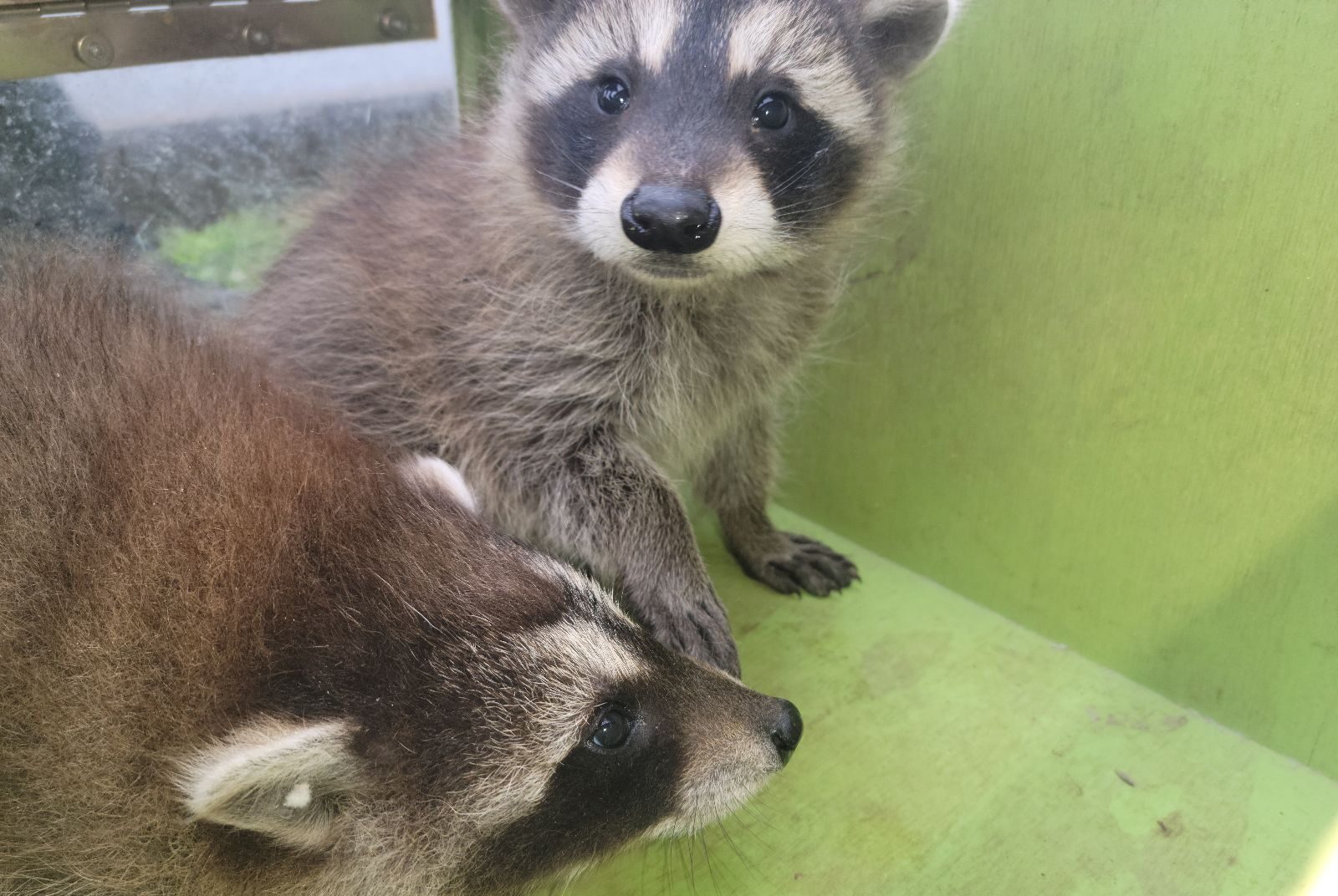
You walk out onto your rooftop patio one morning and notice the patio furniture has been moved. There are droppings near the HVAC unit. Something has been digging at the membrane near the drain. If you own or manage a building with a flat roof in Ajax, this is not a rare event — it is something our team sees every season across the area.
Raccoons are drawn to flat roofs because they offer everything they are looking for. Easy access, shelter from the wind, warmth from HVAC equipment, water near the drains, and quiet corners where they can rest or raise their young. A flat roof on a commercial-residential building is not just a surface to these animals — it is a place to live. And the longer they stay, the more damage they cause to the structure below.
At Skedaddle Humane Wildlife Control in Ajax, we work with property owners and building managers who deal with flat roof activity every season. In this blog, you will learn exactly what to watch for on your flat roof, which areas of the building are most at risk, and why calling our team at the first sign of activity is the most important step you can take to protect your property.
Do Raccoons Nest on Rooftops?
Yes, these animals do nest on rooftops and flat roofs are especially attractive to them. They look for high, sheltered spaces that are away from ground-level predators and human traffic. A flat roof with parapet walls, HVAC equipment, and drainage structures gives them exactly that. The warmth from rooftop mechanical units makes a flat roof one of the best nesting spots available in an urban area.
Pregnant females are the most likely to set up a nest on a flat roof. They look for spots that are dark, protected from wind and rain, and close to food. The gap under a large HVAC unit, the corner behind a parapet wall, or the space between a mechanical housing and the roof membrane all fit perfectly. Once a female settles in and gives birth, she stays committed to that spot until her young are old enough to leave, which can take several months.
If you keep finding droppings in the same spot on your roof, hearing sounds above a top-floor ceiling at night, or noticing damage to vent covers or the roof membrane near mechanical units, a nesting situation is likely already in place. Property owners should never try to inspect an active nesting area on their own. Call our team at Skedaddle and let us assess the situation safely before any more damage occurs.
Rooftop Patios
Rooftop patios are one of the biggest draws for raccoons on flat-roofed buildings. They provide food, shelter, and a comfortable elevated space that these animals are happy to explore and use. Here is what property owners need to watch for:
- Leftover Food and Unsecured Waste: Any food left on a rooftop patio — scraps from a barbeque, an unsecured compost bin, or garbage that has not been brought in — pulls these animals in. They will investigate any food source they can smell from roof level. Once they find a reliable food source on a patio, they come back regularly and start to treat the space as their own territory.
- Furniture and Planters Used as Shelter: Large planters, storage boxes, and patio furniture all create dark, sheltered spots these animals look for when resting during the day. A gap under a storage bench, the space behind a large planter, or the area beneath a covered chair can all become daytime rest spots. Over time, a spot they use regularly can turn into a more permanent den, especially for a pregnant female looking for a safe place to give birth.
- Droppings Create Health Risks for Tenants: Raccoons tend to use the same area repeatedly as a bathroom spot, and rooftop patios get contaminated fast when activity is regular. Their droppings can carry a roundworm parasite and harmful bacteria that create real health risks for anyone using the patio. Property owners and managers should never ask staff or tenants to clean up wildlife waste. Call our team and let us handle the decontamination safely with the right gear and professional-grade treatments.
HVAC Equipment
Rooftop HVAC units are one of the most commonly targeted spots on a flat roof. These units provide warmth, shelter, and easy access, especially during cooler months and nesting season.
Standard plastic and lightweight aluminum HVAC vent caps are no match for the strength of raccoons. They can grip the edges of a vent cap and pull it apart with their front paws in a short amount of time. Once the cap is gone or damaged, the opening behind it gives direct access to ductwork, insulation, and sometimes the ceiling of the top floor below. Our team finds damaged or missing HVAC vent caps regularly during inspections on Ajax flat-roof properties.
The heat that running HVAC units give off is a strong draw for pregnant females looking for a warm, safe place to give birth. The warmth from mechanical units keeps the area around them noticeably warmer than the open roof surface. The enclosed spaces beside and beneath large units also block the wind. That mix of warmth and shelter makes the area around rooftop HVAC equipment one of the highest-risk spots on any flat roof.
Once raccoons get in around HVAC penetrations, the damage goes well beyond the vent cap. Insulation around ductwork gets torn apart for nesting. Wiring and duct connections get chewed or knocked out of place. In buildings where the ductwork runs into the floors below, the droppings and nesting material can affect air quality throughout the whole building. Do not wait on this — call our team the moment you notice any damage to HVAC equipment on your rooftop.
Drainage Areas
Flat roof drainage systems can attract wildlife and get seriously damaged by regular raccoon activity. Property owners need to check these areas closely, especially after heavy rain. Here is what to look for:
- Standing Water Gives Wildlife a Water Source on the Roof: When roof drains and scuppers get partly blocked by debris, water pools on the roof surface. That standing water becomes a reliable water source for these animals and keeps them coming back to the same roof regularly. In warmer months especially, water on the roof increases how much time these animals spend up there and how comfortable they get with the space.
- Debris Near Drains Signals Regular Activity: Raccoons move debris, nesting material, and food scraps around as they explore the roof. That material often ends up near drains and low spots on the roof membrane, adding to any existing blockage. If you are finding unusual amounts of debris near your drainage points — leaves, twigs, food scraps, or nesting material — it is a sign that regular activity is happening up there and that a professional inspection is needed.
- Moisture Damage Weakens the Roof Membrane: Pooling water around poorly draining areas softens the roof membrane and the layer below it over time. A membrane that has been weakened by sitting water is much easier for these animals to claw through or dig into. That mix of wildlife activity and water damage can turn a drainage issue into a structural breach if it is not caught. Our team checks drainage areas and membrane condition as part of every flat roof inspection in Ajax.
Nesting Spots
Flat roofs have a lot of hidden spots where raccoons rest and build nests. Most of these spots never get checked during a regular building walkthrough. Here is what property owners need to watch for:
- Parapet Wall Corners and Low Alcoves: The corners where parapet walls meet and the low alcoves along the roof edge are exactly the kind of spots raccoons look for when picking a den. They are dark, enclosed, and out of the wind. Most maintenance staff never check these areas, so a nest can sit there for weeks before anyone finds it. Our team checks every corner and alcove during every flat roof inspection because these are the spots that get missed most often.
- Gaps Under Large Mechanical Units: The space beneath a large HVAC unit or rooftop generator is dark, warm, and sheltered. For a pregnant female looking for a safe place to give birth, it is nearly perfect. Nests under these units are hard to find without crawling underneath — which is not something property owners should do on their own. Our team has the right tools and training to safely check and deal with nesting under rooftop equipment.
- Openings Into Top-Floor Ceiling Cavities: Gaps between the flat roof and the ceiling of the top floor below can give these animals a direct path into the building. These openings usually show up around pipes, conduit, and ductwork that pass through the roof deck. Once an animal finds one of these gaps, the problem moves from the roof into the interior of the building very fast. Our team checks these penetration points during every inspection and seals any gaps that could let raccoons inside.
Commercial-Residential Buildings
Flat-roofed commercial-residential buildings face some specific challenges when it comes to raccoons. Here is why these properties get targeted more often and what property owners should watch for:
- Multiple Access Points From Nearby Structures: Commercial-residential buildings in Ajax are often surrounded by trees, utility poles, neighbouring rooftops, and shared walls. All of these work as climbing routes that bring these animals to roof level with very little effort. Once they are on one roof, moving to the next one is easy. A problem that starts on one building can spread to several nearby properties in a short amount of time.
- Rooftop Problems Stay Hidden Longer in Multi-Tenant Buildings: When a building has many tenants, no one is always clearly in charge of the rooftop. Inspections happen rarely, access is limited, and damage builds up without anyone catching it. By the time a property manager finds out there is a problem, these animals have often been active on the roof for weeks or even months. Getting a professional inspection done on a regular schedule is the best way to catch problems before they grow.
- Damage Reaches More Than Just the Roof: When raccoons nest or use a rooftop as a bathroom spot, the problems do not stay on the roof. Droppings and urine near HVAC openings or ceiling gaps affect the air quality in the floors below. Damaged ductwork pushes contaminated air through the whole building. Nesting sounds keep top-floor tenants up at night. The damage from a rooftop wildlife situation can reach every floor of the building and the longer it goes unaddressed, the bigger the liability for the property owner.
Raccoon Flat Roof Problems in Ajax
Ajax has a mix of older buildings, newer flat-roofed developments, and a lot of mature trees. That combination puts steady wildlife pressure on rooftops across the area. Our team at Skedaddle works with property owners and building managers in Ajax every season. We most often see rooftop activity on buildings that have not had a professional inspection in a while.
Spring is the busiest time of year for nesting on flat roofs in Ajax. Pregnant females are looking for warm, enclosed, elevated spots to give birth in April and May. Rooftop mechanical units and parapet wall corners become prime targets during this time. By the time a property manager spots the signs — droppings on the patio, a damaged vent cap, sounds above a top-floor ceiling — a litter is often already on the roof. Acting early in spring makes a big difference in how hard the situation is to resolve.
Fall brings a different kind of problem. As it gets cold, raccoons look for warm, sheltered spots on rooftops. The heat from HVAC equipment becomes even more attractive. Buildings that had a situation in spring and were not properly inspected and secured afterward are at the highest risk of having the same thing happen again in fall. Our team takes care of every entry point and vulnerable area after removal so the same property does not get targeted again next season.
Raccoon Removal and Prevention with Skedaddle
When you call our team at Skedaddle, we start with a full inspection of the roof surface, HVAC equipment, drainage areas, parapet wall corners, and any openings that connect the roof to the floors below. We find every spot where raccoons have been active and every weak point that could become an entry point. On flat-roofed commercial-residential buildings, a full assessment is essential because the damage and access points are rarely limited to just one area.
Once we know what we are dealing with, we handle active nesting situations first. Where these animals have gotten into the building through roof openings, we put one-way doors over the active entry points. These let the animals get out on their own but stop them from getting back in. After the roof and any interior spaces are clear, we seal every opening with strong materials that hold up long-term. Property owners and managers should never try to seal rooftop entry points on their own — without a professional assessment, active nesting areas get missed, and the situation keeps going.
Cleanup and prevention are the last steps. Our team removes droppings and nesting material, treats all affected surfaces with professional-grade cleaners and disinfectants, and secures every vulnerable area that could bring these animals back. You do not need to send anyone onto the roof to deal with any of this. Call our team at Skedaddle Humane Wildlife Control in Ajax the moment you notice signs of rooftop activity and let us handle every step safely and completely.
Frequently Asked Questions
How do raccoons get onto a flat roof in Ajax?
These animals are strong climbers and reach rooftops using trees, utility poles, drainpipes, neighbouring structures, and shared walls. Once they find a reliable route to a roof that provides food, water, or shelter, they use it repeatedly. Our team finds and addresses these access routes as part of the full inspection and prevention process.
Can raccoon droppings on a rooftop patio make tenants sick?
Yes. Their droppings can carry a roundworm parasite called Baylisascaris procyonis as well as harmful bacteria. Anyone who touches a contaminated patio surface is at risk. Tenants and staff should stay away from areas where droppings are present and should never try to clean them up without calling our team first.
How do I know if raccoons have gotten into my building through the roof?
Signs include sounds of heavy movement above a top-floor ceiling at night, a strong ammonia-like odour from the ceiling or attic space, droppings near rooftop penetrations or in the ceiling cavity, and visible damage to HVAC vent caps or the roof membrane near mechanical units.
Does my building need regular rooftop wildlife inspections?
Yes, especially on flat-roofed commercial-residential buildings where rooftop access is limited and damage can go unnoticed for long periods. Our team recommends a professional inspection of the full roof surface at least once per year and right away any time signs of activity are noticed.
Can raccoons damage rooftop HVAC systems enough to affect the whole building?
Yes. These animals can tear apart vent caps, pull apart ductwork insulation, chew wiring, and bring nesting material and waste into the duct system. When ductwork is damaged and the system pushes contaminated air through the building, every floor is affected. Dealing with HVAC damage early limits how far it spreads and how much it costs to fix.
What should a property manager do if they find droppings on the rooftop?
Do not try to clean them up and do not send maintenance staff to do so without proper protective gear. Contact our team at Skedaddle for a professional assessment. We find the source of the activity, check the full extent of the contamination, and handle cleanup and decontamination safely.
Your Flat Roof Needs a Professional Eye: Call Skedaddle Before It Gets Worse
A flat roof is one of the easiest targets for raccoons in an urban area and one of the hardest places to keep an eye on without regular professional attention. By the time the signs are obvious, the damage is usually already significant.
These animals move fast once they find a reliable spot. Vent caps get damaged, drains get blocked, nesting material builds up near HVAC units, and droppings contaminate patio surfaces that tenants use every day. Every week the situation goes without professional attention is another week of damage adding up across the roof.
The good news is that you do not need to send anyone up there to figure it out. That is exactly what our team is here for. We know what to look for, where to look, and how to handle the full situation safely from start to finish.
At Skedaddle Humane Wildlife Control in Ajax, our team inspects the full roof, handles removal humanely, seals every entry point, and decontaminates all affected areas. Request an estimate today and let our team protect your property before the problem gets any bigger.

 Loading...







