Bird Removal in Alabama | Skedaddle skip to main content
Skip to main content
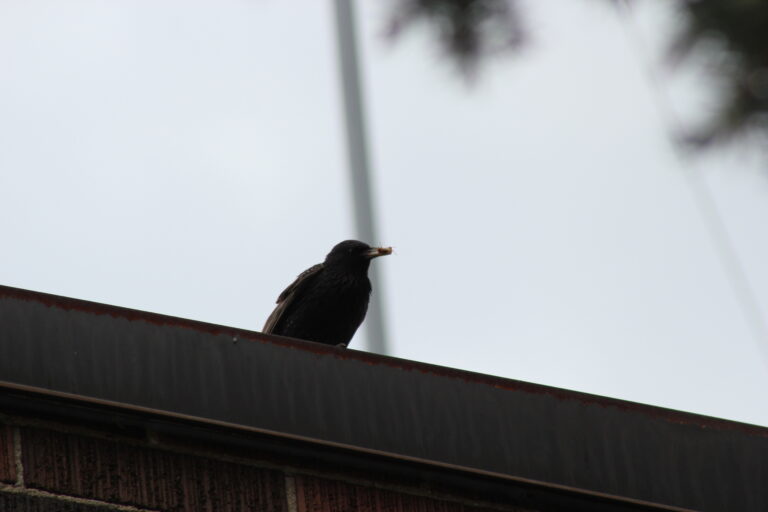
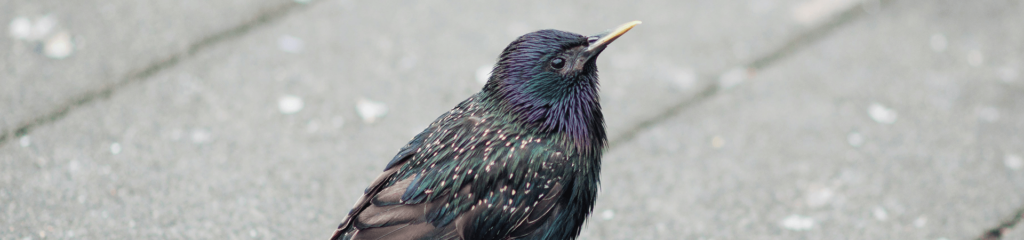
Starling on a paved surface

Alabama Bird Removal

Contact Us
659-241-0018

Monday–Friday: 6:30 AM–8:00 PM

Saturday: 7:00 AM–4:00 PMSunday: 9:00 AM–3:00 PM Central Time

Proudly Serving • Birmingham, Mountain Brook, Homewood, Vestavia Hills, Hoover, Trussville, Chelsea, Pelham, Alabaster, Helena, Gardendale
ALABAMA · HUMANE BIRD REMOVAL

Humane Bird Removal in Alabama

Identify the bird, check the nest, and plan the right protection for your home.

Skedaddle provides humane bird-removal services in the Birmingham area, starting with identification of the birds, their location, and the nesting situation. Your plan addresses appropriate removal or exclusion, affected-area cleanup, and protection of building openings, with nest status and applicable bird protections considered before work proceeds.

  • Birmingham-area service
  • Skedaddle founded 1989
  • Humane removal and prevention

An occupied nest needs a different next step

For birds protected by the Migratory Bird Treaty Act, destroying a nest with eggs, chicks, or young still dependent on it is prohibited without applicable authorization. Arrange identification and a nest assessment before moving the nest or blocking access; an inspection appointment is not permission for immediate removal.

Why homeowners choose Skedaddle

Bird activity can mean nesting, roosting, or repeated use of a building opening. A useful assessment identifies which situation you have before recommending removal, cleanup, or a prevention product.

Identification before intervention

Skedaddle builds its bird plan around the species, location, behavior, and breeding stage. Those findings matter because protected nests and occupied nests require particular care; a visible nest should not be treated as a generic piece of debris.

Attention to the opening and the affected space

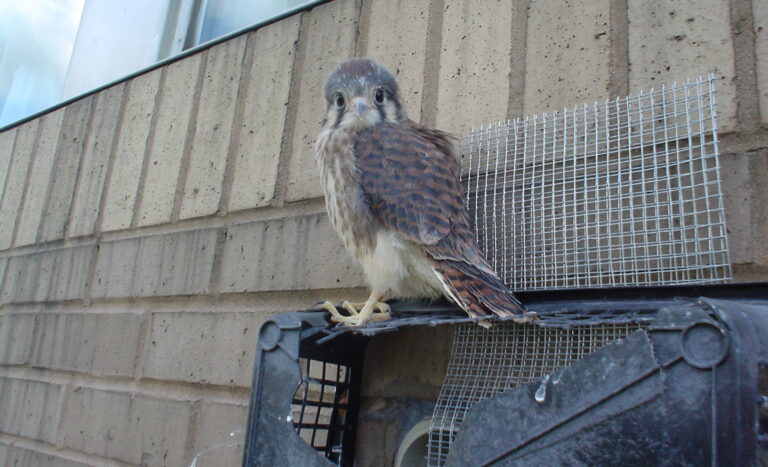
The bird service assesses vents and other access points, nesting material, droppings, and appropriate exclusion. Ask how cleanup and protection fit the actual structure, rather than selecting a deterrent before the inspection has explained the problem.

Defined coverage for exclusion work

The local lifetime guarantee covers exclusion workmanship and materials. Have the protected openings and written terms identified in the quote; that is different from a promise that birds will never land on the roof or use nearby trees.

Signs of birds and how they get in

Watch from a distance and describe the location of the activity. If you can identify the birds without approaching the nest, share that observation, but leave the final identification and nest-status assessment to the inspection.

Species and nest assessment

Repeated trips to one opening

Skedaddle investigates repeated bird activity, nesting material, and droppings around building features. Explain whether birds are entering a cavity or simply landing nearby; that distinction helps frame the assessment without assuming every group of birds on a roof is nesting inside the house.

Building-access inspection

Activity around vents or sheltered gaps

The bird service checks wall vents, eaves, chimneys, and other sheltered openings. Mention the type of vent or structure involved if you know it, and avoid adding a cover before the nesting situation is understood; the inspection should connect exclusion with the opening’s function.

Cleanup assessment

Nesting material and affected surfaces

Skedaddle assesses nesting material, droppings, contaminated vents, and any need for insulation repair or further ventilation inspection. Ask which areas need clearing and what can be reached, so the scope explains the condition of the building after the birds are no longer using it.

Birds using a vent or another opening?

Tell us where they enter and whether you have seen nesting material or young. Request an assessment before moving a nest or installing a cover, so identification, timing, cleanup, and appropriate protection can be considered together.

Understanding birds in Alabama

  • House sparrows
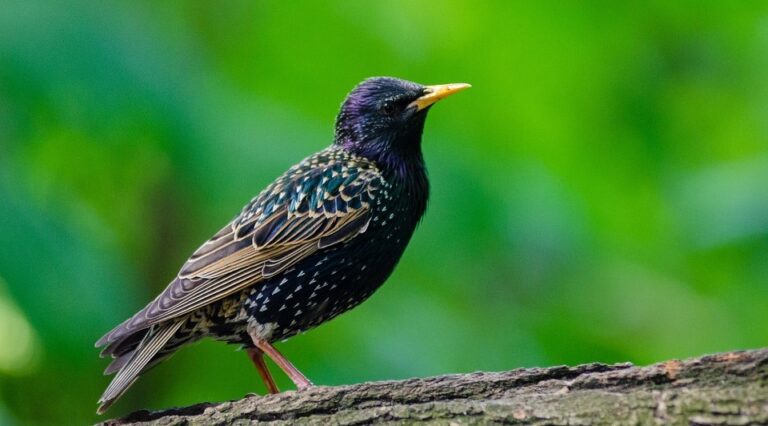
  • European starlings
  • Feral pigeons

Alabama’s nuisance-bird guidance distinguishes house sparrows, European starlings, and feral pigeons from protected native birds. It also warns that correct identification matters, especially where a house sparrow might be confused with a native species; “small brown bird” is not a sufficient basis for choosing a control method.

The building use differs too. Starlings often nest in cavities, house sparrows fill crevices with nesting material, and feral pigeons use sheltered ledges. That is why a vent problem should not automatically receive the same response as birds roosting on an exterior ledge.

For protected migratory birds, eggs, chicks, and young still dependent on the nest restrict what can be done without authorization. An apparently empty nest is not automatic clearance either: eagle nests have separate protection even when unoccupied, and other applicable requirements still need checking.

For your home, identification and nest status come first. Ask what the inspection found, what work is appropriate now, and how any waiting period affects the later cleanup and protection of the opening.

What to expect from a Skedaddle inspection

Skedaddle assesses the bird species, location, breeding stage, entry points, and affected materials. The Birmingham team provides an itemized on-site quote before work starts, while the proposed sequence must also account for applicable nest protections, rather than assuming every observed nest can be removed immediately.

  • Activity: Identify the birds and distinguish nesting from other building use.
  • Access: Examine vents, cavities, eaves, and other relevant openings.
  • Occupied spaces: Assess nesting stage, droppings, and affected materials.
  • Work required: Explain suitable removal or exclusion, cleanup, and prevention options.

Ask what can proceed now and whether later work depends on nest status or authorization. The quote should also identify any recommended vent repair or replacement rather than leave the condition of the opening unclear.

Skedaddle's Three-Step Wildlife Removal Process

Step 1

Assess and Remove

Skedaddle identifies the species and breeding stage before choosing a removal or exclusion approach. Where protected birds or an occupied protected nest are involved, the work must respect applicable authorization requirements; ask how those findings affect what can happen at the first appointment.

Learn more
Step 2

Clear and Clean

Once the work can proceed appropriately, the bird service clears included nesting material and droppings, with decontamination where required. Have the quote specify which spaces are accessible and whether additional ventilation inspection or insulation repair is recommended, rather than assuming every bird concern requires attic restoration.

Learn more
Step 3

Prevent and Protect

Skedaddle selects exclusion or deterrent measures according to the bird and structure. Ask how the chosen protection suits the opening and its function, and keep the written scope of the lifetime workmanship and materials guarantee on exclusion distinct from expectations about birds elsewhere outdoors.

Learn more

Seasonal activity and removal timing

A spring calendar is not enough to decide whether a nest is active. Alabama’s nuisance guidance describes repeat nesting by house sparrows and starlings and year-round breeding by feral pigeons, making the actual nest assessment important in every season.

SeasonWhat may changeWhat it means for the homeowner
Spring(Mar–May) The state guide describes house-sparrow nesting beginning in early April and substantial pigeon breeding in spring.Arrange identification and nest assessment before scheduling removal or covering a cavity.
Summer(Jun–Aug) House sparrows and starlings may raise more than one brood.A previous brood leaving does not by itself establish the current nest status.
Fall(Sep–Nov) The guide notes nesting-site reuse and repeat management needs into fall.Confirm the opening is appropriate for exclusion rather than treating the season as permission.
Winter(Dec–Feb) Feral pigeons can breed throughout the year.Do not assume a winter nest is inactive without checking species and use.

This table concerns the named species, not all Alabama birds. For protected species, nest status and applicable law take precedence over a convenient maintenance date.

A humane approach to bird removal

The best plan for a vent is not necessarily the best plan for a ledge or cavity. Ask the technician to connect the bird’s use of the building with each proposed part of the work.

Matching the method to the situation

Skedaddle selects removal, exclusion, or deterrent measures based on species, location, and behavior. That assessment should come before choosing a product; a standard cover or visual deterrent is not an explanation of what is happening at the property.

Identifying the bird and checking nest status

House sparrows can be confused with protected native birds, and occupied protected nests cannot simply be removed without appropriate authorization. Have the identification and proposed timing explained instead of assuming all birds on a residential building have the same legal status.

Clearing the affected opening

The bird service addresses nesting material, droppings, and contaminated areas, with ventilation or insulation recommendations where needed. Review the accessible spaces and included work so the plan deals with what remains in the building, not just the absence of visible birds.

Choosing appropriate long-term protection

Skedaddle uses different exclusion and deterrent approaches for different structures. Ask which opening is being protected and how the solution fits its use, while keeping the exclusion workmanship and materials guarantee separate from a promise that birds will never land nearby.

Get the nest and building assessed together

Request a plan that explains the bird identification, nest status, suitable timing, and condition of the affected opening. Review cleanup and prevention alongside removal so the next step is clear before a nest is disturbed.

Where this service is currently available

This residential bird-removal page serves Birmingham, Mountain Brook, Homewood, Vestavia Hills, Hoover, Trussville, Chelsea, Pelham, Alabaster, Helena, and Gardendale through the Birmingham team. Provide your address when requesting an inspection so availability can be confirmed; the Alabama page does not imply every community is currently covered.

When booking, identify the part of the building involved as clearly as you can, such as a bathroom exhaust, wall cavity, or sheltered ledge. The Birmingham service addresses birds using residential openings and vents, while the inspection determines the response and whether a repair or replacement needs to be included.

Frequently asked questions about bird removal

How much does bird removal cost?

Pricing depends on the openings, access, materials, and cleanup required. Skedaddle Birmingham provides an itemized on-site quote before work begins; species and nesting stage also need assessment before the team can explain the appropriate work and sequence.

Can you remove birds the same day I call?

Same-day inspection or removal is not guaranteed. An occupied nest may also limit what can proceed: protected nests with eggs, chicks, or dependent young cannot be destroyed without appropriate authorization, so booking an assessment is not a promise of immediate nest removal.

How do you remove birds humanely?

Skedaddle identifies the birds and their nesting stage, then selects an approach for the location and structure. The plan may involve appropriately timed removal or exclusion, cleanup, and protection of the opening, while applicable nest protections determine what actions are allowed.

Which areas do you serve?

This page routes residential inquiries from Birmingham, Mountain Brook, Homewood, Vestavia Hills, Hoover, Trussville, Chelsea, Pelham, Alabaster, Helena, and Gardendale to the Birmingham team. If your property is elsewhere nearby, provide your address to confirm availability before arranging service; statewide page naming is not a statewide coverage guarantee.

What does the exclusion guarantee cover?

The lifetime guarantee covers exclusion workmanship and materials, with repair if a sealed opening fails. Ask which openings and terms apply; it is not a guarantee that birds will never visit your yard, land on the building, or nest elsewhere nearby.

Is cleanup or restoration included?

Skedaddle assesses nesting material, droppings, contaminated vents, and any need for insulation repair or ventilation inspection. The agreed scope determines which tasks are included, so ask what happens to the affected opening instead of assuming every bird concern requires the same cleanup or restoration.

Can an occupied nest be removed?

It depends on the species and applicable authorization. For protected migratory birds, destroying a nest with eggs, chicks, or dependent young is prohibited without authorization; some nonnative species have different status, but identification and other laws still matter.

How do you decide which exclusion is appropriate?

Skedaddle considers the species, behavior, location, breeding stage, and building features. A vent, cavity, and open ledge need different assessments; ask how the proposed protection suits the opening and how nest-status findings affect installation timing.

Alabama Wildlife Resources & Guides

Book your bird inspection

Repeated trips to a vent, nesting material at an opening, or an area affected by droppings should lead to an assessment before a cover is installed. Skedaddle identifies the birds, assesses the nesting situation, and explains suitable removal, cleanup, and prevention. Contact the Birmingham team with your address and the location of the activity to understand what can proceed and what may need to wait.

menu