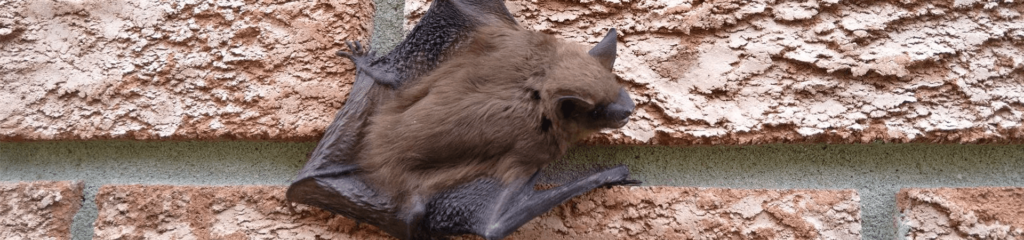
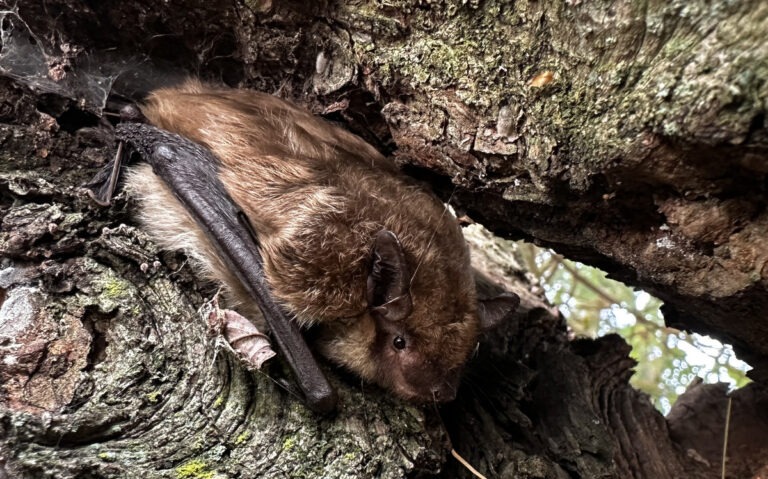
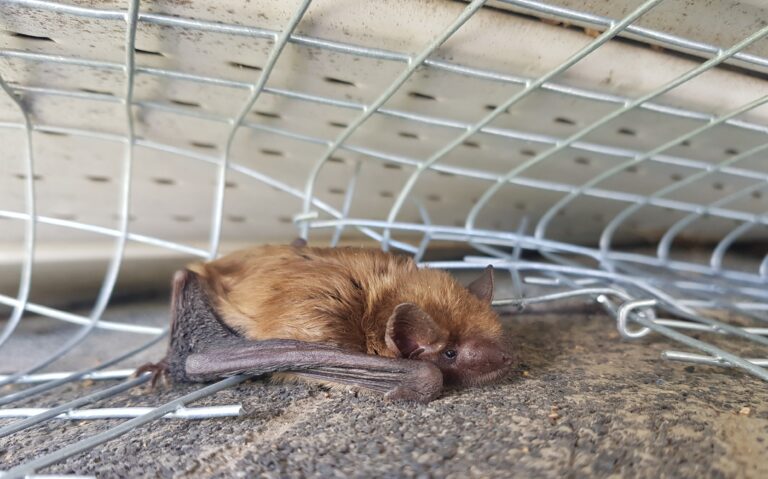
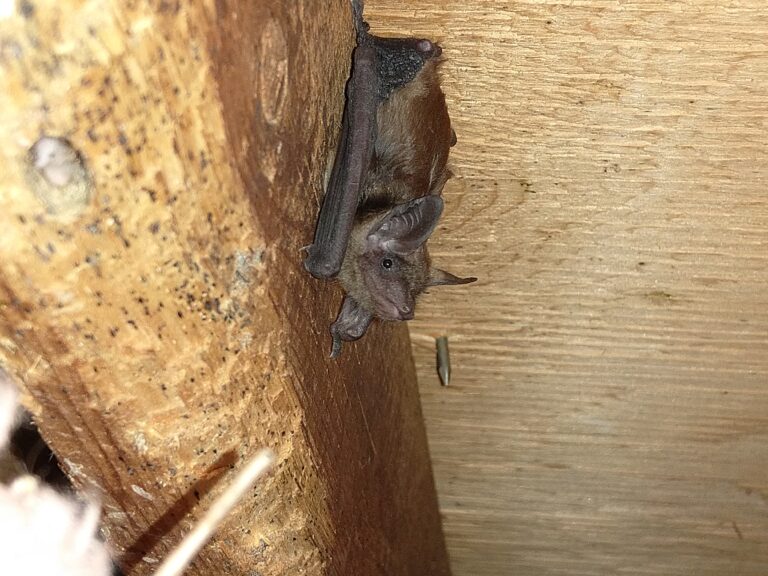
Alabama’s bats do not all use the same kind of shelter. Big brown and Mexican free-tailed bats may roost in buildings, while species such as eastern red and hoary bats more often use forested settings. Seeing a bat outdoors is therefore different from finding evidence that bats are occupying part of your house.
Bats also have an important role beyond the building: Alabama’s native bats eat insects, and several species have state or federal protection. An inspection should focus on identifying the roost situation and a suitable way to separate it from the home, not on removing bats from the surrounding neighborhood.
Young bats change the timing. Alabama’s bat-management guidance recommends exclusion outside April through August because adults may leave flightless pups behind while feeding. That is a reason to assess the colony before blocking its access, not a reason to postpone getting advice about an indoor encounter.
The published pupping-season guidance is not a blanket statement that every bat species can be excluded on the same date. Ask the technician to explain the roost findings, proposed timing, and any protection requirements relevant to the work.