Raccoon Removal in Alabama | Skedaddle skip to main content
Skip to main content
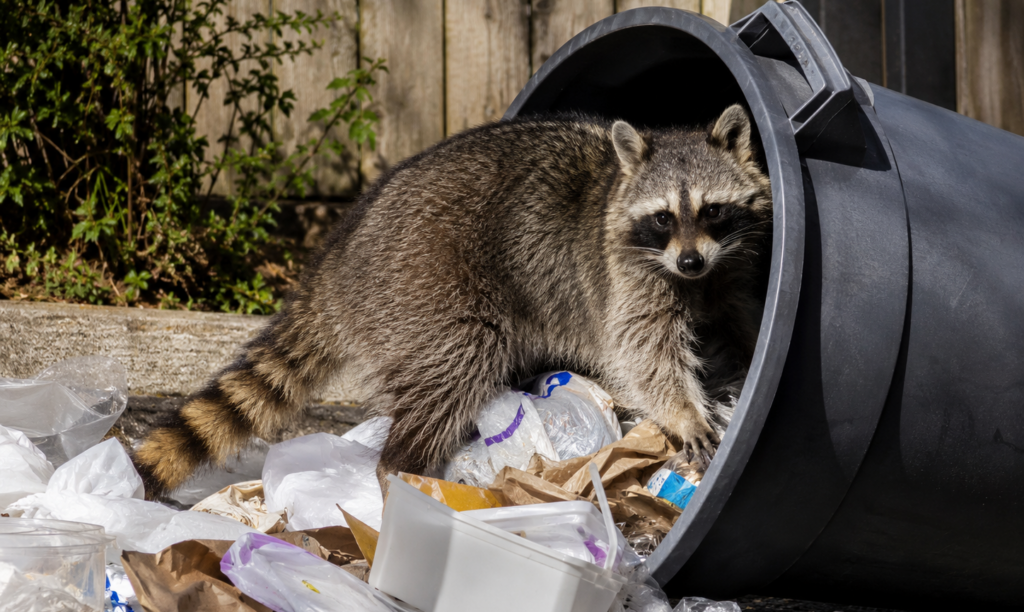
Raccoon beside an overturned garbage bin

Alabama Raccoon Removal

Contact Us
659-241-0018

Monday–Friday: 6:30 AM–8:00 PM

Saturday: 7:00 AM–4:00 PMSunday: 9:00 AM–3:00 PM Central Time

Proudly Serving • Birmingham, Mountain Brook, Homewood, Vestavia Hills, Hoover, Trussville, Chelsea, Pelham, Alabaster, Helena, Gardendale
ALABAMA · HUMANE RACCOON REMOVAL

Humane Raccoon Removal in Alabama

A plan for the raccoons, the space they occupy, and the openings they use.

Skedaddle provides humane raccoon removal in the Birmingham area, beginning with an inspection of access points, den locations, and affected materials. The removal plan accounts for dependent young and connects removal with exclusion and cleanup, including attic restoration where needed and agreed, rather than leaving you to arrange separate answers for the animals and the damage.

  • Birmingham-area service
  • Skedaddle founded 1989
  • Humane removal and prevention

Why homeowners choose Skedaddle

A raccoon in the attic raises more than one question. You want to know how it got in, whether it has young, and what will be done about the occupied space.

An inspection beyond the obvious damage

Skedaddle checks how raccoons entered, where they are denning, and which other parts of the home are vulnerable. The resulting plan should connect the animal’s location with the building repairs, rather than treating one visible opening as the full extent of the problem.

A plan that accounts for the family

The raccoon service checks for babies and describes careful removal with a reunion-box approach when appropriate. Ask what was found at your home and how the proposed sequence addresses it, without assuming every den contains young or every removal uses identical equipment.

Clear coverage for the exclusion work

The local lifetime guarantee applies to the workmanship and materials used to seal entry points. Your quote should distinguish that protection from cleanup, restoration, or unrelated building repairs so you understand both the work being purchased and the coverage afterward.

Signs of raccoons and how they get in

Share what you have noticed without trying to enter an occupied attic or inspect the roof yourself. A description of the location and visible damage is a useful starting point for the assessment.

Den assessment

Activity around an attic opening

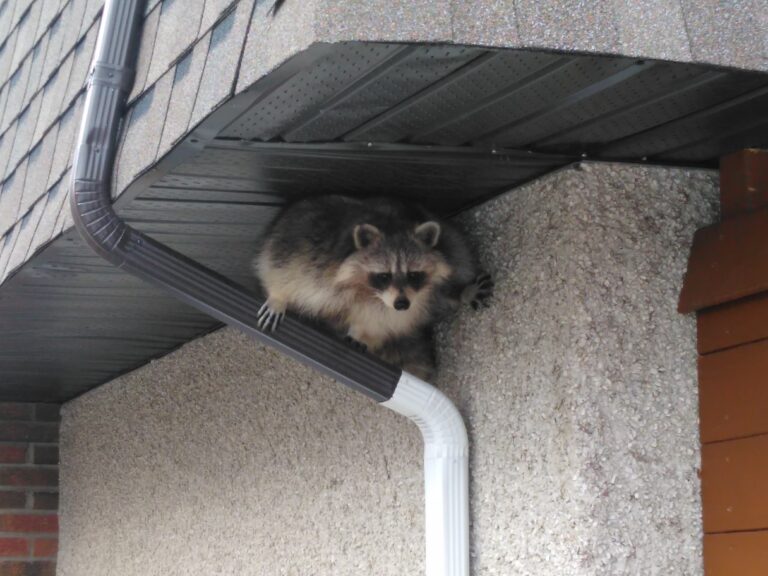
Raccoons can occupy attics and chimneys, but seeing one outdoors does not explain what is happening inside your home. Tell the team whether you have seen an animal enter a structure and where the concern is located, so the inspection can check for an occupied den rather than rely on a sighting alone.

Entry damage

Pulled or weakened building materials

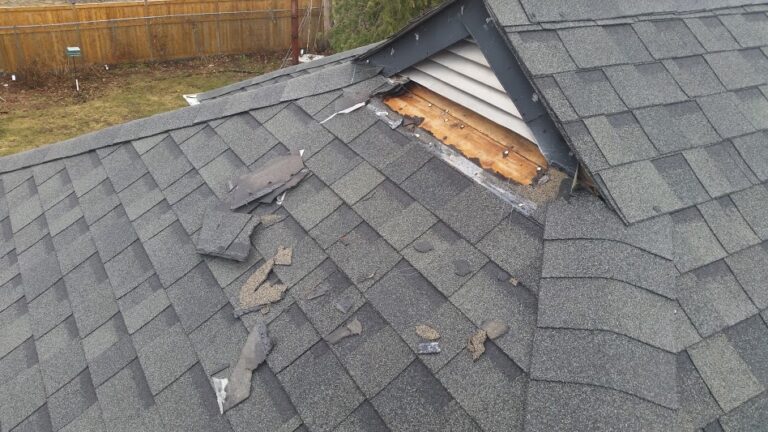
Skedaddle identifies damaged soffits, loose shingles, rotted wood, vents, and siding among the access points it investigates. Ask the technician to show you the active opening and explain other vulnerabilities, especially where a visible repair might otherwise leave another route into the same space.

Affected-area assessment

Changes inside the den area

Raccoon occupation can leave droppings and damage to insulation, ductwork, or wiring. The inspection should explain what can be reached and assessed, which materials need attention, and whether restoration is recommended, so the cleanup discussion is based on the actual condition of the space.

Concerned about activity overhead?

Describe where the activity is happening and any damage you can see from the ground. An inspection can establish the den location, check for young, and connect the removal with the repairs and cleanup your property needs.

Understanding raccoons in Alabama

  • Raccoons

Raccoons are found throughout Alabama, including urban habitats and wooded residential areas. Their presence near a home is not unusual in itself; the important distinction is whether an animal is passing through or using an opening to establish a den inside a structure.

Alabama’s wildlife agency describes natural den sites in hollow trees, rock crevices, and other sheltered places, while Skedaddle’s service assessment addresses raccoons using attics and other building spaces. That makes access and den location more useful inspection questions than simply asking whether the neighborhood has raccoons.

The state species profile reports most young being born between April and August, with young beginning to forage independently around 10 to 12 weeks. A spring or summer concern therefore needs attention to family status, not an assumption that every animal inside can leave on its own.

Those dates describe a biological pattern rather than a fixed removal rule. The actual den assessment should establish whether young are present and explain how the animals, occupied space, and building openings will be addressed together.

What to expect from a Skedaddle inspection

Skedaddle examines the entry routes, den location, signs of young, and damage associated with raccoon occupation. You receive an itemized on-site quote before work starts, so the removal, sealing, and any recommended cleanup or insulation work can be considered as one scope.

  • Activity: Establish where raccoons are using the building and locate the den.
  • Access: Identify active entry points and other weak areas needing protection.
  • Occupied spaces: Check for dependent young and affected insulation or other materials.
  • Work required: Explain removal, contamination cleanup, and exclusion recommendations.

Ask which repairs are part of the wildlife scope and whether any additional building work is needed. Keep the proposed work and guarantee terms together for reference.

Skedaddle's Three-Step Wildlife Removal Process

Step 1

Assess and Remove

The technician locates the den and checks for young before carrying out a humane removal plan. Where dependent babies are present, Skedaddle describes hand removal and a reunion-box approach that gives the mother an opportunity to retrieve them; the sequence depends on the actual den and access.

Learn more
Step 2

Clear and Clean

The local process clears and decontaminates affected areas, with damaged insulation addressed where needed. Review which spaces are included and whether attic restoration is recommended, rather than assuming the condition of the attic is resolved as soon as the raccoons leave.

Learn more
Step 3

Prevent and Protect

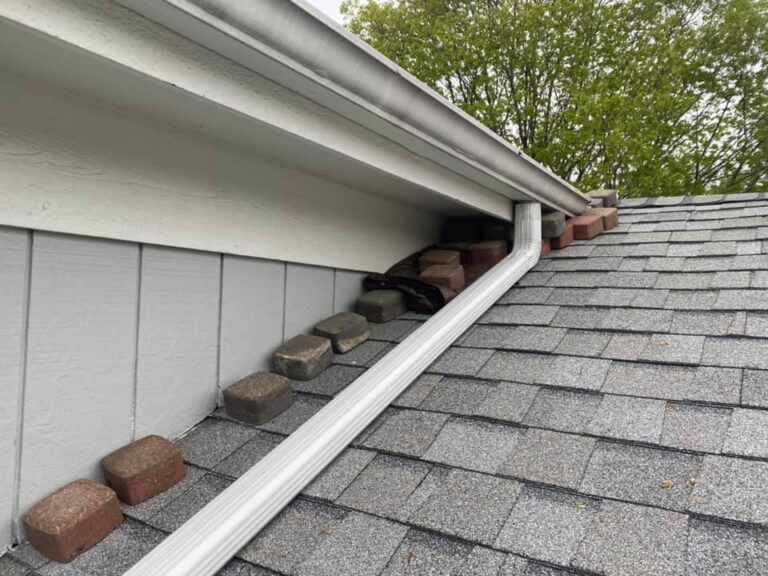
Skedaddle secures vulnerable openings using exclusion materials such as heavy-gauge screening. The lifetime workmanship and materials guarantee applies to the completed exclusion work, so have the protected openings identified clearly instead of interpreting the guarantee as unlimited coverage of the whole building.

Learn more

Seasonal activity and removal timing

Raccoon family activity can affect how a den is handled. In Alabama, the main birth period extends from April into August, so checking for young should not be treated as a spring-only task.

SeasonWhat may changeWhat it means for the homeowner
Spring(Mar–May) Peak mating is followed by the main birth period beginning in April.Ask whether the inspection found a mother and dependent young.
Summer(Jun–Aug) Most Alabama births occur between April and August.Keep young in the removal discussion, even if the problem appeared well after spring.
Fall(Sep–Nov) Young begin foraging independently at roughly 10–12 weeks.A late litter’s age still matters; let the den findings determine the plan.
Winter(Dec–Feb) Mating can begin in December, with a peak around February and March.Have suspected den activity assessed rather than closing an opening based on the season.

This table summarizes species biology, not a guaranteed removal timetable. Ask how the findings at your property change the work sequence.

A humane approach to raccoon removal

The removal should account for the animals and leave you with a practical plan for the home. These four parts help make the scope understandable before you decide to proceed.

Locating the den before choosing the method

Skedaddle combines its inspection of the building with an assessment of raccoon activity and den location. A device or repair chosen in advance cannot replace that assessment; ask why the recommended approach fits the access available at your property.

Keeping dependent young in the plan

Where babies are found, Skedaddle describes careful hand removal and a heated reunion box for the mother to retrieve them. This is a species-specific approach, not a guarantee that every removal has the same circumstances or that family reunification can be promised in advance.

Cleaning the space that was occupied

The service includes assessment of droppings, contaminated materials, and potential insulation restoration. Have those recommendations itemized, including any access limitations, so you can distinguish necessary affected-area work from a blanket assumption that every attic needs full replacement.

Securing the building afterward

Skedaddle protects vulnerable openings to prevent raccoons from re-entering. The associated workmanship and materials guarantee covers that exclusion work; keep the written terms and ask how to report a concern with a serviced opening.

Get answers about the animals and the attic

Request a written plan that covers the den, any young, the openings needing protection, and the materials affected by occupation. Review removal and cleanup together rather than leaving the condition of the space as a separate question.

Where this service is currently available

Skedaddle Birmingham handles inquiries from Birmingham, Mountain Brook, Homewood, Vestavia Hills, Hoover, Trussville, Chelsea, Pelham, Alabaster, Helena, Gardendale and beyond. If you are nearby but outside those named communities, send your address so availability can be confirmed.

Whether the concern is a chimney, attic, or another sheltered part of the building, describe the structure when you book. The Birmingham service assesses wildlife access and affected areas, and the findings at your home determine which parts of the raccoon-removal process are needed.

Frequently asked questions about raccoon removal

How much does raccoon removal cost?

Raccoon-removal pricing depends on the work required, including access, entry-point sealing, decontamination, and insulation needs. The Birmingham team provides an itemized on-site quote before work begins, allowing you to review removal and property protection without relying on a one-price estimate.

Can you remove raccoons the same day I call?

Same-day service is not guaranteed. Call to check assessment availability, and ask the technician to explain the later work sequence; den access and the presence of dependent young are among the factors that need to be understood before the removal plan is settled.

How do you remove raccoons humanely?

Skedaddle inspects the den, checks for babies, and selects a removal approach suited to the property. Its raccoon service describes careful handling of young and a reunion-box approach where appropriate, followed by entry-point protection and recommendations for the affected space.

Which areas do you serve?

Birmingham, Mountain Brook, Homewood, Vestavia Hills, Hoover, Trussville, Chelsea, Pelham, Alabaster, Helena, Gardendale and beyond. Contact the team with your address to confirm availability, especially if you are in a neighboring community not named here.

What does the exclusion guarantee cover?

Skedaddle’s lifetime guarantee covers exclusion workmanship and materials, with repair if a sealed opening fails. Ask for the covered openings and applicable written terms, and keep that explanation separate from any cleanup, attic restoration, or unrelated repairs in your quote.

Is cleanup or attic restoration included?

The raccoon service assesses contamination and may recommend insulation removal or attic restoration. The agreed scope determines what is included; ask which spaces and materials require work instead of assuming removal always includes a complete attic renovation.

What happens if a raccoon has young in the home?

The plan must account for the young before access is closed. Skedaddle describes locating and carefully removing babies, then using a reunion box that allows the mother to retrieve them; the technician should explain how the actual den conditions affect that approach.

What happens to droppings and contaminated materials after removal?

Skedaddle assesses the affected area and recommends clearing, cleaning, and restoration according to the contamination found. Ask for those tasks to be identified in writing, including the accessible spaces and any insulation work, rather than leaving cleanup as an undefined extra.

Alabama Wildlife Resources & Guides

Book your raccoon inspection

A suspected den deserves a plan that goes beyond the animal you have seen. Skedaddle assesses the access damage, den location, dependent young, and condition of the occupied space, then explains removal, exclusion, and recommended cleanup. Contact the Birmingham team with your address and observations, and use the itemized quote to understand the proposed work before agreeing to repairs or restoration.

menu