Skunk Removal in Alabama | Skedaddle skip to main content
Skip to main content
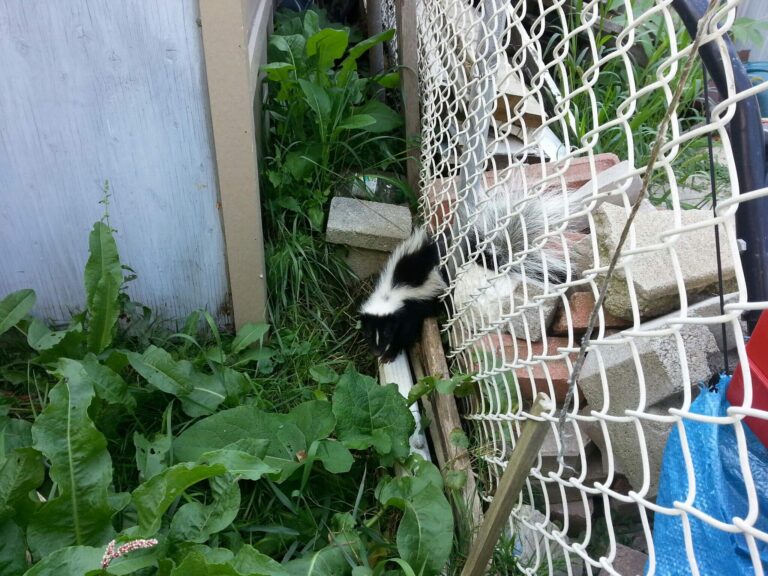
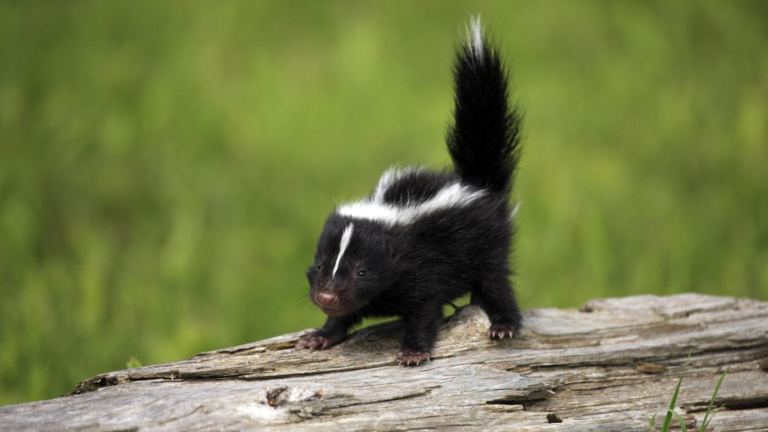
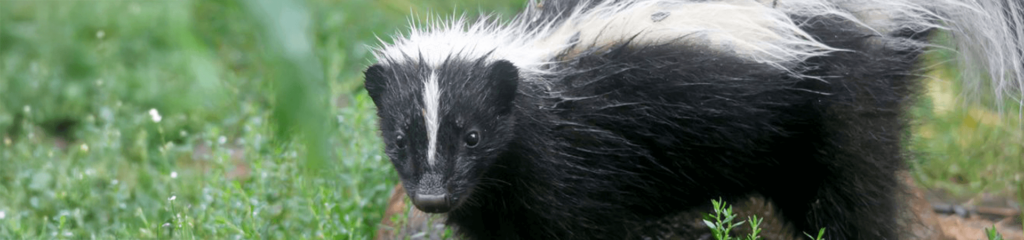
Skunk standing in grass

Alabama Skunk Removal

Contact Us
659-241-0018

Monday–Friday: 6:30 AM–8:00 PM

Saturday: 7:00 AM–4:00 PMSunday: 9:00 AM–3:00 PM Central Time

Proudly Serving • Birmingham, Mountain Brook, Homewood, Vestavia Hills, Hoover, Trussville, Chelsea, Pelham, Alabaster, Helena, Gardendale
ALABAMA · HUMANE SKUNK REMOVAL

Humane Skunk Removal in Alabama

Practical help for skunk activity beneath decks, porches, and other sheltered spaces.

Skedaddle provides humane skunk removal in the Birmingham area, beginning with an assessment of the den, access routes, and surrounding structure. Your plan connects species-appropriate removal, ground-level barriers, and recommended cleanup, with attention to dependent young where present, so the response addresses both the skunks using the space and the route beneath it.

  • Birmingham-area service
  • Skedaddle founded 1989
  • Humane removal and prevention

Why homeowners choose Skedaddle

A concern beneath a deck needs a different conversation from activity in an attic. We start with the den, the structure above it, and how the area can be protected afterward.

Ground-level assessment

Skedaddle examines access beneath decks, sheds, porches, and similar structures. That inspection helps establish where the skunks are using the space and what can be reached, instead of treating the strongest odor or the most visible hole as a complete picture of the den.

Removal linked to a suitable barrier

The skunk service connects humane removal with exclusion around the structure. Ask how the barrier will address the access found at your property and how the plan accounts for young, rather than requesting that an occupied opening simply be filled.

Clear limits to the protection

The lifetime guarantee covers the workmanship and materials used in exclusion. Have the protected perimeter and written terms identified in the quote, and keep that coverage separate from expectations about odor, outdoor skunk activity, or unrelated damage to the structure.

Signs of skunks and how they get in

Describe what you can observe without reaching into a hole or crawling beneath an occupied structure. An odor concern, visible opening, and animal sighting are different observations, so tell the team which you have actually noticed.

Den assessment

Activity near a sheltered space

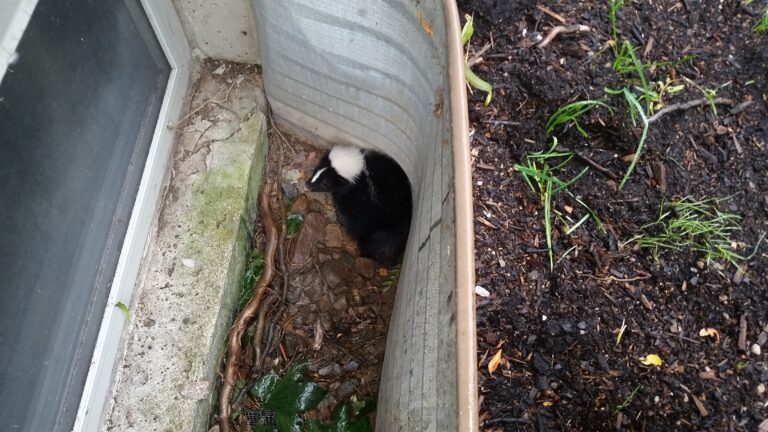
Skunks may den beneath decks and porches or in other secluded places. If you have seen one using the same gap, point out that location from a distance; the inspection can investigate the den rather than assume a skunk passing through the yard is living there.

Access inspection

Digging along a structure

Skedaddle checks for holes and displaced soil around the edges of decks, sheds, and porches. Explain where the ground or perimeter has changed, and ask which openings appear connected to the den before covering them with landscaping, boards, or new material.

Cleanup and odor assessment

Odor and the affected area

The skunk service assesses soiled material and provides deodorizing as part of its described cleanup approach. Tell the team where odor is noticeable and whether you have seen an animal; the quote should explain the affected-area work without treating smell alone as proof of a currently occupied den.

Think something is living beneath the deck?

Tell us about the opening, the structure, and any activity you have observed from a distance. Request an assessment before covering the access so the den and any young can be considered in the plan.

Understanding skunks in Alabama

  • Striped skunks
  • Spotted skunks

Alabama has striped and spotted skunks, and the state’s striped-skunk profile describes the animal as normally active at night and using underground burrows for daytime shelter. Seeing a skunk moving across the yard is therefore not the same as confirming that it has established a den under your home.

The state’s nuisance guidance identifies decks, porches, foundation openings, and other sheltered locations as possible den sites. The practical inspection emphasis is at ground level: where the opening leads, what structure it serves, and how the perimeter can be protected once the animals are accounted for.

Family status also matters. The striped-skunk profile describes late-winter to early-spring mating and young that are born blind and helpless, which is why removal planning should include the possibility of dependent young rather than rely only on the adult you have seen.

For the homeowner, the next step is not to test the den yourself. Describe the observations you already have and ask the technician to explain the species assessment, den access, and proposed barrier before any opening is closed.

What to expect from a Skedaddle inspection

Skedaddle assesses where skunks are denning, how they enter, and the access available beneath the structure. Birmingham’s itemized on-site quote gives you a chance to review the removal, perimeter protection, and affected-area work without assuming the job is an attic service.

  • Activity: Locate the den and evaluate the skunks’ use of the space.
  • Access: Examine openings and digging around the structure’s perimeter.
  • Occupied spaces: Assess dependent-young considerations and soiled material.
  • Work required: Explain removal, barrier installation, cleanup, and odor-related recommendations.

Ask which portions of the perimeter are included and what the team can access beneath the structure. Keep odor expectations and any additional repairs explicit in the agreed scope.

Skedaddle's Three-Step Wildlife Removal Process

Step 1

Assess and Remove

The skunk service locates the den, evaluates access, and accounts for dependent young before selecting the removal approach. One-way devices are among the tools described for suitable situations, not a universal solution; ask how the actual den and structure affect the sequence at your property.

Learn more
Step 2

Clear and Clean

Skedaddle cleans and decontaminates affected areas where required, with deodorizing described in its skunk service. Have the quote explain what is accessible and included, rather than assuming a ground-level den requires attic restoration or that an odor concern will disappear immediately after the animals leave.

Learn more
Step 3

Prevent and Protect

The skunk service uses barriers such as heavy-gauge screening around vulnerable structures to discourage access beneath them. The lifetime workmanship and materials guarantee covers exclusion work; ask which perimeter sections are protected and how the barrier relates to the openings identified during inspection.

Learn more

Seasonal activity and removal timing

Skunk den use changes as animals breed and raise young. Seasonal quiet can also reflect reduced activity during colder periods, so do not use a few quiet days as the only reason to close an opening.

SeasonWhat may changeWhat it means for the homeowner
Spring(Mar–May) Breeding and births can make dependent young part of a den assessment.Ask how the plan accounts for young before an adult’s route is blocked.
Summer(Jun–Aug) Young skunks develop from dependence toward dispersal.Let the actual family and den findings determine whether exclusion is appropriate.
Fall(Sep–Nov) Striped skunks increase feeding ahead of leaner winter conditions.Review vulnerable shelter beneath structures without assuming a yard sighting confirms a den.
Winter(Dec–Feb) Skunks may reduce activity during the coldest period, with breeding beginning in late winter.Have a suspected den checked even if outdoor sightings have become less frequent.

These are general biological considerations, not guaranteed dates for an individual den. Species identification and the inspection findings guide the proposed work.

A humane approach to skunk removal

A good skunk plan explains how the animal can be separated from the structure while the occupied space is addressed. It should also be honest about access limitations and odor expectations.

Choosing the approach for the den

Skedaddle assesses the skunks’ location and the structure before explaining removal. The Birmingham service emphasizes barrier-based protection for skunk access, so the discussion should focus on the actual den and perimeter rather than a generic attic-removal routine.

Accounting for dependent young

The skunk service recognizes that young hidden beneath a structure make removal more complicated. Ask how the assessment establishes whether young are present and what that means for the proposed sequence, instead of assuming the adult’s departure means the den is empty.

Discussing cleanup and odor separately

Skedaddle assesses soiled material and describes deodorizing around skunk-occupied areas. Have the expected work and limitations explained clearly; do not interpret removal as a promise of immediate odor elimination or the exclusion guarantee as separate odor-treatment coverage.

Protecting the structure's perimeter

The service uses installed barriers to limit access beneath decks, porches, and sheds. Review the protected sections and the workmanship and materials guarantee with the technician, including how to report a concern with the completed exclusion.

Plan the removal and the barrier together

An assessment can clarify the den location, the possible presence of young, and the perimeter that needs protection. Request a written scope for removal, cleanup, and exclusion so the work beneath the structure is not left undefined.

Where this service is currently available

Skedaddle Birmingham serves Mountain Brook, Homewood, Vestavia Hills, Hoover, Trussville, Chelsea, Pelham, Alabaster, Helena, and Gardendale and beyond. Send your address to confirm availability for your property, particularly if you are in a neighboring community outside the named service area.

When booking, describe the structure involved: deck, porch, shed, foundation opening, or another sheltered space. The Birmingham service identifies skunk concerns as ground-level, barrier-based work, and the inspection establishes what can be reached and protected at your particular home.

Frequently asked questions about skunk removal

How much does skunk removal cost?

The price depends on the access, exclusion materials, and any cleanup required. Skedaddle Birmingham provides an itemized on-site quote before work begins, so the scope can reflect the den and perimeter rather than a flat price that ignores the structure.

Can you remove skunks the same day I call?

Same-day inspection or removal is not guaranteed. Call for current appointment availability, and ask the technician to explain the work sequence after the den, access conditions, and possible dependent young are assessed; booking an inspection is not a promise of immediate completed exclusion.

How do you remove skunks humanely?

Skedaddle assesses the den and selects an approach suited to the animals and structure, with barriers to prevent return. One-way devices may be appropriate in some cases, while dependent young and access beneath the structure must be considered before the plan is settled.

Which areas do you serve?

This page currently serves Birmingham, Mountain Brook, Homewood, Vestavia Hills, Hoover, Trussville, Chelsea, Pelham, Alabaster, Helena, and Gardendale. Contact the Birmingham team with your address if you are in a nearby community not listed here, and confirm availability rather than assuming the Alabama page means statewide service.

What does the exclusion guarantee cover?

The lifetime guarantee covers the workmanship and materials used for exclusion. Ask which barrier sections and written terms apply; the guarantee is not a promise of spray-free removal, immediate odor elimination, or the absence of skunks elsewhere on the property.

Is cleanup or restoration included?

Skedaddle’s skunk service assesses soiled material and describes cleanup and deodorizing around the occupied area. The agreed scope determines what is included and accessible.

How do you assess activity beneath a deck or shed?

Skedaddle checks the perimeter, entry points, and den location and considers whether young are present. Share the observations you already have from a distance, then ask how the structure’s access affects both removal and the barrier recommended afterward.

Can you guarantee there will be no spraying during removal?

No spray-free guarantee is made here. Skunks can spray defensively when threatened, so ask the technician to explain the proposed approach and odor considerations without treating a humane removal plan as certainty about an animal’s response.

Alabama Wildlife Resources & Guides

Book your skunk inspection

If you have noticed an opening under a structure, repeated skunk activity, or an odor concern you cannot explain, start with an assessment rather than closing the space yourself. Skedaddle evaluates the den, removal needs, affected materials, and suitable perimeter protection. Contact the Birmingham team with your address and a description of the structure to discuss a written plan for the work.

menu