Squirrel Removal in Alabama skip to main content
Skip to main content
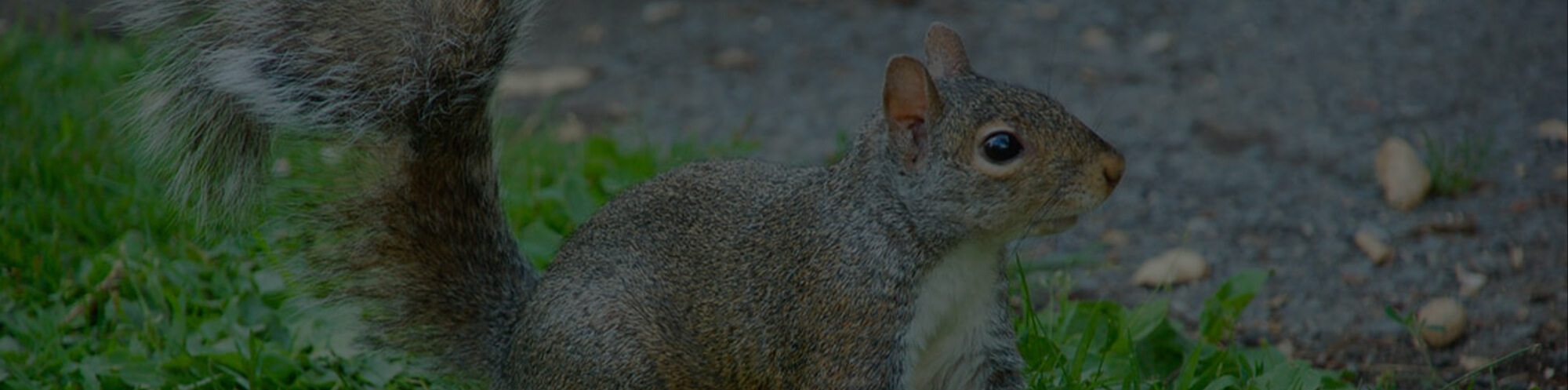
Squirrel sitting on the ground with its tail raised

Alabama Squirrel Removal

Contact Us
659-241-0018

Monday–Friday: 6:30 AM–8:00 PM

Saturday: 7:00 AM–4:00 PMSunday: 9:00 AM–3:00 PM Central Time

Proudly Serving • Birmingham, Mountain Brook, Homewood, Vestavia Hills, Hoover, Trussville, Chelsea, Pelham, Alabaster, Helena, Gardendale
ALABAMA · HUMANE SQUIRREL REMOVAL

Humane Squirrel Removal in Alabama

Squirrel removal for the Birmingham area.
An inspection-led plan for your property.

Skedaddle provides humane squirrel removal in the Birmingham area, beginning with an inspection to identify activity, entry points, and affected spaces. Your property-specific plan brings together humane removal, entry-point sealing, and recommended cleanup, with attic restoration where needed and included in the agreed work, so the response addresses more than the animal you can hear.

  • Birmingham-area service
  • Skedaddle founded 1989
  • Humane removal and prevention

Why homeowners choose Skedaddle

Knowing what is getting in is only the beginning. Ask for a plan that explains the removal, the openings that need attention, and what happens to the affected space afterward.

Property-specific inspection

Skedaddle assesses how squirrels entered, where they are nesting, and which other openings need attention, giving you a removal plan based on your home rather than a standard device or an assumption about the noise overhead.

Humane removal and prevention

The team selects the approach after assessing the property and checks for dependent young, connecting removal with entry-point protection instead of leaving the original access route unresolved.

Workmanship and materials guarantee

Skedaddle's lifetime guarantee covers the workmanship and materials used in its exclusion work, with the serviced openings and written coverage explained as part of your plan rather than a promise that every part of the property is permanently wildlife-proof.

Signs of squirrels and how they get in

Start with what you have noticed: the time of day, the location of the sound, and any visible change to the building. Share those observations when booking, without climbing onto the roof or attempting to close an occupied opening.

Species identification

Sounds and other clues

Rustling or gnawing sounds, stored nuts, and damaged exterior materials can point to squirrel activity in an attic. Note where the sounds occur and whether you have seen an animal use a particular opening; those details give the inspection a useful starting point without turning a sound into a confirmed diagnosis.

Entry-point inspection

Openings along the building

Alabama Extension identifies siding, soffits, fascia boards, and ridge vents as places to check for squirrel access. Skedaddle's assessment looks beyond the obvious opening to other vulnerabilities in the home, helping distinguish the route currently in use from areas that may also need protection.

Affected-area assessment

What is happening inside

Squirrel occupation can involve gnawed wiring, food caches, droppings, and soiled insulation, not simply an animal passing through the roofline. Skedaddle assesses the den site and the condition of affected materials so cleanup and any recommended restoration can be discussed alongside removal.

Not sure what is getting in?

Tell us where you hear movement, when it happens, and what you can see from the ground. Request an inspection to move from observations to a property-specific plan without guessing which animal is responsible.

Understanding squirrels in Alabama

  • Gray squirrels
  • Fox squirrels
  • Southern flying squirrels

Alabama is home to gray squirrels, fox squirrels, and southern flying squirrels, so “squirrel activity” does not describe just one animal or routine. Gray squirrels are active during the day, while southern flying squirrels are nocturnal; nighttime movement should not be dismissed simply because a gray squirrel was seen outside earlier.

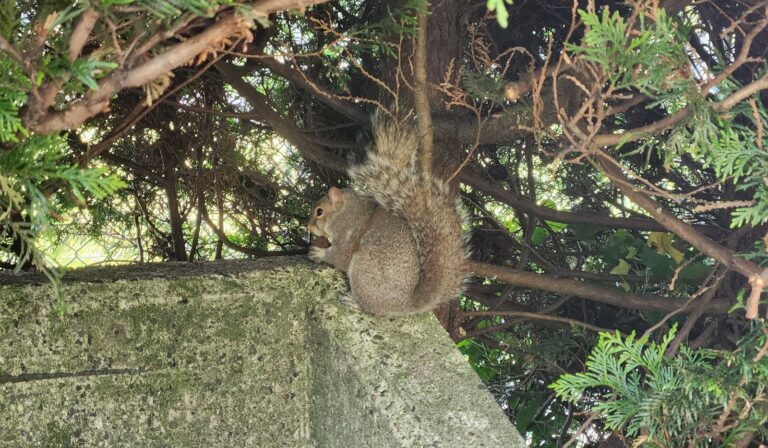
Gray squirrels use tree cavities as well as leaf-and-twig nests, and that cavity-nesting behavior can bring them into attics and other sheltered parts of buildings. The useful question is not whether squirrels live in the neighborhood, but whether a particular opening gives them access to your home.

Family status also matters: Alabama Extension describes gray squirrel litters usually arriving in late February to early March and again in July to August. Its attic guidance warns that excluding a parent while dependent young remain inside can leave those young trapped; the calendar is a reason to investigate, not a substitute for checking the nest.

What to expect from a Skedaddle inspection

Skedaddle begins with a property assessment to locate squirrel access, nesting areas, and damage, then explains the recommended response. The Birmingham service includes an itemized on-site quote before work starts, so you can review the proposed removal, exclusion, and affected-area work together.

  • Activity: Identify the squirrel problem and where the animals are using the home.
  • Access: Locate active entry points and other openings requiring protection.
  • Occupied spaces: Check the den site, dependent young, and affected materials.
  • Work required: Explain removal, sealing, and recommended cleanup or insulation work.

Ask for the included work and guarantee coverage to be clearly identified in your quote. Do not assume that an inspection appointment includes immediate removal or that every attic needs full insulation replacement.

Skedaddle's Three-Step Wildlife Removal Process

Step 1

Assess and Remove

The technician uses the inspection to select a humane removal approach and establish whether young are present. Ask how the proposed method fits the animals, their location, and the access available at your home, rather than choosing a particular exclusion device before the assessment is complete.

Learn more
Step 2

Clear and Clean

Skedaddle recommends clearing nesting material and contamination based on the affected area's condition. The Birmingham process also addresses damaged insulation where needed; your agreed scope should make clear which spaces will be cleaned and whether attic restoration is part of the work.

Learn more
Step 3

Prevent and Protect

The team secures vulnerable entry points with durable exclusion materials, connecting the removal with protection against re-entry. The completed exclusion carries a lifetime guarantee on workmanship and materials; keep the written scope so you know which work is covered and whom to contact.

Learn more

Seasonal activity and removal timing

Squirrel activity changes with the seasons, from raising young to gathering food. Here's what those changes can mean for your home and what we'll look for during an inspection.

SeasonWhat may changeWhat it means for the homeowner
Spring(Mar–May) Late-winter and early-spring litters go through a period of dependence and weaning.Confirm how young will be accounted for in the removal plan.
Summer(Jun–Aug) A second breeding peak occurs in June, with litters usually born in July–August.Do not assume baby-season checks are only a spring concern.
Fall(Sep–Nov) Gray squirrels gather and store nuts and acorns.Have suspected indoor activity assessed before scheduling entry-point repairs.
Winter(Dec–Feb) Gray squirrel breeding peaks in January, with litters commonly beginning in late February.Ask about nest checks before any occupied opening is closed.

The dates above describe gray squirrel biology, not a statewide squirrel-exclusion ban. Identification, nest condition, and the inspection findings should guide the individual plan.

A humane approach to squirrel removal

An effective plan needs to explain both the immediate removal and the condition of the home afterward. Ask how each part of the proposed work contributes to that outcome, from the occupied nest to the finished seal.

Inspection-led removal

Skedaddle builds its squirrel-removal plan around the home's vulnerabilities and den location, with one-way doors used where appropriate rather than on every job. Treat the inspection as the point at which the method is selected, not simply a visit to install a device chosen in advance.

Accounting for mothers and young

When dependent squirrel young are present, Skedaddle describes careful hand removal and a reunion-box approach that allows the mother to retrieve them. The priority is to account for the family before closing its route inside, without promising that every property will require exactly the same sequence.

Cleaning the space squirrels occupied

The squirrel service includes assessment of nesting material, contamination, and soiled insulation, while the local process provides for cleanup and insulation work where needed. Review which affected spaces can be accessed and what the quote includes instead of assuming that removal alone resolves the condition of the attic.

Protecting the completed work

Skedaddle uses durable screening and other exclusion materials to secure openings. The lifetime workmanship and materials guarantee applies to that exclusion work, not to eliminating squirrels from the neighborhood or guaranteeing that unrelated building damage can never create another opening.

Ready for a property-specific plan?

Request an assessment of the squirrel activity, the openings that need protection, and the condition of the affected space. Use the written scope to compare the proposed removal, cleanup, and prevention work before deciding how to proceed.

Where this service is currently available

This Alabama species page currently serves the Birmingham area, including Mountain Brook, Homewood, Vestavia Hills, Hoover, Trussville, Chelsea, Pelham, Alabaster, Helena, and Gardendale. Contact the team with your address to confirm availability for your property; the state-level page does not mean every Alabama community is currently served.

In Mountain Brook, house sites and tree-canopied roads were deliberately integrated into the natural landscape. For a home with branches close to the building, discuss that access as well as the roofline: Alabama Extension identifies overhanging branches and structural openings as relevant to squirrel prevention.

Visit wildlife removal in Birmingham for the local service overview or Mountain Brook wildlife removal for the community page. To request a squirrel assessment, include your city and a short description of what you have noticed.

Frequently asked questions about squirrel removal

How much does squirrel removal cost?

There is no single price for every home; Birmingham pricing depends on entry points, access, materials, and whether cleanup or insulation work is needed. The technician provides an itemized on-site quote before work begins, so you can review the proposed work rather than rely on an unsighted estimate.

Can you remove squirrels the same day I call?

Same-day inspection or removal is not guaranteed under the approved Birmingham service guidance. Call 659-241-0018 for current availability, and distinguish the first assessment appointment from the schedule for completing removal, entry-point sealing, and any additional work.

How do you remove squirrels humanely?

Skedaddle starts with an inspection, selects a property-specific method, and accounts for dependent young. The plan connects removal with entry-point protection and recommended clearing of affected material, rather than treating removal as the end of the job.

Which areas do you serve?

This page currently routes inquiries to the Birmingham team serving Birmingham, Mountain Brook, Homewood, Vestavia Hills, Hoover, Trussville, Chelsea, Pelham, Alabaster, Helena, and Gardendale. If you are in a nearby community, provide your address when requesting service so the team can confirm availability; do not assume statewide coverage from the Alabama page title.

What does the exclusion guarantee cover?

The lifetime guarantee covers workmanship and materials used in Skedaddle's exclusion work. If a sealed opening fails, the Birmingham guarantee explanation states that the team returns to repair it; ask for the serviced openings and applicable written terms to be explained with your quote.

Is cleanup or attic restoration included?

Cleanup and insulation work should follow the property's condition and the agreed scope, as described in the approved Birmingham handoff. Skedaddle assesses nesting material and soiled insulation; ask which spaces are included rather than assume that every squirrel removal requires a whole-attic replacement.

What if there are baby squirrels in the attic?

Do not close the entrance before the family has been assessed: excluding parents can leave dependent young inside. Skedaddle's squirrel service describes locating young and using a reunion-box approach when appropriate, with the sequence determined by the actual nest and access conditions.

Could nighttime scratching still be squirrels?

Yes: southern flying squirrels are nocturnal, unlike daytime-active gray squirrels. That difference makes timing a useful observation, not a complete identification; tell the technician when and where the sounds occur and whether you have seen an animal enter the building.

Alabama Wildlife Resources & Guides

Let's start with an inspection

Book your squirrel inspection

Movement overhead, gnawed roofline materials, or stored nuts in an attic are reasons to have suspected squirrel activity checked. Ask Skedaddle Birmingham for a plan that connects humane removal with entry-point protection and affected-area cleanup, including attic restoration where the inspection shows it is needed and the work is agreed.

menu