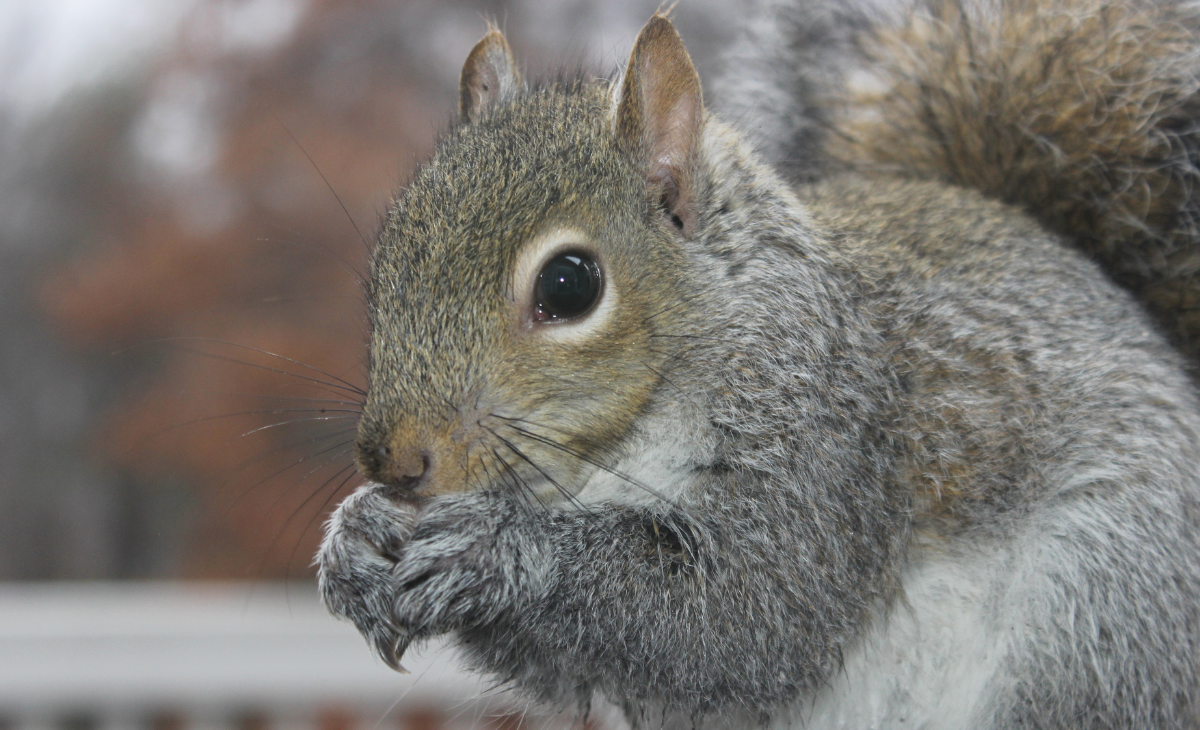
Your attic could become a fall squirrel nesting site. These animals become highly active as they gather food and look for shelter before Minnesota’s cold weather arrives. Loose soffits, damaged vents, fascia gaps, and other weak roof areas may provide a direct path inside.
You may see them crossing branches, fences, gutters, and roofs more often during fall. An attic can offer warmth, safety, and a quiet place to build a nest. Once inside, they may damage insulation, wood, vents, stored items, and electrical wires.
You should never enter the attic, approach a nest, clean waste, or seal an opening without knowing what remains inside. At Skedaddle Humane Wildlife Control in Bethel, we inspect the full attic and roofline before planning any work. In this blog, we explain fall food storage, attic access, warning signs, possible damage, and how professional removal and prevention protect your home.
When Do Squirrels Start Storing Food for the Winter?
Squirrels begin storing more food during late summer and fall when nuts and seeds become widely available. They usually hide food in many places instead of keeping it in one large store. This behavior helps them find meals during colder months.
Gray squirrels may bury acorns and other food across lawns, gardens, and wooded areas. According to the Minnesota Department of Natural Resources, one gray squirrel can hide 25 nuts in half an hour. It can later find about 80 percent of what it buried.
This busy food search brings them closer to Bethel homes. They may cross tree branches, fences, gutters, and roofs while looking for places to hide food or rest. Our professional inspection can find roof damage before an attic becomes a long-term nesting site.
How an Attic Becomes a Fall Nesting Site
An attic offers many of the same benefits as a sheltered tree cavity. It provides warmth, protection from bad weather, and a quiet place to build a nest. Several exterior features can help squirrels reach a weak point along your roof.
Common access routes include:
- Branches that Provide Roof Access: Branches reaching toward a home can create a direct route to the roof. These animals are skilled climbers and jumpers that can move from a tree to shingles or gutters. Once there, they can search the roof edge for a weak area.
- Loose Soffits: Soffits cover the underside of the roof edge. Wind, moisture, age, and past damage may cause sections to loosen. A squirrel can push or chew through a weak piece and enter the attic.
- Damaged Vents: Plastic, wood, and thin vent covers may not resist repeated chewing. Existing damage can make a roof or attic vent even easier to open. Our team checks the cover and surrounding materials for hidden gaps.
- Fascia and Roofline Gaps: Spaces may form where shingles, fascia, soffits, and other materials meet. Squirrels can widen a weak gap with their teeth. An opening near the roof edge may lead directly behind insulation or into the attic.
- Old or Storm-Related Damage: Strong wind, moisture, repairs, and aging materials can leave vulnerable areas behind. An opening from an earlier problem may also reopen. Our professional inspection finds both active entry points and other weak areas.
Why Fall Activity Increases Around Bethel Homes
Nuts, seeds, and other food sources become easier to find during late summer and fall. Squirrels spend more time running, digging, carrying food, and hiding it in different places. This leads to more activity on lawns, trees, fences, roofs, and gutters.
Falling Minnesota temperatures also make protected spaces more attractive. An attic offers shelter from rain, wind, and early cold weather. It may remain warmer and drier than an outdoor nest during changing fall conditions.
Gray squirrels commonly build leafy nests in summer and fall. However, an open attic may provide more protection than a tree. A fall inspection can identify early activity before winter makes the space even more useful.
Signs of Activity in the Attic
Squirrels may remain hidden after entering your home. You will often hear or notice signs before you see one. Our professional wildlife team can identify the likely source without asking you to enter the attic.
Watch for these common warning signs:
- Scratching and Running Sounds: You may hear quick movement across the attic floor or above the ceiling. The sounds are often most noticeable during the morning or daytime. Repeated noise in the same area may point to a regular travel route.
- Chewing Noises: These animals may gnaw wood, vents, insulation, boxes, or electrical wires. The sound may seem to come from the roof edge or inside a wall. Damaged wires can increase the risk of an electrical problem or fire.
- Disturbed Insulation: Nesting activity can flatten, tear, or move attic insulation. Soft pieces may also become part of a sheltered nest. Our team can assess both the insulation damage and any contamination.
- Exterior Entry Damage: Chew marks, loose soffits, broken vents, or holes near the fascia may point to attic access. The first hole you see may not be the only weak area. A complete roofline inspection is needed before repairs begin.
- Droppings and Odors: Waste, food stores, and nesting materials can create stains or strong smells. You should not touch or clean these contaminated areas. Skedaddle can assess the space and complete professional sanitation after removal.
Why Entry Holes Must Be Inspected Before Sealing
You should never seal an entry hole simply because no squirrel is visible outside. One may still be resting inside the attic or hiding behind insulation. Dependent young may also be present during some parts of the year.
Closing an opening too soon can trap squirrels inside or separate a mother from her young. A trapped squirrel may chew a new hole while trying to escape. It may also enter a wall or move closer to your living space.
The visible opening may be only one part of the problem. Other gaps could remain around soffits, vents, fascia, or roof joints. Our team inspects the entire attic and roofline before planning removal and exclusion.
Attic Damage and Contamination
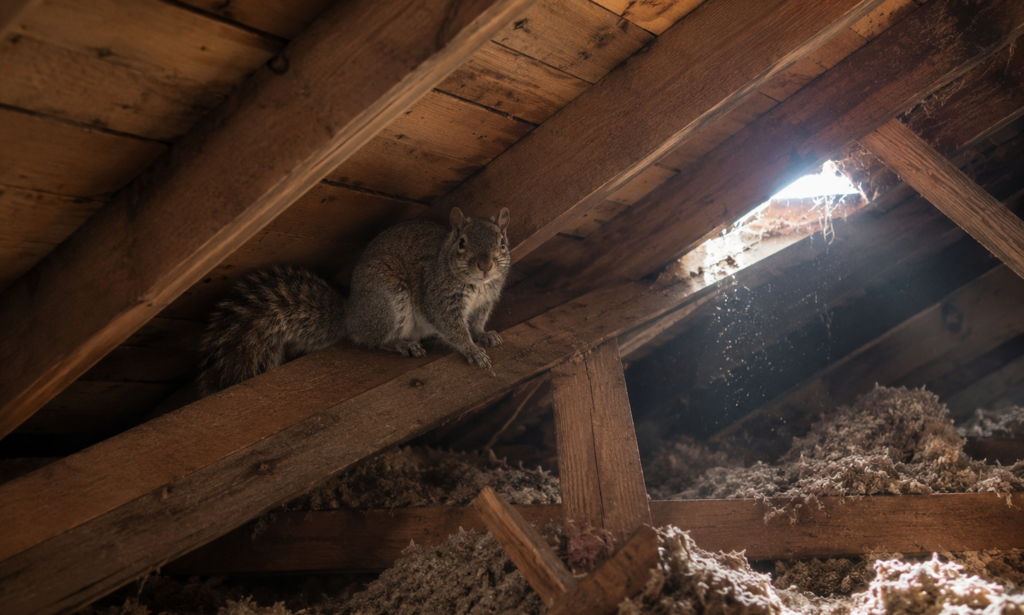
Squirrels can chew electrical wires, vents, wood, storage boxes, and other building materials. Damaged wires may cause equipment failure or increase the risk of fire. Chewing near roof edges may also let water enter the attic.
Nesting activity can tear, flatten, and contaminate insulation. Damaged insulation may not hold heat as well during a Minnesota winter. This can make parts of your home less comfortable and increase heating needs.
Droppings, urine, food stores, and nesting materials can create odors and health concerns. You should not move nests, handle waste, or clean contaminated insulation. Our trained team has the equipment needed to assess and restore the affected space.
How Professional Inspection Finds the Full Problem
Seeing a squirrel on your roof does not show the full extent of the problem. It may only be passing through, or it may already have a nest inside. Our professional wildlife team checks both the interior and exterior of your property.
A complete assessment may include:
- Attic Inspection: We check for nests, disturbed insulation, waste, food stores, and property damage. Our team also determines whether one squirrel or a family may be present. This information guides the humane removal plan.
- Roofline Inspection: We examine soffits, fascia, vents, shingles, roof joints, and other vulnerable areas. We look for both active openings and chewing damage. This prevents the plan from focusing on only one visible hole.
- Access-Route Review: We assess branches, gutters, downspouts, fences, and nearby structures that may help them reach the roof. Regular travel routes can explain repeated activity in one area. These findings help us plan stronger prevention.
- Damage and Contamination Assessment: Our team checks for damaged wood, chewed wires, torn insulation, droppings, and nesting material. This shows which areas need our professional cleaning or restoration. You do not need to enter the attic or handle affected materials.
- Removal and Exclusion Plan: We use the inspection findings to build a plan for the complete property. It covers removal, sanitation, damage, active entry points, and other weak areas. This complete approach helps prevent the problem from returning.
How Professional Exclusion Prevents Another Entry
Exclusion is the professional process of securing the openings squirrels use to enter. Our team reinforces soffits, fascia, vents, roof joints, and other vulnerable areas. We use durable materials because weaker repairs may not resist chewing.
Removal alone cannot provide lasting protection when the roof remains open. Another squirrel may find the same gap after the first one has left. Every active and possible entry point must be considered.
Our professional sanitation removes food stores, nesting materials, waste, and odors from the attic. Restoration addresses damaged or contaminated materials. Inspection, humane removal, cleaning, repair, and exclusion work together to protect the home.
Squirrel Removal and Prevention with Skedaddle
At Skedaddle Humane Wildlife Control in Bethel, we begin with a detailed attic and exterior inspection. We identify active entry points, check for young, and assess damage and contamination. Our findings allow us to choose the right humane removal method.
When appropriate, we install one-way doors that allow wildlife to leave but prevent them from getting back inside. Young that cannot leave on their own require a different professional method that protects the family. We confirm that the attic is clear before closing an active opening.
Our team then removes contaminated nesting materials and completes professional sanitation where needed. We secure vulnerable areas with durable exclusion materials and address damaged attic spaces. You do not have to climb onto the roof, enter the attic, handle waste, or complete repairs yourself.
Squirrel Attic Problems in Bethel
Bethel’s wooded properties and mature trees can bring squirrels close to homes. Fall food gathering increases their travel across branches, roofs, fences, and residential yards. Attics can become more attractive as Minnesota temperatures begin to fall.
Branches, loose soffits, damaged vents, fascia gaps, and roofline damage may provide attic access. One opening can lead behind insulation or into nearby wall spaces. Scratching or chewing above the ceiling may be the first sign you notice.
Sealing one visible hole does not address hidden squirrels, young, contamination, or other weak areas. The entire attic and roofline need a professional inspection. Our team finds the source, completes humane removal and cleaning, and secures the home against another intrusion.
Frequently Asked Questions
Why do squirrels enter attics in the fall?
Attics provide warmth, shelter, and protection from harsh weather. Fall food gathering also brings squirrels onto roofs more often. An open vent, soffit, or roof gap can then provide a route inside.
What time of day are attic squirrels most active?
Squirrels are usually active during daylight hours. You may hear them most often in the morning or later in the afternoon. Nighttime sounds may point to a different source that still requires our professional inspection.
What do squirrels in an attic sound like?
They may create running, scratching, chewing, or rolling sounds above your ceiling. The noise may move across the attic as they travel or gather nesting material. Repeated daytime sounds should be assessed by a professional.
Can squirrels damage attic insulation?
Yes, nesting can tear, flatten, move, and contaminate insulation. This damage may reduce the home’s ability to hold heat. Waste and nesting materials may also require our professional sanitation.
Can an entry hole be sealed while a squirrel is inside?
No, sealing too early can trap a squirrel or separate a mother from her young. A trapped squirrel may cause more damage while searching for another exit. Our team must inspect the attic before any opening is secured.
Who should inspect a Bethel attic for squirrels?
Our trained wildlife professional should inspect the attic and full roofline. Skedaddle can locate entry points, check for young, assess damage, and complete humane removal. We also clean affected areas and prevent re-entry.
Keep Fall Nesting Activity Out of Your Attic
Fall food storage and falling temperatures can increase squirrel activity around Bethel homes. Branches may provide roof access, while loose soffits, damaged vents, fascia gaps, and other weak areas can lead into the attic. Once inside, these animals may nest, store food, damage materials, and contaminate insulation.
Scratching, chewing, running sounds, odors, waste, and disturbed insulation may all point to hidden activity. You should not enter the attic, approach a nest, clean contaminated materials, or seal an opening yourself. Our professional inspection must happen before exclusion, especially when young may be present.
At Skedaddle Humane Wildlife Control in Bethel, our professional wildlife team handles inspection, humane removal, sanitation, attic restoration, and prevention. We identify the full problem instead of focusing only on the first visible hole.
After the attic is clear, we secure vulnerable areas with durable exclusion materials. This complete process helps prevent another squirrel from using the same roofline weaknesses. Contact us to request an estimate and learn more about protecting your Bethel home from fall nesting activity.

 Loading...







