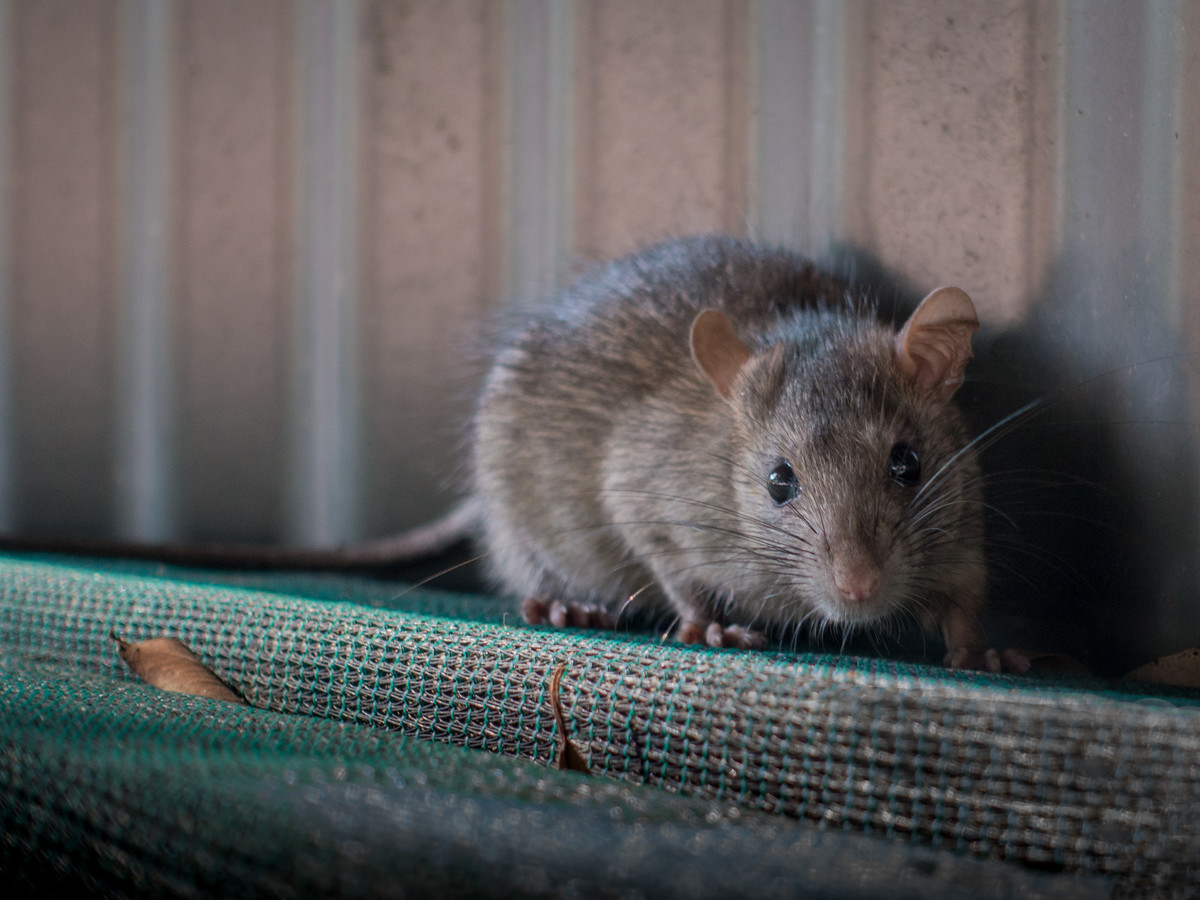
In the heart of Minnesota’s business district, infestations of rats in commercial buildings have become a growing concern for property owners. At Skedaddle Humane Wildlife Control, we’ve seen firsthand how these resilient rodents can infiltrate even the best-maintained properties across Blaine and Anoka County.
Understanding how these pests enter your commercial property is the first step toward preventing an infestation that could damage your reputation, compromise health standards, and impact your bottom line. Our team has helped countless Minnesota business owners identify and seal entry points while implementing effective prevention strategies tailored to commercial environments.
How Rats Enter Commercial Buildings: Common Access Points
Rats are remarkably adaptable creatures with physical abilities that make them proficient infiltrators. These pests can squeeze through openings as small as a quarter for Norway rats or even a dime for roof rats. This flexibility allows them to exploit various entry points throughout commercial structures.
Foundation and Ground-Level Entry Points
The foundation of your commercial building often provides rats with their first opportunity to enter:
- Cracks and gaps in the foundation can develop due to settling, weather exposure, or construction issues. Rats can easily chew and enlarge these openings.
- Utility penetrations where pipes, electrical conduits, and gas lines enter buildings create ideal entry points. These areas often have small gaps that maintenance teams overlook during inspections.
- Loading dock areas can present multiple entry opportunities, especially in buildings with frequent deliveries. When doors remain open or don’t seal properly when closed, rats can slip inside unnoticed.
- Damaged door sweeps and weather stripping around exterior doors provide easy ground-level access. Commercial buildings with multiple entry points are particularly vulnerable if door maintenance is neglected.
For food service businesses, restaurant kitchens and food processing facilities in Blaine are especially vulnerable to rat infestations due to abundant food sources. We’ve noticed that commercial kitchens often have multiple potential entry points near floor drains, behind equipment, and around plumbing fixtures.
Roof and Upper-Level Access
While many business owners focus exclusively on ground-level entry, rats are excellent climbers and can access buildings from above:
- Roof vents and HVAC systems often have gaps or damaged screens that rats can exploit.
- Utility lines and pipes leading to the roof act as “highways” for rats to reach rooftop openings.
- Tree branches overhanging buildings create natural pathways for rats to reach upper levels.
- Gaps in soffits and fascia boards provide entry to attic spaces, where rats can establish large nests undisturbed.
Hidden Plumbing Routes
One of the most overlooked entry methods is through the plumbing system:
- Sewer lines can provide access when broken pipes or improperly sealed connections exist.
- Floor drains with damaged or missing covers serve as open invitations for rats.
- Older commercial buildings throughout Anoka County often have legacy plumbing issues that create ideal routes from the sewer system directly into commercial spaces.
Why Rats Target Commercial Buildings in Blaine
Understanding what attracts rats to commercial properties can help business owners develop effective prevention strategies.
Food Sources and Storage Practices
Rats are opportunistic feeders that require relatively little sustenance to survive and thrive:
Abundant food sources are common in commercial settings. Restaurant kitchens, employee break rooms, and poorly maintained dumpsters provide rats with all the sustenance they need. Even the scent of well-sealed food products in warehouses can attract these pests.
Shelter and Nesting Opportunities
Throughout commercial buildings, rats find numerous hiding spots to establish nests. Spaces like drop ceilings, storage areas, wall voids, insulation, and cluttered maintenance zones offer safe and quiet shelter for rats, free from frequent human disturbance.
Water Sources
Like all mammals, rats require consistent access to water:
- Leaky pipes and faucets in bathrooms and kitchens.
- Condensation from HVAC systems.
- Poor drainage around foundations.
- Standing water in loading dock areas.
The Business Impact of Rat Infestations
When these pests establish themselves in commercial buildings, the consequences extend beyond immediate nuisances.
Health Code Violations and Regulatory Concerns
Businesses in Minnesota, particularly in food service or hospitality, can face grave consequences from rat infestations, including failed health inspections, costly public health citations, legal liability, and mandatory reporting to local health authorities.
Structural and Equipment Damage
Rats cause significant damage to commercial properties:
- Electrical wiring damage can create fire hazards and cause equipment failures.
- Insulation destruction leads to increased energy costs.
- Gnawed inventory and packaging result in substantial product losses.
- Damaged communication lines can disrupt business operations.
The Psychological and Emotional Toll
An often-overlooked aspect is the psychological impact on business owners and employees:
Stress and anxiety become constant companions for business owners facing persistent infestations, significantly affecting customer experiences and engendering health code violations. Employee morale and productivity also decline when staff members know rats are present, leading to increased absenteeism and decreased workplace satisfaction. Management frustration builds as DIY solutions fail, creating a cycle of temporary fixes followed by reinfestation that drains both financial and emotional resources.
Preventing Rats in Businesses: Comprehensive Strategies
Effective rat prevention for commercial buildings requires a multi-faceted approach that addresses all potential entry points and attractants. Here’s how to start:
Exterior Prevention: Creating a Protective Perimeter
Establish a defensive barrier around your property:
- Regularly inspect the exterior for potential entry points such as foundation cracks, utility penetrations, and roof access spots.
- Install heavy-gauge metal mesh over vents and necessary openings to prevent rat entry while maintaining airflow.
- Ensure all exterior doors have proper door sweeps and weather stripping, especially in loading dock areas.
- Maintain a vegetation-free zone of at least 2 feet around the perimeter and keep tree branches trimmed to prevent roof access, ensuring an 8-foot clearance from the building.
Interior Focus: Eliminating Attractants
Blaine business owners should adopt these practices in their interiors:
- Establish strict food storage protocols in employee areas and inventory.
- Regularly clean all food preparation zones, ensuring no residue remains overnight.
- Promptly repair plumbing leaks to eliminate water sources.
- Organize storage spaces to eliminate hiding spots, keeping products on shelves instead of directly on the ground.
Waste Management Excellence
Proper waste handling is critical for rat prevention:
- Implement rodent-proof containers with tight-fitting lids.
- Maintain cleanliness in waste areas to prevent accumulation.
- Consider increasing the frequency of waste pickups.
By following these strategies, business owners can effectively protect their properties from rat infestations.
Keeping your commercial building rat-free not only safeguards your property but also preserves your reputation and ensures a healthier environment for employees and customers. If you’re dealing with a rat issue or want to proactively protect your business, contact Skedaddle for expert guidance and humane solutions. Our team is ready to help you implement the most effective rat prevention strategies, ensuring peace of mind and security for your property.
Reach out to Skedaddle today to keep your business safe from unwanted rodent guests.

 Loading...







