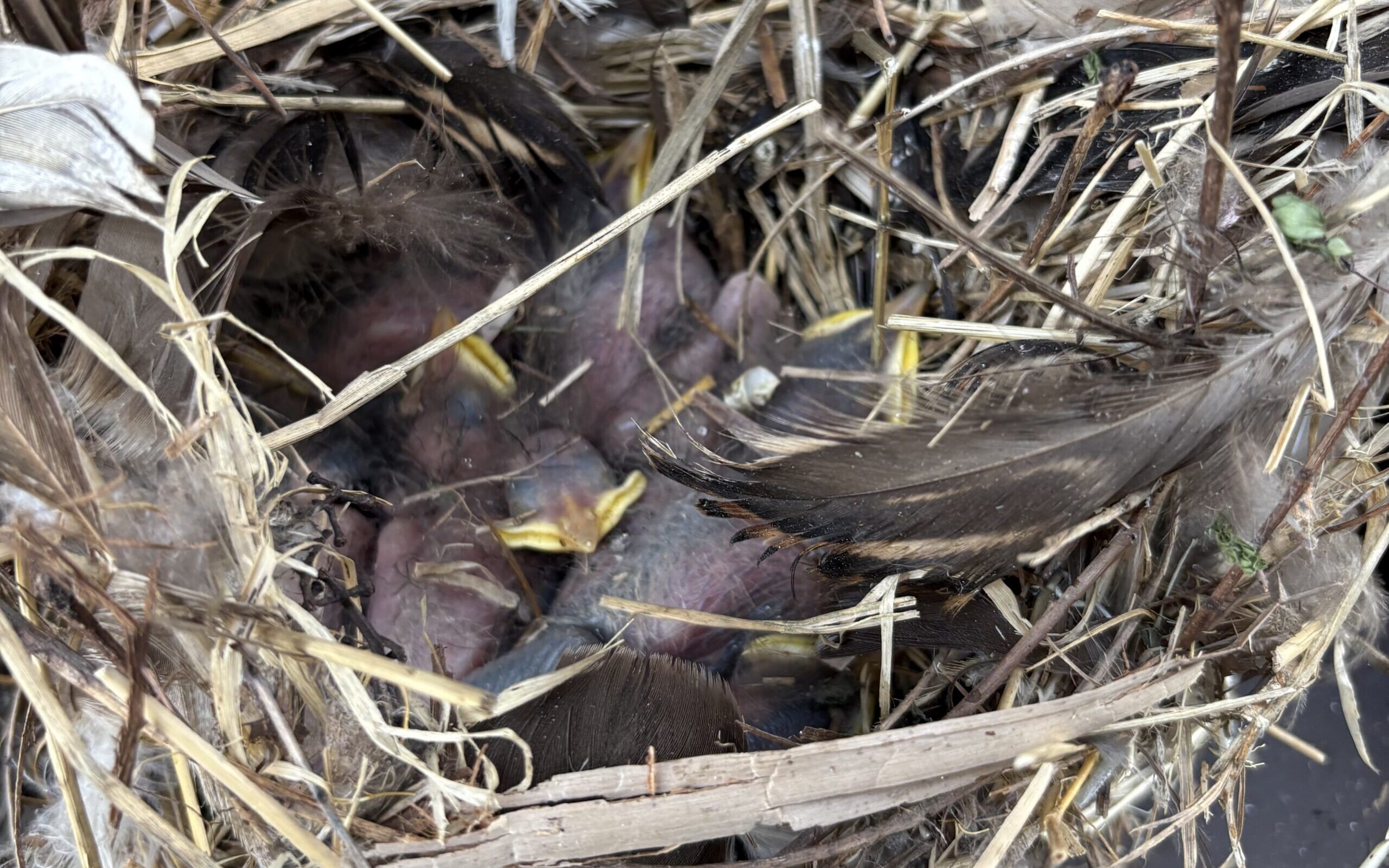

Winter in Blaine can be harsh, and as temperatures drop, wildlife naturally seeks warmth and shelter. Among these are birds, which may find cozy spaces around homes to escape the cold. Birds nesting in the home during winter may seem harmless at first, but their presence can create safety concerns, property damage, and health risks if left unaddressed.
At Skedaddle Humane Wildlife Control in Blaine, we help homeowners understand why birds are drawn to homes in winter and how to prevent long-term issues. By assessing potential entry points and guiding property improvements, we ensure that homes remain safe while respecting wildlife.
Why Birds Seek Shelter During Winter
Birds face food shortages, freezing temperatures, and harsh winds in winter months. To survive, many species look for sheltered, quiet areas that provide warmth and protection. Homeowners often notice species like sparrows, starlings, and pigeons near rooflines or vent openings, searching for refuge from the elements.
Studies show that urban and suburban areas can attract birds because of the combination of warmth, shelter, and consistent food sources. When these birds find a safe space, they may attempt birds nesting in the home during winter, which can lead to unexpected challenges.
Common Areas Birds Are Attracted To Around Homes
Birds are clever when it comes to finding shelter. Certain areas of your home are particularly attractive during colder months, including:
- Rooflines, eaves, and soffits
- Chimneys and vents
- Attics and garages
- Overhangs and window ledges
These areas offer protection from predators and the elements, making them prime spots for birds in vents and chimneys. Birds often explore multiple potential sites before settling, which can result in ongoing visits and damage if not addressed.
Risks Associated With Birds Nesting in Homes
While birds may seem harmless, their presence can create several problems for homeowners:
- Property damage: Droppings can corrode building materials, and nesting materials can block vents or gutters.
- Health concerns: Bird droppings and feathers may carry bacteria or trigger allergies.
- Noise and disruption: Birds can create disturbances in attics or near bedrooms, especially early in the morning.
- Fire hazards: Nesting in or near chimneys can increase the risk of obstruction-related fires.
The National Wildlife Control Operators Association reports that homes with frequent winter bird activity can experience property repair costs up to 20% higher than homes without wildlife activity. Addressing bird activity early helps protect both your home and family.
Early Signs Birds May Be Seeking Shelter
Detecting bird activity early prevents costly damage. Homeowners should watch for these signs of birds nesting in the home during winter:
- Visible birds near rooflines, vents, or eaves
- Nesting materials scattered in attics, porches, or gutters
- Scratching or chirping noises inside walls or ceilings
- Droppings near entry points or under ledges
Noticing these signs early allows homeowners to address the issue before it escalates, reducing structural damage and minimizing health risks.
How Skedaddle Assesses and Manages Bird Activity
At Skedaddle Blaine, we provide professional evaluations to identify why birds are attracted to your home and what steps can be taken to prevent long-term issues. Our approach includes:
- Thorough inspections of rooflines, vents, attics, and other potential nesting areas
- Identification of structural features that attract birds
- Recommendations for improving building integrity and reducing warmth exposure
- Guidance on seasonal prevention strategies
Our focus is on creating a bird prevention home, reducing the likelihood that birds will attempt to nest inside while maintaining a safe and humane approach.
Seasonal Considerations for Bird Activity
Bird behavior changes with the seasons. In Blaine, winter months push birds to seek warmth, making chimneys, vents, and rooflines more attractive. Weather patterns, like sudden snow or prolonged cold, may increase visits to homes as birds look for sheltered areas.
Proactive measures during fall and early winter can reduce the chances of birds nesting in the home during winter. Regular inspections before extreme weather hits help identify vulnerabilities and prevent property damage.
Preventing Long-Term Damage
Preventing bird activity in your home requires professional guidance. Some effective strategies include:
- Sealing gaps around vents, rooflines, and foundation areas
- Installing deterrents that discourage roosting without harming birds
- Maintaining attic and attic-access areas free of debris
- Ensuring chimneys and vents are properly covered and maintained
Professional intervention ensures these solutions are effective, long-lasting, and humane. Homes that implement proactive measures see up to a 70% reduction in repeat wildlife activity, according to industry studies.
Benefits of Professional Bird Management
Working with professionals like Skedaddle Blaine offers multiple benefits:
- Protecting your property from damage caused by droppings or nesting
- Maintaining a healthy environment for your family
- Reducing repeated visits and preventing birds from establishing long-term roosts
- Ensuring prevention measures are safe and humane
Our team prioritizes long-term protection, making your home less attractive to birds during cold months while keeping wildlife safe.

Keep Your Home Safe While Sharing Space With Wildlife
Birds are naturally drawn to warmth and shelter during winter, making homes in Blaine attractive sites for nesting. Birds nesting in the home during winter can lead to property damage, health concerns, and safety risks if left unchecked.
At Skedaddle Humane Wildlife Control, we help homeowners identify potential problem areas and implement professional, humane solutions. By addressing bird activity early and creating a bird prevention home, you can protect your property and maintain a safe, comfortable living environment throughout the colder months.
Understanding bird behavior, recognizing early signs, and relying on expert guidance ensures that your home stays safe while respecting the wildlife around it.

 Loading...