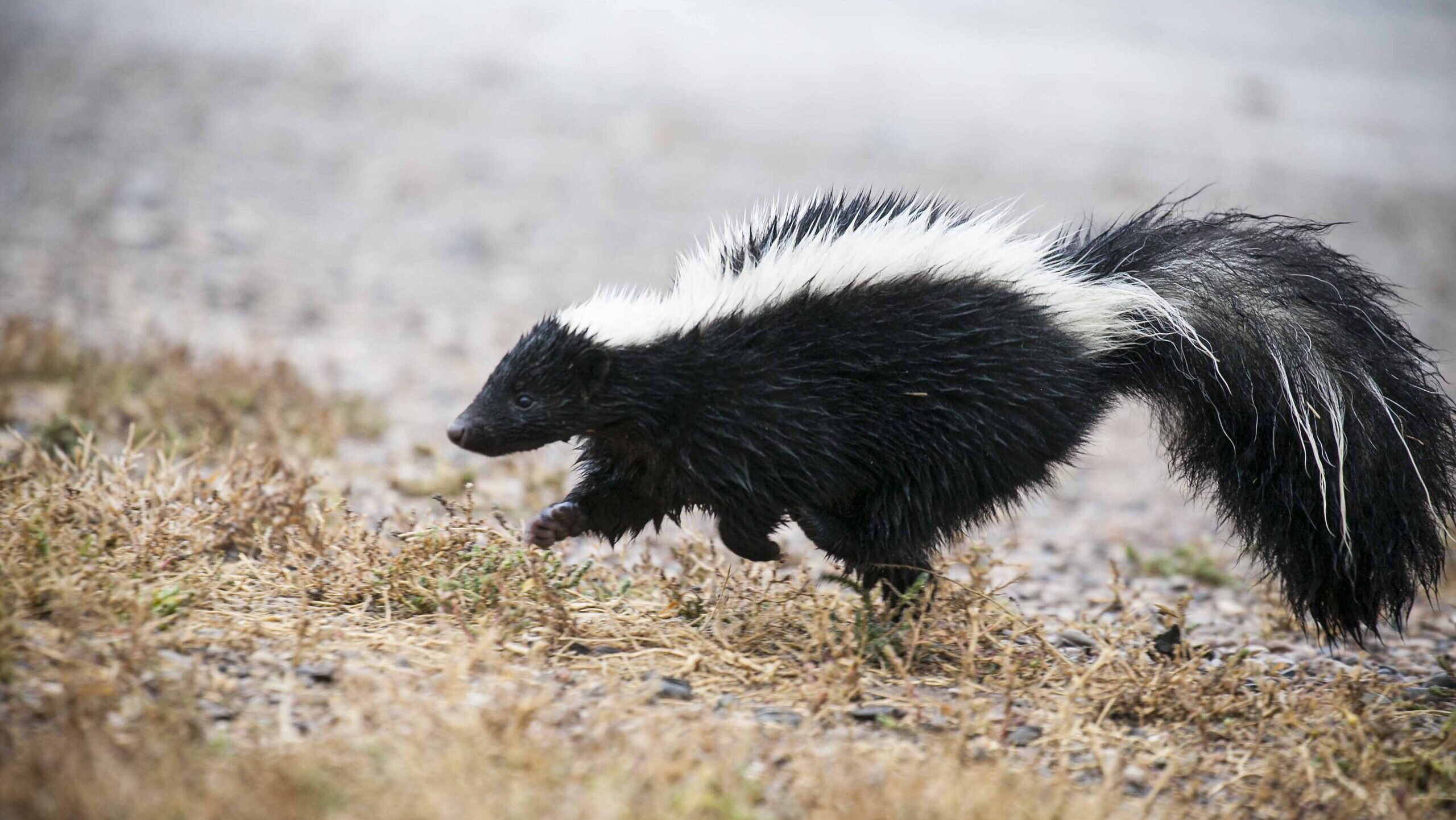
Heavy rain can push wildlife straight toward your home and it happens more than most people think. When the ground gets soaked, burrows flood and animals that were living underground have nowhere to go. They move fast toward the nearest dry, warm spot — and your home fits the bill perfectly.
You might not think a stretch of rainy weather has anything to do with the scratching sound under your deck or the gap near your foundation. But that’s exactly how it works. Long, heavy rain soaks the soil, washes it away from structures, and can open up new gaps around foundations, crawl spaces, and retaining walls. In March 2026, a landslide near the Coquitlam River cut off four homes and left debris on nearby properties – a reminder of how fast saturated ground can change things around homes in this area. You can read more here: Global News — Coquitlam River Landslide
At Skedaddle Humane Wildlife Control in Coquitlam, we see more wildlife calls after big rain events every year. In this blog, we walk you through how heavy rain moves animals toward your home, what to look for after a storm, and what our team does to keep them out.
Where Do Raccoons Go When It Rains?
When it rains, raccoons look for dry, covered spots to wait it out. They don’t like getting wet, and they’re very good at finding shelter fast. Hollow trees, thick bushes, and the space under your deck or porch are all quick options. But after long, heavy rain – the kind that floods burrows and soaks the ground – they look for something more permanent, and homes are a top choice.
Raccoons have good memories. They go back to spots that worked for them before. A deck they sheltered under last year, a gap in your soffit they found before, or a crawl space they got into in the past — all of these become destinations when heavy rain makes their usual spots uncomfortable. The longer the rain lasts, the harder they push to find a warm, dry place to stay.
This happens across Coquitlam every wet season. Homeowners who had no wildlife problems before a big rain start noticing scratching sounds, dug-up soil near the foundation, or damage around the roofline shortly after the weather clears. The rain didn’t just make a mess outside, it sent animals looking for a new home. Call our team as soon as you spot the signs.
How Saturated Ground Destroys Burrows
When soil fills up with water, everything living underground feels it right away. Burrows that skunks, squirrels, and other animals spent time building fill up with water and cave in. The animals inside have no choice, they leave and move fast. This is one of the most direct ways heavy rain pushes wildlife toward homes in Coquitlam.
It doesn’t happen slowly. A dry, stable burrow can flood completely within a few hours of heavy rain. Animals that were settled and comfortable are suddenly out in the open and stressed. Stressed animals take risks they normally wouldn’t. They move around during the day, get closer to homes, and push at entry points they would have ignored before. Finding shelter becomes the only thing on their mind.
Coquitlam’s landscape makes this worse. The city’s hillside neighbourhoods, the Coquitlam River nearby, and areas with lots of trees all support large numbers of animals living underground. When the region gets the kind of heavy, prolonged rain it sees in fall and winter, many animals get pushed out at the same time – all heading toward the nearest available shelter, which is often your property.
How Erosion Opens New Gaps Around Foundations and Retaining Walls
Heavy rain doesn’t just move animals; it moves soil too. When soil washes away from around your home, it can open up gaps that weren’t there before. Here’s what our team looks for after a big storm:
- Foundation Erosion Creates New Entry Points: When soil washes away from the base of your foundation, it can expose cracks in the concrete and openings around pipes and utility lines. Mice can squeeze through a gap the size of a dime and erosion can create exactly those kinds of openings without you seeing them from the surface. Our team checks the full foundation line after every storm call.
- Retaining Walls Shift and Separate: Retaining walls on sloped properties take a lot of pressure during heavy rain. The wet, heavy soil behind them can push them to shift, crack, or pull away from the structure next to them. Gaps that open up along a retaining wall, especially where it meets your foundation or fence, become easy entry points for burrowing animals looking for a new den.
- Crawl Space Vents Get Exposed or Damaged: Crawl space vents sit close to the ground, which makes them easy targets for erosion and debris during heavy rain. Soil can wash against the vent cover and knock it loose. Debris carried by runoff can damage or block the screen. An open or damaged crawl space vent is one of the fastest ways animals get under your home after a rain event.
- Soil Shifts Near Decks and Sheds: The ground around the base of your deck or shed can wash away during heavy rain, leaving gaps along the edge that animals can squeeze under. Skunks especially look for these kinds of openings when their own burrows have flooded. Don’t try to fill these gaps yourself, our team checks what’s already inside before anything gets sealed.
What to Check After Heavy Rain
After a big rain event, your property needs a close look, but by the right people. Here’s what our post-storm inspection covers to make sure no new entry points have opened up:
- Basement Windows and Window Wells: Window wells that filled with water during the rain can shift or collapse, leaving gaps around the basement window frame. These openings are right at ground level and easy for mice and small animals to find. Our team checks every basement window and window well for new gaps and damage.
- Vents and Utility Penetrations: Every vent and utility opening on the outside of your home gets checked after a storm. Soil shifting around these spots can knock covers loose and break seals that were fine before the rain. A vent that looked secure before the storm may have a gap after it and that’s enough for wildlife to slip through.
- Decks and Sheds: The outside edge of every deck and shed gets checked for erosion and new gaps at the base. These are the first spots burrowing animals look when their own dens have flooded. We check for signs of digging, loose soil, and any new openings along the structure’s edge.
- Retaining Walls and Slopes: Any retaining wall or sloped area on your property gets checked for shifting, cracks, and gaps along the edges. Coquitlam’s hillside properties are especially at risk here – the more slope your property has, the more surface area there is for erosion to create new problems after heavy rain.
Which Animals Move Toward Homes After Rain
Heavy rain pushes several types of wildlife common in Coquitlam toward residential properties. Each one looks for a slightly different spot, but they all end up targeting homes. Here’s what to expect:
- Raccoons: Raccoons head for covered structures: decks, porches, sheds, and rooflines. They’re strong enough to pull back a damaged soffit or push through a weak vent cover. After heavy rain, they move faster and with more urgency. A raccoon that gets under your deck after a storm is very likely to stay once the weather clears.
- Skunks: Skunks are hit hard when their underground dens flood. They look right away for dry, low-to-the-ground shelter – under decks, under sheds, and along the base of retaining walls. A displaced skunk is in a hurry to find a new den, which makes your property a much more likely target than usual.
- Squirrels: Squirrels nest in tree hollows and thick brush that gets wet and uncomfortable during long rain. They move toward rooflines, soffits, and attic spaces when their nesting spots get soaked. A squirrel that finds a gap along your roofline after a storm will move in quickly and start building a nest.
- Mice: Mice living in outdoor burrows or debris piles get pushed out fast by heavy rain. They move toward the foundation of the nearest structure and can squeeze through a gap the size of a dime. After a rain event, the pressure on ground-level entry points around your home goes up fast as these animals search for dry shelter.
Why Post-Storm Timing Matters
The gap between when a rain event ends and when displaced wildlife finds a new home is very short. Animals pushed out of their burrows or nesting spots are actively searching and they move fast. A gap that was already there but hadn’t been found yet becomes a used entry point very quickly once animals in the area are on the move.
This is why calling our team right after a big rain event matters so much. The sooner we look at your property, the better the chance of finding new entry points before they’re used. An inspection done soon after heavy rain gives you the clearest picture of what’s changed and what needs to be fixed before animals settle in.
Waiting until you hear scratching or see signs inside your home means the problem has already started. At that point, removal comes before exclusion, which takes more time and costs more than finding the entry points early. Getting our team out after a storm is always the smarter, faster, and cheaper option.
Wildlife Issues in Coquitlam: What to Know
Coquitlam borders some of the most wildlife-rich land in British Columbia. Burke Mountain, the Coquitlam River watershed, and the city’s greenways and ravines are home to large numbers of raccoons, skunks, squirrels, and other animals that regularly move through residential areas. As the city grows and new neighbourhoods get built into previously wild land, the contact between wildlife and homes increases, and heavy rain makes that pressure much worse.
The city gets a lot of rain through fall, winter, and spring. That means the conditions that push wildlife toward homes happen several times a year – not just once. Homeowners who deal with a wildlife problem after one rain event are likely to see it happen again the next wet season if the entry points haven’t been properly sealed.
Older properties in Coquitlam are at higher risk. Homes with aging foundations, worn crawl space vents, and old seals around utility lines already have more entry points, and heavy rain can open them up further or expose new ones. Our team works with homeowners across Coquitlam’s established and newer hillside neighbourhoods, and we know exactly what to look for in both.
Wildlife Removal and Prevention with Skedaddle
If heavy rain has pushed wildlife toward your property, or if animals have already found a way inside, call our team at Skedaddle Humane Wildlife Control right away. We start with a full inspection of your property, checking every area that may have been affected by the rain – foundations, crawl spaces, retaining walls, vents, decks, and sheds. We look at the full picture so nothing gets missed.
We use one-way door systems that let animals leave on their own without being able to get back in. This is a humane approach that works, and it’s paired with exclusion work that seals every entry point with materials that last. We never seal an opening before we know what’s on the other side. Closing a gap with an animal still inside makes the problem worse.
Prevention is the last step and the most important one for keeping the problem from coming back. After removal and exclusion are done, we make sure the conditions that made your home easy to get into are fixed, especially any new gaps the rain created. Our goal is to leave your home fully protected so the next rain event doesn’t start the whole thing over again. We take care of all of it so you don’t have to deal with any part of it yourself.
Frequently Asked Questions
How long after heavy rain should I wait before having my property inspected?
Don't wait. Call our team as soon as the rain ends or as soon as you notice anything different around your foundation, vents, or outdoor structures. The sooner we look, the better chance we have of catching entry points before they're used.
Can heavy rain really cause new gaps to open up around my foundation?
Yes. Rain washes away soil that was filling gaps around the foundation, utility lines, and the base of structures like decks and sheds. Gaps that weren't there before a rain event can open up after one.
What are the first signs that wildlife has moved in after heavy rain?
Scratching or movement sounds in the walls, attic, or under the floor are the most common early signs. You might also see disturbed soil near the foundation, damage around vents, or droppings near entry points. Call us right away if you notice any of these.
Is Coquitlam's terrain more at risk than other cities?
Yes. Coquitlam's hillsides, the Coquitlam River, and the surrounding greenways support large wildlife populations. Sloped properties also experience more erosion during heavy rain, which creates more new entry points than flat properties elsewhere.
Should I seal any gaps I find myself after a rain event?
No. Don't seal any opening before our team has checked it. If wildlife is already inside when you seal the gap, they get trapped, which makes the problem harder and more expensive to fix. Call us first.
What if I had heavy rain and didn't notice anything right away?
Call us anyway. Animals that moved in after a rain event may not make obvious sounds right away. An inspection done even a few weeks later can still find new entry points and early signs of activity before the problem gets bigger.
Heavy Rain Doesn’t Have to Mean Wildlife in Your Home
Heavy rain pushes wildlife out of their burrows and toward the nearest dry shelter, and your home is an easy target. Soaked ground, washed-out foundations, damaged vents, and new gaps around decks and sheds all give displaced animals a way in. The window between when a storm ends and when they find a new home is very short.
The smartest thing you can do after a big rain event is to get your property inspected before something moves in. Finding new entry points early is always faster and less costly than dealing with a full wildlife problem after the fact. You don’t have to figure out what changed or where the gaps are; that’s what our team does.
At Skedaddle Humane Wildlife Control in Coquitlam, we’ll inspect your property after the rain, find every new entry point, and make sure your home is protected before the next wet season arrives. Contact us today to request an estimate and stop displaced wildlife from making your home their next stop.

 Loading...







