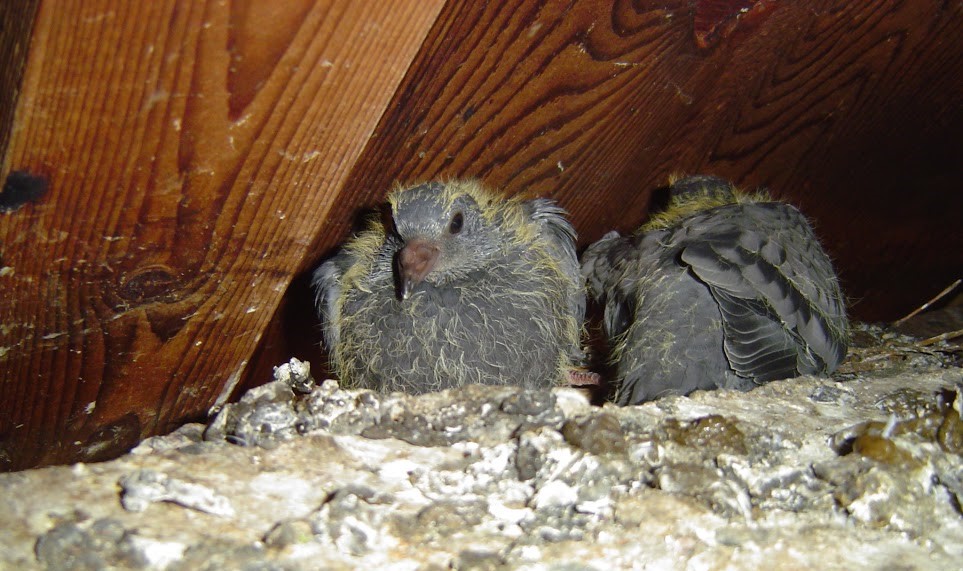
You hear chirping above your ceiling or see small twigs tucked into your roofline. You look up and realize there are birds nesting on the house. You want to know right away: when should you wait it out, and when should you act?
You should usually wait if the nest is outside, stable, and not causing damage. You should act if birds nesting in vents or eaves are entering your home, blocking airflow, or creating safety risks. You also need to think about the law, because many people ask, can you remove a bird nest legally? In many cases, active nests with eggs or babies are protected.
You may feel torn between being kind to the animals and protecting your home. You are not alone. Living with nesting birds, when to wait it out and when to act, is a common concern for homeowners across Maryland.
At Skedaddle Humane Wildlife Control in Maryland, we help you make the right call based on safety, timing, and the law. In this blog, we will walk you through when to be patient and when to call for help so you can protect your home the right way.
Can You Remove a Bird Nest Legally?
You cannot always remove a nest whenever you want. Many bird species are protected under federal law, especially when eggs or chicks are present. If you disturb an active nest, you could face fines.
You need to know the difference between an active nest and an empty one. An active nest has eggs or baby birds. An empty nest that is no longer in use may be handled differently. Timing matters.
You should never try to guess on your own. We assess the situation and determine what is allowed and what is not. This protects you and ensures the animals are treated properly.
When It Is Best to Wait It Out
You should wait when the nest is not causing harm and the birds are close to finishing their nesting cycle. Most small birds stay in the nest for only a few weeks. Once the young birds leave, the problem may resolve on its own.
You can often wait in these situations:
- The nest is on a tree branch or exterior ledge and not inside your home.
- The birds are not entering your attic or roof space.
- There is no damage to vents, soffits, or siding.
- The nesting period is almost over.
You may find it helpful to remember that most nesting seasons are short. The chicks grow quickly and leave within weeks. When the nest is outside and not creating risk, waiting can be the safest and most legal option.
When You Should Act Quickly
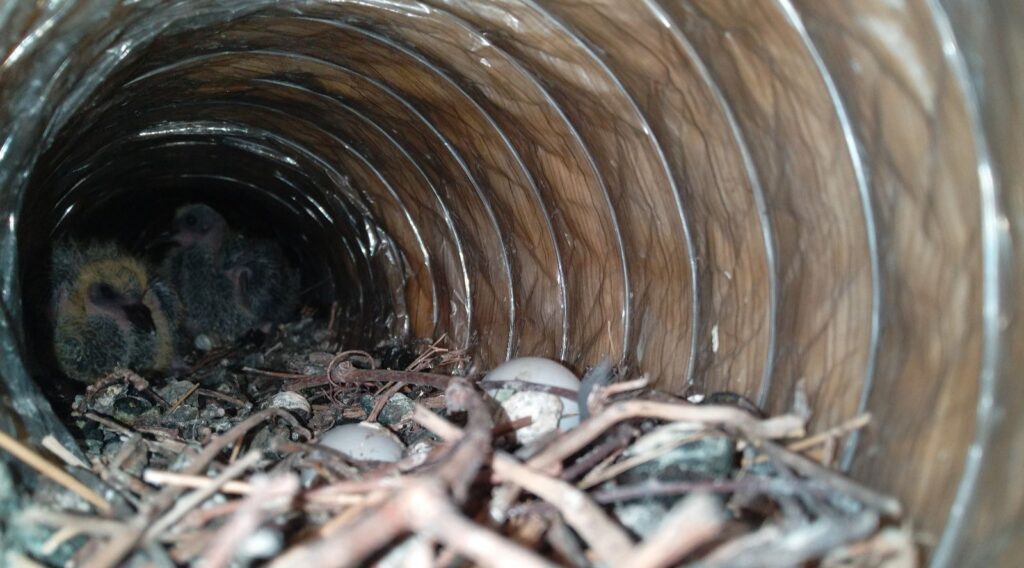
Action is needed when birds nesting in vents or eaves begin to affect the safety of your home. Blocked dryer vents or bathroom vents should never be ignored. These openings are designed to move air out of your house. When a nest blocks them, heat and moisture can build up and create fire or mold risks.
You need to act in these situations:
- Birds are Inside Your Attic or Wall Cavity: Movement inside walls can damage insulation and wiring. Nesting materials can shift and fall into tight spaces. Over time, this can lead to costly repairs and health concerns. Birds inside the structure of your home require professional attention right away.
- Vent Covers are Damaged or Removed: A missing or bent vent cover leaves a wide opening. This makes it easy for more animals to enter. Wind and rain can also get inside and cause damage. Once a cover is compromised, the risk grows quickly.
- Droppings are Building Up Near Entry Points: Large amounts of droppings can stain siding and roofing materials. The buildup can also create unpleasant smells around doors and windows. Over time, waste can attract insects and other animals. This is a clear sign that nesting activity is active and ongoing.
- You Hear Constant Scratching or Flapping Inside Walls: Ongoing noise usually means the nest is active. Chicks may be moving, or adult birds may be feeding them. Constant activity inside walls can disturb your sleep and daily life. It also shows the problem is not outside but within the structure of your home.
Waiting is not wise when the structure of your home is at risk. Birds nesting on the house may look harmless at first, but nests inside vents can block airflow and create serious issues. Early action helps prevent larger repairs and keeps your home safe.
Living With Nesting Birds: When to Wait It Out and When to Act
You may enjoy seeing birds raise their young. Watching them can feel peaceful and natural. But you also need to balance that feeling with protecting your home.
You can wait when:
- The nest is outside and secure.
- There are no signs of damage.
- The birds are following a normal nesting timeline.
- The activity is limited to daylight hours.
You should act when:
- The nest is built inside a vent or roof cavity.
- The noise disrupts your sleep every night.
- There is visible damage to shingles or soffits.
- You suspect health or fire risks.
You deserve clear guidance. We help you decide based on facts, not fear. That way, you respect the animals while also protecting your property.
What Happens After Nesting Season Ends?
You might think the birds will never return once they leave. That is not always true. Some species return to the same general area year after year.
You may notice that birds nesting on the house come back each spring. If entry points are still open, they may rebuild in the same spot. That is why prevention after the nesting season is so important.
We often install durable screening and vent covers once the nest is no longer active. In some cases, we use one-way doors that allow animals to leave but not re-enter. This protects your home without harming the birds.
Nesting Bird Removal With Our Professional Team
You want the situation handled safely and legally. You do not want to risk fines, injuries, or damage to your home. Nesting birds are protected under many laws, especially during breeding season. That is why professional help matters when birds are nesting on the house.
We begin with a full inspection of your roofline, vents, and eaves. We look for signs of birds nesting in vents or eaves and check how deep the nest goes. We determine whether the nest is active and what laws apply to that species. If removal is allowed, we handle it carefully and humanely, making sure eggs or young are managed according to regulations.
After the nest is addressed, we focus on prevention. We secure entry points with strong, durable materials designed to keep animals out long-term. When needed, we use one-way doors so birds can exit safely but cannot return. Our goal is lasting protection, so you do not face the same issue again next season.
Frequently Asked Questions
How long do birds usually stay in a nest?
Most small birds stay for about two to four weeks. Once the chicks can fly, they leave the nest. After that, the nest is often abandoned. The exact timing depends on the species and the weather. Cold or rainy days can slow down growth and keep them there a bit longer.
Are all bird nests protected?
Many native species are protected while nests are active. You cannot remove a nest with eggs or chicks in most cases. It is important to confirm the species and status first. Laws are in place to protect breeding birds and their young. Acting at the wrong time can lead to fines or other penalties.
Do birds reuse old nests?
Some species do, while others build new nests each year. Even if they do not reuse the same nest, they may return to the same area. Open vents and gaps make that easy. A familiar and safe location is very attractive to them. If the access point is not secured, the cycle can repeat.
Is it dangerous to have birds in a vent?
Yes, it can be. Blocked dryer vents increase fire risk. Bathroom vents can trap moisture, leading to mold or damage. Nest materials are dry and can ignite if heat builds up. Poor airflow can also strain appliances and raise energy costs.
Should you wait until winter to fix the problem?
Often, yes. Once nesting season ends, it is usually easier and legal to secure entry points. Acting at the right time makes all the difference. Waiting for young birds to leave protects them and keeps you within the law. After that, prevention steps can be completed safely and properly.
Protect Your Home While Respecting Nature
You now have a clear answer about living with nesting birds, when to wait it out and when to act. You should wait when nests are outside and harmless. You should act when birds nesting on the house create safety risks or enter vents and roof spaces.
You also know that asking can you remove a bird nest legally is an important step. The wrong move at the wrong time can lead to fines or harm. The right move protects both your home and the animals.
At Skedaddle Humane Wildlife Control in Maryland, we help you make the right call. We inspect, assess, and secure your home using humane methods designed for lasting results. You do not have to guess or take risks. Contact us today to request an estimate and let us help you protect your home the right way.

 Loading...







