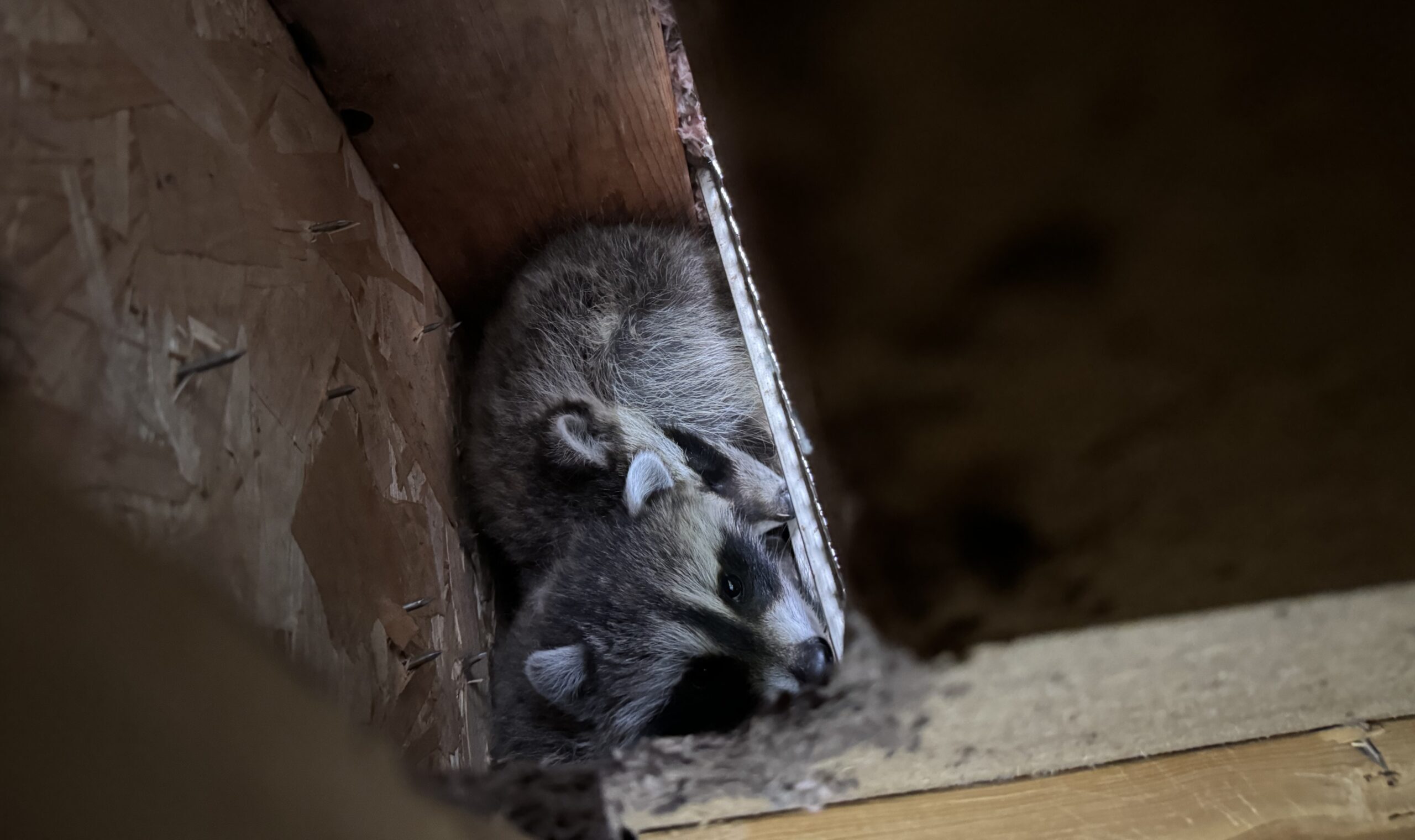
No, you should never try to approach a raccoon in your house. These creatures are wild, unpredictable, and highly dangerous when they feel trapped inside a home. You might think they look cute or harmless, but getting too close can lead to severe injuries or the spread of serious diseases. You must keep your distance and leave the area immediately if you spot one indoors.
Our team knows exactly how to handle these stressful situations safely and effectively. In this blog, we will explain exactly why you must keep away and how Skedaddle Humane Wildlife Control in Blaine can help you safely remove them using our proven one-way doors. You will learn about their defensive habits, the hidden dangers they bring, and why calling us is always the smartest choice for your family.
You will find that these animals are incredibly strong and quick to react when panicked. You should never assume that an indoor animal will behave the same way it does outside. You put yourself at massive risk for bites and scratches if you attempt to chase or scare them away. We want you to stay completely safe while we handle the heavy lifting. You can always rely on our trained professionals to step in, assess the problem, and use our hands-off methods to guide them back outside. You deserve complete peace of mind knowing your home is secure.
Do raccoons attack humans?
Yes, raccoons can attack humans if they feel threatened, cornered, or are protecting their babies. They do not naturally hunt people, but a frightened raccoon indoors will use its sharp claws and teeth to defend itself. You should never underestimate their strength or speed when they are backed into a corner.
You might assume a raccoon will just run away when it sees you. However, when they are trapped inside a living room or attic, their escape routes are often blocked. This makes them panic quickly. A panicked raccoon will puff up its fur, arch its back, and make loud hissing or growling noises to warn you to stay back.
You will put yourself in direct danger if you ignore these clear warning signs. They are incredibly defensive fighters and can cause deep bite wounds or severe scratches in a matter of seconds. You must always back away slowly and let our professionals handle the removal. We use safe, hands-off methods to ensure no one gets hurt during the process.
Why You Must Never Approach A Raccoon Inside
You face several major risks when you get too close to a wild raccoon indoors. They carry dangerous illnesses, act aggressively when scared, and cause immense damage to your property. You must remember that these creatures belong outdoors, and having them inside your living space is a major safety hazard.
Here is exactly why you should never try to approach a raccoon in your house: they transmit harmful bacteria, they fight back aggressively, they pose a serious threat to your pets, and mothers will attack to protect their babies.
They also cause severe property destruction. You must always rely on our trained experts to manage these severe risks. We know how to navigate these hazards safely. Read on to discover the specific dangers you face if you try to handle this situation yourself.
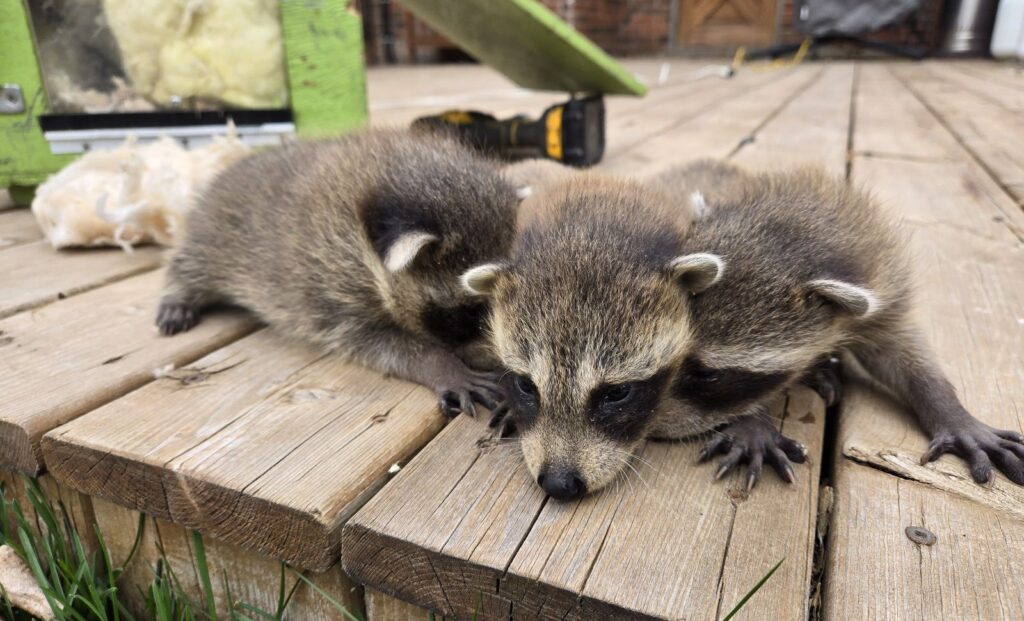
High Risk Of Disease And Infection
Raccoons carry many diseases that can be dangerous to humans and pets. Coming into contact with their droppings, scratches, or bites can lead to serious infections. It’s important to understand these risks so you can keep your family and home safe.
- The Rabies Virus: You should know that raccoons are a primary carrier of the rabies virus. This viral disease is transmitted through bites and infected saliva, making any physical contact incredibly dangerous. You must seek immediate medical attention if you are ever bitten, as rabies is fatal if left untreated. Our team avoids direct contact entirely by using one-way doors that allow the animal to leave safely but not re-enter.
- Dangerous Roundworm: You face severe health risks from the parasites found in their droppings. Raccoon roundworm is a dangerous parasite that can become airborne if the droppings are disturbed or stepped on. You can suffer from serious organ damage or even blindness if these microscopic eggs are accidentally inhaled. We strongly advise that you never go near their nesting areas or attempt any cleanup.
- Leptospirosis Bacteria: You can easily contract leptospirosis if you come into contact with contaminated urine or soil. This harmful bacteria causes severe flu-like symptoms and can lead to kidney damage in humans. You must keep your family away from any damp areas where the animal has been living. Our professionals know exactly how to safely identify and navigate these heavily contaminated spaces.
Highly Aggressive Behaviour When Cornered
You might find raccoons amusing when you watch them from a safe distance outdoors. However, a raccoon trapped inside your home is absolutely terrified and highly unpredictable. They lose their natural shy behavior when they cannot find an easy way to escape back outside.
You will quickly realize how strong and fast they are if you try to get close. They are built very solidly and use their sharp claws to grip, climb, and tear. If you block their only exit, they will use those claws and their sharp teeth to force their way past you.
You must never try to corner them with a broom, a box, or any household item. This will only provoke a violent reaction and increase your chances of a severe injury. We always assess the entry points and install specialized one-way doors so the animal can leave safely without feeling threatened.
Serious Threats To Your Family Pets
Pets are an important part of your family, and their safety should always come first. Wild animals in your home or yard can pose serious dangers to your pets, including injuries or diseases. Understanding these risks can help you protect your furry friends and keep them safe.
- Risk of Physical Injury: You must keep your dogs and cats far away from any raccoon that enters your home. These wild animals are defensive fighters and have been known to seriously injure household pets. You will put your furry friends in extreme danger if you let them investigate the intruder. You must lock your pets in a separate room until we arrive.
- Spreading Canine Distemper: You should be aware that raccoons frequently carry canine distemper, a highly contagious virus. This virus cannot harm humans, but it easily spreads to unvaccinated dogs through shared spaces. You must protect your pets by completely isolating them from the affected areas. Our team works quickly to secure your home and remove the threat to your animals.
- Transmitting Harmful Parasites: You put your pets at risk of catching fleas, ticks, and worms when a wild animal enters your house. These tiny pests easily jump from the intruder onto your dogs or cats during a confrontation. You will save yourself expensive vet bills and emotional stress by calling us right away. We help you avoid these secondary infestations entirely.
A Mother Protecting Her Young
You will face extreme aggression if you accidentally approach a mother raccoon nesting with her babies. Female raccoons are fiercely protective and will not hesitate to attack anything that comes near her litter. They commonly use attics, crawl spaces, and wall cavities to build safe dens for their young.
You might hear faint chirping or crying sounds coming from your walls during the spring and summer months. This is a clear sign that a mother has established a nest inside your house. You should never try to investigate these noises yourself, as the mother is likely nearby and ready to strike.
You can trust our technicians to handle these sensitive situations with the utmost care. We carefully locate the babies and use humane strategies to reunite them with their mother outside the home. You never have to worry about dangerous confrontations when you rely on our proven methods.
Severe Property Damage In Your Home
Severe property damage caused by wildlife can be a serious problem for homeowners. Animals like raccoons, squirrels, and rodents can chew through walls, wiring, and insulation, leaving behind costly repairs. It’s important to address these issues quickly to protect your home and prevent further damage.
- Torn Insulation and Drywall: You will be shocked by the amount of physical damage these creatures can cause in a short time. They easily rip through heavy drywall, tear up fiberglass insulation, and destroy air ducts to build their nests. You will face massive repair bills if you let them stay in your house. Our prompt response stops this destruction before it gets worse.
- Chewed Electrical Wires: You run a serious risk of house fires when wild animals chew through the electrical wiring in your walls. They have strong teeth and constantly gnaw on cables, leaving exposed live wires behind. You must have our experts inspect the area to ensure your home remains safe. We identify these hidden hazards during our thorough property assessments.
- Structural Contamination: You cannot ignore the massive amount of waste they leave behind in their nesting areas. Their urine and feces quickly soak into wood, drywall, and ceiling materials, causing terrible odours and rot. You must leave the area completely untouched so our professionals can assess the damage. We know exactly how to evaluate these spaces without spreading the contamination.
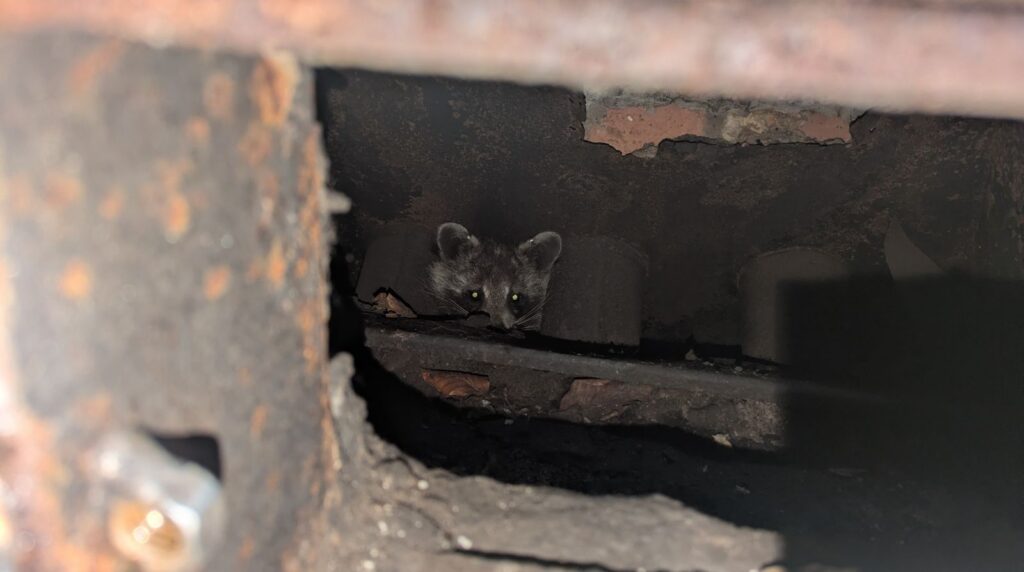
Effective Raccoon Prevention
To effectively prevent raccoons from invading your home or building, it is important to take proactive steps to protect vulnerable areas. Raccoons often find their way inside through gaps in roofs, vents, or chimneys. Sealing these entry points with durable materials will help keep them out. Regular inspections are also key to identifying problem areas before raccoons can gain access. By reinforcing your property, you can reduce the chances of a costly infestation.
Another essential part of raccoon prevention is managing attractants around your property. Raccoons are drawn to easy food sources such as garbage bins, pet food, and compost piles. Securing trash cans with tight lids and storing pet food inside can reduce their interest in your property. Additionally, keeping outdoor spaces well-lit may also discourage raccoons, as they often prefer to move around in the dark.
At Skedaddle Humane Wildlife Control in Blaine, we understand how critical it is to take these preventive measures seriously. Our team can help you identify entry points and recommend ways to protect your home effectively. With our experience in handling wildlife issues, we provide reliable, professional services to ensure your home stays safe and raccoon-free. Prevention is always the best solution, and we are here to help you every step of the way.
Raccoons in Blaine: What You Need to Know
Blaine’s unique climate and community make it an ideal place for raccoons to thrive. With cool, rainy winters and mild summers, raccoons find plenty of shelter and food sources throughout the year. Many homes in Blaine feature wooden siding, attics, and crawl spaces that provide the perfect spots for raccoons to nest. Unfortunately, this can lead to property damage if they make their way inside.
Regional regulations in Blaine emphasize humane wildlife control methods, making it necessary to approach raccoon removal in a safe and eco-friendly way. Seasonal changes also bring challenges, such as increased activity in the fall when raccoons prepare for winter, or the spring season when they search for nesting spots to raise their young.
Common issues homeowners in Blaine face include raccoons tipping over trash bins, tearing shingles, and entering attics where they can create noise and leave droppings. Skedaddle Humane Wildlife Control specializes in tailored solutions for our community, ensuring effective prevention and humane control methods to keep your home protected.
Frequently Asked Questions
Why shouldn’t I approach a raccoon in my house?
Approaching a raccoon can be dangerous as these animals may become defensive or feel cornered. They can carry diseases such as rabies, which pose significant health risks to humans and pets. It’s always better to leave the handling of wildlife to our professionals who are trained to manage these situations safely and effectively.
What should I do if I find a raccoon in my house?
If you find a raccoon in your home, remain calm and avoid direct contact. Close off the area if possible and contact our wildlife control professionals immediately. Experts can safely and humanely remove the raccoon without causing harm to you, your property, or the animal.
Can raccoons damage my home, and how?
Yes, raccoons can cause significant damage to a home by tearing up insulation, chewing wires, or damaging structural elements while nesting. These damages not only affect the safety of your home but could also lead to costly repairs if left unaddressed.
Are raccoons more aggressive during specific seasons?
Raccoons are generally more defensive during their breeding and birthing seasons, typically in the spring and summer. During this time, female raccoons are highly protective of their young and may display aggression if they feel threatened, making our professional intervention essential.
How do I prevent raccoons from entering my home again?
Prevention involves sealing entry points such as vents, chimneys, and gaps in the roof or walls. Additionally, removing food sources like uncovered trash can deter raccoons. Our wildlife professionals can inspect your home, identify vulnerabilities, and offer tailored solutions to keep raccoons out in the future.
Do raccoons in the house always mean an infestation?
Not necessarily, but a sighting could indicate that your home is an attractive habitat for wildlife. Addressing the situation promptly prevents it from escalating into a larger issue. Calling in our professionals for an inspection can help determine whether it’s an isolated incident or a potential infestation requiring further control measures.
Take Control with Skedaddle Humane Wildlife Control
Raccoons in your home can cause problems, but you don’t have to deal with it alone. At Skedaddle Humane Wildlife Control in Blaine, we focus on providing fast, safe, and effective solutions to solve your wildlife issues. Whether it’s a one-time situation or a bigger problem, we work with you to deliver customized solutions that keep your home protected.
Trying to handle wildlife on your own can be risky and may not solve the issue long-term. That’s why it’s important to trust professionals like us. We have the experience, tools, and knowledge to not only remove raccoons safely but also secure your home to prevent future problems.
If you’ve noticed signs of raccoons or other wildlife in your home, don’t wait. Contact us today to request an estimate or schedule an inspection. Our team is here to help every step of the way. Call us and take the first step towards a wildlife-free home!

 Loading...







