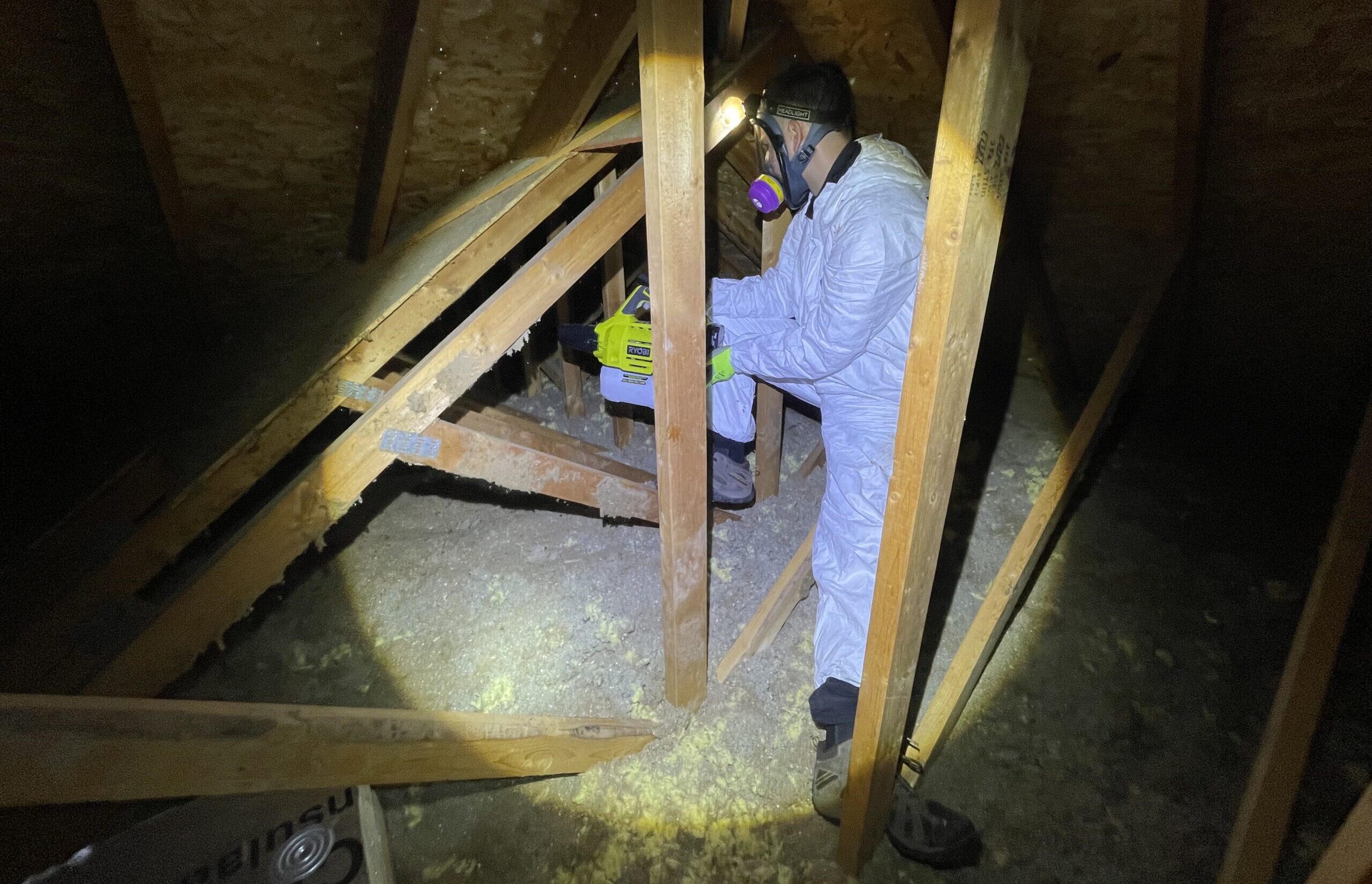
You may hear scratching above the ceiling or inside a wall as the weather begins to cool. These fall sounds often mean wildlife has entered an attic, wall, chimney, crawlspace, or space between floors. The visitor may be searching for warmth, food, shelter, or a safe place to build a nest. A quiet part of your home can become more useful as outdoor temperatures fall.
The time, location, volume, and pattern of the noise can provide useful clues. Light scurrying inside a wall may point to a small visitor, while heavy steps in the attic may suggest something larger. Scraping, chewing, fluttering, and thumping can also indicate different types of movement. However, sound can travel through pipes, vents, wood, and drywall, so the source may not be where you first hear it.
At Skedaddle Humane Wildlife Control in Baltimore, we inspect the full structure to locate the active area and entry point. You should never open a wall, enter an attic, reach into a chimney, or touch droppings yourself. These actions may expose you to contaminated material or cause the occupant to enter your living space. In this blog, we explain what those scratching sounds may mean and how professional removal protects your home.
What Animal Makes a Scraping Sound at Night?
Mice, rats, raccoons, and bats can all create scraping or scratching sounds at night. However, each visitor usually produces a different pattern. The location and weight of the movement can help our technicians narrow down the possible source.
Light scratching or quick scurrying inside a wall may point to mice or rats. Slow scraping, dragging, or heavy footsteps in the attic may suggest a raccoon. Fluttering or light movement near the roofline, chimney, or upper walls could involve bats.
Sound alone cannot confirm what is inside your home. Wood, pipes, vents, and drywall may carry noise several feet from its source. A professional inspection is needed to identify the visitor and locate its entrance.
The Time of the Sound Can Provide Important Clues
The hour when a sound begins can help narrow down the source. Some wildlife moves during the day, while other species become active after the house grows quiet. Our technicians compare the timing with the location and type of noise.
- Early Morning Activity: Scratching near sunrise may occur as nighttime visitors return to shelter. You might hear climbing, shifting, or movement through insulation before the noise stops for the day. A repeated early morning pattern may point to a regular travel route.
- Daytime Scratching: Squirrels are more active during daylight and may create running or scratching sounds in an attic. The noise may begin after sunrise and return throughout the day. Activity often becomes quieter after dark.
- Evening Movement: Sounds around dusk may begin as bats leave a roost or other visitors wake. You may hear light scratching, squeaking, or movement near the roof before they exit. Repeated noise at the same time can help locate an active opening.
- Late-Night Noise: Mice, rats, and raccoons often become active when the house is quiet. Their movement may seem louder because televisions, voices, and outdoor traffic have decreased. Regular noise after midnight may suggest an established route or den.
Timing is useful, but it does not prove which species is present. More than one visitor may become active during the same period. Our team also considers the sound, location, building type, and other visible signs.
Different Sounds Can Point to Different Activity
Not every noise means the same thing. Its rhythm, weight, and length may reveal whether something is travelling, nesting, chewing, or moving through a narrow space. A professional considers the complete pattern instead of relying on one short sound.
- Light Scratching: Fast, repeated scratching may come from movement inside insulation or a wall cavity. The sound may stop suddenly and begin again in another part of the room. Small visitors can move through connected spaces without entering the open living area.
- Slow Scraping: A longer scraping sound may occur as a larger visitor shifts material or squeezes through a tight area. It may also happen when nesting material is dragged across an attic floor. The noise may feel heavier than quick scratching inside a wall.
- Scurrying and Running: Rapid footsteps can create a line of light taps across the ceiling. The sound may travel from one side of the attic to another within seconds. Repeated routes can help technicians identify the spaces being used.
- Gnawing or Chewing: Steady grinding or chewing may come from damage to wood, plastic, pipes, or wiring. The sound often remains in one area before moving. Damaged wiring can create a fire concern, so the source should be inspected promptly.
- Thumping or Fluttering: Heavy steps may create slow thumps above the ceiling, while wings can produce fluttering near vents or chimneys. These sounds suggest very different visitors, but both may involve a roof opening. You should not strike the ceiling or wall to force a response.
Sudden noise or vibration may push the occupant deeper into the structure. It could also cause movement toward the living space. Our technicians inspect the area without forcing an unsafe encounter.
The Location of the Noise Helps Narrow the Search
Sound can travel through framing, vents, pipes, and drywall before reaching you. The noise may seem to come from one room even when the source is several feet away. We inspect connected spaces instead of opening the first area where sound is heard.
- Attic and Roofline: Running or scratching above the ceiling often points toward the attic or roof edge. Openings near soffits, fascia, vents, flashing, and chimneys may provide access. Movement across insulation can carry sound into several rooms.
- Interior Walls: Wall cavities provide hidden routes between different floors and parts of the home. Scratching may move upward, downward, or sideways as the occupant follows framing or utility lines. The loudest section of wall may not contain the entrance.
- Ceilings Between Floors: Spaces between a floor and ceiling can connect walls, pipes, wiring, and ducts. Movement may sound as if it is directly overhead before shifting into another room. A professional must trace the route without opening random areas.
- Chimneys and Fireplaces: Scraping or fluttering near a fireplace may involve the flue, damper, or surrounding chimney space. You should never look inside, reach past the damper, or start a fire. Our team can inspect the chimney and its roof connection safely.
- Basements and Crawlspaces: Scratching below the floor may come from activity near the foundation or utility openings. Pipes and floor framing can carry the sound across the lower part of the home. You should not enter a confined crawlspace to investigate.
The place where you hear the noise may only be part of a larger travel route. A visitor can enter near the roof and create sound several rooms away. A full structural inspection helps trace that route back to its source.
Common Visitors Create Different Sound Patterns
Mice and rats can produce light scratching, fast scurrying, and repeated gnawing inside walls or beneath floors. Their routes may follow pipes, wiring, and narrow spaces between rooms. The sounds can occur in several parts of the house during one night.
Squirrels often create daytime running, rolling, or scratching sounds in the attic. Raccoons may produce heavier footsteps, slow scraping, dragging, or thumping near the roof or chimney. The difference in weight may be clear, but sound alone still cannot confirm the source.
Bats may create light scratching, squeaking, or fluttering near upper walls, vents, and roof openings. These sounds can be difficult to separate from other activity without inspecting the exterior. More than one species may also use different parts of the same building.
Fall Weather Can Increase Indoor Activity
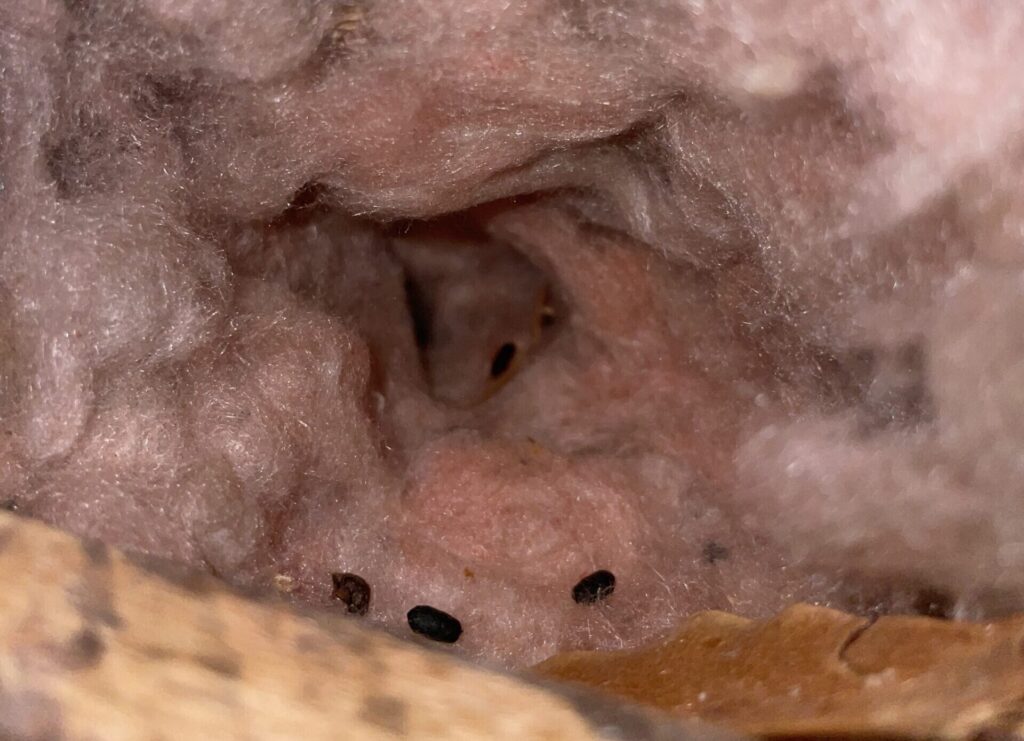
Cool fall nights can make attics, walls, chimneys, basements, and crawlspaces more useful. These areas provide shelter from rain, wind, and dropping temperatures. Warm air escaping through an exterior gap may also draw attention to an entry point.
A visitor may first enter for temporary protection. If the space stays dry, quiet, and easy to access, it may become a regular den or nesting site. Dependent young may also be present during some parts of the year.
Early sounds should not be ignored because activity can spread through connected spaces. Waste may collect, insulation may become contaminated, and wiring or vents may be damaged. Our professional assessment can identify the issue before it affects a larger area.
Other Signs That May Appear With Scratching Sounds
Scratching becomes more useful as a clue when it appears with other evidence. You can notice these signs without touching or disturbing them. Our team uses the full pattern to identify active entrances and occupied areas.
- Droppings or Stains: Waste may appear near walls, vents, attic access points, or hidden travel routes. Stains may also form around exterior openings that receive repeated use. You should never touch, sweep, or vacuum this material.
- Strong or Unusual Odors: Waste, nesting material, and long-term activity can create smells that enter living spaces. The odor may become stronger near a ceiling, wall, fireplace, or vent. Smell alone cannot show the exact location of the den.
- Damaged Exterior Openings: Loose vents, soffits, fascia, chimney caps, or foundation screens may provide access. The visible damage can be smaller than the hidden opening behind it. You should not climb or seal the area before it has been professionally inspected.
- Chewed or Disturbed Materials: Insulation, wood, storage boxes, pipes, and wiring may show signs of activity. A visitor may also shift nesting material across an attic floor. The area should remain undisturbed until our technicians can assess it.
- Repeat Activity in One Area: Noise that returns at the same time and place may point to an established route. A single brief sound can have several causes, but a steady pattern deserves attention. Note where you hear it without entering the affected space.
Homeowners should not search for more evidence inside a confined or contaminated area. The occupant may feel trapped and move toward the living space. Our professional team can complete the inspection with the proper equipment.
Fall Wildlife Concerns in Baltimore Homes
Baltimore’s cool fall nights, mature neighborhoods, tree cover, and closely spaced buildings support seasonal activity. Rooflines, chimneys, connected rowhouses, and shared walls can create hidden routes. A sound in one room may begin with an entrance on another part of the building.
Older homes may contain worn vents, soffits, flashing, foundation gaps, and utility openings. Newer buildings can also have small construction gaps or damaged exterior covers. Even a narrow opening may lead into a larger wall or attic space.
Connected structures require a wider inspection because activity may cross between different areas. The place where you hear scratching may not contain the original entrance. Our technicians examine the full exterior and relevant interior spaces.
How Skedaddle Traces the Noise and Protects Your Home
A scratching sound only tells you that something may be moving inside the structure. Our professional wildlife team follows the noise, checks nearby rooms, and looks for signs along the exterior. We compare the timing and location of the sound with openings around vents, soffits, chimneys, foundations, and utility lines. This helps us trace the hidden route without opening random walls or ceilings.
Once we locate the occupied area, we check for nesting material and dependent young. Our team then chooses a humane removal plan based on the species, season, and part of the home involved. When appropriate, one-way doors allow wildlife to leave while preventing them from getting back inside. We do not use live trapping or relocation.
The work continues after the home is empty. We remove contaminated material when needed and secure entry points with durable materials selected for the structure. Our technicians also address nearby weak areas that could provide another way inside. You do not need to enter a confined space, handle droppings, or work around an active entrance.
Frequently Asked Questions
Why do scratching sounds become louder at night?
The house becomes quieter at night, so small sounds are easier to hear. Mice, rats, raccoons, and bats may also become more active after dark. Framing and drywall can make the noise seem louder or closer than it is. Our professional inspection can identify the actual source.
Can scratching sounds come from inside a wall?
Yes, wall cavities provide protected routes between floors and rooms. Movement may follow pipes, wiring, or framing without entering the living space. The sound can shift as the occupant travels. Opening the wall yourself could create a direct path into the room.
Does one night of scratching mean something lives inside?
Not always. A brief sound may come from temporary activity near the roof or exterior wall. Repeated noise at the same time and place makes ongoing use more likely. Other signs, such as droppings, odors, or damaged openings, can support the pattern.
Should a noisy wall or ceiling be opened?
No, you should not open a wall or ceiling to search for the source. The space may contain waste, damaged materials, or a frightened occupant. Opening it could release contaminated debris or allow wildlife into the room. Our professional team will locate the travel route first.
Should homeowners clean droppings found near the noise?
No, droppings should not be touched, swept, or vacuumed. Dry material may release harmful particles when disturbed. Nearby insulation and nesting material may also be contaminated. Trained technicians can remove the waste and clean the area safely.
Do Not Let Scratching Become a Larger Problem
Scratching, scraping, scurrying, gnawing, thumping, and fluttering can all point to fall activity inside your home. The timing, volume, and location of the sound provide useful clues, but they cannot confirm the source by themselves. Noise may also travel through framing and appear far from the active entrance.
You should never open a wall, enter an attic or crawlspace, reach into a chimney, or touch droppings yourself. Do not seal a suspected opening because an adult or dependent young may remain inside. Closing it too soon may trap them or force them into another part of the home.
At Skedaddle Humane Wildlife Control in Baltimore, we can identify the visitor and determine how it entered. Our professional team handles humane removal, cleanup, and long-term prevention, so you do not need to perform risky work. Contact us to schedule a professional assessment or request an estimate to learn more about protecting your home.

 Loading...