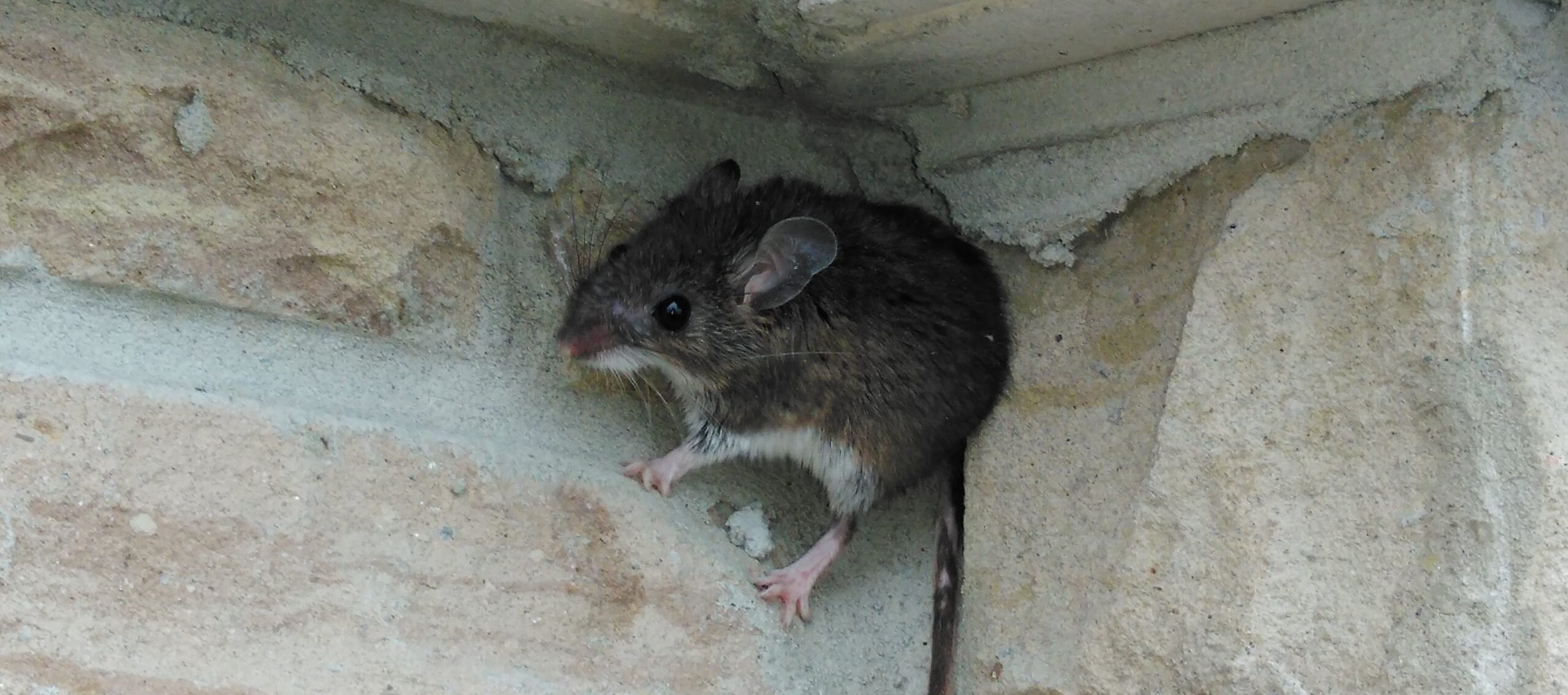
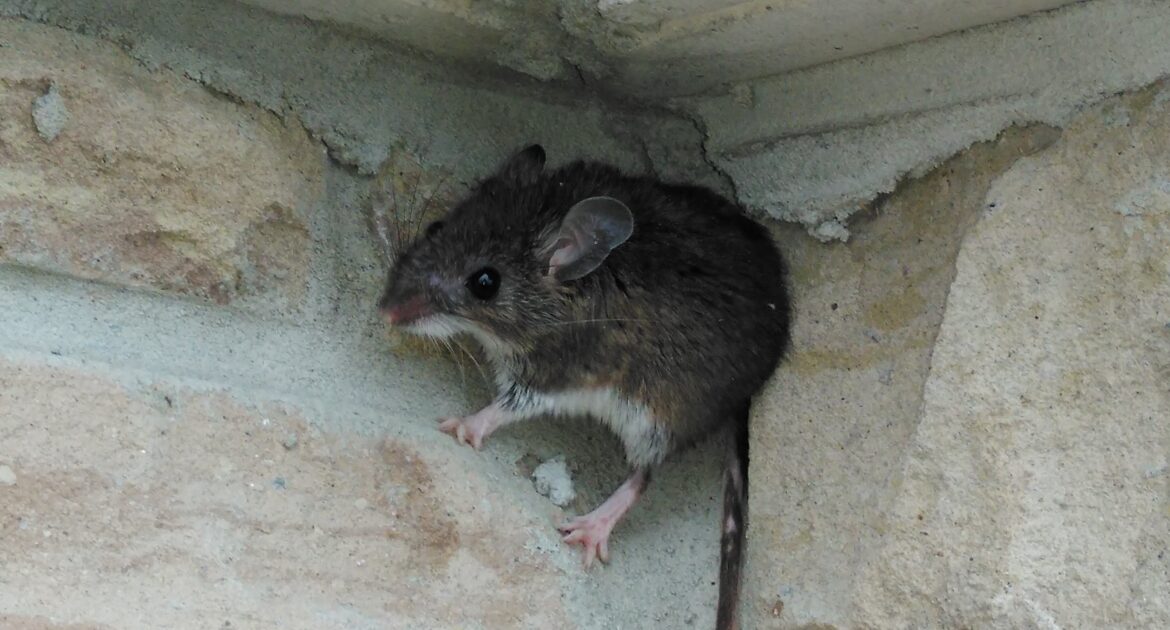
You walk into your kitchen late at night, flip on the light, and notice something small dart across the floor. That quick glimpse is enough to make your stomach drop—you might have mice in your kitchen. When this happens, the first question you probably ask is: what could be inviting them in?
The truth is, even the cleanest kitchens can accidentally attract these animals. Food smells, tiny cracks, and cozy hiding spots are all open invitations. Once they find a way inside, they settle in fast. Understanding what attracts mice indoors is the first step in preventing kitchen infestations.
At Skedaddle Humane Wildlife Control in Clintonville, we’ve seen how quickly a small problem can turn into a big one. Families often don’t realize how much a single entry point or crumb of food can encourage unwanted visitors. Today, we’re breaking down the top 10 things that could be inviting mice into your kitchen—and how you can protect your home.
1. Easy Access to Food
Food is the number one reason mice sneak inside. Kitchens are filled with smells that draw them in, from open cereal boxes to crumbs on the counter. Once inside, they can chew through bags, boxes, and even thin plastic containers.
They don’t need much to survive—just a few crumbs or drops of grease are enough. If they find consistent food, they’ll build a nest nearby to stay close to the source. This is why kitchens are their favorite target. They’ll often visit the same spot night after night if they know food is always available.
Main food attractants include:
- Unsealed snacks or baking supplies
- Crumbs on counters or floors
- Grease or oil left on stoves
2. Cracks and Gaps in Walls
Mice don’t need a wide opening to squeeze in. A hole the size of a dime is more than enough. Common entry points include:
- Gaps around baseboards
- Holes near plumbing pipes
- Cracks in the foundation
Once inside, they follow the walls to stay hidden while moving around. Even a small crack in a kitchen corner can become a doorway for them. The problem grows quickly because once one mouse finds the gap, others often follow the same path. These hidden routes make it hard to realize how many may be inside.
3. Open Garbage Bins
Garbage is another major draw. The smell of leftovers and food scraps is like an invitation to dinner. An open bin or a bag left sitting out makes it even easier for mice to explore.
Garbage near the kitchen also increases the chances of activity. If they can smell it, they’ll follow it straight inside. This is why commercial-grade bins with lids are always a safer choice. Mice can also chew into thin plastic bags, so even tied trash isn’t much protection. Regular cleaning of bins is just as important as keeping them sealed.
4. Clutter and Hiding Spots
Mice love clutter. Piles of newspapers, bags, or unused boxes in or near the kitchen give them the perfect place to hide. The more hiding spots they have, the harder it is to notice them.
Dark, quiet corners are especially attractive. A mouse can build a nest in a hidden pile and stay there for weeks without being noticed. Clutter also makes it harder to see droppings or chew marks—the first signs of an infestation. By the time you notice, the problem may already be much bigger.
Clutter areas to watch for:
- Stacks of paper or cardboard
- Storage bins left open
- Closets or pantries with unused items
5. Pet Food Left Out
Pet bowls are an easy meal. If dog or cat food is left out overnight, mice will help themselves. They’ll also chew through bags of pet food stored in closets or pantries.
This constant food source makes kitchens even more attractive. It doesn’t take long for them to return night after night once they know it’s available. Mice don’t see the difference between pet food and human food—it’s all nutrition to them. Pet food bags, especially, are easy targets because they’re often stored low to the ground.
6. Water Leaks and Moisture
Like all animals, mice need water. Kitchens often provide it through leaks or standing water. A dripping faucet, a leaky dishwasher, or condensation around pipes creates a steady supply.
Moisture also softens wood, making it easier for them to chew through. Once they find both food and water in the same spot, they’re not going anywhere on their own. Small leaks can go unnoticed for weeks, giving them the perfect environment to survive. Fixing water problems is one of the best ways to discourage infestations.
7. Pantries and Cabinets
Pantries and cabinets are like buffets if not sealed properly. Bags of chips, pasta boxes, and baking supplies are easy for mice to chew into.
Even if you think your food is safe, cardboard and thin plastic aren’t enough to stop them. They’ll leave behind chew marks and droppings as they explore, contaminating whatever they touch. Mice can fit into the tiniest spaces between shelves and walls, making pantries the perfect hideout. Once they find food inside, they may never leave until forced out.
Signs of activity in cabinets include:
- Gnaw marks on food packaging
- Small black droppings on shelves
- Chewed corners of cardboard boxes
8. Warmth and Shelter
When temperatures drop in Clintonville, kitchens become even more inviting. Ovens, appliances, and insulation provide warmth that mice need to survive.
If your home feels cozy to you, it does to them too. Once they find warmth, food, and water all in one place, your kitchen becomes the perfect shelter. These warm spaces are also hidden, keeping them safe from predators. Because of this, many families don’t notice them until the smell or droppings appear.
9. Open Doors and Windows
It sounds simple, but an open door or window can be enough. Mice are quick and can slip inside before you notice. They can also climb and jump, making open windows without screens a problem.
Even doors with gaps at the bottom can let them slide right in. This is one reason door sweeps and sealed screens matter so much. Nighttime is especially risky, since mice are most active when it’s dark and quiet. Once inside, they’ll often stay near kitchens where food is easy to find.
10. Nearby Outdoor Food Sources
Sometimes, it starts outside. Gardens, compost bins, or bird feeders close to the house can draw mice toward your property. Once they’re nearby, it doesn’t take long for them to find a way inside.
If food is easy to find outside, your kitchen is the next logical stop. This is why managing both indoor and outdoor attractants is key. Once they’ve set up near your yard, it’s only a matter of time before they explore indoors. Removing outdoor attractants is often the first step in keeping your kitchen safe.
Outdoor sources to watch for:
- Bird seed and feeders
- Compost bins without lids
- Fruit or vegetable gardens near the home
Preventing Kitchen Infestations with Professionals
You now know the main reasons you might find mice in your kitchen. But stopping them isn’t just about guessing—it takes the right steps. At Skedaddle, we focus on long-term prevention. That means sealing entry points, addressing food and water sources, and protecting your home with proven techniques.
Here are a few ways professionals like us keep your kitchen safe:
- Full inspections to spot even the tiniest entry points
- Sealing gaps around walls, vents, and foundations
- Using one-way doors that let animals leave but not re-enter
- Securing food storage areas to reduce attractants
- Helping families keep kitchens safe year-round
When you work with our professionals, you don’t just treat the problem—you prevent it from happening again.
A Final Note: Keeping Kitchens Safe in Clintonville
Finding mice in your kitchen is stressful, but knowing what attracts mice indoors makes prevention possible. From food and garbage to small gaps and leaks, these little details can create big problems. The good news is, preventing kitchen infestations doesn’t have to fall on your shoulders.
At Skedaddle Humane Wildlife Control in Clintonville, we help families protect their homes while respecting the animals. Our methods keep your kitchen safe without creating new risks for you or your pets. Request an estimate today to learn more about preventing kitchen infestations and how we handle mice in your kitchen the right way.

 Loading...







