Lifetime Guarantee
On workmanship and materials.
Skedaddle Colorado North. Helping you feel at home again.
Your home should be a place to settle in, not wonder what is scratching above the ceiling. We provide humane wildlife removal in Timnath, bringing together careful inspections, species-specific removal, exclusion repairs and cleanup. Whether the concern is pigeons beneath solar panels, mouse activity in the garage or an animal using shelter under the porch, we find the access route and explain the work your property needs. This fall, our Colorado North team helps you address the activity now and protect the openings wildlife is using.
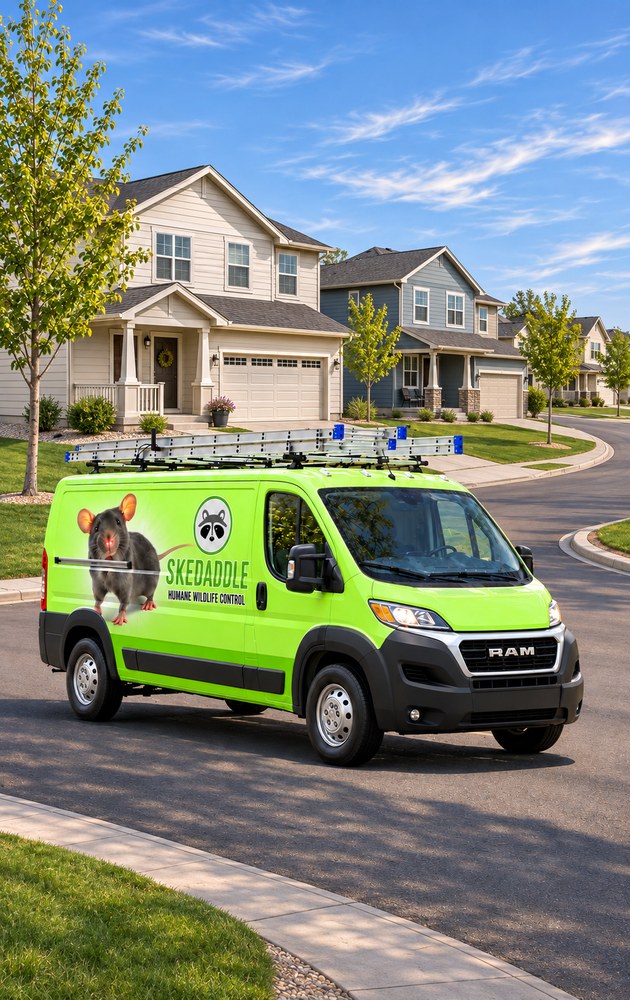
We connect the signs you have noticed with a clear explanation of what is happening inside or around your home. From the first inspection through the final exclusion repairs, our recommendations bring wildlife care and property protection into the same plan.
Timnath includes different home layouts: for example, Timnath Lakes offers single-family ranch and two-story designs. We assess the actual roofline, garage, exterior openings and accessible sheltered spaces rather than assuming a newer home is already protected. Where solar panels are present, we consider how the installation affects access to the area being inspected. You receive an explanation of the findings, the work we recommend and any limitations that need specialist coordination.
Our technicians are trained in wildlife biology, home repair, decontamination and restoration. We use that knowledge to look beyond the first visible opening and explain how the animal, building and affected materials fit together. If wildlife has entered an attic, we assess the relevant access routes and insulation condition; if the concern is outside, we focus on the occupied structure. Your service plan brings the appropriate removal, cleanup and exclusion work together without automatically adding services the inspection does not support.
Our lifetime guarantee on all workmanship and materials supports the exclusion repairs we complete. Before work starts, we explain the written scope and applicable terms so you understand the openings being protected. Afterward, we describe the completed repairs and how to contact us if a serviced point needs attention. That gives you a clear record of the work at your Timnath property while keeping a separate concern elsewhere on the building distinct from follow-up on the original service.

Co-Owner and Operator of Skedaddle Northern Colorado and Skedaddle Southern Wyoming
Rowina Aldrich is the Co-Owner and Operator of Skedaddle Humane Wildlife Control in Northern Colorado and Southern Wyoming, where she oversees the day-to-day operations of the business. Originally from South Africa, Rowina worked as a military nurse before spending time living in different parts of the world with her family. In 2021, she and her family moved to Colorado, where they found a community that shares their appreciation for nature and the outdoors. Rowina quickly came to appreciate how strongly her Colorado community supports locally owned and operated businesses, and she wanted to contribute to that community by offering a valuable service of her own. Alongside her longtime friend and fellow Co-Owner, Steve Crossman, she saw an opportunity to bring that same sense of personal service and community connection to their own business. Drawn to Skedaddle's humane approach to wildlife control, Rowina was inspired to provide homeowners with dependable solutions while building a business rooted in the values she admires in her community. Today, she is focused on supporting her team, building lasting relationships with homeowners and providing the quality of service that local families have come to value.

Co-Owner and Operator of Skedaddle Northern Colorado and Skedaddle Southern Wyoming
Steve Crossman is the Co-Owner and Operator of Skedaddle Humane Wildlife Control in Northern Colorado and Southern Wyoming. Born in Minneapolis, Minnesota, and raised in Cedar Falls, Iowa, Steve now calls Colorado home. After studying at the University of Iowa and Chicago-Kent College of Law, Steve built a career spanning over 25 years in sales, marketing and business leadership, serving in executive positions in both large corporations and small businesses. A lifelong outdoor enthusiast, he enjoys camping, fishing, hiking and exploring, sharing his passion for nature and wildlife with his two sons who followed in his footsteps to earn the rank of Eagle Scout. That shared appreciation for the outdoors played an important role in his decision to join Skedaddle, where he saw an opportunity to bring a different approach to wildlife control to his community. While homeowners had options for dealing with unwanted wildlife, Steve recognized the need for services that combined humane removal with the expertise, quality workmanship and long-term solutions needed to prevent animals from returning. He wanted to bring Skedaddle's approach to Colorado, providing homeowners with a higher standard of wildlife control. For Steve, Skedaddle brings together his family's love of wildlife and his years of business experience, giving them the opportunity to work together while making a difference at home. Alongside his longtime friend and fellow Co-Owner, Rowina Aldrich, Steve is proud to bring humane wildlife services to the Colorado community they both call home.

Lead Technician, Skedaddle Northern Colorado and Skedaddle Southern Wyoming
Everett Crossman is the Lead Technician for Skedaddle Humane Wildlife Control, serving Northern and Southern Wyoming. Originally from Chicago, Illinois, Everett and his family have made Loveland, Colorado, their home. His passion for wildlife and the outdoors began at a young age through his involvement in scouting, where he earned the rank of Eagle Scout. This early appreciation for nature led him to study Wildlife Biology and Natural Resources at Colorado State University and pursue professional opportunities working with state parks. Everett brings his knowledge of wildlife and experience working in natural environments to his work at Skedaddle. As Lead Technician, he enjoys sharing his expertise with fellow technicians, helping them develop their skills and providing guidance as they take on new challenges in the field. His passion for wildlife is reflected in his commitment to providing long-term solutions that protect homeowners' properties while respecting every species of wildlife. He takes pride in knowing that his work allows him to support his team's growth while making a positive difference for homeowners and wildlife in the community he calls home.

Wildlife Technician, Skedaddle Northern Colorado and Skedaddle Southern Wyoming
Originally from Fort Scott, Kansas, Albert Bohn brings a background in military service and wildlife conservation to his role as a Wildlife Technician with Skedaddle Humane Wildlife Control in Northern Colorado and Southern Wyoming. Albert spent four years serving in the United States Army as a Medical Laboratory Technician, where he conducted medical research. Following his military service, he pursued his passion for wildlife at Colorado State University, studying Fish, Wildlife, and Conservation Biology. Now calling Fort Collins, Colorado, home, Albert continues his commitment to serving others through his work at Skedaddle, putting his education and experience to use while helping homeowners in his community. His lifelong appreciation for wildlife and belief that animals deserve to be treated with care and respect align closely with Skedaddle's humane approach. For Albert, the most rewarding part of his work is helping homeowners find lasting solutions to wildlife problems while ensuring the animals are treated humanely.
Go behind the scenes with Everett Crossman, Lead Wildlife Technician at Skedaddle Colorado North. From sealing gaps around the roofline to clearing out affected attic insulation, he shows the preventative work that helps keep wildlife from coming back to Timnath homes.

We provide seven wildlife services, with the method chosen for the animal and the occupied space. On solar-equipped properties, we assess relevant accessible areas and explain how wildlife removal fits with any equipment-related work. Panel handling, electrical repairs and solar maintenance require an agreed scope and appropriately qualified specialists; they are not automatically included in wildlife service.
Bird activity around your Timnath roof can involve more than the panels you see from the yard. Pigeons in particular tuck nests into the gap beneath an array, where the debris can restrict airflow and droppings can mark and harm the panels. We confirm which birds are present, check the occupied space and look for nests, eggs or young before recommending removal or screening. We then explain the cleanup and exclusion sequence, accounting for dependent young and applicable protections. If a vent or roof opening is involved, we assess that route too, without assuming every installation needs the same treatment.
When you notice mouse activity in a Timnath garage, wall or attic, we investigate how the occupied area connects to the outside. We assess accessible building edges and utility openings, including the details at newer homes rather than treating construction age as protection. At solar-equipped properties, mice can chew wiring insulation and gather nesting material beneath panels. We identify the wildlife routes we can address and distinguish any suspected equipment damage for a qualified specialist. Our fall service combines removal with the recommended entry-point repairs and cleanup of affected materials.
We trace squirrel activity from the accessible roof exterior toward the space being used, checking the entrance and whether dependent young are present. Where a solar array provides accessible shelter, squirrels can nest beneath panels and chew wiring insulation. We assess the relevant building openings and explain how removal, cleanup and exclusion repairs should proceed. At a Timnath home with several roof sections, the inspection follows the evidence rather than stopping at the first noise. Any suspected solar-equipment damage is identified separately so the wildlife work can be coordinated with the appropriate specialist.
For a skunk using shelter at your Timnath property, we begin by assessing the den entrance and checking for dependent young. Skunks can den beneath sheds, garages and house foundations, which keeps our inspection focused on ground-level access. If your property has ground-mounted solar equipment, we consider accessible shelter around its supporting structures where relevant; we do not treat skunks as a rooftop-panel pest. We explain humane removal, any recommended cleanup and the exclusion repairs suited to the serviced opening. The result is a plan for the occupied space, not an assumption based on odor alone.
We assess suspected raccoon activity by locating the occupied space, identifying its entrance and checking for dependent young before planning repairs. On solar-equipped roofs, raccoons seeking shelter can disturb panels and cause physical damage. We inspect the accessible building details involved and separate wildlife exclusion from equipment assessment. Your Timnath service may address an attic opening, chimney access or shelter beneath a structure, depending on the findings. We explain the removal sequence and recommend cleanup or attic restoration only where the condition of the affected materials calls for that work.
Our bat service starts with understanding the roost, its access points and the conditions needed for humane exclusion. Around solar-equipped roofs, the important issue is coordination: solar work can block bat access or change roost conditions, rather than bats being assumed to chew panel cables. We assess occupancy, dependent young and weather before explaining the appropriate sequence. At your Timnath home, that plan connects the serviced roof openings with any recommended cleanup and building protection. We coordinate around relevant roof or solar work without treating a fall appointment as automatic clearance to seal every gap.
We investigate suspected rat activity by following the signs through accessible areas of your Timnath home or outbuilding. The assessment establishes the occupied spaces and the openings that need attention before we recommend removal and exclusion repairs. Where solar panels are installed, rats may nest beneath the array and chew wiring, making relevant accessible equipment areas part of the assessment. We identify suspected electrical concerns for an appropriately qualified professional rather than treating them as routine wildlife repairs. Cleanup recommendations address the affected materials, with the agreed scope explained before work begins.
We can investigate the activity without you having to identify the animal first. Our Timnath inspection connects the sounds or visible signs with the occupied space, then explains the recommended removal, cleanup and protection.
We serve Timnath homes across the residential areas below, with names drawn from the Town of Timnath neighborhood map. Local settings include Timnath Reservoir, Timnath Community Park and Weitzel Park’s connection to the Poudre River Trail, all identified by the town’s parks guide. Those familiar places help describe our community, while the inspection focuses on the openings and wildlife activity at your individual property. The list is not exhaustive, and we confirm your address and appointment availability when arranging service.
We begin with what you have noticed, then assess the relevant accessible areas to establish what is causing it. The visit gives you a practical explanation of the animal, its access and the services recommended for your home.
A porch entrance and an attic opening can call for very different access and cleanup plans. We keep those differences clear in your quote so the proposed work makes sense for the property.
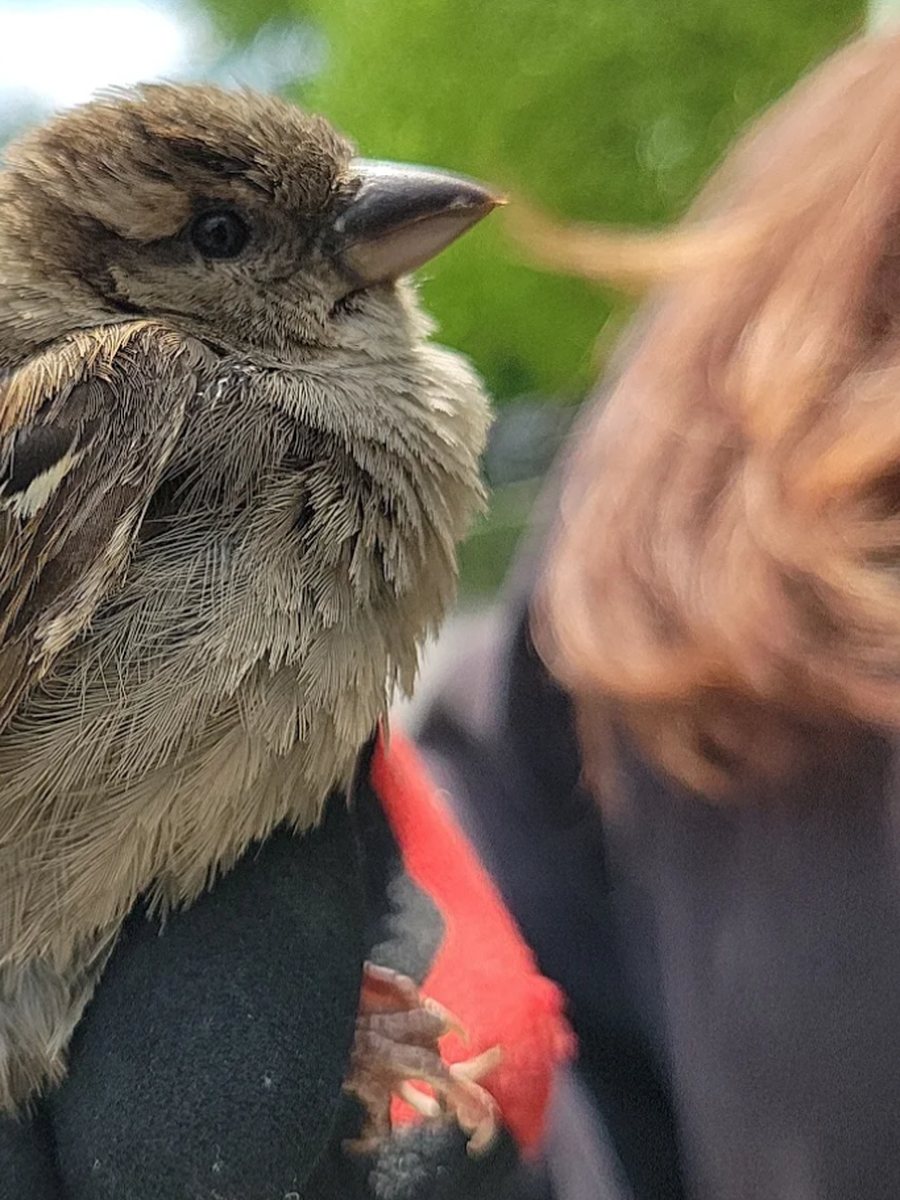

We identify the wildlife and inspect the accessible routes into the occupied area of your Timnath property. The findings guide a humane removal plan that accounts for dependent young, active nests or roosts and the layout of the building. Where solar equipment affects access, we explain the coordination needed before beginning the agreed work.
Learn more
We examine the surfaces and materials affected by the activity, then complete the cleanup included in your service plan. That may involve removing nesting debris, cleaning and decontaminating the occupied area or replacing contaminated attic insulation. We explain whether the findings support targeted treatment or more extensive restoration rather than assuming the entire attic needs work.
Learn more
We secure the specified entry points once the removal sequence and occupancy checks allow the repairs to proceed. Materials and installation are selected for the particular opening, whether the work involves a roof detail or access beneath a structure. We document the completed exclusion and explain the terms of our lifetime guarantee on all workmanship and materials.
Learn moreWe use seasonal conditions to help plan the work, then verify what is happening at your property. The animal, occupied space and presence of dependent young matter more than a calendar date alone.
| Season | Wildlife focus | Our service focus |
|---|---|---|
| Spring (March–May) |
Occupied dens and nesting spaces | We identify the species and check for dependent young before planning removal and entry-point repairs. |
| Summer (June–August) |
Active nests, roosts and sheltered roof spaces | We assess occupancy and access, including relevant areas around solar arrays, while accounting for young. |
| Fall (September–November) |
Access into walls, garages and attics; shelter beneath structures | We connect humane removal with exclusion and cleanup as the weather cools. |
| Winter (December–February) |
Indoor activity and weather-sensitive exterior work | We inspect the accessible areas and explain how current weather affects removal and repair scheduling. |
Quarterly focus: October–December 2026: For Timnath this quarter, we focus on the routes wildlife is using as fall gives way to winter. At a ranch-style home, a two-story property or a house with solar panels, we assess the actual garage, utility and roof details involved instead of treating one layout as inherently more vulnerable. The plan combines humane removal with suitable exclusion repairs and cleanup. We also explain any weather or occupancy conditions that affect when the work can proceed.
Lasting exclusion depends on understanding the animal and the structure together. We explain how removal, care for dependent young, cleanup and repairs fit into the work at your Timnath home.
We choose the approach after assessing the species, occupied space and access conditions. A nest near solar equipment calls for a different plan from shelter beneath a porch, and neither is addressed simply by sealing the first opening we see. Hands-on removal, specialized equipment or one-way devices may be appropriate in different situations. We explain the method selected for your property and the checks needed before the next stage of work can begin.
When an occupied space may contain dependent young, we assess the family before deciding how removal and repairs should proceed. Where appropriate, our family-care methods include careful retrieval and a heated reunion box so the mother can recover her young. We explain how those findings affect the service sequence at your Timnath property. One adult leaving an entrance is not, by itself, a reason to assume that every animal is out or that the opening is ready to close.
We assess the condition of the affected materials before recommending the level of cleanup. Localized activity may call for targeted cleaning, while more extensive contamination or insulation damage may support attic restoration. We explain the areas involved and the work included in your quote. That keeps a problem around an exterior structure distinct from an attic issue and helps you understand why each cleanup or restoration service belongs in the plan for your home.
We stand behind our exclusion repairs with a lifetime guarantee on all workmanship and materials. Your written scope identifies the openings addressed, and we explain the applicable terms before starting the work. Once repairs are complete, we describe the protection installed and how follow-up works if a serviced point needs attention. If a separate wildlife concern develops elsewhere on the property, we assess that issue on its own rather than assuming it is the same access problem.
We prepare a detailed quote after assessing the animal, access conditions and affected areas. The recommended removal, exclusion repairs and cleanup determine the scope, including attic restoration only where needed. We explain the work before it begins. A straightforward exterior entrance and activity across several attic spaces may require different services, so we price the findings rather than apply one standard amount to every home.
Yes. We assess the relevant accessible areas of your home regardless of its age or layout. Garage details, utility openings, roof transitions and sheltered exterior spaces are considered when the evidence points toward them. We explain what we find and how it connects to the activity you have noticed. A newer build does not replace an inspection, and a particular floor plan does not establish an infestation.
We identify the birds, often pigeons, and assess accessible areas around the installation before recommending the appropriate removal, cleanup and screening. Eggs, dependent young and applicable protections affect the sequence. We explain the wildlife work we can undertake and any specialist coordination required. Solar-panel handling, electrical repairs and equipment maintenance are not automatically part of wildlife removal and need an agreed scope with appropriately qualified professionals.
We consider the roost, dependent young and weather before recommending exclusion. The Colorado Bat Working Group advises considering autumn work after maternity colonies disperse, but that guidance is not automatic permission to seal an occupied opening. We explain the conditions at your Timnath home and coordinate relevant roof or solar work around the appropriate sequence. The assessment determines the plan, not the season alone.
Yes. The neighborhood list gives examples of our Timnath coverage rather than setting its limits. We confirm your property address and appointment availability when arranging service, whether you are in a listed neighborhood or another part of town. The inspection then establishes the wildlife, access and recommended work. We do not require your neighborhood to appear on the page before discussing an appointment.
No. We recommend cleanup and restoration according to the spaces and materials affected. Wildlife activity around a porch or outdoor structure does not automatically require work in the attic. If an attic is involved, we assess whether targeted cleaning, decontamination or insulation replacement is appropriate. Your quote explains the recommended services and their scope so the work reflects the findings at your property.
We provide a lifetime guarantee on all workmanship and materials. Before starting, we explain the applicable terms and identify the exclusion repairs included in the written scope. After completion, we describe the serviced points and how to contact us about follow-up. A new opening or unrelated wildlife concern elsewhere at the property may need its own inspection and a separate recommendation.
We discuss available appointments when you contact our Colorado North team. We do not promise same-day completion because the inspection must establish the species, occupied area and appropriate work sequence. Access, weather and dependent young can affect when removal or repairs proceed. We explain what the appointment covers and outline the next steps once we have assessed the relevant areas of your property.
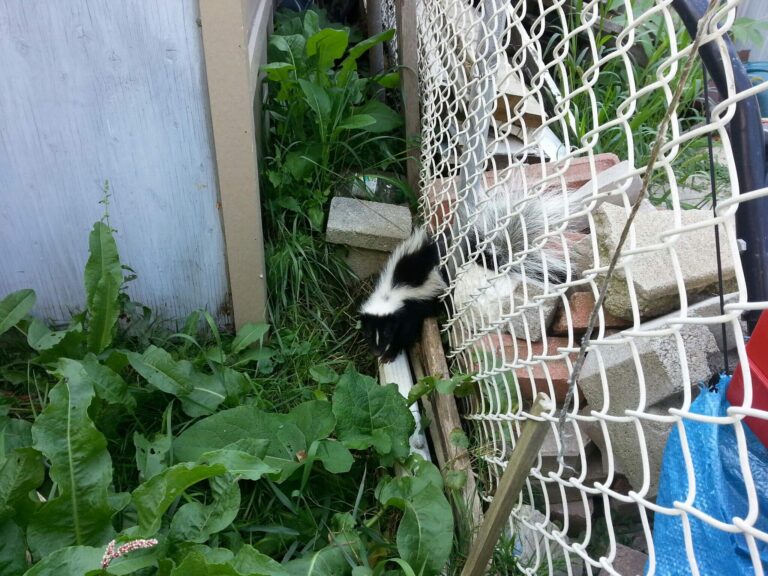
Skunks are generally non-aggressive animals that prefer to be left alone. Unfortunately, if a skunk takes up residence on your property, it increases the…
Read article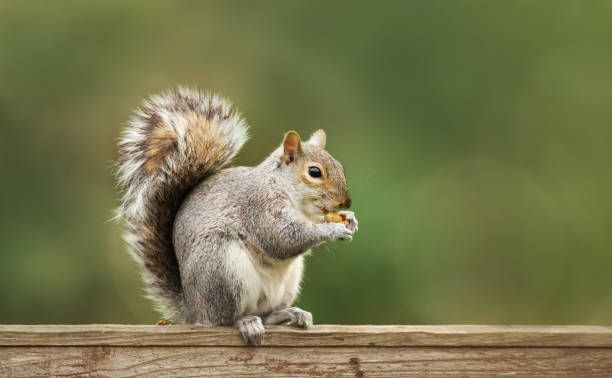
Squirrels are cute, playful creatures that are frequently seen in our neighborhoods throughout the summer months. You probably enjoy seeing the animals frolic in…
Read article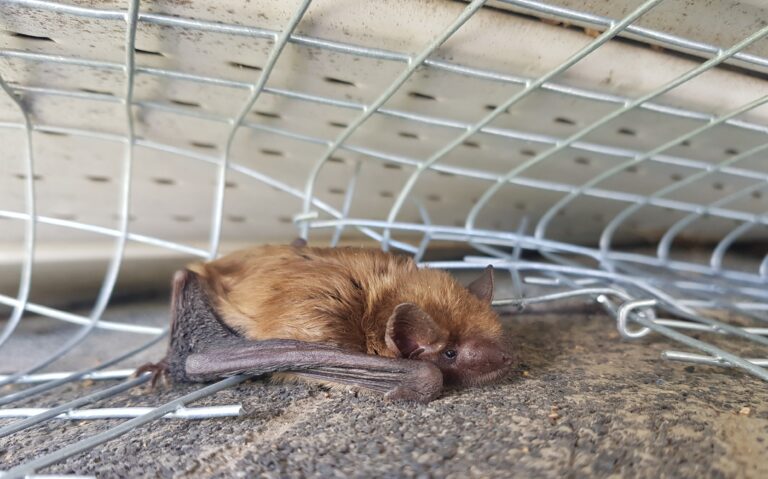
Having bats in your home can be a disconcerting experience. Roosting animals are often loud and destructive. They also expose you and your family…
Read article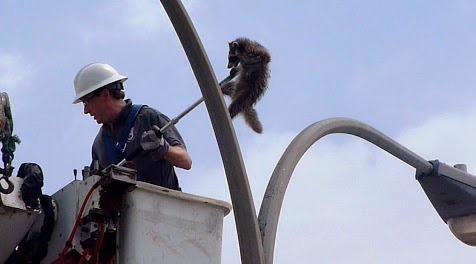
If you hear a scampering, scraping sound in your attic, basement or even in your living area, you may have a wild visitor in…
Read articleYou do not need to solve the mystery above the ceiling or beneath the porch on your own. We bring inspection, humane removal, exclusion repairs and appropriate cleanup together in a clear plan for your Timnath home. Whether the concern is around solar panels or an opening elsewhere on the building, our Colorado North team will explain the findings and the work we recommend. Call us to arrange your fall wildlife inspection.
 menu