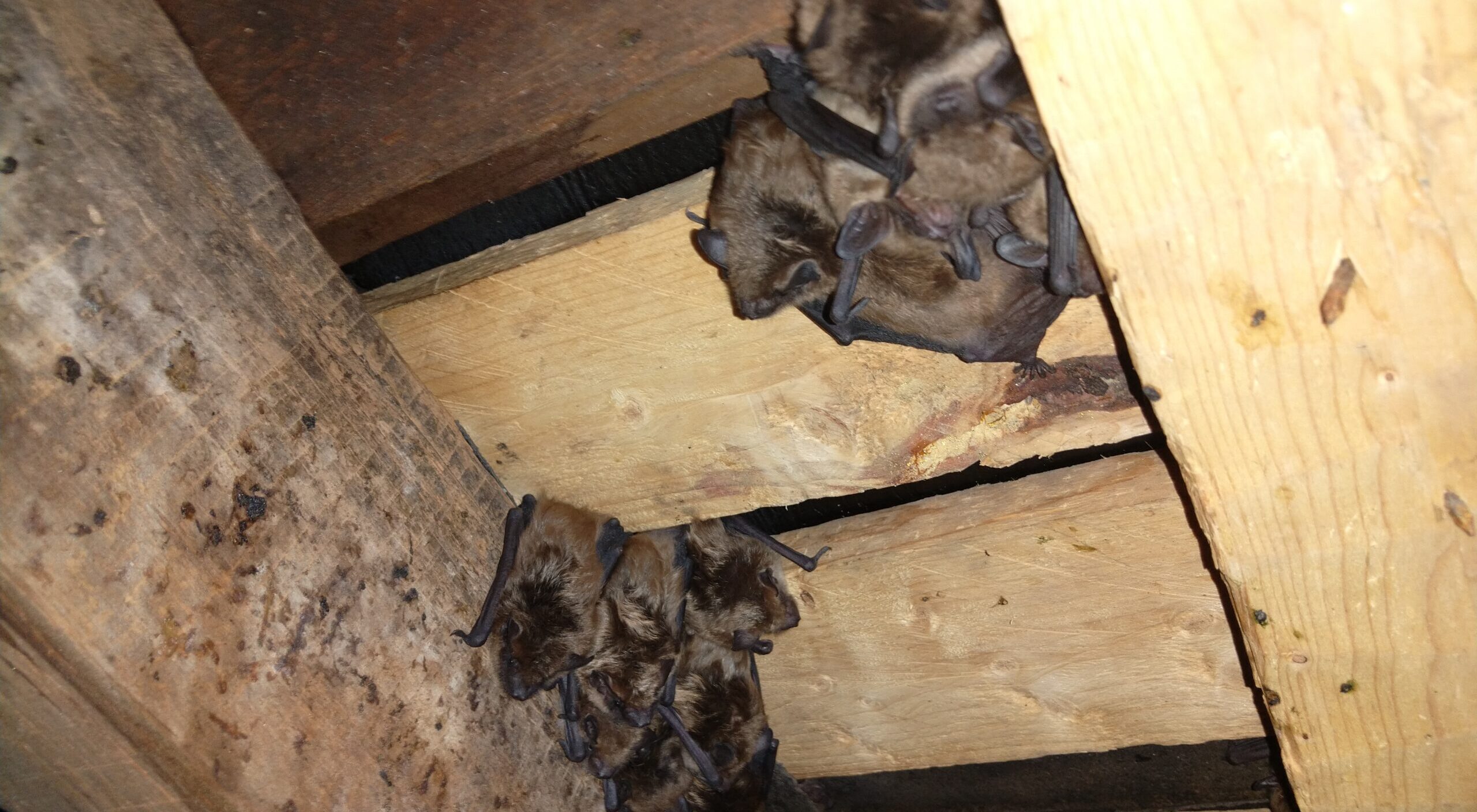
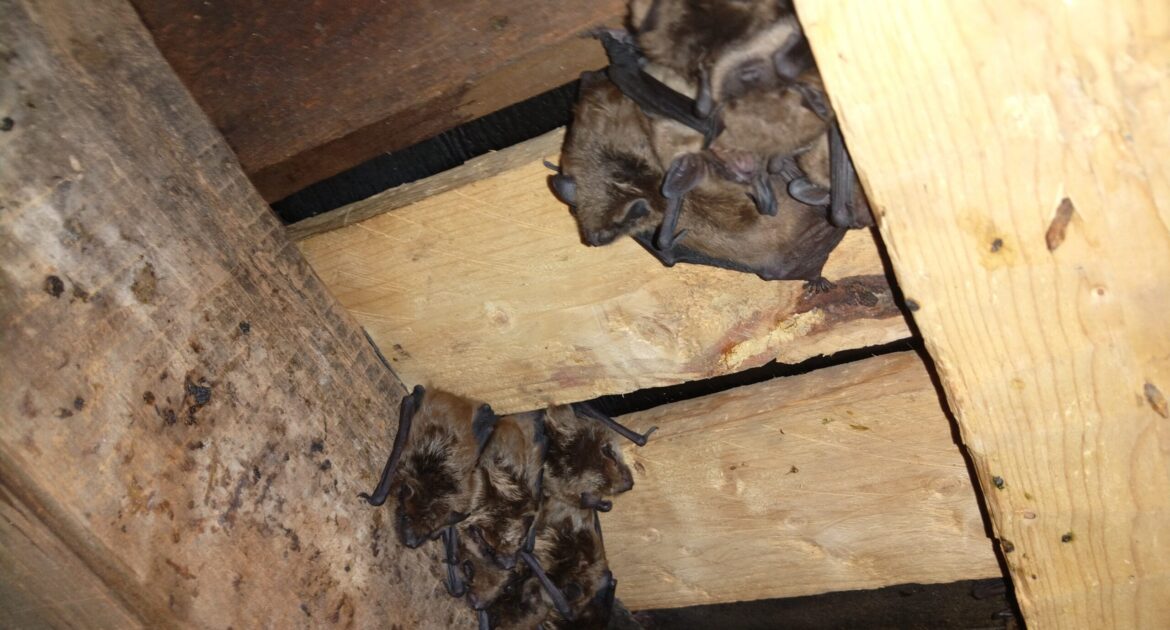
Many Ohio homeowners are unaware that bats often spend the winter months in buildings where temperatures are stable and shelter is available. While the outdoors becomes too cold and insect activity drops, some species of bats seek out quiet indoor spaces to hibernate. Understanding this behavior is important for anyone curious about bats and their habits.
At Skedaddle Humane Wildlife Control, we often get calls from homeowners concerned about bats hibernating in Ohio homes. These animals can remain hidden for months, conserving energy in attics, walls, and other undisturbed areas. Learning the signs of winter activity and following bat hibernation tips can help you recognize their presence safely.
Bat Behavior During Ohio Winters
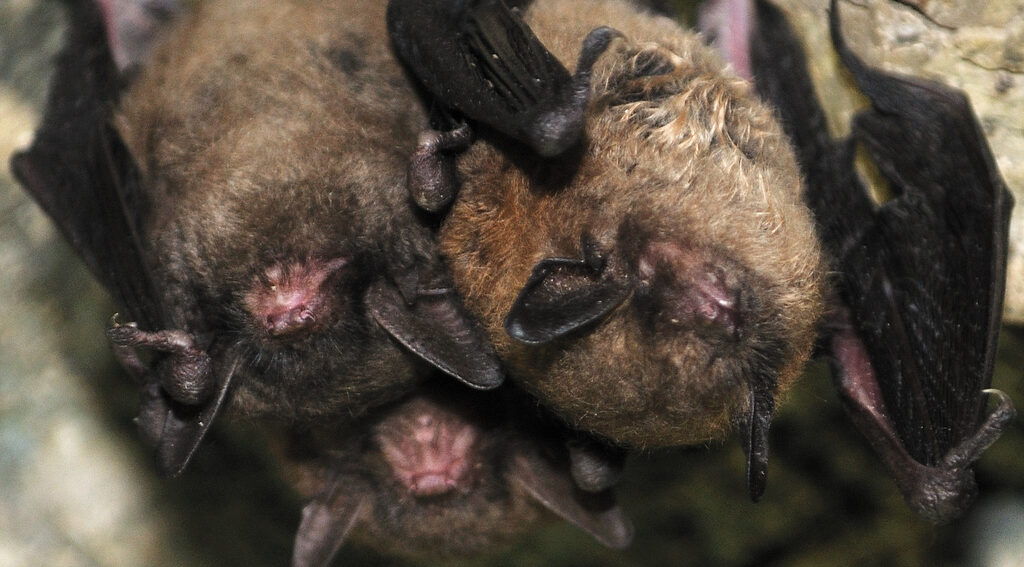
Ohio is home to several bat species, including the little brown bat, big brown bat, and tricolored bat. These species face challenges during the winter because the temperature drops and insects, their primary food source, become scarce.
Some bats migrate to warmer areas, but others stay in Ohio and enter hibernation. Homes with attics, chimneys, and wall voids can mimic the natural conditions bats seek in caves. Bats hibernating in Ohio homes take advantage of these warm, quiet spaces to survive the cold months.
Key aspects of bat winter behavior include:
- Dramatic slowing of heart rate and breathing while in torpor
- Reduced activity to conserve energy
- Selection of sites with temperatures that stay above freezing but remain cool enough to maintain dormancy
Statistics from Bat Conservation International show that in the Midwest, nearly 40 percent of big brown bats remain in man-made structures during winter rather than migrating. At Skedaddle, we use this knowledge to help homeowners understand why bats may choose their homes and what to look for before taking any steps to protect both people and wildlife.
Where Bats Commonly Hibernate Inside Homes
Bats are very small and can access spaces as narrow as half an inch. In Ohio homes, they tend to choose areas that provide safety, warmth, and minimal disturbance. Common locations include:
- Attics and rafters
- Behind siding or shutters
- Wall voids and eaves
- Chimneys and ventilation ducts
Bats hibernate in these spaces because the temperature is relatively stable, usually between 35 and 45 degrees Fahrenheit. A stable environment allows them to stay dormant for months without expending energy.
While bats are beneficial to the environment, their presence inside a home can create challenges, such as:
- Accumulation of droppings, which can cause odors
- Stains on insulation, ceilings, or walls
- Noise during occasional arousal on warmer winter days
We at Skedaddle often remind homeowners that understanding where bats settle helps identify winter bat signs and plan for safe, humane solutions when the hibernation period ends.
How Bats Get Inside Homes Before Winter
Bats begin preparing for hibernation in late summer and early fall. They explore buildings for suitable roosting sites and will enter through the smallest openings. Common entry points include:
- Gaps around vents, fascia boards, and soffits
- Cracks in rooflines or around chimneys
- Small openings near windows or doors
Before winter, homeowners may notice subtle signs that bats have entered, such as:
- Faint squeaking or scratching sounds near attics or walls
- Tiny droppings near possible entry points
- Grease or stain marks where bats repeatedly contact surfaces
Fall is a critical time for preventing future winter bat activity. At Skedaddle, we can inspect homes to identify potential entry points and offer guidance on preventive measures while ensuring bats are left undisturbed during hibernation. Recognizing these patterns is an important part of bat hibernation tips for homeowners.
Key Signs of Bats Hibernating in Ohio Homes
Even during the winter, bats can leave subtle clues that indicate their presence. Recognizing these signs can help homeowners monitor activity safely. Common winter bat signs include:
- Unusual noises: Soft scratching or fluttering sounds, especially during warmer periods in the attic or walls.
- Droppings: Small, dark pellets that often crumble into powder due to insect remains. These can appear near entry points or along attic floors.
- Odor: A musty, ammonia-like smell from accumulated droppings that intensifies over time.
- Stains or marks: Grease or residue along siding, vents, or small gaps where bats regularly enter or exit.
- Occasional movement: During mild winter days, bats may briefly wake, causing slight movement that can be heard in ceilings or walls.
At Skedaddle, we emphasize that observing winter bat signs is the first step. Our team can help confirm bat presence and advise on long-term strategies to protect your home while keeping the bats safe.
What to Do if You Suspect Bats Are Hibernating Indoors
If you notice evidence of bats hibernating in Ohio homes, it’s important not to disturb them. Waking bats during hibernation can deplete vital energy reserves, which can be harmful.
There are also health considerations for homeowners. Accumulated droppings can create odors and stains. While bats are important for controlling insects, they should not share indoor spaces with people.
At Skedaddle, we help homeowners with:
- Identifying bat species and assessing the likely size of the hibernating colony
- Evaluating entry points and structural vulnerabilities
- Offering guidance on prevention measures after hibernation ends
Exclusion and home maintenance are safest when bats have naturally left in late spring. Our team also provides bat hibernation tips, including seasonal inspections, sealing small gaps, and maintaining attics and roofs to prevent future indoor hibernation. These approaches keep both the animals and your home safe and undisturbed.
Protecting Your Home While Supporting Bats
Bats hibernating in Ohio homes are a fascinating part of the winter ecosystem. They play an important role in controlling insects and maintaining local ecological balance. Homeowners who recognize winter bat signs and follow bat hibernation tips can ensure these animals remain safe while minimizing potential damage to their properties.
At Skedaddle, we provide humane guidance and professional support to help homeowners manage bat activity responsibly. We offer inspections, assessments, and advice on prevention techniques that protect both your home and the bats themselves. By understanding bat behavior and taking informed precautions, you can coexist with these creatures safely and effectively.
Keeping Your Home and Bats Safe
Bats hibernating in Ohio homes are hidden guests that quietly survive the winter months. They often settle in attics, wall voids, and chimneys, leaving subtle clues such as droppings, odors, stains, or faint noises. Recognizing these winter bat signs is the first step in protecting your home while respecting the bats’ natural behavior.
We at Skedaddle can help homeowners understand these signs and provide guidance for safe, humane management once hibernation ends. By following bat hibernation tips and working with our team, you can ensure the safety of your property and the well-being of local bats.
If you suspect bats are hibernating in your home, reach out to Skedaddle Humane Wildlife Control. Our team is ready to provide professional guidance, inspections, and advice to keep your home secure while respecting the animals that share your environment.

 Loading...







