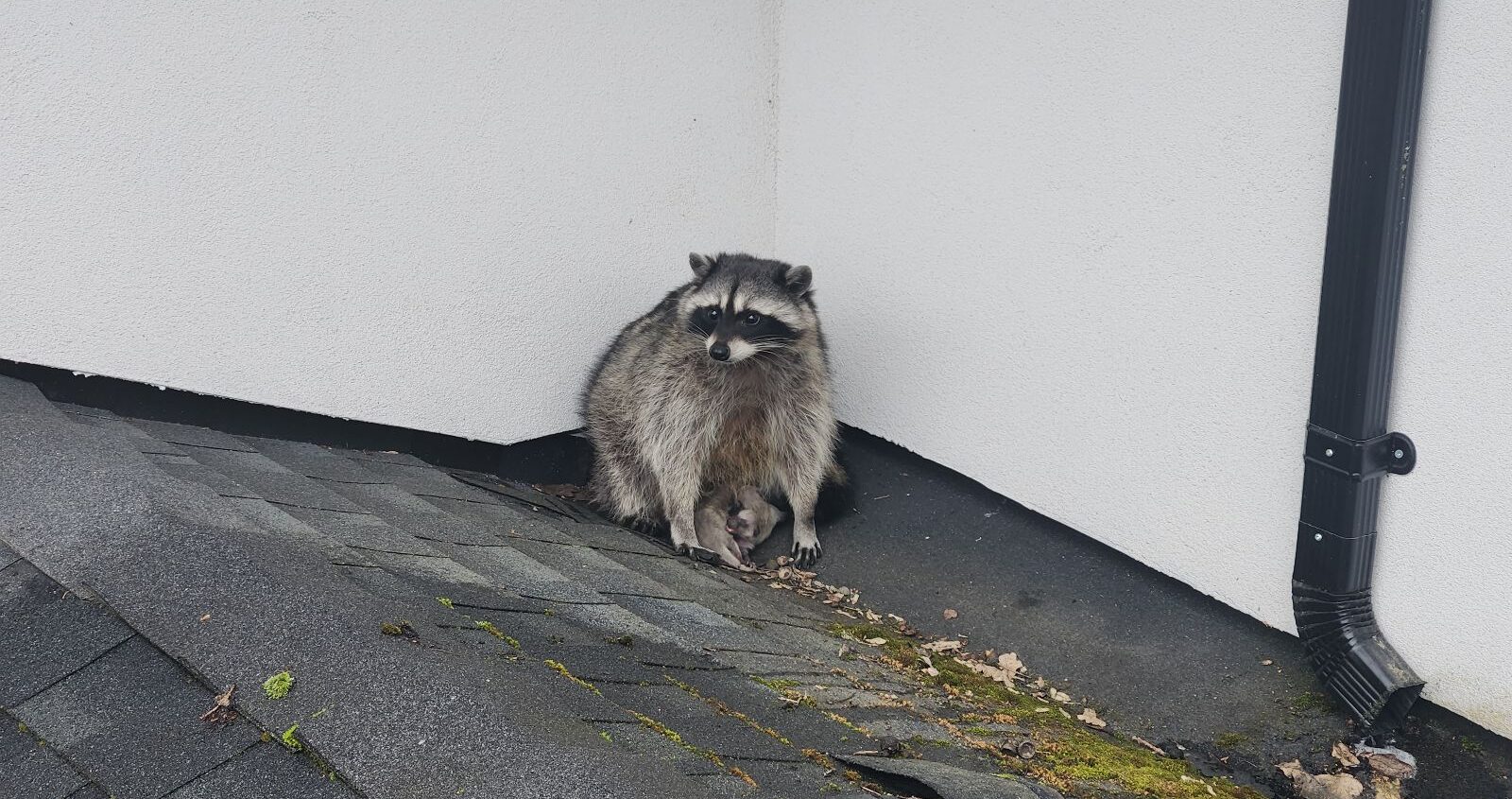
Do raccoons remember houses? Yes. If one of these intelligent animals has made a den in your attic or crawlspace, it likely remembers that spot as a safe and warm place to live. Their brains are built to solve problems and remember locations for a very long time. This is why simply moving them away often does not work. If you take them a few miles away, they can often find their way back. Even if they don’t return, the memory of your home as a “safe zone” is strong.
When wildlife finds a way into a building, it is usually because they are looking for shelter, warmth, or a place to raise babies. Once they establish that your house provides these things, it becomes a priority location on their mental map. At Skedaddle Humane Wildlife Control in Columbus, we understand how these animals think. We know that outsmarting them requires more than just a trap; it requires understanding their behavior.
In this blog, we will explore why their memories are so good, why relocation fails, and how we can help you keep your home wildlife-free.
How Far Do You Have To Move An Animal So It Doesn’t Come Back?
One of the most common questions people ask is about distance. They want to know how far an animal needs to be moved so it cannot return. The truth is complicated. Studies show that these animals have an incredible ability to navigate. If you move them five or ten miles away, many of them can figure out how to get back to their original territory. This is called a “homing instinct.”
However, moving them very far away is not a good solution either. When an animal is taken entirely out of its known territory, it gets confused. It doesn’t know where to find water, food, or safe hiding spots. It may get into fights with other animals that already live there. This is why our team focuses on exclusion rather than relocation. We use one-way doors that let the wildlife out but stop them from getting back in. This forces them to move to a backup den within their own familiar territory, which is much safer and more humane for them.
They Have Excellent Maps in Their Heads
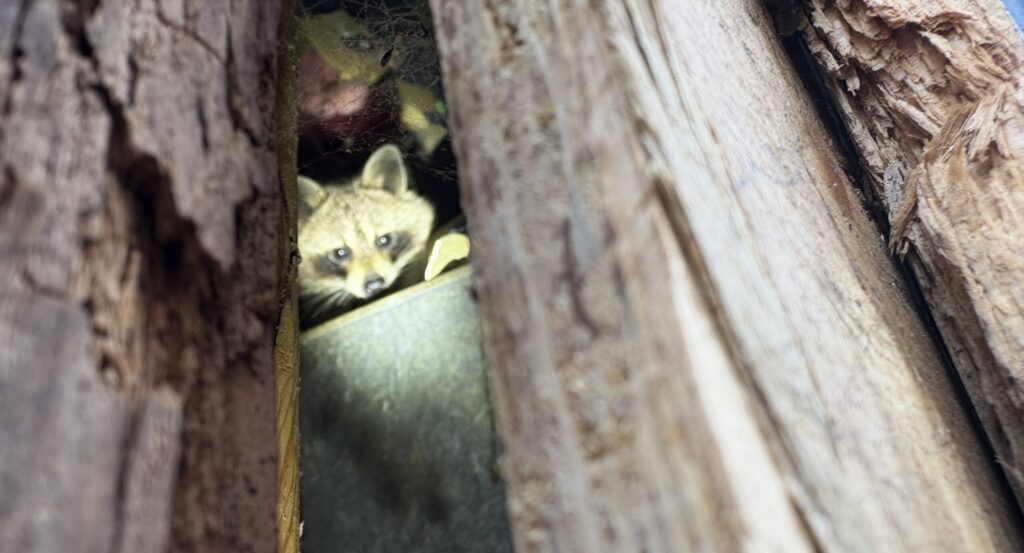
To understand why raccoons remember houses, you have to understand how they see the world. These animals have what scientists call “spatial memory.” This means they can create a mental map of their neighborhood. They know exactly which fence is loose, which tree leads to a roof, and which house has the best garbage.
Because they are creatures of habit, they patrol their territory regularly. If your home was once a part of that territory, it stays on their map. Here are a few things they likely remember about your property:
- Entry Points: They remember the exact loose board or vent they used to squeeze inside.
- Climbing Routes: They recall which downspouts or tree branches gave them easy access to the roof.
- Food Sources: If you leave pet food out or have accessible trash, they mark that on their mental map as a feeding zone.
- Safety: Most importantly, they remember that your attic was dry, warm, and safe from predators.
This memory can last for a long time. Even if they leave on their own for a season, they might check back in when the weather gets cold again. This is why sealing your home correctly is so important.
Problem-Solving Skills and Intelligence
Raccoon behavior and memory go hand-in-hand with their intelligence. These are not simple animals. In fact, in intelligence tests, they often score just as well as monkeys. They have nimble hands that can open latches, turn doorknobs, and untie knots. Once they figure out how to solve a puzzle—like how to break into your garage—they remember the solution for years.
If an animal used a specific technique to get into your home, such as pushing up a soffit or tearing through a screen, it will try that same method again. They don’t just stumble around looking for a way in; they investigate with a plan. If you simply patch a hole with wood, they might remember that the wood is a weak point and chew right through it again.
This intelligence is why we use heavy-duty screening and professional-grade materials. We know that we are dealing with a smart opponent. We have to be smarter to keep them out.
The Comfort of a Den
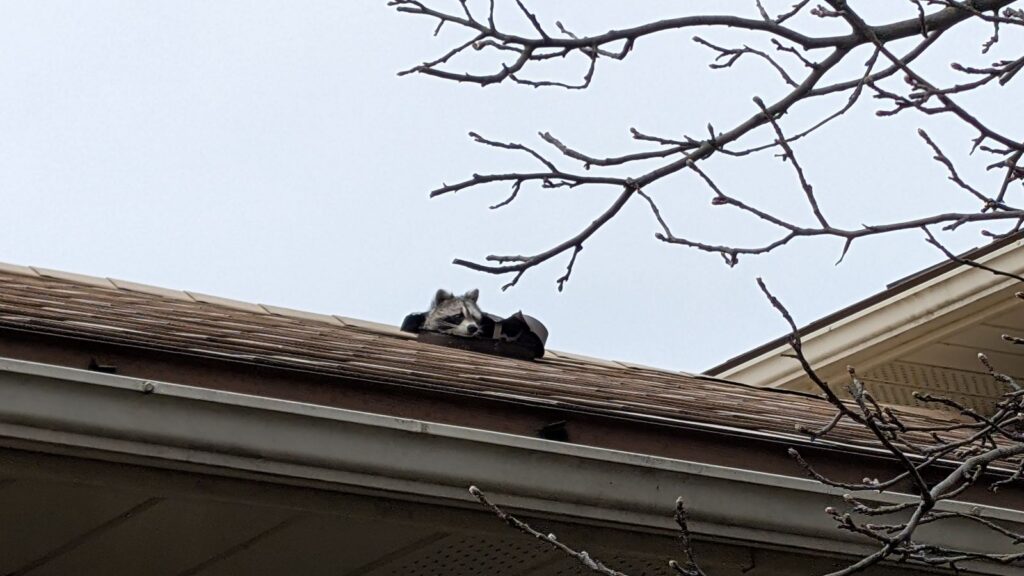
In the wild, these animals live in hollow trees or rock crevices. However, natural dens are becoming harder to find in cities like Columbus. A house offers a “five-star” living experience compared to a cold tree. Insulation is soft for bedding, the temperature is controlled, and it protects them from rain and snow.
Once a raccoon experiences this level of comfort, it is hard for them to settle for less. The memory of your warm attic is a powerful motivator. This is particularly true during the winter months. If a raccoon is cold and hungry, it will remember the warm shelter it used to have. It will work very hard to get back into that space.
This preference for human structures is why we see so many issues in residential areas. The raccoons have learned that houses are the best dens around. They are adaptable, and they have learned to live alongside us to take advantage of the shelter we build.
Maternal Instincts and Safety
One of the strongest drivers for do raccoons come back after removal is the instinct to protect their young. Mother raccoons are fiercely protective. When they are looking for a place to give birth and raise their babies, they are extremely picky. They need a place that is dark, quiet, and safe from male raccoons and other predators.
If a mother successfully raises a litter in your attic, she creates a very strong positive memory of that location. To her, your home is a successful nursery. She will want to use it again year after year. Here is why mothers are so persistent:
- Safety for Babies: She knows her kits were safe from predators up in your attic.
- Warmth for Survival: Babies need warmth to survive, and your insulation provides that.
- Quiet Corners: Attics often have dark corners where she can hide her babies away from human activity.
Scent Markers and Communication
Even if the original raccoon is gone, the memory of the den might remain in a different way: smell. These raccoons have an incredibly sensitive sense of smell. They use urine and other secretions to mark their territory and communicate with others.
When a raccoon lives in your attic, it leaves behind a lot of scents. To us, it might just smell bad. To another raccoon, it smells like a “Vacancy” sign. The scent tells other wildlife that this space is habitable. It tells them that another raccoon lived there safely.
- Territory Marking: They rub their bodies on entry points to claim ownership.
- Communication: Scents can tell other animals about their age, gender, and health.
- Latrines: They create specific toilet areas that leave strong, lasting odors.
Preventing a Return Visit
Since we know that raccoons remember houses, the only way to stop them is to make it physically impossible for them to get back in. You cannot rely on them forgetting. You have to rely on steel screens and sealant.
Our team at Skedaddle Humane Wildlife Control performs a comprehensive assessment of your home. We look at every inch of the roof and foundation. We find the entry point they are currently using, but we also find the potential entry points they might use next. Here is what effective prevention looks like:
- Sealing All Holes: We close up the main entry and any smaller holes they could make bigger.
- Protecting Roof Vents: We put heavy-duty cages over plastic roof vents that are easy to chew through.
- Securing Chimneys: We install caps on chimneys so raccoons cannot climb down into the fireplace.
- Reinforcing Soffits: We secure the areas where the roof meets the walls, as this is a common weak spot.
By fortifying the entire house, we make the memory of the den irrelevant. It doesn’t matter if they remember your attic is warm if they simply cannot get inside.
Frequently Asked Questions
Do raccoons hold grudges?
No, animals do not hold grudges like humans do. If they try to get back into your house, it is not out of anger or revenge. It is simply because they want the food or shelter that your house provides. They are driven by survival instincts, not emotions.
Can they find their way back from 10 miles away?
It is possible, though less likely than if they are moved a shorter distance. However, moving them this far is often illegal and inhumane because they will struggle to survive in unknown territory. It is better to exclude them properly so they stay in their known home range but out of your house.
How smart are they compared to dogs?
They are very smart. In some problem-solving tests, they score higher than cats and dogs. Their memory for how to open locks or solve puzzles is excellent, which is why simple latches often fail to keep them out.
Will bright lights or loud noises make them forget my house?
Usually, no. While lights or radios might annoy them for a day or two, they are very adaptable. They usually get used to the noise and light quickly, especially if the alternative is sleeping outside in the cold. They will learn to ignore the annoyance to keep their warm den.
Protecting Your Home For Good
Do raccoons remember houses? The answer is a clear yes. These intelligent animals have excellent memories that help them survive in the wild. They remember where they found food, where they found safety, and where they raised their young. Because of this, DIY methods and simple relocation often fail. The animal’s drive to return to a safe, known location is extremely powerful.
To truly solve the problem, you need to outsmart the animal by physically excluding it from the home. At Skedaddle Humane Wildlife Control in Columbus, we use humane, science-backed methods to protect your property. We let the wildlife out and seal your home so they cannot get back in. This respects the animal’s need to live in its territory while giving you your home back.
If you hear noises in your attic or suspect you have a guest, don’t wait for them to leave on their own. They won’t forget you, so you need to take action. Contact us today to request an estimate and protect your home from unwanted wildlife.

 Loading...







