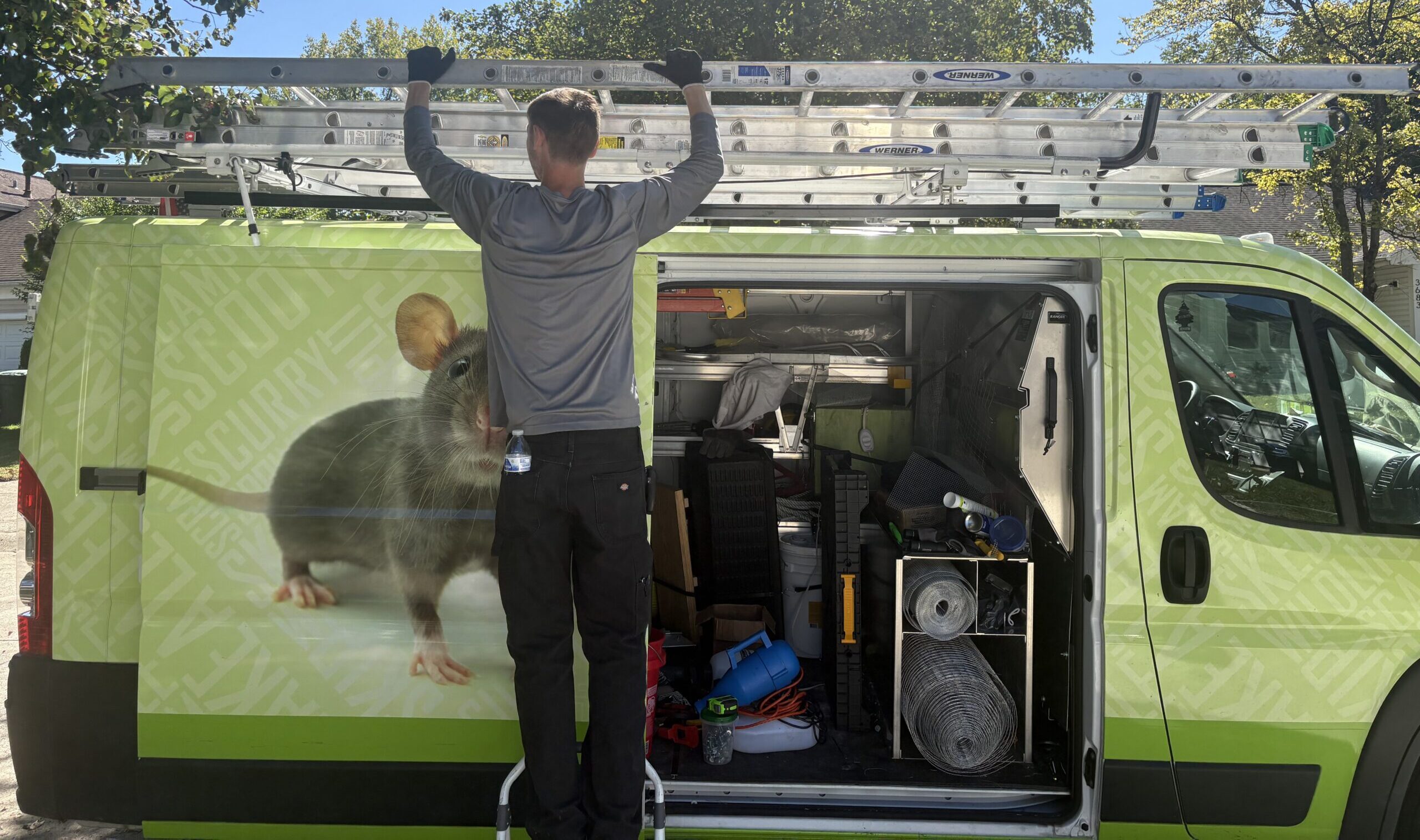
Warning signs of wildlife in your kitchen include small animal droppings, chewed food packages, scratching noises behind walls, and strange odors. If you see dark, grain-like pellets along your baseboards or find holes in your cereal boxes, an animal has likely moved in. You might also hear scurrying sounds at night or smell a strong, musky scent near your appliances. Spotting these signs early is the best way to keep your home clean and safe from damage.
Your kitchen is the heart of your home, and it is a place where you prepare food for your family. Unfortunately, the warmth and food in your kitchen also attract wild animals looking for a cozy place to live. When an animal sneaks inside, it can spread sickness and ruin your property. You should never try to handle wild animals on your own, as they can be unpredictable and dangerous.
This guide will explain exactly what the warning signs of wildlife in your kitchen look like. We want to help you identify the problem so you can get professional help right away. At Skedaddle Humane Wildlife Control in Columbus, Ohio, we know exactly how to handle these unwanted guests safely. We use one-way doors that allow animals to leave your house but stop them from coming back inside. Keep reading to learn how to protect your kitchen and when to call our professional team.
Are mice dangerous to have in a kitchen?
Yes, mice are very dangerous to have in a kitchen because they spread diseases and contaminate the surfaces where you prepare food. When a mouse runs across your counters, it leaves behind harmful germs that can easily make your family sick. They also constantly drop feces and urine near your dishes, silverware, and food storage areas.
Beyond making you sick, these small animals cause serious damage to your house. Mice have teeth that never stop growing, which means they chew on everything to keep them short. They will gnaw through your drywall, wooden cabinets, and even the electrical wires hiding behind your stove. Chewed wires are a major fire hazard that puts your entire home at risk.
You should never try to clean up after these animals or remove them yourself. Breathing in the dust from dry feces can lead to severe breathing problems. Instead of putting yourself in danger, you need to rely on professionals who have the right training and safety gear. Our team at Skedaddle knows how to safely remove the animals and make your kitchen safe again.
Finding Animal Droppings
Finding droppings is often the first clue that an animal is living in your space. These small pellets are usually hidden in dark, quiet corners where animals feel safe. Here is what you should look for when checking your kitchen for droppings:
- Look Inside Your Cupboards: Animals love to hide where you store your food. You will often find small, dark, grain-like droppings pushed into the back corners of your pantry shelves. If you see these, do not touch them or try to clean them up yourself.
- Check Along Your Baseboards: Mice and other animals like to run along the edges of walls to stay hidden. You might notice a trail of droppings right where your floor meets the wall. This is a common travel path that animals use every night.
- Inspect Behind Your Stove: The area behind your oven is warm and rarely disturbed. It makes a perfect bathroom for an animal hiding in your kitchen. Our professional team knows exactly how to safely address these dirty spaces without spreading germs.
Spotting Gnaw Marks on Food and Cabinets
Gnaw marks are a clear warning sign that a wild animal is treating your kitchen like a buffet. You might pull a box of crackers from the pantry and notice jagged holes chewed through the cardboard. Animals will also chew through plastic bags and thin containers to reach the food inside. This ruins your groceries and wastes your money.
Animals do not just chew on your food packaging. They will also gnaw on the structure of your kitchen to make their travel paths wider or to gather building materials. You might see chew marks on the edges of your wooden cabinets, along your door frames, or on the wooden baseboards. This constant chewing causes permanent damage to your expensive kitchen finishes.
If you find chewed items, you must throw the contaminated food away immediately. You should never touch the gnaw marks or use any homemade sprays to clean the area. Call us right away so we can safely assess the damage. We have the experience needed to handle the situation without putting you at risk.
Hearing Scratching and Scurrying Noises
Listening to strange sounds in your kitchen can be very unsettling. These noises usually happen when the house is quiet and you are trying to sleep. Here are the common sounds that indicate an animal has moved in:
- Scratching Behind Walls: You might hear a faint scratching sound coming from inside your kitchen walls. This is often the sound of an animal climbing or digging out a safe space to sleep. The sound can easily echo through the drywall.
- Scurrying Across the Ceiling: If you hear fast, light footsteps above your kitchen, an animal is likely running through your ceiling or attic. These animals use the open spaces above your kitchen to travel unseen. We can track these noises to find exactly where the animal is hiding.
- Rustling Under Your Cabinets: The hollow space beneath your bottom cabinets is a popular hiding spot. You might hear rustling noises as an animal moves around or drags items into its hidden den. Our team knows how to access these tight spaces safely.
Noticing Unusual Odors
A strange, bad smell in your kitchen is a strong sign of a hidden animal problem. Wild animals do not have a bathroom, so they relieve themselves right where they live and sleep. Over time, the smell of urine and feces builds up inside your walls and cabinets. You might notice a sharp, ammonia-like scent that does not go away, no matter how much you clean your floors.
Sometimes, the smell is more like a heavy, musky odor. This scent comes from the oils and dirt on an animal’s fur. When several animals live together in a small, enclosed space, this musky smell becomes very strong and easily spreads into your kitchen. It is a smell that is hard to ignore and impossible to wash away with normal household cleaners.
If you notice these terrible smells, you must resist the urge to find the source yourself. Digging into walls or behind heavy appliances can expose you to harmful germs and diseases. Homeowners should never attempt to handle this dirty work. You need to call our professionals at Skedaddle so we can locate the animals and safely resolve the odor problem.
Discovering Nesting Material
Animals need soft materials to build a warm bed for themselves and their babies. They will steal items from around your home to create these hidden dens. Here is what you should watch for:
- Shredded Paper and Cardboard: Animals will tear up old newspapers, paper towels, and cardboard boxes. They carry these shredded pieces into dark spaces to line their nests. If you find ripped paper in strange places, an animal is likely building a home.
- Stolen Fabrics and String: You might notice holes chewed in your dish towels or find pieces of string missing. Animals love soft fabrics because they provide excellent insulation against the cold. Our experts often find large nests made entirely of stolen cloth.
- Missing Wall Insulation: Animals will often pull the pink or yellow fiberglass insulation right out of your walls. They gather it up and pack it tightly behind your appliances or cabinets. We have the proper equipment to safely deal with torn insulation.
Wildlife Prevention with Skedaddle
Stopping animals from entering your home is the best way to keep your kitchen safe. Our professional team at Skedaddle focuses heavily on keeping animals out for good. We thoroughly inspect your home’s exterior to find any weak spots or small holes. Once we know where the animals are getting in, we use strong materials to seal those gaps so nothing can pass through.
We also install special one-way doors over the main entry points. These clever devices allow an animal to walk out of your house to look for food, but the door safely locks behind them so they cannot return. This is a highly effective way to clear your home without causing harm. Homeowners should never try to block holes themselves, as trapping an animal inside will only lead to more damage and awful smells.
Local Columbus Challenges
Living in Columbus, Ohio means experiencing warm summers and freezing cold winters. When the temperature drops, wild animals naturally look for warm places to survive, making your heated kitchen a prime target. The older, historic homes in our area often have small gaps in the brickwork or foundation that provide easy access for these animals.
Additionally, the mature trees that line our beautiful Columbus neighborhoods give animals a direct path to your roof and vents. Squirrels and birds frequently use tree branches as a bridge to reach your home. Our team understands these local challenges perfectly. We know exactly how the changing Ohio weather impacts animal behavior, and we are ready to protect your property year-round.
Frequently Asked Questions
What should I do if I see an animal in my kitchen?
If you see an animal in your kitchen, leave the room immediately and close the door if possible. Do not try to catch, corner, or chase the animal yourself. Call us right away so our trained professionals can handle the situation safely.
How do animals get behind my kitchen cabinets?
Animals usually enter through small holes around plumbing pipes or gas lines under your sink. They can also travel through the gaps behind your dishwasher or stove. These spaces are rarely sealed perfectly, giving animals an easy highway straight into your home.
Are homemade sprays effective at keeping animals away?
No, homemade sprays and DIY repellents do not work and will not solve an animal problem. They wear off quickly and do not stop an animal that is determined to find a warm place. You need professional exclusion work to properly protect your home.
Can an animal cause a fire in my kitchen?
Yes, animals can cause fires by chewing on the electrical wires hidden in your walls or behind your appliances. When they strip the protective coating off the wires, the exposed metal can spark. This is why you must address animal issues immediately.
Does Skedaddle use traps to catch the animals?
No, we do not use traditional live trapping or relocation methods. Instead, we install special one-way doors that let the animal exit your home naturally but prevent it from coming back inside. This is the safest and most effective way to clear your property.
Let Us Keep Your Kitchen Safe From Wildlife
Your kitchen is one of the most important places in your home, but it can quickly become a target for wildlife. Animals like mice, squirrels, or raccoons are often drawn inside by the promise of food, shelter, or warmth. Keeping your kitchen safe means acting quickly when you notice any warning signs. If you see small droppings, hear strange scratching noises, or catch any unusual odors, it’s time to take action. Ignoring these signs can lead to bigger issues, wildlife can chew through cabinets, contaminate food, and even spread harmful diseases to your family.
It’s important to know that handling wildlife on your own is never a safe option. These situations require experts who are trained to safely remove animals and address any mess or damage they might leave behind. Don’t put yourself or your loved ones at risk. Trust professionals who have the skills, knowledge, and equipment to handle the problem.
At Skedaddle Humane Wildlife Control, our team in Columbus, Ohio is here to help. We provide effective, humane solutions to remove wildlife from your home and protect it from future intrusions. Contact us today for an estimate and put your mind at ease, knowing your kitchen is safe, clean, and free of unwanted guests.

 Loading...