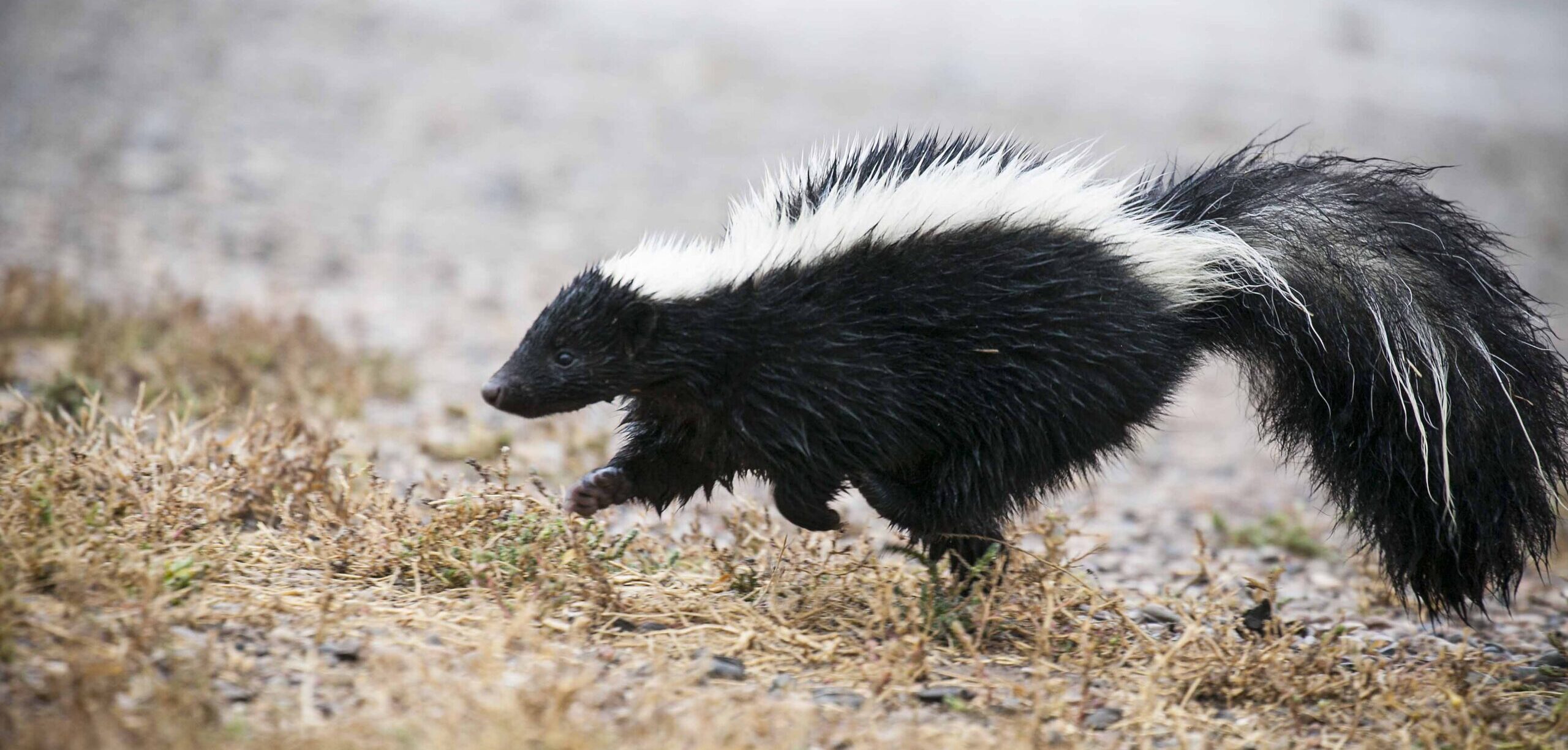
You might step outside and smell a strong, awful odour in your yard. What attracts skunks to your home is easy access to food, water, and safe shelter. You will find that they love unsecured garbage, fallen fruit, and dark spaces under porches.
You might also find them looking for insects in your soft lawn. These animals are simple scavengers looking for basic survival needs. You provide a perfect habitat when you leave pet bowls out or have leaky hoses. You also invite them in when your yard has open sheds and messy brush piles. You need to know what draws them in so you can keep them away.
In this blog, we explain the main attractants, the signs of their presence, and how Skedaddle Humane Wildlife Control in Windsor can help. You will learn exactly what brings them to your property. We also cover how our team safely removes them so you never have to deal with the problem yourself. You should always let our trained experts handle wild animals.
What time of night do skunks leave their den?
You will usually see skunks leave their den right after sunset. They are nocturnal, which means they do most of their hunting and exploring during the dark. You might hear them scratching or digging outside as they search for food. They spend the whole night looking for insects, grubs, and water around your yard.
Before the sun comes up, they return to their dark, quiet dens to sleep for the day. You should never try to block their den at night. If you do, they might not be able to get back to their babies. You must rely on our professional team to handle any skunk activity. We know exactly how to manage their night routines safely.
Food Sources that Bring Them to Your Yard
You will find that skunks are always looking for an easy meal. They spend most of their waking hours hunting for calories to survive. Here are the main food sources that bring them to your yard:
- Unsecured Garbage Bags: You might leave your trash bins outside without a tight lid. Skunks have a great sense of smell and will dig through your garbage for meat scraps or sweet wrappers. You will wake up to a massive mess spread across your driveway. We always recommend letting our team inspect your yard if you notice torn trash bags.
- Pet Food Bowls: You might feed your pets outside on the back porch. Leftover kibble is a very easy and filling meal for skunks. You create a reliable food source when you leave bowls out overnight. We suggest keeping pet food inside to stop skunks from visiting.
- Insects and Grubs: You probably have a healthy lawn full of beetles and earthworms. Skunks love to dig up soft soil to find fat, juicy grubs to eat. You will see small, cone-shaped holes all over your grass when they come to feed. Our experts know how to spot this specific feeding damage right away.
Water Sources Near Your House
Water is essential for all living creatures, and many skunks are drawn to the water sources around your home. Even small puddles created by a dripping hose or a bird bath can be enough to attract skunks. When skunks find water in these places, they are more likely to keep returning. You may not realize it, but everyday items in your yard could be providing exactly what they need.
Another common water source is rainwater that collects in objects like plant pots, buckets, or old tires. These can create small pools that remain for days after a storm, skunks. If these water sources are close to food or shelter, these animals might settle there permanently. Identifying and addressing these water collection spots is an important step in managing skunk activity around your home.
At our inspections, we carefully look for all the ways skunks may be accessing water on your property. This includes checking less obvious spots, like clogged drains or outdoor pet dishes. By finding and managing these sources, we help create a property that is less appealing to skunks while maintaining the safety and beauty of your home. Our trusted professionals are here to ensure your property is secure and skunk-free.
Shelter and Denning Spots Around Your Property
You might unknowingly provide the perfect, safe places for these skunks to sleep. They need spaces that keep them hidden from the sun and harsh weather. Here are the most common shelter and denning spots around your property:
- Underneath Wooden Decks: You might have a beautiful wooden deck in your backyard with open spaces underneath. These animals love dark, dry areas that protect them from the rain and cold weather. You will often find them digging burrows right next to your house foundation. We use special tools to inspect these tight spaces safely.
- Beneath Backyard Sheds: You could have a storage shed with a small gap between the floor and the dirt. This gap is the perfect size for a skunk to squeeze through and build a cozy nest. You provide them with a quiet home that is hidden from view. Our team can seal these gaps to ensure nothing gets inside.
- Inside Brush Piles: You might leave piles of sticks, rocks, or leaves sitting at the edge of your lawn. These natural structures give skunks a fast and easy place to hide from danger. You make your yard very inviting when you leave clutter around. We always look for these hiding spots when we visit your property.
Signs You Have a Skunk Living Nearby
You can easily spot the clues that a skunk has moved into your yard. You just need to know what to look for when you walk outside. Here are the clear signs you have an animal living nearby:
- A Strong, Foul Odour: You will immediately notice a very sharp, sour smell hanging in the air. This scent is the most obvious sign that one of these black and white animals is close by. You might smell it inside your house if their den is under your porch. Our technicians are fully trained to handle these smelly situations.
- Small Holes in Your Lawn: You might walk outside and see your grass torn up into little patches. This happens when skunks use its long claws to dig for hidden bugs. You will notice loose dirt ringing the edges of these shallow holes. We can quickly tell if this damage was caused by this specific animal.
- Strange Noises at Night: You could hear faint scratching, thumping, or digging sounds after the sun goes down. These noises often come from right under your floorboards or near your front steps. You should never investigate these dark areas on your own. We have the proper gear to safely find the source of the noise.
How Our Professionals Remove Skunks
A skunk encounter can be more than just unpleasant; it can also be dangerous. Skunks are wild animals that may carry diseases like rabies, and their spray is not only strong but can also cause irritation. That’s why it’s never a good idea to handle them or clean up after them on your own. It’s always best to leave the job to our professionals who know how to deal with skunks safely and effectively.
At Skedaddle, we take the stress and risk out of skunk removal. Our team begins with a thorough inspection of your property to locate all skunk dens, even those that may be hidden. Using humane techniques, we install one-way doors to make sure the skunks leave but cannot return. You can trust that our methods are safe for both your family and the skunks themselves.
After we ensure all the skunks are gone, we take steps to protect your home from future invasions. Our team seals every hole, crack, and vulnerable area on your property. This prevents skunks and other wildlife from finding their way back inside. With Skedaddle, you can feel confident that your home is secure and your skunk problem is handled for good.
Skunks in Windsor: What to Know
Skunks are a common sight in Windsor, often found in residential areas where they search for food and shelter. They are nocturnal animals, meaning they are most active during nighttime. Skunks are known for their distinctive black and white fur and their ability to spray a strong-smelling liquid when they feel threatened. While they may seem harmless, skunks can cause issues if they make your home or yard their own.
Skunks are attracted to easy food sources like garbage, pet food left outside, or gardens with fruits and vegetables. They often take shelter under decks, sheds, or porches, using these spaces as their dens. This behaviour can lead to unpleasant odours, property damage, and potential health risks from their droppings or parasites they may carry. It’s important to take steps to make your property less inviting to skunks.
Preventing skunks from settling on your property involves securing garbage cans, removing food sources, and sealing any openings or spaces where they might create a den. If you suspect a skunk has already moved in, it’s best to call our professional wildlife removal service to handle the situation safely and humanely. Skunks are part of Windsor’s natural ecosystem, and with the right measures, you can coexist peacefully while keeping your home secure.
Frequently Asked Questions
Can I block a skunk hole during the day?
You should never block a hole on your own. If babies are inside, sealing the entrance can trap them and cause strong odours and damage. The mother may also try to dig her way back in, making the problem worse. Our professional removal ensures skunks leave safely before the area is sealed.
Do skunks come out during the winter?
Skunks are less active in the winter, but they do not fully hibernate. They stay in their dens during very cold periods and sleep for long stretches. On warmer days, they will come out to search for food. Activity may be lower, but they can still be present around your property.
What should I do if I find droppings?
You should not touch or clean skunk droppings yourself. They can carry harmful bacteria and pose health risks. Disturbing them may also spread particles into the air. It is best to contact our professionals who can handle the cleanup safely and properly.
Why do skunks spray?
Skunks spray as a defence when they feel scared or threatened. It is their way of protecting themselves from danger. The smell is strong and can linger for a long time. Our professionals know how to handle skunks carefully to reduce the chance of spraying.
With Us, Skunks Never Stood a Chance
At Skedaddle Humane Wildlife Control in Windsor, we understand just how frustrating it can be to deal with skunks in your yard or home. These animals are often drawn to easy access to food, water, and shelter, turning your property into an inviting place for them. You now know the signs to watch for, such as foul odours or disturbed grass, but remember that handling skunks on your own can be dangerous and stressful. That’s why we’re here to help.
Our team of professionals is trained to provide safe, humane, and effective wildlife removal services. We don’t just get rid of the problem; we also work to prevent it from happening again. By identifying how skunks are entering your property and sealing those points, we make your home less attractive to skunks. Plus, you can rely on us to answer your questions and guide you through the entire process.
Don’t risk your safety by trying to handle skunks on your own. Trust us to do the job right, so you can enjoy your property without worry. Contact Skedaddle Humane Wildlife Control today to request an estimate and discover how we can keep your home animal-free for good.

 Loading...







