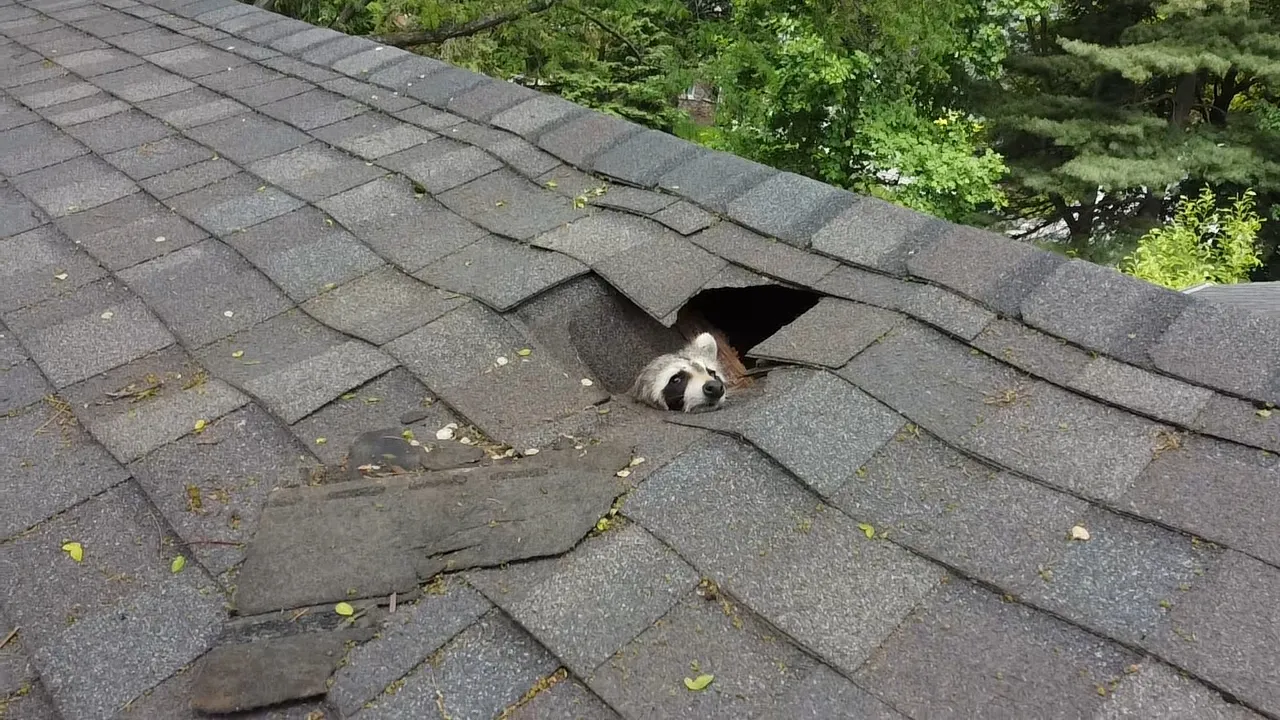
You might think that the cold winter months in Ohio mean that wildlife is fast asleep. You would be surprised to learn that this is actually one of the busiest times of the year for raccoons. You are likely staying indoors to keep warm, and these animals are trying to do the exact same thing. January and February are not just cold months; they mark the start of the mating season for raccoons. You need to know that expectant mothers are actively looking for a safe place to have their babies.
You usually won’t see the babies until spring, but the preparation happens right now. You could have a mother raccoon scouting your roof or attic this very moment. You want to make sure your home is secured before she moves in. Once a mother has her babies in your attic, getting them out becomes much more difficult. We want to help you understand what is happening during raccoon baby season in Ohio and how our team can help you protect your biggest investment.
Here is exactly how you can protect your home and why calling in our professionals at Skedaddle Humane Wildlife Control in Columbus is the smartest choice you can make.
When Does Raccoon Baby Season Start in Ohio?
You might be wondering when this happens in Ohio. Raccoons do not fully hibernate, but they slow down during very cold weather. When temperatures rise in January or February, mating begins. Male raccoons travel long distances looking for a mate.
Babies, called kits, are usually born about nine weeks later, between March and April. A mother can have two to six babies in one litter. She looks for a dark, warm, and quiet place to raise them, and your attic can feel perfect for that.
You need to act before the babies arrive. Prevention is much easier than removing a full family later. If babies are already inside, they cannot leave on their own and must be removed carefully. Securing your home early helps avoid a longer and more complex process.
How Raccoons Get Inside Your House
You might think your home looks secure from the outside. But a determined mother raccoon can find weak spots quickly. She is strong and motivated to protect her young. Our team at Skedaddle Humane Wildlife Control in Columbus knows exactly where to inspect.
We often find raccoons using these common entry points:
- Roof Vents and Plumbing Mats: You may not see your roof vents clearly from the ground. Standard plastic or light aluminum vents are easy for a raccoon to tear open. They can rip a vent cover off and squeeze through the opening. We inspect every roof vent to check for damage.
- Soffit Intersections: Soffits sit where your roof meets the exterior walls. Vinyl or thin aluminum soffits can be pushed up or bent. A raccoon can lift the material and enter the attic. We check for scratch marks and loose panels.
- Chimneys: An uncapped chimney acts like an open door. To a raccoon, it feels like a hollow tree. Masonry bricks make climbing easy. We inspect the chimney crown and flue for signs of nesting.
- Roof Edges and Eaves: Rotten wood along roof edges creates easy access. Clogged gutters can cause wood to soften over time. Raccoons can chew through weak fascia boards quickly. We inspect the drip edge for soft spots or damage.
Signs You Might Have Raccoons Before the Babies Arrive
You may not always see the animal directly. Sounds and visible damage often give the first clues. Paying attention early is important during raccoon baby season in Ohio.
You should look and listen for these warning signs:
- Heavy Thumping Noises: Raccoons are active at night. You may hear heavy walking or thumping in the attic. It can sound like someone moving above you. These noises often happen after dusk or before sunrise.
- Vocalizations and Chatter: Adult raccoons make growls, chitters, and snorting sounds. You may hear these noises inside the walls or near the chimney. If babies are present, you might hear high-pitched crying sounds. This is more common later in spring.
- Damage to Your Exterior: Walk around your home and look for loose materials. A hanging soffit or bent vent cover can signal entry. You might see shingles on the ground or paw prints in mud or snow. Raccoon tracks look like small handprints.
- Smudges on Downspouts: Raccoons climb using downspouts and corners of the house. Their fur leaves dark, grease-like marks. These smudges often appear along vertical surfaces. They show a regular climbing path to the roof.
Our Process for Raccoon Prevention in Ohio
You need a solution that works long-term. You should not try to handle this yourself. DIY methods often fail because they do not address the root cause or they accidentally trap the animal inside. You also do not want to put yourself at risk of injury or disease. At Skedaddle, we handle everything for you. We have a proven three-step process for raccoon prevention in Ohio.
Here is how we protect your home:
- Step 1: Assess and Inspect: You start by calling us for an inspection. We do not just glance at your roof. Our technicians perform a 35-50 point inspection of your entire property. We climb on the roof because that is where the action is. We look at the vents, the chimney, the soffits, and the shingles. You also get the benefit of our technology. We can use thermal imaging to see if an animal is hiding behind the walls. We determine exactly how they are getting in and if a mother is already nesting.
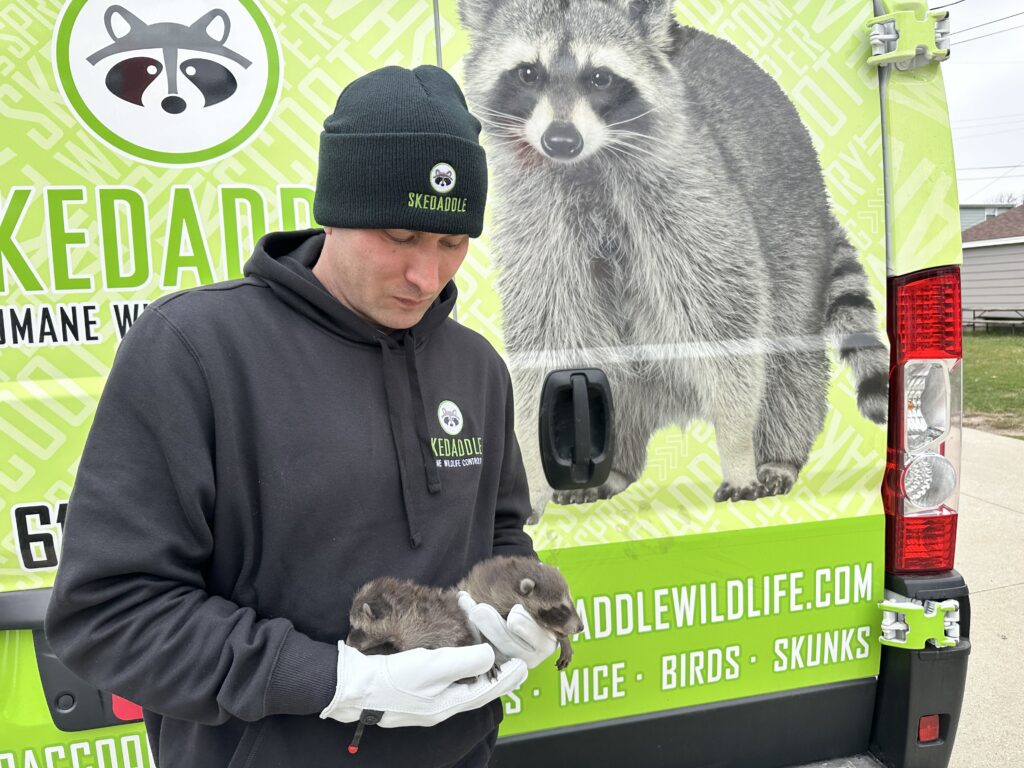
- Step 2: Humane Removal: You want the animals gone, but you want it done humanely. We do not use traps that can hurt the animal or leave them stranded. We use specialized one-way doors. We install these over the entry point. It allows the raccoon to leave your attic to find food, but it cannot get back in. You get a raccoon-free home without the animal being harmed. If babies are present, we remove them by hand and place them in a reunion box outside so the mother can relocate them herself.
- Step 3: Prevent and Protect: You want to make sure they never come back. Once the animals are out, we seal the entry point. But we do not stop there. We protect all the vulnerable areas we found during the inspection. We use heavy-gauge galvanized steel screens. You can trust this material because raccoons cannot chew through it or rip it off. We bolt it down securely. You also get a lifetime guarantee on our workmanship. We clean up the mess they left behind, too.
How to Keep Raccoons Out of the Attic in Spring
You might be asking why the attic is such a popular spot. You have to look at it from the raccoon’s perspective. Your attic is high off the ground, which protects them from predators. It is insulated, which keeps them warm. It is usually dark and quiet. It is the perfect nursery.
You need to focus on securing the roofline to keep them out. How to keep raccoons out of the attic in spring starts with identifying the weak points we discussed earlier. You should rely on our team to install barriers over your vents and chimneys.
When we secure your attic, we also look at the insulation. You should know that raccoons destroy insulation by trampling it and using it for bedding. This ruins the R-value, which means your energy bills could go up. They also use your attic as a bathroom. You do not want to breathe in the air circulating from a dirty attic.
We offer full attic restoration. We remove the soiled insulation, clean the droppings, and sanitize the area to remove harmful bacteria and odours. Then, we blow in new, clean insulation. You get a fresh start and a secure home. You get peace of mind knowing that the space above your head is clean and safe.
Frequently Asked Questions
Why shouldn't I just trap the raccoon myself?
Trapping a raccoon yourself can separate a mother from her babies and cause serious problems inside your home. We use one-way doors that allow animals to leave safely while keeping families together and preventing re-entry.
How much does raccoon removal cost?
Every home is different, so the cost depends on entry points, damage, and how much sealing is needed. We perform a detailed inspection in Columbus to provide a clear and accurate written estimate.
Are raccoons dangerous to my family?
Raccoons can carry diseases and leave droppings that are harmful to people and pets. Our team uses proper protective equipment to remove contamination safely.
Can raccoons chew through wood?
Yes, raccoons have strong jaws and can chew through wood, shingles, and fascia boards. We reinforce entry points with durable materials like steel screening to prevent damage.
Securing Your Home for the Future
You have the power to protect your home before the spring baby boom arrives. You do not have to wait until you hear scratching in the ceiling to take action. Raccoon baby season in Ohio is approaching fast, and the best time to act is right now. You can save yourself a lot of stress and money by securing your home early.
You want a home that is safe, clean, and wildlife-free. You deserve the peace of mind that comes with knowing your attic is secure. We are ready to help you achieve that. You can rely on our experience and our humane approach to get the job done right.
How to keep raccoons out of the attic in spring involves a professional plan. You should contact Skedaddle Humane Wildlife Control in Columbus today to request an estimate. We will come out, inspect your property, and build a defence that keeps animals out for good.

 Loading...







