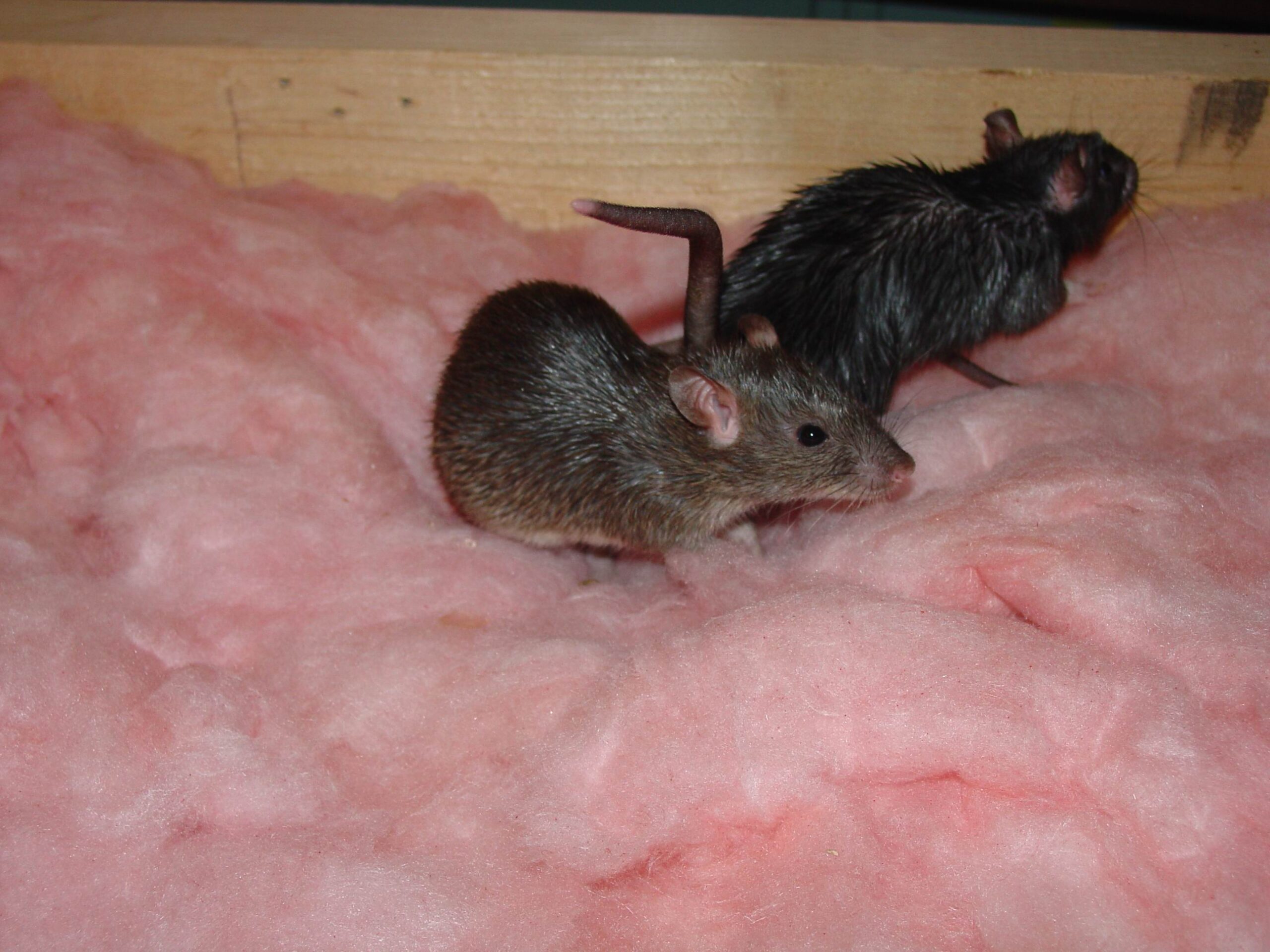
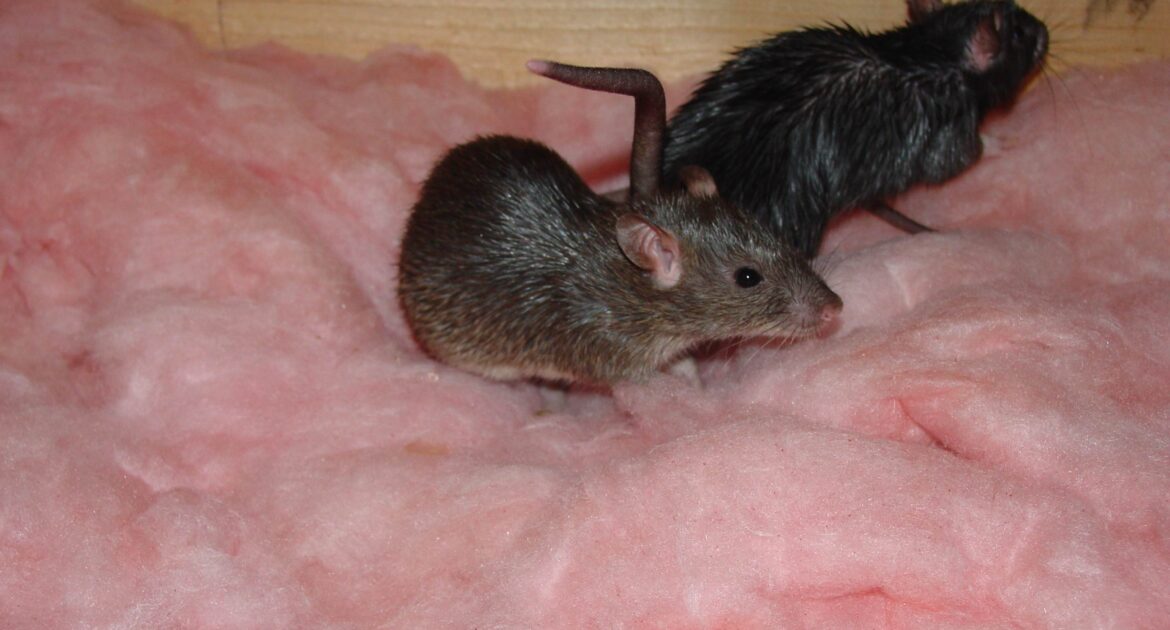
Columbus winters bring freezing temperatures, ice, and snow, which drive wildlife to seek warmth and shelter wherever they can. One hidden problem that many homeowners face is roof rats in attics in winter. These small but resourceful animals are drawn to attics because they are warm, dry, and safe, often going unnoticed until damage or health risks appear.
At Skedaddle Humane Wildlife Control, we help Columbus homeowners understand the dangers of roof rats in attics and the importance of addressing them safely. By recognizing warning signs and implementing professional prevention measures, homeowners can protect their homes without harming wildlife.
Why Roof Rats Seek Attics in Winter
Roof rats are highly adaptable creatures. During cold weather, attics provide the perfect environment for warmth and safety. They are nocturnal, which means most activity occurs when homeowners are asleep, making infestations easy to overlook until problems escalate.
- Roof rats look for areas near potential food sources, including kitchens, pantries, and stored items.
- They are more active indoors during winter, increasing the likelihood of nesting in attics.
- Seasonal patterns show increased rodent activity when outdoor temperatures drop below freezing.
According to research from the University of Nebraska, rodent activity can rise by up to 40 percent during the colder months, which highlights the importance of proactive prevention.
Common Signs of Roof Rats in Attics
Even when roof rats are hidden, they often leave evidence behind. Recognizing these signs early can prevent more serious issues.
Signs to watch for include:
- Scratching or scurrying noises in the attic, especially at night
- Droppings or urine stains on insulation or wooden surfaces
- Damaged insulation or gnawed wiring
- Unusual odors caused by nesting materials or waste
Many homeowners only notice these signs after roof rats have been active for weeks, emphasizing the importance of professional inspections to identify potential problems early.
Risks and Damage Associated with Roof Rats
Roof rats in attics winter can create serious risks for homeowners. Their constant movement and nesting activities can compromise home safety, comfort, and structural integrity.
Potential issues include:
- Chewing on insulation, beams, or wooden structures, which can reduce energy efficiency
- Damaging electrical wiring, which increases the risk of fire
- Contaminating insulation and attic materials with droppings and urine, potentially affecting indoor air quality
- Causing long-term repair costs if infestations are left unaddressed
The National Pest Management Association reports that structural damage caused by rodents can cost homeowners hundreds to thousands of dollars, making early intervention essential.
How Roof Rats Enter Homes
Roof rats are incredibly small and agile. They can enter homes through openings as narrow as half an inch, which means even minor gaps can lead to infestations.
Common entry points in Columbus homes include:
- Gaps in rooflines, vents, or soffits
- Cracks in siding or around foundation areas
- Open or poorly fitted attic vents and chimney caps
Because many of these entry points are hard to spot, professional inspections are vital. Detecting and securing these areas is the first step in addressing cold-weather roof rat problems effectively.
Humane Prevention Strategies
Preventing roof rats in attics requires a professional and humane approach. At Skedaddle, we focus on long-term solutions that protect both homes and wildlife.
Our strategies include:
- Sealing gaps and vulnerable areas to block access
- Installing rodent-proof vent covers and chimney caps
- Scheduling inspections during seasonal activity peaks
- Providing guidance for ongoing maintenance to protect attics year-round
Professional prevention measures can reduce the likelihood of future invasions by over 90 percent. Taking these steps ensures your home stays safe, energy-efficient, and free from damage.
Maintaining a Roof Rat-Free Attic Year-Round
Winter is often the peak season for roof rat activity, but these animals can attempt to return in other seasons as well. Ongoing vigilance helps homeowners stay ahead of potential problems.
Effective year-round practices include:
- Checking for new damage or gaps after storms or heavy snowfall
- Monitoring attic spaces for unusual sounds, smells, or debris
- Scheduling professional inspections to identify vulnerabilities before they become serious
- Keeping rooflines, vents, and chimneys in good condition
By implementing these steps, homeowners can prevent roof rats from returning and reduce the risks of cold-weather roof rat problems.
Why Professional Assistance Matters
Addressing roof rats without professional guidance can lead to property damage, health risks, or unintentional harm to wildlife. At Skedaddle, we provide humane, professional solutions that focus on prevention rather than removal through inhumane methods.
Our team helps homeowners by:
- Assessing properties to identify vulnerable entry points
- Implementing long-term exclusion measures
- Providing ongoing maintenance plans to ensure lasting protection
With professional guidance, Columbus homeowners can effectively prevent roof rats in attics throughout winter and enjoy peace of mind knowing their homes are secure and energy-efficient throughout the season.
Keep Your Home Safe and Rat-Free This Winter
Roof rats in attics pose a hidden threat that can cause structural damage, electrical hazards, and health concerns. Early intervention with professional, humane prevention is the best way to keep your home safe during the cold months.
At Skedaddle Humane Wildlife Control, we provide Columbus homeowners with safe, effective solutions to prevent roof rats in attics. Through inspections, exclusion techniques, and ongoing maintenance, we help homeowners protect their property while ensuring wildlife remains unharmed.

 Loading...