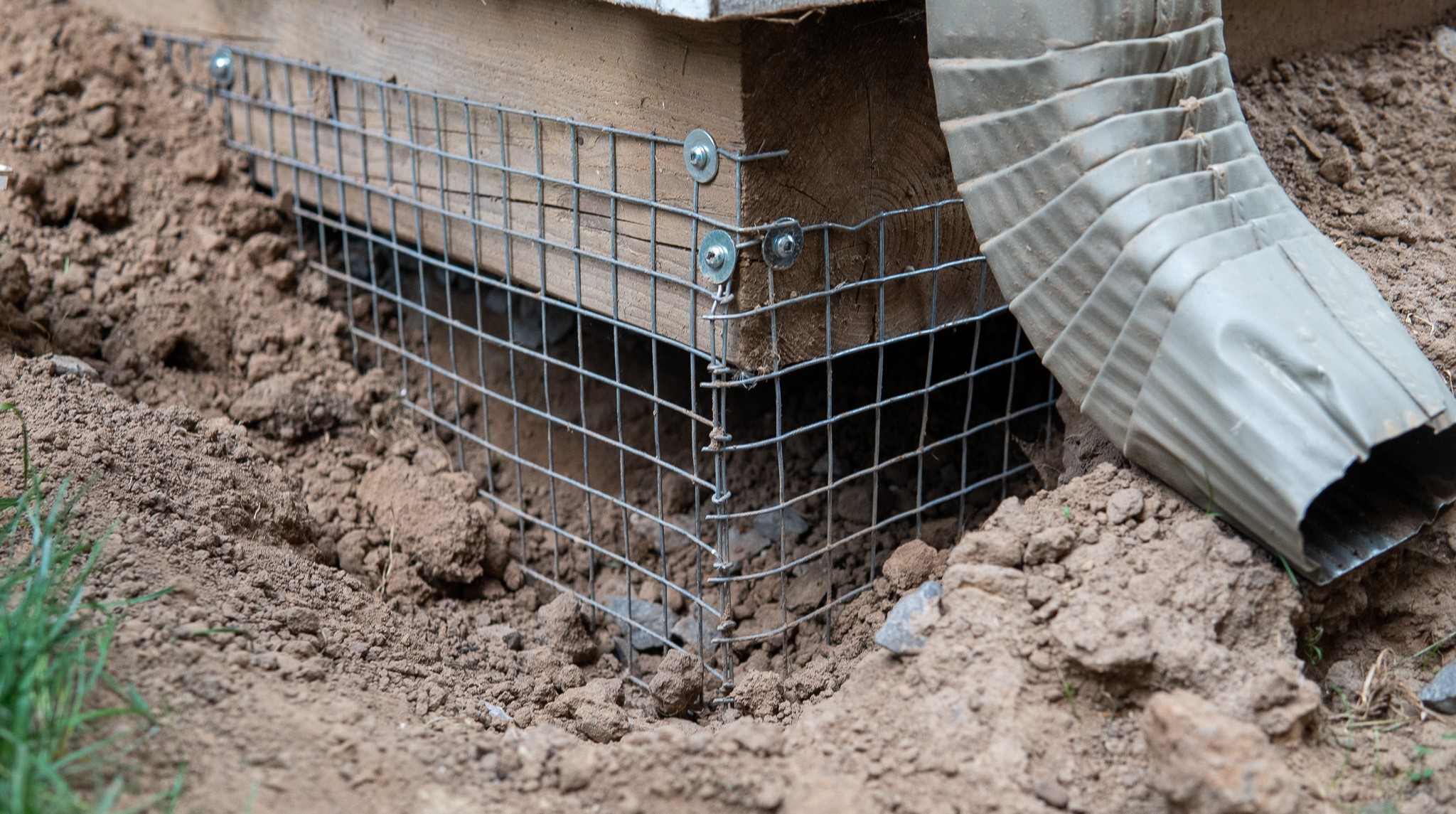
You may have a skunk beneath your shed if you notice a lasting musky smell, fresh digging, nighttime sounds, tracks, or repeated movement near one opening. Sheds offer dark, dry, and quiet spaces that protect these animals from weather and activity in the yard. A raised floor or gap around the base can lead to a much larger space below.
One sign does not always prove that the shed contains an active den. A skunk may cross your property while looking for food without staying there. However, several signs around the same structure can point to regular use.
At Skedaddle Humane Wildlife Control in Coquitlam, we inspect the full structure and surrounding property to find out what is happening. You should not reach beneath the shed, approach the opening, or block the suspected entrance because an adult or dependent young may still be inside. In this blog, we explain the signs of an active den, why sheds provide useful shelter, and how professional removal protects the family beneath the structure.
How Do I Get Rid of a Skunk Living Under My Shed?
The safest way to deal with a skunk beneath your shed is to contact our trained wildlife professionals. You should keep people and pets away from the opening while you wait for help. Do not reach into the space or try to force the occupant to leave.
An adult may spray when it feels trapped, cornered, or threatened. There may also be dependent young beneath the structure that cannot leave without their mother. Closing the entrance at the wrong time could separate the family or trap them inside.
A professional must inspect the space before any removal or prevention work begins. The inspection helps confirm whether the den is active, where the main opening is located, and whether young may be present. Our team can then choose a humane plan based on the structure, season, and family situation.
A Lasting Odour Near the Shed
Odour is often one of the first signs you notice, but it does not reveal the whole situation. A smell may come from an active den, a passing visitor, or a recent spray somewhere nearby. Our technicians consider where the odour is strongest, how often it returns, and whether other evidence is present.
- A Faint But Regular Smell: A light musky odour may return around the same part of your yard, especially during the evening or early morning. It may seem stronger when the air is still or when a window near the shed is open. A smell that appears night after night deserves more attention than one brief event.
- Odour Strongest Near One Edge: The smell may become more noticeable beside loose skirting, damaged lattice, or a gap beneath the shed wall. This can suggest that the hidden space is being used, but you should not move closer to confirm it. A technician can examine the area without blocking the occupant’s path.
- Smell Entering Your Home: Odour can move through nearby windows, doors, vents, or foundation gaps. When the shed stands close to the house, an outdoor den may seem like an indoor problem. Our inspection can help locate the source and determine whether the home has also been affected.
- A Sudden Smell After Yard Activity: Moving equipment or working close to the shed may make the occupant feel threatened. A strong release may occur even when you never see it. The sudden smell does not mean the space is empty, so the opening should remain undisturbed.
A lasting odour becomes more meaningful when it appears with digging, sounds, or regular movement. The smell alone cannot show whether one adult or a family is present. Professional inspection provides a clearer answer without placing you close to the den.
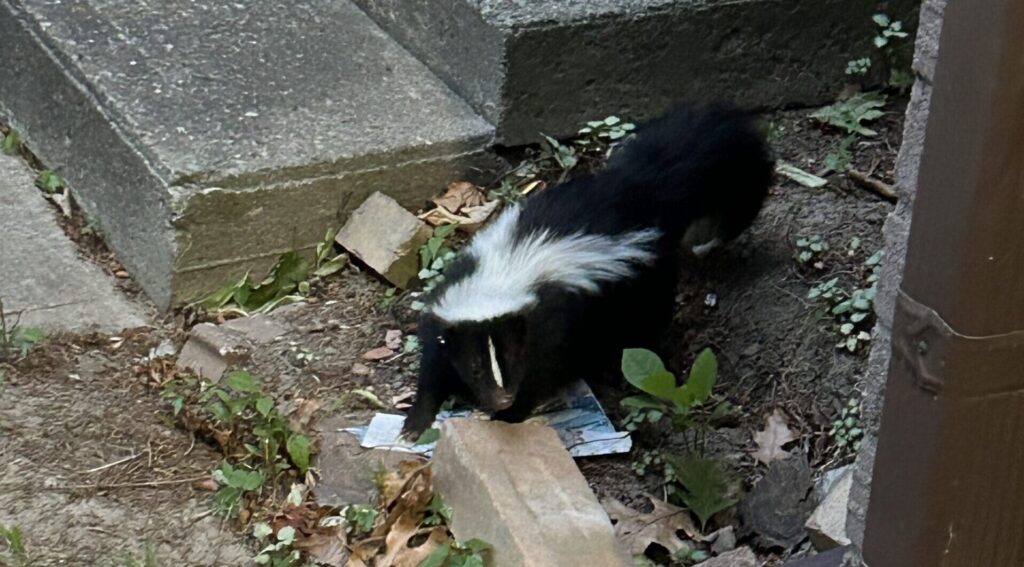
Digging and Changes Around the Shed Base
Skunks may use an opening that already exists or dig beneath the edge of a structure. A small entrance can lead to a wide, protected cavity under the floor. Changes around the base may therefore offer important clues about recent activity.
- Loose or Fresh Soil: Newly moved dirt may appear in one place beside the shed. Rain can flatten the soil, so fresh digging that appears again may point to continued use. You should view it from a safe distance and leave the area untouched.
- A Clear Entrance Opening: One main hole may be visible beneath a wall, corner, or doorway. The opening can look small from outside while providing access to much more space below. Reaching into it or placing an object in front of it could create a dangerous conflict.
- A Shallow Trench at the Edge: Regular movement may wear away the soil where the occupant travels beneath the shed. You may notice a smooth path or shallow channel under the lower edge. This route can become easier to see after several nights of use.
- Small Holes Across the Lawn: Shallow, cone-shaped holes can appear while these animals search for grubs and insects. Several holes near the shed may show that the yard provides food. They do not prove where the den is, but they support the need for a broader property assessment.
- Moved Gravel or Damaged Skirting: Gravel, lattice, boards, or loose barriers may shift near a regular entrance. Some materials may appear pushed outward as digging continues below the structure. Our technicians can determine whether the movement is recent and connected to an active den.
The visible opening may not be the only route beneath the building. Loose soil, landscaping, or stored items can hide other gaps around the base. A full inspection helps our team see how the structure is being used before removal begins.
Sounds and Nighttime Movement
These animals are often active after dark, which means you may hear activity before you see it. A wooden shed floor can make even light movement sound louder than expected. The time, location, and pattern of the noise all help our technicians assess the situation.
- Scratching Beneath the Floor: Light scratching may come from digging, turning around, or arranging nesting material. The noise may stop when someone enters the yard and begin again later. Repeated sounds from the same location can suggest that the space is being used regularly.
- Rustling or Shuffling: Soft movement may travel through wooden boards, especially when the yard is quiet. You could hear it while standing near the shed without knowing exactly where it begins. Noise alone cannot confirm how many occupants are present.
- Repeated Evening Activity: You may see a skunk enter or leave the same opening around dusk. One visit could mean it is only passing through while looking for food. Movement at the same location over several nights makes active denning more likely.
- Long Quiet Periods: The area may remain silent throughout the day because the occupant is resting below the floor. Dependent young can also stay hidden while their mother is away. Daytime silence should never be treated as proof that the den is empty.
- Sounds from More than One Spot: Movement may seem to shift from one side of the shed to another. The hidden cavity can be larger than the entrance suggests, allowing them to move beneath much of the floor. A technician may need to inspect the whole base instead of focusing on the loudest point.
Avoid waiting close to the entrance to see what comes out. An adult returning to the den may feel blocked if a person is standing nearby. Our team can assess the activity while keeping a safe route open.
Tracks, Paths, and Other Evidence
Our professionals do not rely on one footprint or patch of damaged grass. Tracks and travel routes become more useful when they lead toward the same opening. The following signs can help form a larger pattern around the shed.
- Five-Toed Tracks: Footprints may appear in soft soil, mud, or light snow near the structure. They can show five toes and visible claw marks, although weather may quickly change their shape. You should not kneel beside the opening or handle nearby soil to inspect them.
- A Worn Path Through the Grass: Repeated travel may flatten a narrow route between the shed and another part of the yard. The path could follow a fence, garden edge, or row of shrubs that provides cover. A clear route ending at the shed can support other evidence of denning.
- Marks Around the Entrance: Regular entry and exit can leave tracks, disturbed dirt, or pushed debris beside one opening. Grass near the hole may also become bent or worn. These signs are more useful when they return after wind or rain changes the area.
- Droppings Near a Travel Route: Waste may be found near a feeding area, path, or entrance. Homeowners should never touch, sweep, or vacuum this material because contamination can create health concerns. Our trained technicians can assess and clean affected areas when required.
- Unusual Pet Behaviour: A pet may stare, sniff, bark, or avoid one part of the shed. This reaction can be a clue, but it does not confirm what is below the structure. Keep pets away rather than allowing them to investigate the opening.
Evidence can appear in several parts of the property at once. A trail may connect the shed to garbage, compost, fallen fruit, or another food source. Our inspection considers the full pattern instead of examining only the first sign you noticed.
Why Sheds Provide Useful Shelter
A raised shed can create a dry cavity with very little activity below it. The walls and floor provide protection from rain, wind, cold temperatures, and movement in the yard. Loose skirting, soft soil, or an open lower edge may provide access without requiring major digging.
Low foot traffic can make a garden shed especially appealing. People may enter the building only once every few days, while the space below remains dark and quiet. Stored equipment can also hide sounds that might otherwise be noticed sooner.
Food near the property can make the shelter even more useful. Garbage, compost, fallen fruit, spilled seed, and food left outside may support repeated nighttime visits. A reliable meal and protected resting place can turn a temporary stop into a lasting den.
Why the Opening Must Not Be Closed Too Soon
A suspected entrance should never be sealed until a professional confirms that the hidden cavity is empty. An adult may still be resting below the shed during the day. Closing the gap can trap it beneath the floor and cause panic, spraying, digging, or damage.
The risk is greater when dependent young are present. Their mother may leave after dark to search for food while they remain hidden in the den. If the opening is blocked during that time, she may damage the barrier while trying to return.
A quiet entrance does not prove that the family has left. Activity may be less noticeable during certain weather conditions or periods of the day. Our team considers the season, signs around the property, and family situation before beginning humane removal or exclusion.
Why Skunks Use Sheds in Coquitlam
Coquitlam’s wooded areas, parks, ravines, greenbelts, and river corridors support movement through the community. These connected spaces can lead skunks from natural cover into residential yards. A home may receive regular visits even when it is located in a busy or well-developed neighbourhood.
The region’s wet weather can also make a dry space beneath a shed useful. A raised floor offers protection from rain, wind, and quick changes in temperature. Soft or damp soil may make it easier for them to dig beneath loose skirting or an open edge.
Quiet yards and nearby food can turn a short visit into active denning. An open space beneath a shed may be used again if the entrance remains available after the current family leaves. At Skedaddle, our Coquitlam team handles local concerns with detailed inspections, humane removal, cleanup, and lasting prevention.
Skunk Removal and Prevention with Skedaddle
When our professional wildlife team arrives, we inspect the shed, surrounding ground, travel routes, nearby food sources, and other possible shelters. We locate the active entrance and look for signs that dependent young may be present. You do not need to crawl beneath the structure or approach the den.
Our humane removal plan is based on the property, season, and family situation. When appropriate, our one-way doors allow these animals to leave while preventing them from returning through the same opening. We complete the work without live trapping or relocation.
Once we confirm that the space is empty, our team installs durable prevention materials around the cleared area. We can also remove contaminated material, sanitize the site, and address related damage when needed. This complete process resolves the active problem while helping prevent another skunk from using the same shelter.
Frequently Asked Questions
Does a strong smell always mean there is a den?
No, a strong smell does not always confirm that a skunk lives beneath your shed. One may have sprayed nearby or crossed the yard while looking for food. A smell that keeps returning near the same opening, along with digging or regular movement, makes a den more likely.
How long will a skunk stay under a shed?
The length of its stay depends on the shelter, season, weather, available food, and presence of young. One adult may use the space for a short rest, while a mother may remain longer to raise her family. Waiting for the problem to disappear can allow contamination and digging to increase.
Can more than one be living beneath the structure?
Yes, the space may contain an adult with dependent young. A narrow opening can lead to a much wider cavity beneath the floor, so you cannot judge the number present from outside. Our technicians inspect for family activity before choosing a removal plan.
Will the den be used again after they leave?
An open, dry, and protected space may attract future activity. Removing the present occupant without securing the structure leaves the same shelter available. Lasting exclusion should be installed only after professionals confirm that the cavity is empty.
Can a skunk damage a shed?
Digging beneath the base can move soil and affect loose skirting, gravel, or supports. Contamination may also build up when the den remains active for a long period. A professional assessment can identify the activity and determine whether repairs are needed.
Should droppings or nesting material be cleaned up?
Yes, contaminated material may need to be removed, but homeowners should not complete this work themselves. Touching, sweeping, or vacuuming it can spread harmful particles and create unnecessary exposure. Our trained professionals have the equipment and methods needed to clean and sanitize the area safely.
Keep the Space Beneath Your Shed Protected
A lasting odour, fresh digging, nighttime sounds, tracks, worn paths, and repeated movement may all point to a den beneath your shed. One sign may have another cause, but several signs around the same structure deserve professional attention. The visible opening may also lead to a much larger space that you cannot safely inspect from outside.
You should never reach beneath the floor, place objects in the entrance, or close the gap yourself. An adult or dependent young may remain inside even when the area seems quiet. Sealing the space too soon can trap the family and create a more serious problem.
At Skedaddle Humane Wildlife Control in Coquitlam, we can inspect your property, complete humane removal, clean affected areas, and install long-term prevention. Our trained team handles every stage, so you do not need to approach the den or complete any work yourself. Contact us to schedule a professional assessment or request an estimate to learn more about protecting the space beneath your shed.

 Loading...








