You can prepare your Durham Region home for fall by having a professional inspect and secure the roofline, walls, garage, chimney, decks, foundation, and utility openings. Raccoons, squirrels, skunks, mice, rats, bats, and birds may search for warm, dry shelter as temperatures fall. A small exterior gap may lead into a large attic, wall, garage, chimney, or crawl space.
You may first notice scratching, thumping, droppings, odours, nesting material, digging, or damage around a vent. These signs can mean the building is already occupied. Any current occupants must be removed humanely before permanent repairs begin.
Homeowners should not climb, enter an attic or crawl space, touch droppings, or close a possible entry point. At Skedaddle, we inspect the full property and complete the work for you. In this blog, Skedaddle Humane Wildlife Control in Durham Region explains roofline gaps, wall openings, ground-level access, warning signs, professional removal, and lasting prevention.
How Do I Keep Wildlife Out of My Home in the Fall?
The safest way to keep wildlife out during fall is to have a professional inspect the entire exterior, remove any current occupants humanely, and secure every active or possible entry point. This complete process protects more than one visible gap.
Repairs should not begin until the building has been checked for activity. Closing an occupied opening could trap these animals inside or separate a mother from her young. A trapped occupant may move deeper into a wall or ceiling while searching for another way out.
One visible opening may not be the only route into your home. Different species can use gaps around the same roof, garage, foundation, or deck. Skedaddle checks the property from the roofline to the foundation before creating a removal and prevention plan.
Why Fall Activity Moves Closer to Durham Homes
Falling temperatures make attics, garages, chimneys, crawl spaces, and wall cavities more appealing. These areas offer protection from wind, rain, frost, and sudden temperature changes. The shelter may also remain quiet for much of the day.
Outdoor food supplies can change as summer ends. These animals may search near gardens, garbage containers, outdoor feeding areas, compost, and storage buildings. That search can bring them closer to doors, foundations, decks, and rooflines.
Established travel routes may lead them back to the same property each year. A building gap that stayed open through one season can be found and reused during the next. A professional fall inspection can identify these weak areas before cold weather increases the pressure to move indoors.
Roofline Openings That Need Professional Attention
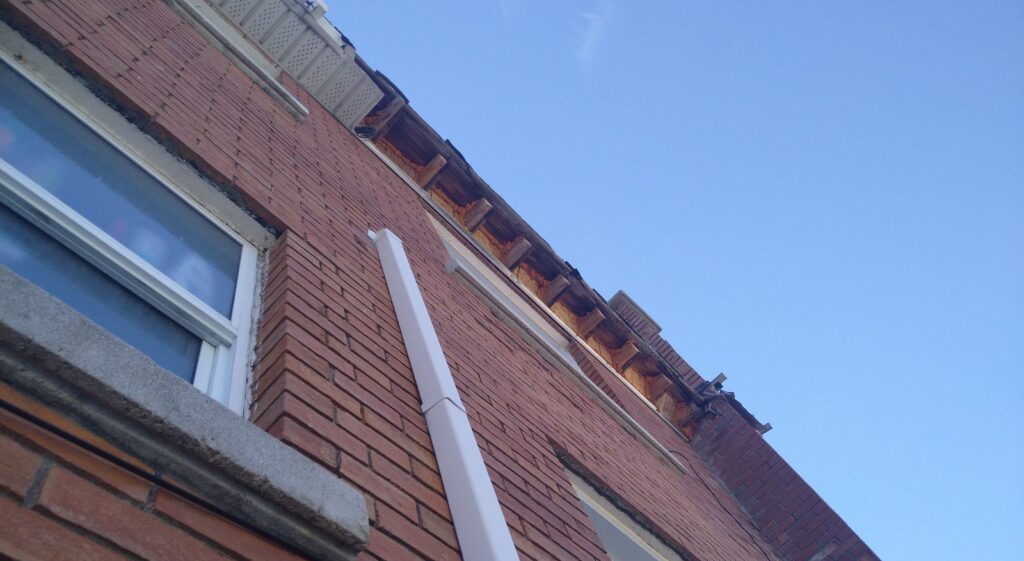
Upper openings can be difficult to see from the yard. Storms, moisture, heat, age, and past repairs may loosen several roofline materials. Our team examines the entire upper structure rather than checking only the area where you noticed activity.
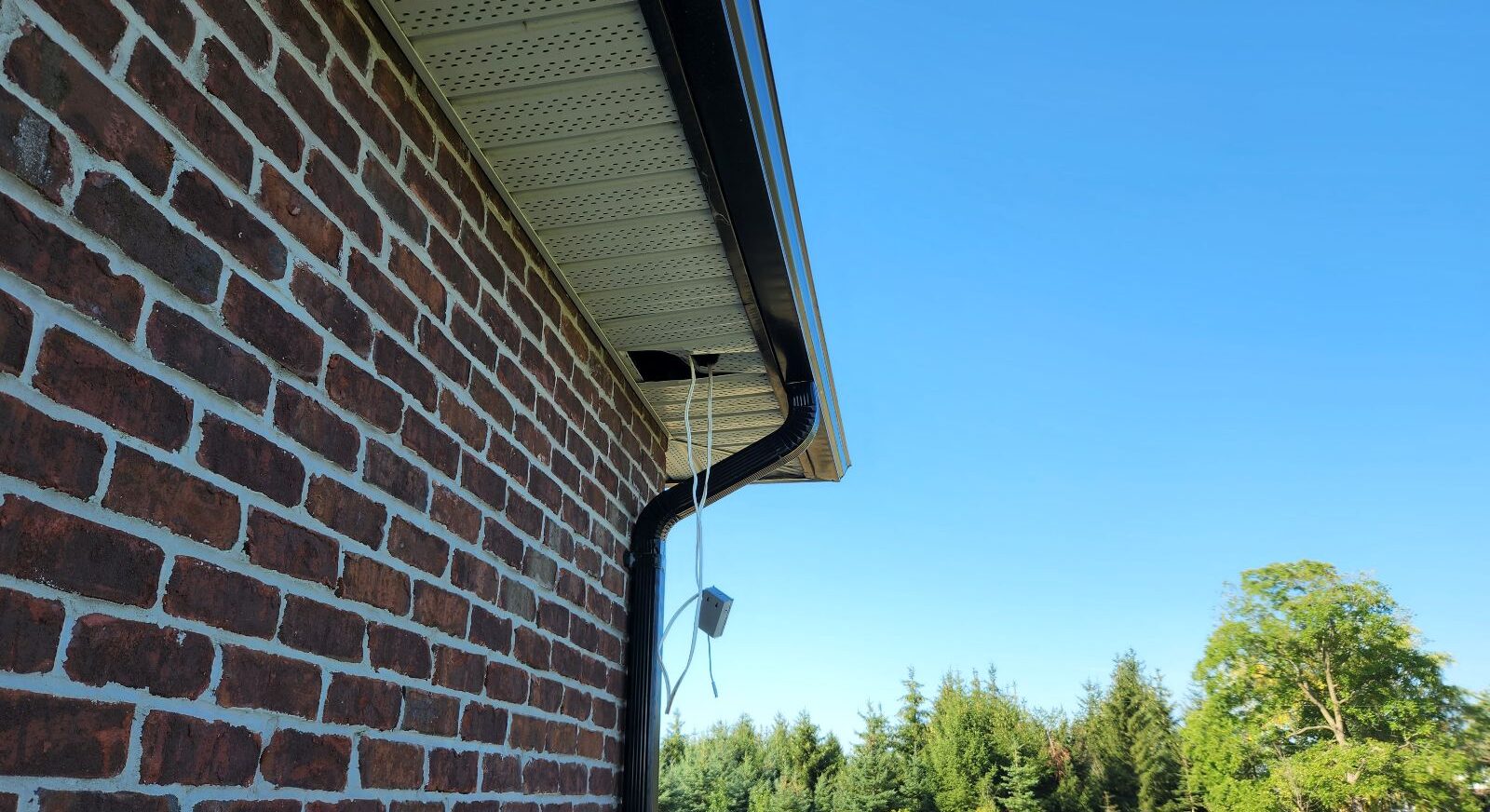
- Damaged Soffits: Soffits cover the underside of the roof edge and may lead directly into an attic. Raccoons and squirrels can pull at loose panels or enlarge existing damage. We inspect the full soffit line for active entry, stains, droppings, and other weak sections.
- Roof and Attic Vents: A damaged screen, loose cover, or space around a vent may provide access. The vent can look secure from below even when its edges have shifted. Skedaddle examines the cover, frame, and nearby roofing materials before planning repairs.
- Chimney Openings: An uncapped or damaged chimney may offer a sheltered path into the home. Birds, bats, squirrels, and raccoons may use different parts of this space. A cap should not be installed until our technicians confirm that the chimney is empty.
- Fascia and Gutter Gaps: Spaces may form where gutters, fascia boards, and roof edges meet. The gutter can hide damage from anyone standing on the ground. Our team checks the full edge for loose materials and signs of repeated use.
- Roof Joints and Flashing: Gaps can develop around dormers, additions, chimneys, and places where roof sections meet. These protected areas may provide access to an attic or wall cavity. We identify the active route and nearby openings that could be used later.
Wall and Garage Openings That Can Lead Indoors
Not every entry begins at the roof. Small openings around siding, garage doors, vents, and utility lines can lead into walls and storage areas. Some of these routes may eventually connect with the main living space.
- Loose Siding: A shifted siding panel may create a narrow path into a wall or roof cavity. The damage could be far from the room where sounds are heard. Our technicians trace the possible route through the structure before securing it.
- Utility Openings: Pipes, wires, cables, and heating lines must pass through exterior walls. Gaps around these lines may provide access for mice, rats, or bats. Skedaddle checks each opening and the interior areas that may connect to it.
- Garage-Door Seals: Worn, bent, or uneven seals can leave space beneath or beside a garage door. Once inside, mice and rats may move behind stored items or into connected walls. We inspect the complete frame and the garage’s connection to the home.
- Exterior Vents: Dryer, bathroom, and exhaust vents may have damaged flaps or missing covers. Birds and mice can enter a duct or nearby wall space through these openings. The vent and connected area must be assessed before anything is removed or covered.
- Door and Trim Gaps: Damaged trim, worn seals, and spaces near thresholds may create low entry points. A door can appear closed while still leaving enough room for a small visitor. Our professional inspection covers the complete frame and surrounding materials.
Ground-Level Spaces Beneath the Home
Protected spaces near the ground can become fall shelters or den sites. Fresh digging and damaged materials may be easier to notice than the occupants themselves. These openings should remain untouched until a professional determines whether the space is active.
- Decks and Porches: Open edges and damaged lattice can provide access to a dry, sheltered area. Skunks and raccoons may use these locations as temporary dens or places to raise young. Skedaddle checks beneath the structure without asking you to approach the opening.
- Crawl-Space Vents: Loose covers, torn screens, and gaps around frames may lead beneath the home. Activity can then spread into walls, utility areas, or insulation. Our team inspects the vent and the surrounding foundation materials.
- Foundation Gaps: Cracks and spaces where building materials meet may create hidden routes indoors. Soil movement, moisture, and age can make these gaps larger over time. We examine the complete foundation rather than repairing only one visible crack.
- Sheds and Additions: Open edges beneath sheds and home additions may offer shelter from cold weather. These spaces can sit close to a garage, crawl space, or foundation opening. Our technicians assess how the shelter connects with the rest of the property.
- Areas Beneath Steps: A small opening beneath front or back steps may lead into a larger protected space. Digging, loose soil, tracks, or odours may suggest repeated use. Homeowners should not reach inside or close the entrance.
Signs That an Opening May Already Be Occupied
Fall prevention must begin by finding out whether the building is already occupied. A quiet attic, chimney, wall, or den should not be assumed empty. Several signs together can help our professional team identify the likely species and travel route.
- Scratching or Thumping: Movement may be heard inside attics, walls, ceilings, chimneys, or beneath floors. The time of day can offer clues about which species may be present. Our technicians trace the sound without opening random parts of your home.
- Droppings and Stains: Waste may appear near vents, foundations, garage walls, insulation, or possible entry points. Repeated contact can also leave dark marks around an opening. You should not touch, sweep, vacuum, or clean the affected material.
- Nesting Material: Leaves, paper, insulation, twigs, feathers, or fabric may collect near a sheltered space. More material could remain deeper inside the building. Our professional inspection can show how far the nesting area extends.
- Strong Odours: Urine, droppings, nesting material, or a skunk den can create noticeable smells. These odours may move through walls, vents, and ceiling gaps. Professional sanitation may be required after humane removal is complete.
- Exterior Damage: Torn soffits, bent vents, loose siding, chew marks, or fresh digging may point to active entry. The visible damage may lead into several connected areas. Skedaddle checks for secondary gaps before creating an exclusion plan.
Why an Occupied Opening Cannot Be Sealed Immediately
No visible movement does not mean the space is empty. Many species leave to search for food and return later, while others remain quiet for long periods. Dependent young may also stay hidden while their mother is away.
Closing the gap too soon could trap an occupant inside. It may move deeper into the attic, wall, or ceiling while trying to escape. A mother locked outside could also pull at nearby building materials while trying to reach her young.
Professional timing protects both the home and the family using the space. Skedaddle confirms occupancy and chooses a humane removal method before repairs begin. Permanent exclusion is completed only after our team verifies that the affected area is clear.
How a Professional Inspection Covers the Whole Home
One damaged vent does not show the full size of the problem. Our professional wildlife team studies the exterior, interior, activity, damage, and contamination together. This provides the information needed for a complete removal and prevention plan.
- Exterior Assessment: We inspect soffits, vents, chimneys, siding, fascia, roof joints, garage doors, decks, utility openings, and foundations. Tracks, stains, droppings, and damaged materials may reveal active routes. We also identify gaps that could be used in the future.
- Interior Assessment: Our technicians check attics, garages, crawl spaces, chimneys, storage areas, and connected walls when needed. Sounds, odours, waste, and nesting material help show how the building is being used. You will not need to enter any unsafe area.
- Family Assessment: We consider the species, season, and possible presence of dependent young. A mother and her babies require a plan that keeps the family together. This prevents young from being trapped or left behind.
- Damage and Contamination: Our team assesses insulation, wood, wiring, drywall, stored items, and other affected materials. The findings show which areas require sanitation or restoration. Homeowners are not asked to handle droppings or contaminated nesting material.
- Whole-Building Plan: Our findings guide removal, cleaning, repairs, and exclusion. The plan covers the active entrance and other vulnerable sections of the structure. This prevents the work from focusing on only one visible hole.
Fall Wildlife Issues in Durham Region
Durham Region’s ravines, parks, farmland, mature trees, and Lake Ontario shoreline create natural travel routes near residential areas. Rain, wind, frost, and falling temperatures may encourage these animals to search for better shelter. Homes near green spaces can experience regular seasonal activity.
The region also contains older houses, newer subdivisions, attached garages, additions, decks, porches, and many roof designs. Each type of property may have different weak areas. Storm damage and normal building movement can create new gaps around roof edges, siding, and foundations.
Scratching, droppings, odours, damaged vents, digging, and torn soffits may be the first signs of an indoor problem. The source may be far from the place where the evidence appears. At Skedaddle Humane Wildlife Control in Durham Region, we can identify the entry route and create a professional removal and prevention plan.
Wildlife Removal and Prevention with Skedaddle
Our professional wildlife team begins with a complete interior and exterior inspection. We identify the species, active entry routes, secondary gaps, nesting areas, damage, contamination, and dependent young. These findings guide a humane plan designed for the home.
One-way doors may be used when appropriate. These devices allow wildlife to leave during normal activity but prevent re-entry. Families with dependent young require a different professional approach so the mother and babies are not trapped or separated.
Our technicians confirm that the space is clear before installing durable exclusion materials. We also handle contaminated nesting material, sanitation, damaged insulation, and restoration when required. Homeowners are not asked to remove occupants, clean waste, or repair entry points.
Frequently Asked Questions
When should a fall wildlife inspection be scheduled?
Our professional inspection should be arranged before cold weather becomes steady or as soon as you notice warning signs. Early fall can provide time to identify active openings and other vulnerable areas. Current occupants must be removed before permanent exclusion begins. You should not wait for scratching or damage to become more severe.
Can animals enter through roof vents?
Yes, damaged screens, loose covers, and gaps around vent frames can provide access. The opening may lead directly into an attic, roof cavity, or connected wall. Damage can be hard to see from the yard. Skedaddle can inspect the vent and surrounding roof materials safely.
Can mice enter beneath a garage door?
Yes, a worn or uneven seal may leave enough room for mice to enter. They may then move behind stored items, into wall cavities, or toward the main home. Seeing one in the garage may point to a larger hidden problem. Our team checks the seal and every connected opening.
Should a chimney be capped before winter?
A properly fitted cap can help prevent future entry, but the chimney must be inspected first. Birds, bats, squirrels, or raccoons may already be using the space. Closing an occupied chimney could trap them or separate a family. Skedaddle confirms that the area is clear before completing permanent protection.
What should happen if droppings are found in an attic?
You should stay out of the attic and avoid disturbing the waste. Droppings may contain bacteria, parasites, or dry particles that can spread when touched, swept, or vacuumed. The amount of waste may also reveal how long the space has been occupied. Our team can assess the contamination and complete professional sanitation.
Who should wildlife-proof a Durham Region home?
Our trained professionals should inspect the structure, remove current occupants, clean contamination, and secure every entry point. At Skedaddle, we check the whole building instead of repairing one obvious opening. Our team also determines whether dependent young are present. You will not need to climb, enter confined areas, or handle waste.
Secure the Home Before Cold Weather Brings Them Inside
Your fall checklist should cover soffits, roof vents, fascia, siding, garage doors, utility openings, chimneys, decks, crawl spaces, and foundations. Scratching, droppings, odours, nesting material, fresh digging, and damaged building materials may show that an opening is already active.
A small exterior gap can lead into a large hidden space. Even a quiet attic, chimney, wall, or den may still contain an adult or dependent young. You should not climb, enter an attic or crawl space, handle droppings, remove nesting material, or seal an opening yourself.
At Skedaddle Humane Wildlife Control in Durham Region, we handle the full job for you. Our professional team completes inspections, humane removal, sanitation, restoration, and lasting exclusion. We may use one-way doors when appropriate to let wildlife leave while preventing re-entry.
Contact us and request an estimate to learn more about preparing your Durham Region home before temperatures fall.


 Loading...