Discovering wildlife in your house can feel overwhelming. Whether you hear scratching in the walls or spot evidence in your attic, it’s easy to want the quickest fix. With so much information online, it can be hard to know what’s true. Acting on bad advice may cause more harm than good—both for your home and the wildlife itself.
That’s why it’s time to separate the facts from fiction about wildlife control myths. Knowing what really works isn’t just about solving a problem—it’s about keeping your family safe and respecting our local urban wildlife. Read on as we debunk the most common misconceptions, so you can make the right choices for your home.
Myth #1: Sealing an Entry Point Solves the Problem
It sounds simple—just find where wildlife is getting in and block it off. But, in reality, sealing an entry point without a full inspection can lead to even bigger problems.
Short paragraphs make this clear: many wild animal mothers use attics and crawlspaces to raise their babies. In B.C., a raccoon mother may have up to eight babies in your attic at once. Locking the entrance before they’ve all left can trap babies inside, forcing the desperate mother to claw her way back in, causing extra damage to your property.
Ignoring the real reason wildlife entered your home means you risk repeat visits. If the original entry is blocked, the animals might just find or make a brand new one. It’s a cycle that can be hard to break.
Risks of simply sealing an entry point:
- Trapped and distressed young animals
- Structural damage from frantic animals
- Recurring problems as wildlife returns
The Professional and Humane Solution
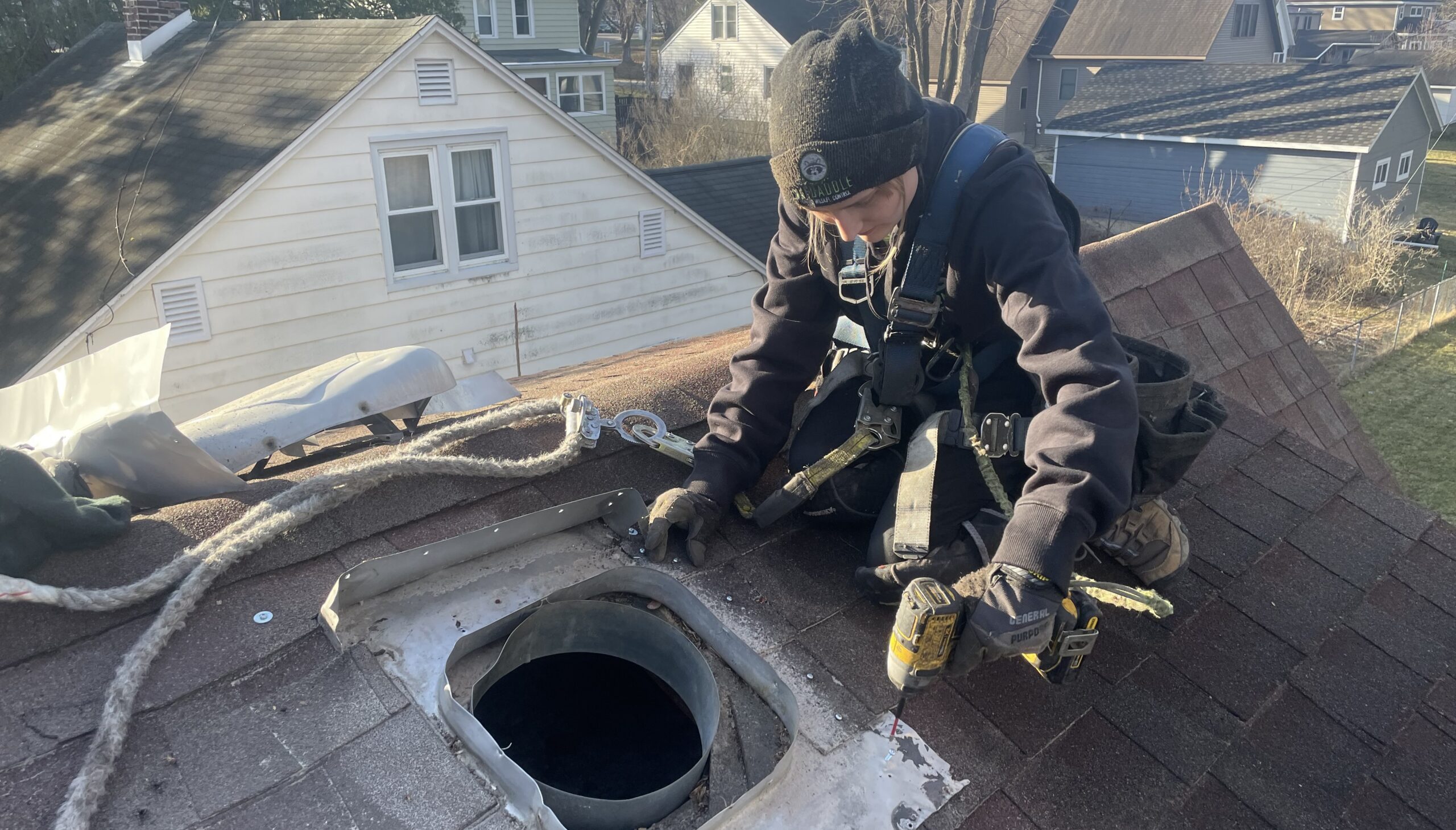
A thorough inspection by professionals comes first. They check for babies, find every entry point, and then use specialist methods—like properly timed one-way doors—to make sure animals can leave safely without being separated from their families.
Once all animals are gone, the team does a professional seal-up with tough materials, guarding your home from future incidents.
Common Wildlife Control Myths and Misconceptions
Let’s clear up a few more wildlife control myths that often lead to headaches:
- “Quick fixes are enough.” Not true—lasting solutions always require careful steps.
- “All wildlife will leave on their own.” Not always—many stay for months, especially with babies.
- “Any professional will do.” Approaches, ethics, and results vary widely among companies.
Misinformation can make a situation worse, so let’s keep things clear by debunking wildlife management myths together.
Myth #2: Wildlife Will Leave on Their Own
Some think that wildlife will just move out once the weather brightens up. Unfortunately, that’s rarely true. Attics, sheds, and crawlspaces are ideal places for animals to give birth and raise their young. For them, your property isn’t just shelter—it’s a nursery.
In Surrey, female wildlife like raccoons and squirrels often pick safe, warm spaces to have babies. Spring is a popular season for this, but once a litter is born, the mother won’t abandon her young. She’ll stay for weeks or even months until they’re ready to leave.
If you wait for animals to leave, you could face:
- More contamination and damage: Wildlife leaves behind waste and chews on wires or insulation.
- Scent marking: Animals leave scents that can attract even more wildlife, turning your home into a hotspot for years to come.
- Complicated removals: The longer wildlife stays, the more difficult safe removal becomes.
One of the common pest control misconceptions is believing these situations work themselves out. In most cases, they actually get worse as time goes on.
The Professional and Humane Solution
The best move is to call a professional early. Experts can identify the kind of animal, spot if young are present, and build a plan that’s safe for both your home and the animals.
Quick action helps:
- Prevent extensive property damage
- Reduce health risks caused by contamination
- Control the issue before it grows
Myth #3: A One-Way Door is a Simple DIY Fix
Do-it-yourself one-way doors are advertised as an easy answer—but this is another of those common pest control misconceptions. DIY approaches often make things more complicated.
Here’s what can go wrong if you try installing a one-way door yourself:
- Wrong placement: Animals simply use another exit or dig a new one.
- Improper installation: Undersized, oversized, or poorly fastened doors can fail or cause harm.
- Baby animals at risk: If babies aren’t old enough to follow their mother out, they’ll be trapped, leading to inhumane outcomes and potential odour and contamination issues in your home.
Remember, 60% of Canadian homeowners who attempt DIY wildlife removals report repeat incidents within the year. That’s a lot of extra stress, time, and money.
The Professional and Humane Solution
Trained experts:
- Inspect all possible entry and exit points before installing any wildlife management device.
- Confirm if there are babies and ensure they’re mobile before installation.
- Block every other exit so the one-way door works effectively.
- Return to clean up, remove the device, and professionally seal the area.
This kind of expertise helps ensure a humane solution—one that keeps families of animals together and protects your home.
Myth #4: All Wildlife Control Companies Are the Same
You might think every wildlife control company offers the same service—but this is yet another wildlife control myth that isn’t true. There is a big difference between companies in how they remove animals and what steps they take to prevent future problems.
Some companies only focus on quick removals. They may not deal with leftover contamination, or they might skip steps needed for long-term protection. Others don’t use humane approaches or forget about what happens if young animals are involved.
When separating fact from fiction and debunking wildlife management myths, keep these points in mind:
- Not all services clean up contaminated insulation or droppings.
- Prevention work varies—ask about guarantees!
- Cheap, fast services are often incomplete, leading to more costs down the road.
The Professional and Humane Solution
When hiring, ask these questions:
- How do you remove animals—especially with babies?
- Will you clean and disinfect affected areas?
- Do you offer guarantees for your prevention work?
- What materials will you use to seal my home?
A reputable team like Skedaddle Humane Wildlife Control in Surrey will offer:
- Science-based and humane solutions
- Comprehensive cleanup services
- Preventive measures to keep wildlife from returning
This helps ensure satisfaction and lasting results.
Myth #5: Once the Animals Are Gone, the Problem Is Over
Most people feel relieved once wildlife is removed—but removal is only part of the process.
Hidden hazards could be left behind:
- Damage: Chewed wires are a leading fire hazard in Canadian homes. Damaged ductwork and shredded insulation can hike up your utility bills.
- Contamination: Feces and urine can contain bacteria, parasites, or even roundworm eggs. These substances can impact your family’s health and air quality.
- Lingering scents: Scent markings can attract other wildlife for years unless properly cleaned.
Clearing away the animals isn’t enough. Statistics suggest that homes without proper cleaning and exclusion measures are 70% more likely to face repeated issues.
The Professional and Humane Solution
- Remove all contaminated insulation and droppings with professional methods.
- Use industrial-grade cleaners to eliminate bacteria and odours.
- Seal and reinforce all potential re-entry points to guarantee a lasting solution.
This multi-step approach means you won’t be dealing with the same issue next season. That’s truly debunking wildlife management myths for good!
Trust Local Experts for Real Solutions
Wildlife management doesn’t need to be stressful, especially when you sort fact from fiction and choose science-backed solutions. Relying on expert advice—and not wildlife control myths—protects your home, your family, and the animals nearby.
- Avoid quick fixes or DIY solutions.
- Choose comprehensive, humane, and professional help.
- Ensure thorough cleanup and prevention for long-term peace of mind.
If you’re in the Surrey area and need support, Skedaddle Humane Wildlife Control is ready to help. Reach out now for a property assessment and learn about our humane three-step process. Let’s leave the myths behind and create a safer, healthier home for everyone—people and wildlife alike.

 Loading...