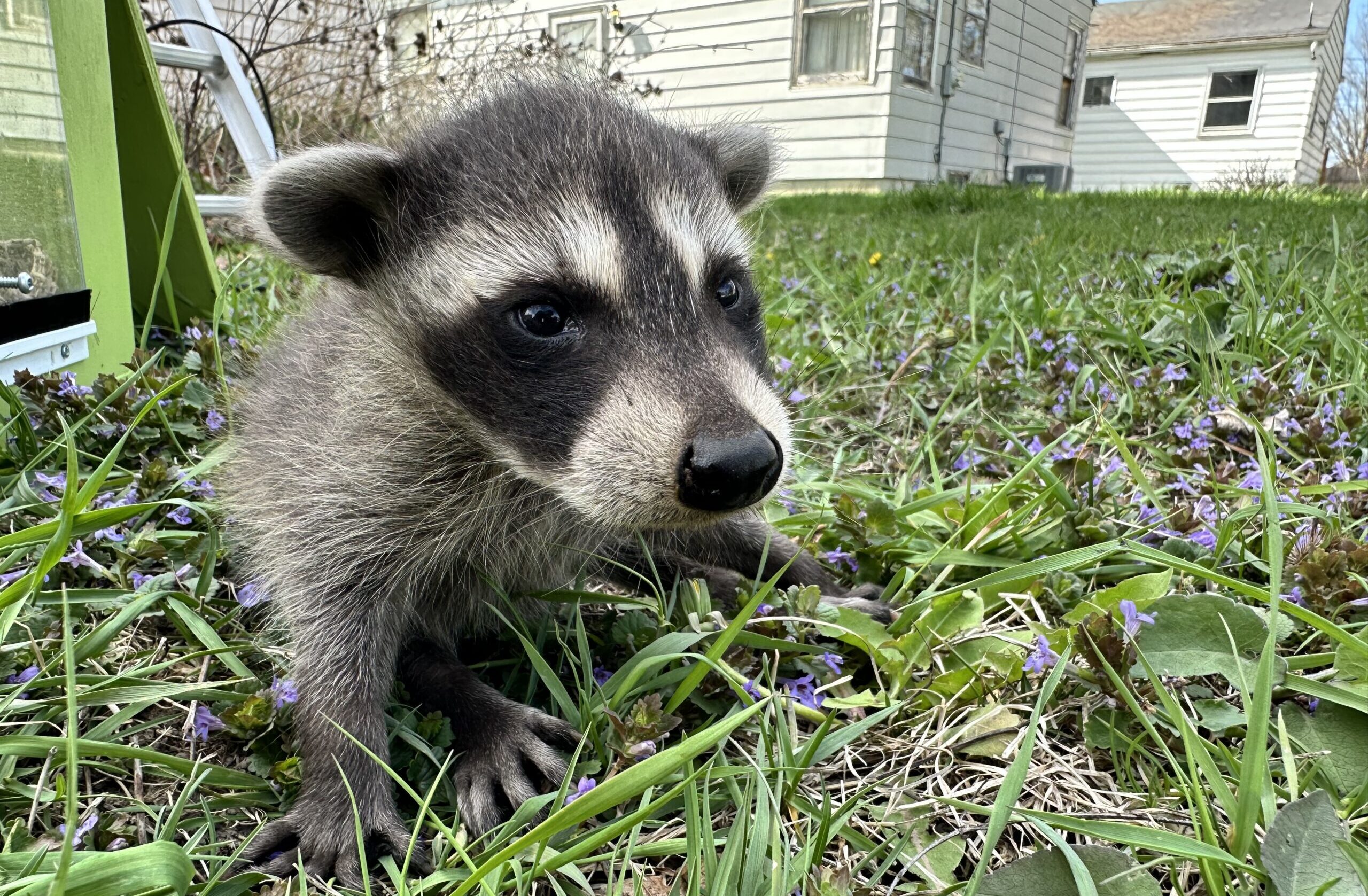
You may live on a busy Hamilton street and still see raccoons, squirrels, skunks or mice near your home. The Niagara Escarpment helps make this possible because its wooded slopes, ravines, waterways, and trails form connected travel routes. These animals can follow the natural cover from larger habitats into parks, backyards, and densely developed neighbourhoods.
You do not need to live beside a forest to be affected. A nearby creek, trail, tree line, or narrow green space may connect your neighbourhood to the Escarpment. Once these animals reach a residential area, food, water, and shelter may lead them closer to roofs, garages, decks, sheds, and foundations.
At Skedaddle Humane Wildlife Control in Hamilton, we often deal with problems shaped by the city’s mix of older houses, new developments, mature trees, parks, and Escarpment land. You will see how wooded slopes support movement, why trails and ravines bring activity closer to homes, and how parts of a property may extend those routes. In this blog, you’ll also learn which warning signs may show that an outdoor visitor has entered your building and how professional removal and prevention can protect your home.
What Kinds of Wild Animals Can Be Found in Hamilton, Ontario?
Hamilton is home to many species, including raccoons, squirrels, skunks, mice, bats, birds, and foxes. The city’s forests, parks, waterways, Escarpment lands, and residential areas give them many places to travel, feed, and find shelter. Raccoons, squirrels, skunks, and mice are among the common visitors that may cause concerns around houses.
These animals are good at adapting to life near people. A raccoon may explore a roof, while a squirrel may use a branch to reach a soffit. A skunk may look beneath a deck, and a mouse may enter through a small opening near the foundation.
Seeing one outside does not always mean that your home has an entry problem. However, repeated activity near the same roof edge, vent, garage, or deck should not be ignored. A professional inspection can show whether they are only passing through or have found a way inside.
Wooded Slopes Create Covered Travel Routes
Wooded slopes help these animals travel without spending much time in open areas. Trees, shrubs, rocks, and uneven land form a sheltered route from natural habitat toward Hamilton neighbourhoods.
- Dense Plant Cover: Leaves, branches, shrubs, and tall plants help hide movement from people. This cover can continue from the Escarpment into parks and residential yards. They may reach your property before you ever notice them.
- Places to Rest: A long trip through the city requires safe places to pause. Thick plants, hollow spaces, and quiet ground near slopes can provide temporary shelter. From there, they can explore nearby yards after dark.
- Natural Food and Water: Wooded land may contain seeds, fruit, insects, and water. These resources encourage regular travel through the same area. When natural food becomes scarce, they may move farther into nearby neighbourhoods.
- Routes Around Busy Streets: Covered slopes may help them avoid traffic and wide, open spaces. They can follow a quieter edge behind homes or beside a park. This makes the Escarpment a useful link between natural land and the city.
Trails and Ravines Connect Natural and Residential Areas
Hamilton has trails that cross or follow parts of the Niagara Escarpment. The city’s trail network includes routes through Red Hill Valley and along Chedoke Creek, as well as paths that connect the upper and lower city. These green links can also support movement between habitats and neighbourhoods. The City of Hamilton’s trail information shows how closely many routes connect valleys, creeks, parks, and residential streets.
- Connected Green Spaces: Trails often join parks, wooded land, creek edges, and conservation areas. These connections reduce the amount of open ground an animal must cross. A route may continue much farther into the city than you expect.
- Low-Visibility Paths: Ravines and creek banks offer cover below street level. Trees and plants can make these spaces feel quiet even when houses are close. The animals may use them during the evening or overnight.
- Backyard Detours: A trail route may pass close to fences, gardens, and rear property lines. Garbage, outdoor food, or shelter can draw them away from the main corridor. Your yard may then become a regular stop along a larger path.
- Easy Route Memory: Many species remember places where they found food or shelter. They may follow the same ravine, fence, or tree line again. Repeated visits can increase the chance that they will inspect a weak point on a building.
Property Features Can Extend the Route
 The Escarpment may bring these animals into the neighbourhood, but property features can guide them toward your house. Rooflines, decks, sheds, garages, and foundations may provide the final part of the route.
- Overhanging Branches: Tree limbs can create a bridge between a yard and a roof. Squirrels and raccoons may use them to reach shingles, vents, and soffits. A loose or damaged area can then become an entry point.
- Decks and Sheds: The space below a deck or shed may be dark, dry, and protected from wind. Skunks may investigate these areas as possible den sites. Other visitors may also rest or hide nearby while exploring the property.
- Foundation and Garage Openings: Mice can use very small gaps near doors, siding, pipes, or foundation joints. Once inside a garage, they may find routes into shared walls or ceiling spaces. The visible opening may not be the only one present.
- Food and Waste: Garbage, birdseed, compost, and pet food can make a yard worth visiting. A steady food source may turn an occasional trip into a repeated pattern. Once they feel safe on the property, they may begin looking for shelter.
Seasonal Needs Change Movement Patterns
The Niagara Escarpment supports movement throughout the year, but the reason for that movement can change. In spring, some animals search for quiet places to raise their young. Attics, wall spaces, chimneys, and areas below decks may seem protected from weather and danger.
Summer provides more natural food, yet activity around houses can remain high. Young animals begin exploring, and adults may travel farther while searching for food and water. You may notice movement near garbage areas, gardens, roofs, or sheds.
Fall creates a strong search for dependable shelter. As temperatures fall, squirrels and mice may investigate warm spaces inside buildings. Raccoons may test roof edges, while skunks may search beneath porches and decks.
Winter does not end the problem. Food becomes harder to find, and a warm building can be very appealing. If an opening was used earlier in the year, the animals may continue returning until professional exclusion closes the route.
Hamilton’s Geography Brings Natural Areas Close to Homes
Hamilton is shaped by more than one large strip of green land. The Escarpment connects with valleys, creek systems, wooded areas, parks, and trails throughout the city. This network helps explain why you may see activity in a developed neighbourhood that appears far from a major forest.
The Red Hill Valley Recreational Trail, for example, begins at the top of the Escarpment and travels through the valley toward Lake Ontario. Other routes link Escarpment areas with Chedoke Creek, Dundas Valley, and the lower city. These connections create long paths through land that also borders streets and homes.
Local building styles can affect what happens when an animal reaches a property. Older Hamilton homes may have worn soffits, aging roof edges, or gaps in stone and brick foundations. Newer buildings may still contain openings around vents, siding, garages, and utility lines.
Hamilton’s freeze-thaw cycles, snow, wind, and heavy rain may also weaken exterior materials. A small opening can grow as materials shift or wear down. You may not see the damage from the ground, which is why a complete professional assessment matters.
Signs That Activity Has Moved Inside
Outdoor sightings do not always point to an indoor problem. The concern grows when you notice activity near the same area again and again. A raccoon returning to one roof edge or a squirrel disappearing behind a soffit may have found an opening.
Sounds can provide another clue. You might hear scratching, rolling, chewing, or light movement in an attic, ceiling, or wall. The time and location of the sound may help a trained technician identify what is present.
Damage around vents, shingles, fascia, soffits, garage seals, or foundation openings may also suggest entry. Other signs can include stains, unusual odours, nesting material, or droppings. You should not touch or clean these materials because they may carry health risks.
The place where you notice a sign may not be the true entrance. These animals can move through wall voids, attic spaces, and other hidden parts of a building. Our Skedaddle’s team checks the full structure instead of focusing only on the most obvious spot.
Wildlife Removal and Prevention With Skedaddle
When these animals move from an Escarpment travel route into your home, our team begins with a detailed inspection. We examine the roofline, vents, soffits, chimney, siding, foundation, garage, deck, and other possible access areas. We also look for damage, nesting spaces, contamination, and signs that young may be present.
Our professional wildlife team uses humane methods suited to the species and the time of year. When appropriate, we install one-way doors that allow wildlife to leave but prevent them from getting back inside. We do not rely on live trapping and relocation.
Removal is only one part of the solution. Our technicians secure active and potential entry points with durable materials made to resist chewing, clawing, and harsh weather. We can also complete professional cleanup and restoration when droppings, nesting material, or damaged insulation are present.
This full-building approach matters in Hamilton because activity around the property may continue. The Niagara Escarpment and its connected green spaces will remain natural travel routes. Strong exclusion helps protect your house even when other animals continue moving through the neighbourhood.
Frequently Asked Questions
Why do wild animals follow the same routes?
They often remember paths that provide cover, food, water, or shelter. A wooded slope or ravine may offer a safer trip than a bright street or open field. Once a route works, they may use it many times.
Does living near the escarpment guarantee a home will have a problem?
No, living nearby does not mean an animal will enter your house. Risk increases when natural travel routes meet weak vents, roof gaps, open garages, or spaces beneath decks. Our professional prevention focuses on removing those access opportunities.
Can a fence stop them from entering a yard?
A fence may guide movement, but it does not always stop it. Some species can climb, dig, or pass through a small opening. A fence line may even become part of a familiar route through several yards.
Why is there more activity at night?
Many common urban species are most active from evening through early morning. Darkness helps them travel with less contact with people and traffic. You may notice sounds at night even when you see nothing outside during the day.
Should droppings or nesting material be removed right away?
They should be assessed and removed by our trained professionals. Touching, sweeping, or vacuuming contaminated material may create health concerns. Our team can determine what cleanup and restoration the affected space requires.
What should you do after seeing repeated activity near the house?
Keep your distance and note where the activity occurs. Do not climb onto the roof, reach below a deck, block an opening, or approach the animal. Contact our professional team to inspect the structure and determine whether removal or prevention is needed.
Stop a Travel Route at the Outside of the Home
The Niagara Escarpment gives raccoons, squirrels, skunks, and mice covered routes through Hamilton. Wooded slopes, trails, ravines, and connected parks allow them to move from natural areas into developed neighbourhoods. Once they arrive, overhanging branches, decks, garages, food sources, and small building gaps may bring them even closer to your living space.
You may only notice an occasional visitor in your yard at first. However, repeated movement near a roofline, vent, foundation, shed, or deck can point to an attractive resource or entry point. Strange sounds, damaged materials, droppings, and nesting debris may mean that the activity has already moved indoors.
You should not approach these animals, block an opening, or handle contaminated materials yourself. At Skedaddle Humane Wildlife Control in Hamilton, we can inspect your entire property, complete humane removal, clean affected spaces, and secure vulnerable areas. Our professional prevention work helps stop another entry while allowing local species to continue using their natural routes safely.

 Loading...