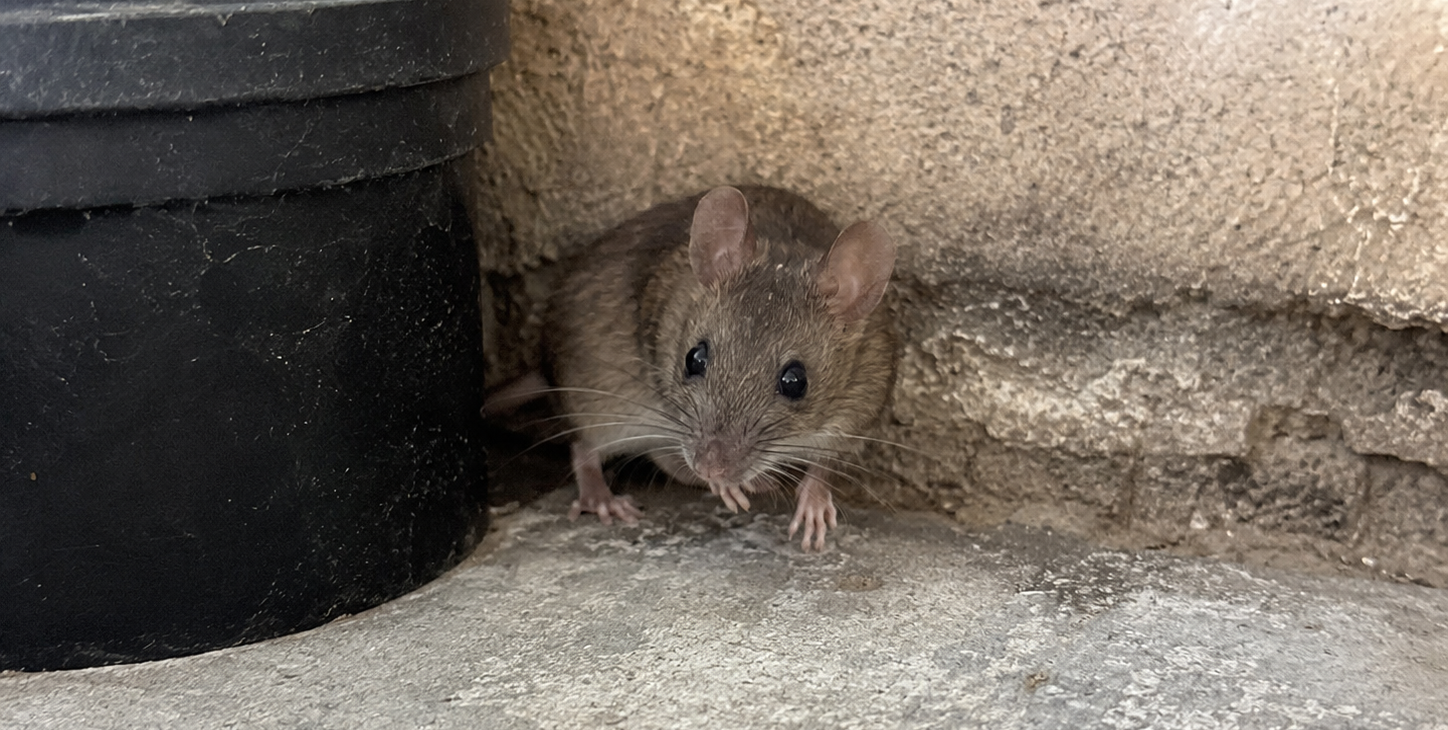
Mice are small yet resourceful creatures that actively seek out warm, safe places to survive as the seasons change. When the weather begins to cool and outdoor resources dwindle, your home becomes an enticing option. The combination of steady warmth, accessible food, and quiet areas for nesting makes residential properties an ideal refuge for mice.
You might begin to hear scratching or scurrying noises in your walls or attic as these tiny invaders settle in. For homeowners, this intrusion can be both unsettling and overwhelming, putting the health and comfort of your home at risk.
At Skedaddle Humane Wildlife Control in Colorado, we’ve seen firsthand the challenges that seasonal mouse intrusions can bring. Our team specializes in understanding the behavior of mice and providing humane solutions that protect both you and the wildlife. By addressing the root causes of infestations and securing your home, our goal is to bring you peace of mind and a mouse-free living space.
In this blog, we’ll explore why mice are drawn to Colorado homes during the colder months and explain the specific risks they pose to your household. You’ll also learn how our team’s proven methods can protect your property, ensuring the safety and comfort of your family all year long.
What smell do mice absolutely hate?
Mice absolutely hate the smell of peppermint oil, cayenne pepper, and cloves. Because they have a highly sensitive sense of smell, strong odors overwhelm their nasal passages and make areas uncomfortable for them.
You will often find that strong scents act as a natural deterrent in the wild. However, smells alone will not stop an infestation once it begins. When temperatures drop, the need for warmth easily overpowers their dislike of certain odors. They will simply bypass the smelly areas and find a different route into your walls or attic. That is why our professional exclusion is the only permanent solution. We use specialized techniques to seal your home, ensuring they cannot enter no matter what smells are present.
The Search for Warmth
You will see more activity when the first cold snap hits. Mice lack the body mass to regulate their temperature efficiently in freezing weather. They seek out the stable warmth of heated homes to survive. Without a warm space, they simply cannot endure the harsh winters.
Your central heating system makes your house an irresistible target. Heat escapes through vents, rooflines, and tiny foundation cracks. Once they feel that warm air blowing outside, they follow it straight to the source.
We know exactly how to track these heat signatures. Our trained professionals inspect your property to find the hidden spots where warm air leaks out. By identifying these zones, we stop them from using your heating system as a welcoming beacon.
Scarcity of Food
You may not realize how quickly outdoor food sources disappear in autumn. Natural food like seeds, berries, and insects vanish as the weather gets colder. When the ground freezes, mice must look elsewhere to survive. Here are the main ways they find food in your space:
- Pantry Access: Your kitchen pantry provides an endless buffet of grains and cereals. Mice can easily chew through cardboard boxes and thin plastic bags. We see this often during our home inspections.
- Pet Food Stations: Pet bowls left out overnight offer a massive, easy meal. Mice will grab pieces of kibble and hoard them inside your walls. Our experts know how to locate these hidden food caches.
- Accessible Garbage: Trash cans without tight lids attract hungry mice from across the neighborhood. They follow the strong odors directly to your garage or back door. We evaluate these attractants to help secure your property.
How Do Colorado Homes Provide Predator Protection?
You know that the outdoors can be a dangerous place for mice. Cold weather and snow remove the natural brush and tall grass they use to hide. Without this cover, mice become easy targets. Your home provides the ultimate fortress against natural predators. Here is how your house keeps them safe:
- Blocked Flight Paths: Hawks and owls hunt from above and rely on clear sightlines. Your roof and walls completely block these birds of prey. Our team understands how this safety factor drives them indoors.
- Quiet Hiding Spots: Basements and crawl spaces have very low foot traffic. Mice can run around freely without alerting predators or humans. We meticulously check these quiet zones to assess the situation.
- Safe Travel Routes: Wall cavities allow them to move from the basement to the attic without ever stepping foot in the open. Mice use your plumbing lines as a private highway. We seal these internal routes to stop their movement.
Why Is Nesting and Breeding Easier Indoors?
You might be surprised to learn that mice breed year-round. A protected, warm indoor environment is the perfect place to build nests. They need soft materials and safe corners to raise their young. Here is why your house is an ideal nursery:
- Abundant Insulation: Fiberglass and cellulose insulation provide ideal nesting material for mice. These materials are soft, fluffy, and easy to tear apart, allowing mice to create warm and comfortable beds for their young. Damaged insulation not only loses its effectiveness but also becomes a health concern, which makes proper removal and replacement essential.
- Undisturbed Storage: Stored boxes filled with old clothes, papers, or unused items create perfect hiding spots for mice. These materials not only provide shelter but also serve as excellent resources for building nests. Identifying and addressing these high-risk storage areas helps reduce nesting opportunities in the home.
- Stable Environment: Indoor spaces maintain consistent temperatures, which significantly improve the survival rates of mouse offspring. While outdoor nests are exposed to freezing or fluctuating climates, indoor nests remain warm and secure year-round. Breaking this cycle is crucial to controlling infestations and protecting the home from further damage.
How Do Mice Find Easy Access Into Your Home?
You might think your house is sealed tight, but tiny gaps naturally form over time. Because mice can squeeze through holes as small as a dime, homes near natural landscapes are very vulnerable. They constantly search the perimeter of your house for weaknesses.
We frequently find entry points around utility lines, weep vents, and settled foundations. Weather conditions cause building materials to expand and contract, creating new gaps every season. When one gap stays open, new rodents will continue to enter later on.
Our team focuses on long-term prevention. We install one-way doors that allow mice to leave, but not re-enter. We never use live trapping. Instead, we seal every single entry point with durable materials, ensuring your home stays protected year-round.
Humane Mice Removal and Prevention with Skedaddle
Mice can quickly become a big problem in homes, creating health hazards and causing damage to property. At Skedaddle, we use humane and effective methods to remove mice without harming them. Our team finds and removes all mice from your home, ensuring none are left behind to cause further issues.
Once the mice are removed, we focus on preventing future infestations. We thoroughly inspect your home to identify every possible entry point that mice may use. These gaps are sealed with tough, high-quality materials that keep mice from getting back inside.
Skedaddle is committed to providing a long-term solution for your home. Unlike traditional pest control that relies on traps or chemicals, our process is safe for families and the environment. With Skedaddle, you can trust that your home will stay mouse-free and secure for years to come.
Other Mouse Challenges in Colorado
Mice in Colorado present unique challenges due to the state’s diverse climates and environments. The colder months often drive mice indoors, seeking warmth and food, which can lead to infestations in homes and businesses. Additionally, outdoor spaces near fields, forests, or farms are particularly prone to mouse activity as these areas provide abundant shelter and resources.
Another common issue is the variety of mouse species found in Colorado, including deer mice. Deer mice can carry harmful diseases like hantavirus, which poses risks to humans when droppings or nests are disturbed. Understanding the behavior and habits of these mice is essential for effective prevention and control.
Mice can also cause structural damage to buildings by chewing through insulation, wires, and wood. This destructive behavior not only creates safety risks, like electrical fires, but also leads to costly repairs. It’s crucial to address infestations promptly and take steps to prevent mice from entering in the first place.
Frequently Asked Questions
What time of year are mice most active indoors?
You will usually notice the most indoor activity during late fall and early winter. As temperatures drop outside, mice look for warm and safe places to stay. Your attic, walls, and basement provide protection from cold weather and snow. Once inside, they may remain active throughout the entire winter season.
How small of a hole can mice fit through?
Mice can squeeze through holes as small as a dime. If their head can fit through a tiny crack, the rest of their body can usually follow. Small gaps around vents, pipes, and rooflines are common entry points into homes. Our professional inspections help locate and seal these hidden openings before the problem gets worse.
Do mice hibernate during the winter?
No, mice do not hibernate during the winter months. They stay active all year long and continue searching for food, water, and shelter every day. Your warm home provides the perfect environment for them to survive cold weather. This is why infestations often become more noticeable during winter.
Why do I hear scratching at night?
You hear scratching and movement at night because mice are nocturnal. They usually wake up after dark to search for food and build their nests. The sounds often come from inside walls, ceilings, attics, or crawl spaces. If the noises happen regularly, it may mean mice are living inside your home.
Temp Swings? You Might Have Mice. We Can Help!
Keeping your home mouse-free is essential for your comfort and safety, especially as the seasons change. Mice are quick to take advantage of even the smallest openings in your home. Once inside, they can cause damage, spread disease, and create stress for you and your family. That’s why acting quickly and relying on our trusted professionals is so important. At Skedaddle Humane Wildlife Control in Colorado, we understand the challenges homeowners face when dealing with mice. Our experienced team is here to provide a complete solution.
From identifying how and where mice are entering, to using humane methods like one-way doors to remove them, we handle every step with care and precision. Plus, we’ll secure your home to prevent any future invasions, giving you peace of mind.
Don’t wait until the issue grows out of control, mouse problems only worsen if left untreated. Protect your home and family today by reaching out to us today. Request an estimate now and trust us to provide a professional and effective solution tailored to your needs. Together, we can keep your home safe, secure, and wildlife-free all year long.

 Loading...







