
You feel the cold settle in fast when an Ohio winter hits. Snow piles up, the ground freezes, and the temperature drops overnight. While you bundle up and turn up the heat, something else is happening below your feet.
Many homeowners start noticing small sounds, scratching, or movement coming from the lower level of the house. That’s because rats in basements in the winter rise sharply every year once the deep cold sets in.
You may wonder how these animals stay alive when everything outside freezes. The truth is simple: basements give them everything they need. Warmth, food access, safety, and darkness make underground spaces perfect for winter rat survival in Ohio.
They don’t hibernate. They don’t slow down much. They stay active and use basements to avoid the harsh wind and snow above them. That’s why so many homes in Dublin and surrounding areas experience problems as soon as the first big freeze hits.
This guide explains how rats survive harsh winters underground, why they choose basements, the habits that help them stay alive, and what makes this season so active. You’ll also see why professional help from our team at Skedaddle Humane Wildlife Control in Dublin is the safest way to prevent rats in basements and stop long-term problems before spring arrives.
Why Basements Become the Number One Winter Shelter
When temperatures drop below freezing, basements turn into a lifeline. Even if a basement feels cold to you, it is still much warmer than anything outside. Underground soil holds heat well, and the structure of the home traps warmth.
Rats take advantage of this. They search for gaps near the foundation, openings around pipes, or cracks caused by frost. Once they find the right spot, they slip in easily. They only need a hole the size of a quarter, and winter often widens those entry points even more.
Basements also stay quiet during the day. That calm space gives them a chance to build nests, hide, and explore without being disturbed. When you combine warmth, safety, and steady temperatures, you get the perfect winter shelter for a tough season.
Warmth Helps Them Survive All Season
Winter hits them hard outdoors, especially when wind chills dip into dangerous lows. That is why rats in basements in the winter rely heavily on indoor heat to survive. No matter how cold your floors feel, they offer enough warmth to help these animals stay active.
They stay close to heating sources, warm pipes, or appliances. Even small temperature changes can mean the difference between life and death outdoors. Underground areas hold warmth better, so the basement becomes a place they don’t want to leave.
Here’s what makes basements ideal for winter heat:
- Heat from your furnace spreads through walls and floors
- Warm water lines prevent temperatures from dropping too low
- Soil insulation keeps cold air from reaching their nest
- Humidity stays higher underground, protecting them from dry winter air
A basement gives them stable warmth, so they do not burn too much energy staying alive during long storms or freezing nights.
Nests Built for Cold Weather
Cold weather pushes them to build stronger, thicker nests. They gather any soft material they can find. In basements, that may include insulation, shredded cardboard, old storage boxes, or even clothing placed in corners.
Nests are key for winter rat survival in Ohio because they trap body heat. Several animals may share the same nest to keep warm. They tuck themselves deep inside and stay there for long periods when temperatures are at their worst. They are not hibernating, just conserving energy.
A winter nest usually has:
- A hidden location
- Several escape paths
- Soft materials layered tightly together
- Food stored close by
This setup keeps them fed, warm, and safe until conditions improve.
Access to Food Keeps Them Active
You may think food disappears in the winter. Outside, it does. Snow covers seeds, plants die back, and insects hide deep in the ground. That’s why basements become so important. They often sit near food sources inside the home.
Many basements connect to kitchens, pantries, garages, or crawl spaces. That means they can travel short distances to find food and then return underground without being exposed to the cold. Their sense of smell is strong, and they can locate even small crumbs or stored food.
Food access includes:
- Pet food storage
- Garbage bins
- Pantry shelves
- Boxes of dry goods
- Compost or waste near the foundation
They only need a little food each day, so even tiny spills or crumbs keep them going. This constant access is one major reason they survive the winter so well.
Burrowing Keeps Them Hidden
Cold soil becomes harder in winter, but they are strong diggers. They burrow around foundations, squeeze under concrete slabs, and push into soft soil near warm walls. The heat escaping from your basement can soften nearby ground, making it easier for them to dig.
Once they reach a weak spot in the foundation, they use it to enter. Basements often have small openings where utilities run through — water lines, gas lines, electrical cables, sump pumps, or dryer vents. Frozen ground may crack and widen these areas, giving them more space to slip inside.
They stay hidden by:
- Digging tunnels close to the foundation walls
- Using frost cracks created by freeze–thaw cycles
- Expanding small gaps around pipes
- Following warm moisture lines underground
All of these strategies help them survive and stay out of sight.
Why Winter Makes Activity Even Worse
Winter doesn’t calm them down. It makes them more determined. They stay active year-round because they don’t hibernate. When the weather gets colder, they spend more time indoors searching for food and warmth.
That means homeowners in Dublin often see more signs like scratching, small droppings, chewing, or movement behind walls right after a heavy freeze or snowfall.
Two things drive this increase:
1. Outdoor food disappears
Snow blocks their usual food sources. Even a small storm forces them to find new options.
2. Homes stay warm
Basements become long-term shelters, not temporary stops. Once they’re inside, they stay until spring.
This leads to longer activity periods and more nesting inside the structure.
How They Use Energy to Survive Harsh Winters
You may not realize how much energy rats burn in cold weather. They use warmth from the basement to protect that energy. Staying indoors helps them survive without exhausting themselves.
Here’s how they use energy well:
- Staying close to nests with high insulation
- Eating frequently but in small amounts
- Moving through hidden wall routes instead of open spaces
- Storing extra food in small piles
They are efficient. They waste nothing. That efficiency is exactly why they survive Ohio winters underground.
Why Basements Keep Them Alive When Other Spaces Don’t
Basements give them a mix of warmth, darkness, and quiet that is hard to find anywhere else. Crawl spaces and attics help too, but basements hold heat better because they sit below ground level.
Basement features that improve survival:
- Lower temperature swings
- Protection from wind and storms
- Close access to water pipes
- Long-term hiding spots behind stored items
This combination is the main reason rats in basements in the winter remain a common problem across Ohio every year.
How Our Team Helps Prevent Rats in Basements
Homeowners should never try to handle or remove animals on their own. These animals carry bacteria and can cause structural damage quickly. That’s where our team steps in.
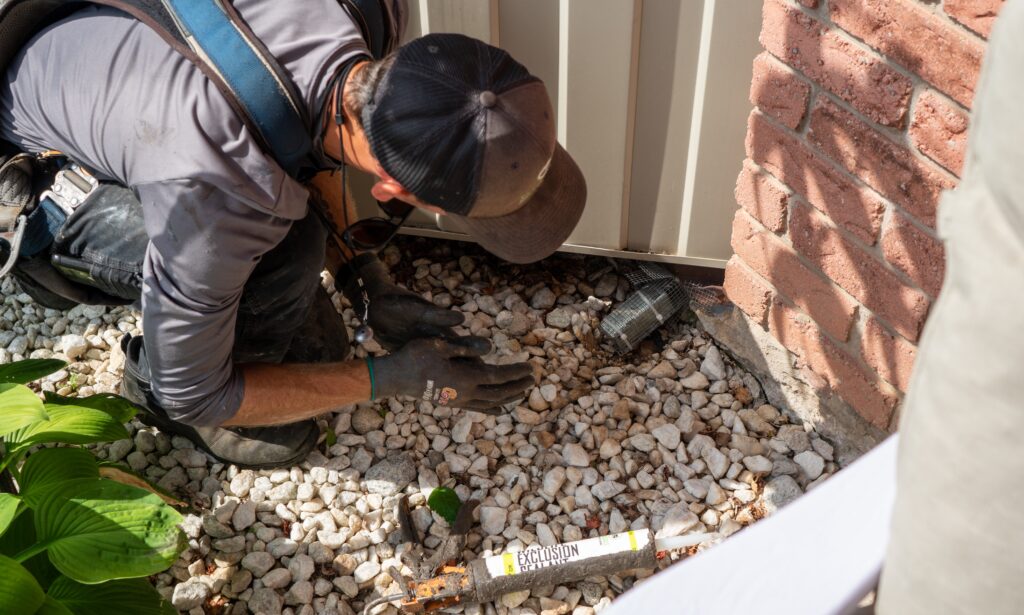
At Skedaddle Humane Wildlife Control in Dublin, we safely guide them out using humane one-way doors. These doors let them leave but not return. After that, we seal every entry point using proper materials designed to block re-entry.
Our work focuses on:
- Keeping the animals safe
- Protecting your home structure
- Stopping underground access
- Preventing long-term damage
We handle the full process so you don’t have to guess what’s happening beneath your feet.
A Fast, Simple Way to Protect Your Home This Winter
When you’re dealing with rats in basements in the winter, you deserve support that solves the problem at the source. Winter brings long stretches of cold weather, and that makes winter rat survival in Ohio even more active. Our team at Skedaddle Humane Wildlife Control in Dublin helps you prevent rats in basements and protect your home before problems grow.
Request an estimate to learn more about how we keep homes safe during winter and stop the issues underground before spring arrives.

 Loading...







