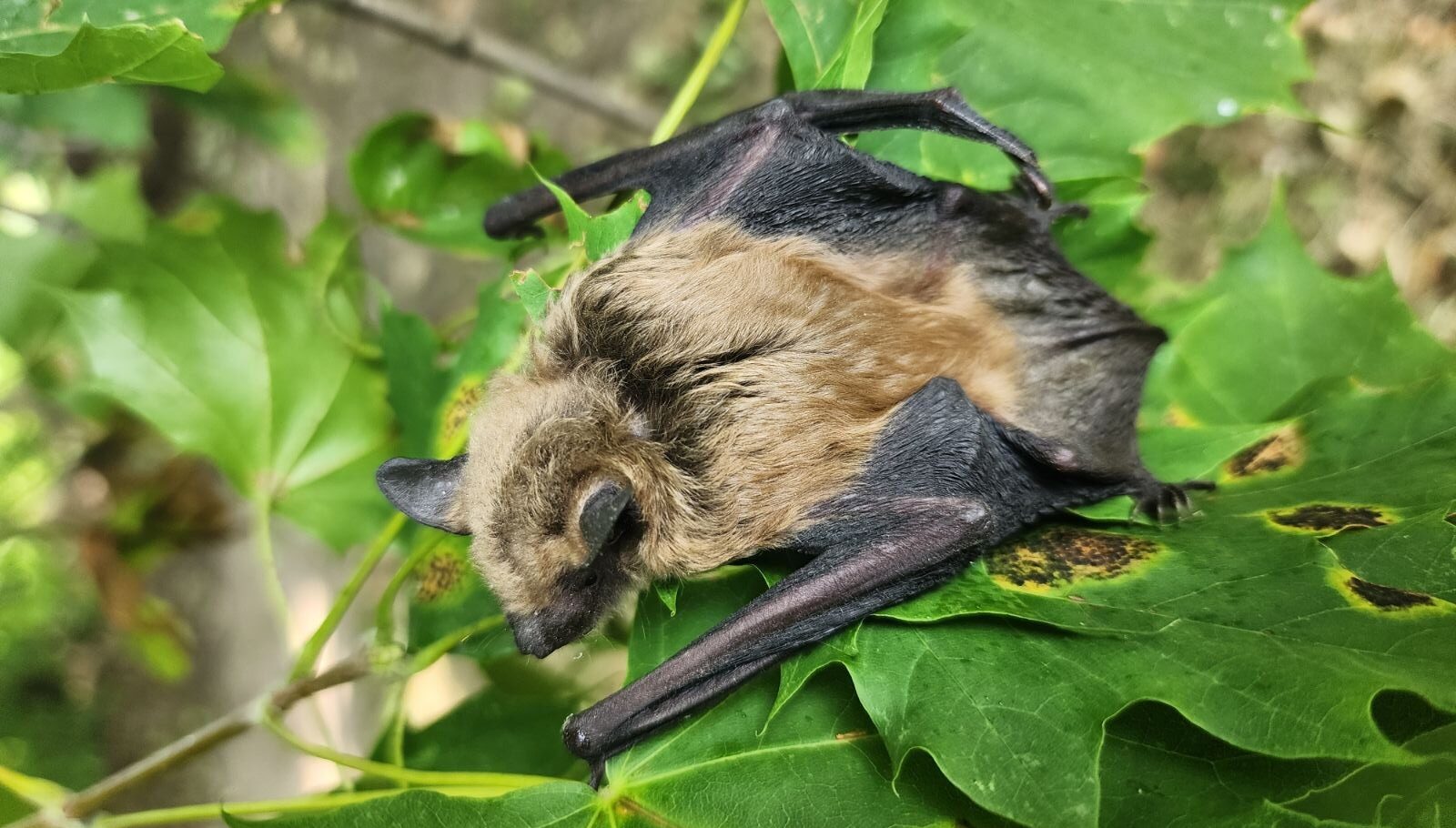
You hear more bat activity around your home in summer because this is their peak season for feeding, raising young, and seeking shelter. During the warm months, these nocturnal animals emerge from hibernation. Females actively look for secure, warm places to give birth and nurse their pups. At the same time, adult bats spend their nights hunting the large number of flying insects that gather near outdoor lights.
As the season goes on, young pups start learning how to fly, which adds even more noise and movement near your roofline. The extreme summer heat can also push these animals deeper into your wall cavities to find cooler temperatures. When this happens, you might hear scratching, squeaking, or fluttering above your ceilings.
In this blog, the experts at Skedaddle Humane Wildlife Control in Durham will explain exactly why these animals become so active right now and what you should watch out for. We will also cover how our professional team safely removes them and keeps your home secure.
Why are bats more active around homes in summer?
Bats are more active around homes in summer because they need safe environments to form maternity colonies, and human houses offer the perfect conditions. Your attic provides a warm, stable temperature that helps flightless pups survive and grow. Because summer brings a huge increase in the insect population, homes with outdoor lights or nearby water sources become prime feeding grounds.
During this time, female bats gather in large groups to raise their babies together. This means you are not just dealing with one or two animals. A single roost can hold dozens of individuals. The sheer number of animals living in one space creates a lot of noise. You will often notice this activity right at dusk when the adults leave to hunt and at dawn when they return to sleep.
The structure of your house also protects them from natural predators like owls and hawks. Small gaps in your roofline, loose siding, or uncovered vents give them easy access to a secure hiding spot. Because they are legally protected during their breeding season, it is important to let professionals handle any issues. Our team knows exactly how to manage these situations safely and legally.
Maternity Roosts Inside Your Attic
Bats are resourceful creatures that seek out safe places to roost and raise their young. When pregnant females search for a suitable spot, they prioritize spaces that are dark, warm, and undisturbed. Unfortunately, your attic often meets these exact needs, making it an ideal location for a maternity roost.
- Large Groups Gather Together: Female bats form maternity colonies, meaning many mothers share the same space to nurse their young. Because there are so many animals in one spot, the sounds of scratching and squeaking become very loud. You will likely hear this noise echo through your ceilings during the night. Our team often finds large amounts of droppings in these areas due to the high number of animals.
- Pups Stay Inside for Weeks: Baby bats cannot fly for the first six to eight weeks of their lives. They remain inside your attic while the mothers go out to hunt for food every evening. The mothers return multiple times a night to nurse, creating constant movement. We step in to handle the situation carefully so no flightless babies are left behind.
- Constant Communication Sounds: Mothers and babies use high-pitched squeaks to communicate with each other in the dark. These vocalizations help the mother find her specific pup in a crowded colony. You might notice these sounds most clearly right before sunrise when the adults come back inside.
Active Hunting Near Yard Lights
Bats are fascinating creatures that play an important role in keeping insect populations under control. During warm summer nights, you may notice more activity around your yard lights as bats hunt for their next meal. They are drawn to these areas because the lights attract large numbers of insects, creating the perfect feeding ground.
- Following the Insect Swarms: Mosquitoes, moths, and beetles thrive in the warm summer weather. Because bats can eat thousands of insects in a single night, they actively hunt where the bugs gather. This constant feeding keeps them flying close to your windows and doors. Our technicians understand these feeding patterns and know how to inspect your property for entry points.
- Attraction to Outdoor Lighting: Porch lights and street lamps draw large numbers of flying bugs after dark. Bats learn that these lights act like an endless buffet for their nightly meals. You will frequently see them swooping down near your deck or driveway to catch a quick meal.
- Proximity to Water Sources: If your home is near a pond, lake, or swimming pool, you will see even more insect activity. Water creates the perfect breeding ground for mosquitoes, which then attracts hungry bats. They will swoop low over the water to drink and feed throughout the night.
Juveniles Learning How to Fly
As summer progresses, young bats begin an exciting new stage in their lives. This is the time when they start practicing how to fly, a critical skill for their survival. You might notice an increase in activity near your home as these pups take to the skies, learning through trial and error.
- Testing Their Wings Indoors: Before they ever leave the roost, young bats practice flapping their wings inside your attic. This creates a distinct fluttering sound that you can hear through your walls and ceilings. The confined space makes their practice sessions loud and disruptive.
- Clumsy First Flights: When the juveniles finally head outside, they are not very good at flying yet. They lack the precise navigation skills of adult bats, causing them to bump into siding or fly awkwardly near your windows. You might see them fluttering erratically around your yard at dusk. Our experts know how to identify the signs of a colony that has recently taken flight.
- Getting Stuck in Strange Places: Because they are inexperienced, young bats often make mistakes when trying to get back inside. They can accidentally fall down chimneys, slip into wall cavities, or end up in your living room. When they get trapped, they make loud scratching noises as they try to escape. We safely extract these animals from tricky spots without causing them harm.
Temperature Regulation and Moving Indoors
Bats are very sensitive to temperature and need the right conditions to stay safe and comfortable. Even though bats love the heat, the peak days of summer can make an attic dangerously hot. When the heat becomes too intense, they look for cooler areas in your home, such as basements, garages, or even in the walls. This is a natural response to survive, but it can lead to unexpected encounters with homeowners.
- Escaping the Extreme Heat: On days when the sun beats down on your roof, attic temperatures can soar to uncomfortable levels. To avoid overheating, the animals will travel further down into your house. They often find their way into cold air returns or the spaces between your walls.
- Creating New Entry Pathways: As they search for a comfortable temperature, they might squeeze through tiny gaps in your floorboards or vents. This movement brings them dangerously close to your main living areas. You might suddenly hear their noises coming from different parts of the house than before. Our complete inspection process locates every single pathway they use.
- Increased Risk of Indoor Contact: When bats move down the walls to cool off, they sometimes accidentally emerge into your bedroom or kitchen. This creates a stressful situation for both you and the animal. It is very important that you do not touch them if this happens. We respond quickly to safely remove the animal from your living space.
Local Challenges for Durham Region Homeowners
Homeowners in the Durham area face specific seasonal challenges when it comes to local wildlife. Our region features a mix of older, historic homes and newer residential developments built near green spaces and lakes. This combination creates the perfect storm for increased animal activity during the warm months. The nearby lakes and mature tree canopies support massive insect populations, drawing hungry animals straight to residential neighbourhoods.
Older homes in Durham often have classic architecture with settling foundations and aging roofs. Over time, normal weather wear and tear creates tiny gaps along rooflines, soffits, and fascia boards. An animal only needs a gap the size of a dime to squeeze inside. Even newer homes can have structural vulnerabilities where different building materials meet. We frequently find entry points around improperly screened vents or loose siding.
The warm, humid summers in our region mean that maternity colonies thrive here. Because baby season overlaps perfectly with our hottest weather, local attics become very crowded very quickly. Homeowners often notice a sudden increase in foul odours as droppings bake in the summer heat. By understanding these local patterns, our team can predict where these animals will try to enter and stop them before they cause serious damage.
Professional Bat Removal and Prevention
Handling a bat colony requires specialized knowledge, especially since these animals are protected by law during their baby season. We provide safe, effective, and entirely humane services to resolve the issue for good. Our process begins with a detailed inspection of your roof, attic, and exterior walls to find every single entry point. We identify where the colony is roosting and determine if flightless young are present.
Once the babies are old enough to fly, we install specialized one-way doors over the main entry points. These devices allow the animals to leave your house at night to hunt, but they completely block them from getting back inside. This method ensures the entire colony exits safely without any stress or harm. We never use live traps or relocation methods, as our one-way doors are the safest and most effective solution.
After the space is completely clear, we move on to the prevention phase. We seal up all the gaps, cracks, and weak spots around your roofline with heavy-duty exclusion materials. This stops any future colonies from trying to move back into your warm attic. We also offer clean-up services to safely remove all contaminated insulation and droppings left behind.
Frequently Asked Questions
Can I just seal the hole when the bats leave at night?
No, you should never seal an entry point without a professional assessment. If you seal the hole during summer, you will likely trap flightless babies inside your attic. The mothers will frantically try to chew their way back in, causing major damage to your home, and any trapped babies will not survive.
Are bats dangerous to have in my house?
While they are not aggressive animals, having a colony inside your home creates health risks. Their droppings can build up quickly and release harmful airborne spores that affect your indoor air quality. There is also a small risk of disease transmission if you come into direct physical contact with them.
What should I do if a bat flies into my living room?
Stay calm, leave the room, and close the door behind you to contain it in one space. Do not try to catch it or swing objects at it, as this will only panic the animal. Call our professional team immediately so we can safely extract it from your living space.
How do they get inside my attic?
They squeeze through very small gaps along your roofline, often where different materials intersect. Common entry points include deteriorated soffits, uncapped chimneys, open ridge vents, and gaps behind fascia boards. Because they can fit through a hole the size of a dime, these spots are hard to see from the ground.
Prevent Bat Activity at Home This Summer!
Summer should be a time for relaxation, not a time spent worrying about animals in your attic. If you’ve noticed scratching or squeaking noises, or even seen signs of bats around your home, it’s important to act quickly. During summer, insects are plentiful, and it’s also the peak season for baby bats, making attics an attractive place for them. Ignoring the signs of their presence can lead to a larger colony and worsen the damage to your insulation and property over time.
At Skedaddle Humane Wildlife Control in Durham, we are here to help. Our team of skilled professionals knows how to handle bat removal with care, ensuring both the safety of your family and the animals. We follow all legal guidelines and focus on humane methods to keep wildlife out of your home for good. We will thoroughly inspect your attic, safely remove any bats, and secure your roofline to prevent them from returning.
You deserve to enjoy your summer without the stress of unwanted attic guests. Reach out to us today for a free estimate and learn more about our complete wildlife removal and prevention services. We’re here to help you reclaim your peace of mind.

 Loading...







