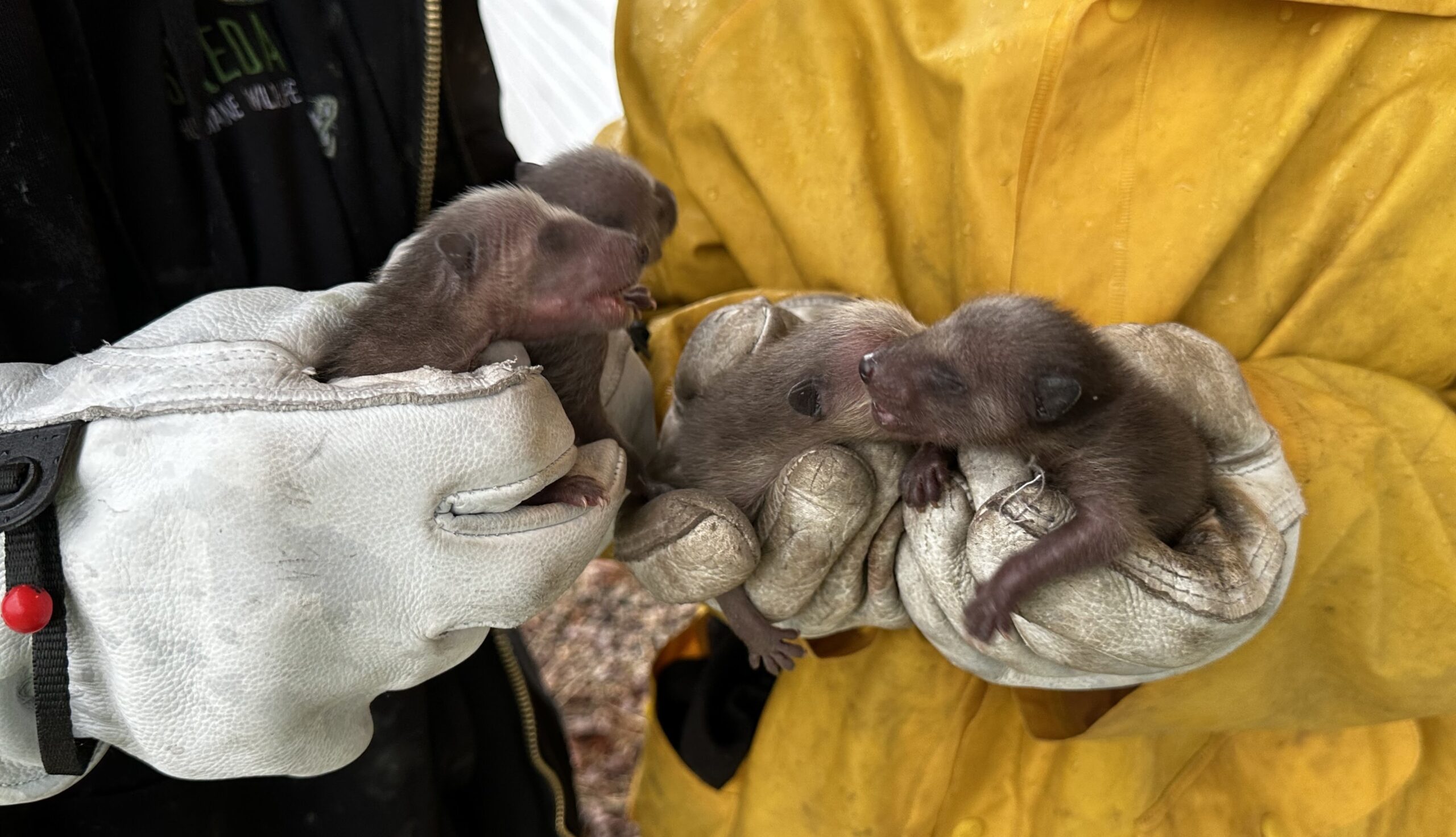
You might think winter brings peace and quiet to your home, but not all noise stops when the snow falls. While you’re staying warm inside, raccoons could be doing the same — right above your ceiling or behind your walls. Cold weather doesn’t stop them; in fact, it often drives them closer to you.
So what are the signs of raccoon damage homeowners often miss in winter? The truth is, many signs are easy to overlook. From faint scratching in the attic to missing shingles on the roof, damage can go unnoticed until it becomes a bigger problem. At Skedaddle Humane Wildlife Control in Etobicoke, we often see how small clues reveal large issues.
You might not realize the impact these animals can have until the insulation is torn apart, wires are chewed, or odours begin spreading. Learning to spot winter raccoon damage signs early helps you protect your home and family and lets us step in before repairs become costly.
Let’s look at the 12 signs you should watch for and how to focus on raccoon damage prevention in winter.
1. Scratching and Thumping at Night
One of the first winter raccoon damage signs is noise. You may hear scratching, scurrying, or heavy thumping above your ceiling or in your walls at night. Raccoons are nocturnal, which means they’re most active after dark.
These sounds are often mistaken for smaller animals like mice or squirrels. But raccoons are much heavier — and louder. If you hear slow, steady movements or dragging sounds, it’s likely a larger animal nesting in your attic or crawl space.
Hearing noises regularly means something has already made itself at home. The sooner you notice, the easier it is for our team to assess the situation safely.
2. Damaged Roof Shingles or Vents
Cold weather makes roofs weaker, and raccoons take advantage of that. They can pull up shingles, tear flashing, and pry open vents to squeeze inside. You might not spot the damage from the ground, but leaks or drafts indoors can be a clue.
During inspections, we often find:
- Torn or lifted roof shingles
- Bent or broken vent covers
- Damaged soffits or eaves
- Gaps around chimneys or skylights
These openings allow more cold air and moisture in, making things worse over time. If your heating bill has suddenly gone up or you feel cool air from above, hidden roof damage might be the reason.
3. Insulation That Looks Flattened or Torn
Your attic insulation should look fluffy and even. When raccoons move in, they crush, pull apart, or rip away insulation to make nests. This can cause heat loss and raise your energy costs all winter long.
You might also notice damp spots or dark staining from nesting activity. These are strong indicators of a problem that’s been building for weeks. Once insulation is damaged, it can’t perform properly and replacement becomes necessary.
That’s why raccoon damage prevention in winter is so important. Early detection protects your comfort and your wallet.
4. Entry Points Around the Roofline
Raccoons are strong climbers and use their paws like hands. They can climb gutters, downspouts, and fences to reach your roofline. Once there, they look for loose boards or weak areas to break open.
When we inspect homes in Etobicoke, we often find:
- Loose soffit panels
- Damaged fascia boards
- Holes near attic vents
- Gaps where eaves meet the walls
Even small openings can invite bigger problems. Our humane one-way doors let animals leave safely while blocking their return, an effective step in long-term prevention.
5. Footprints or Tracks in the Snow
Winter makes it easier to spot outdoor signs if you know where to look. Raccoon tracks are distinctive; five long fingers on both front and back paws, often resembling tiny human handprints.
Look for tracks leading to:
- Roof edges or downspouts
- Garages and sheds
- Garbage bins or compost piles
- Pet doors or crawl spaces
If you see these marks near your home, they likely mean animals are active nearby. Fresh tracks after a snowfall are a clear sign you’re not alone outside.
6. Torn Ducts or Chewed Wires
When raccoons nest inside attics, they often chew through materials to create space or uncover warm air. This can include electrical wires, ducts, or plastic ventilation tubing.
Chewed wires aren’t just messy, they’re dangerous. Exposed wiring increases the risk of fire or power loss. If you’ve noticed flickering lights, strange burning smells, or poor airflow from your vents, unseen damage could be the cause.
At Skedaddle, our technicians check these hidden areas safely and repair them once the animals are removed.
7. Strange or Lingering Odours
You might notice a musty or sour smell coming from your ceiling or attic. These odours can be signs of nesting materials, food scraps, or animal waste left behind.
The smell might grow stronger on warmer days or after turning on your furnace. Unfortunately, air vents can spread the odour throughout your home. While it’s tempting to investigate, it’s best to avoid the area until professionals can assess it safely.
Our team handles these situations using protective equipment and humane methods, ensuring your home stays clean and healthy.
8. Missing or Damaged Roof Insulation Near Vents
Vent openings are a favourite access point because warm air escapes through them, attracting animals. Once they find one, they’ll often tear the surrounding insulation to expand their nest.
You might see small pieces of insulation or debris around the edges of your vent from the outside. Indoors, signs of heat loss, drafts, or high heating bills could indicate something is wrong above.
Regular inspections during cold weather are one of the best ways to spot hidden raccoon damage homes experience every winter.
9. Stained Ceilings or Attic Leaks
If raccoons tear roofing materials or insulation, moisture can seep inside. You might notice small brown or yellow stains on your ceiling, a sign of water damage caused by entry points.
These leaks often appear in corners or near light fixtures. They can worsen quickly when snow melts or during heavy rain. By the time the stains show up, the damage above may already be extensive.
You can avoid costly repairs by calling a professional as soon as you notice the first mark.
10. Tipped Garbage Bins or Scattered Trash
If your garbage or compost is frequently tipped over, that’s a sign raccoons are nearby. They use their dexterous paws to open lids and dig for leftovers, especially when snow covers their natural food sources.
Outdoor messes might seem like a minor nuisance, but they’re often the first clue that raccoons are nesting close to your home. The more food they find, the more likely they are to return.
Securing bins, keeping lids tight, and maintaining clean surroundings all help reduce attraction, key steps in raccoon damage prevention in winter.
11. Damaged Chimney Caps and Roof Flashing
Your chimney is another common entry point. Raccoons are excellent climbers and can remove loose caps or tear metal flashing to get inside.
Once in, they may nest above the fireplace, leading to unpleasant smells or noises in the flue. Damaged caps also let in snow, rain, and cold air, which can cause further issues.
If you notice unusual sounds from your chimney or smoke not venting properly, it’s time for a professional inspection.
12. Flattened Snow or Dirt Patches Near the Foundation
In winter, raccoons sometimes dig near your foundation to reach crawl spaces or basement vents. You might notice flattened snow, dirt piles, or paw prints around the area.
While this might not seem serious, it can weaken parts of your foundation or expose openings that allow cold air in. Once again, what looks small on the outside often hides a much larger problem within.
Stop Damage Before It Grows: Protect Your Home from Hidden Winter Damage
When you notice any of these signs, you should act quickly. Small sounds or holes might seem harmless, but raccoons can cause major structural and electrical damage over time.
We use safe and humane solutions to protect your home. Our one-way doors allow animals to leave naturally and prevent them from getting back inside. Then we repair and secure every opening so you don’t face repeat visits.
Cold weather can reveal or hide problems that grow quietly through the season. By learning what to look for, you can stay ahead of costly repairs and keep your home secure.
If you’ve noticed noises, roof damage, or other winter raccoon damage signs, it’s time to take action. At Skedaddle Humane Wildlife Control in Etobicoke, we specialize in raccoon damage prevention in winter and can uncover hidden raccoon damage homes often miss.
Request an estimate to learn more about our humane solutions and protect your home before winter damage gets worse.

 Loading...







