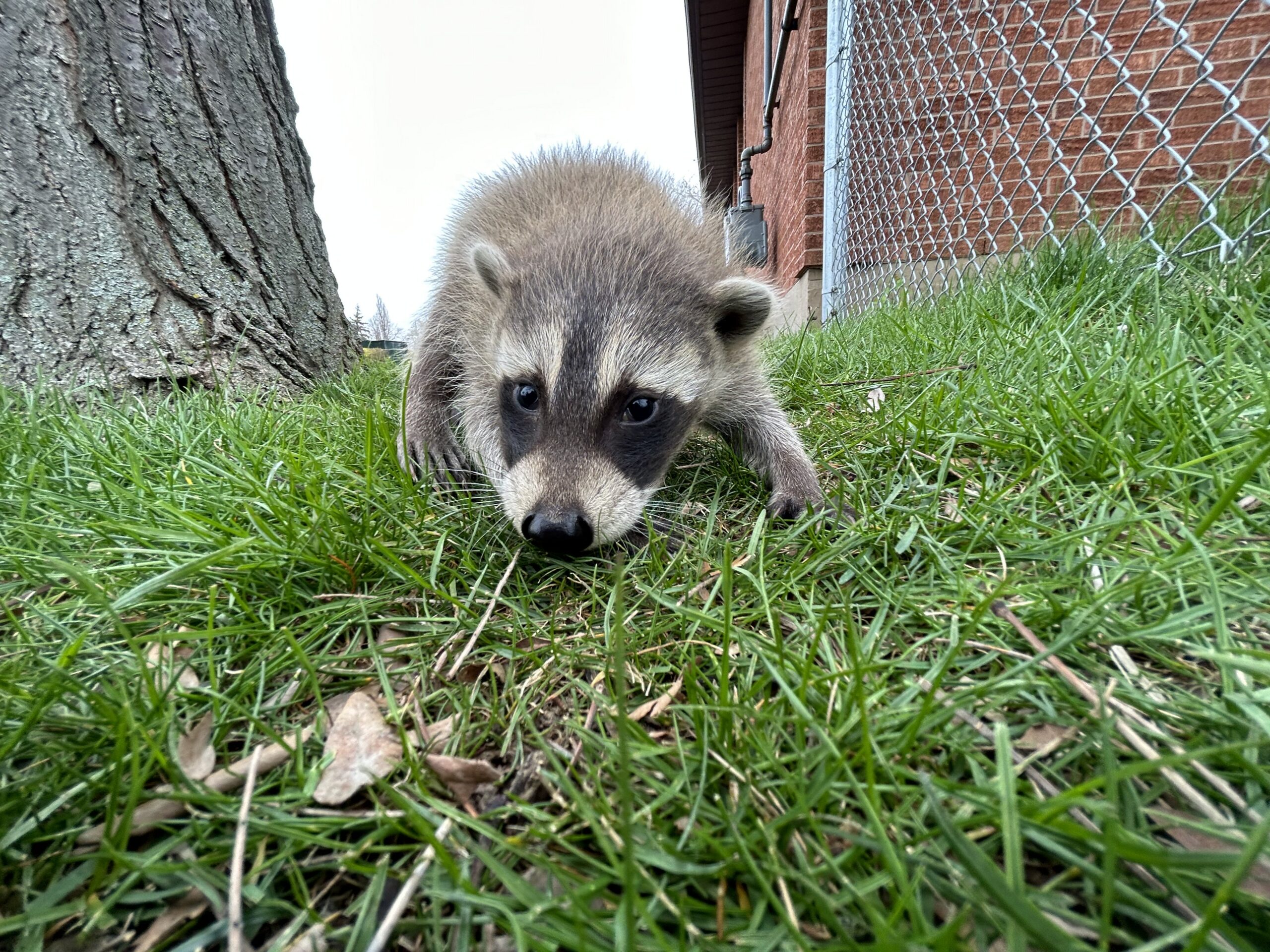
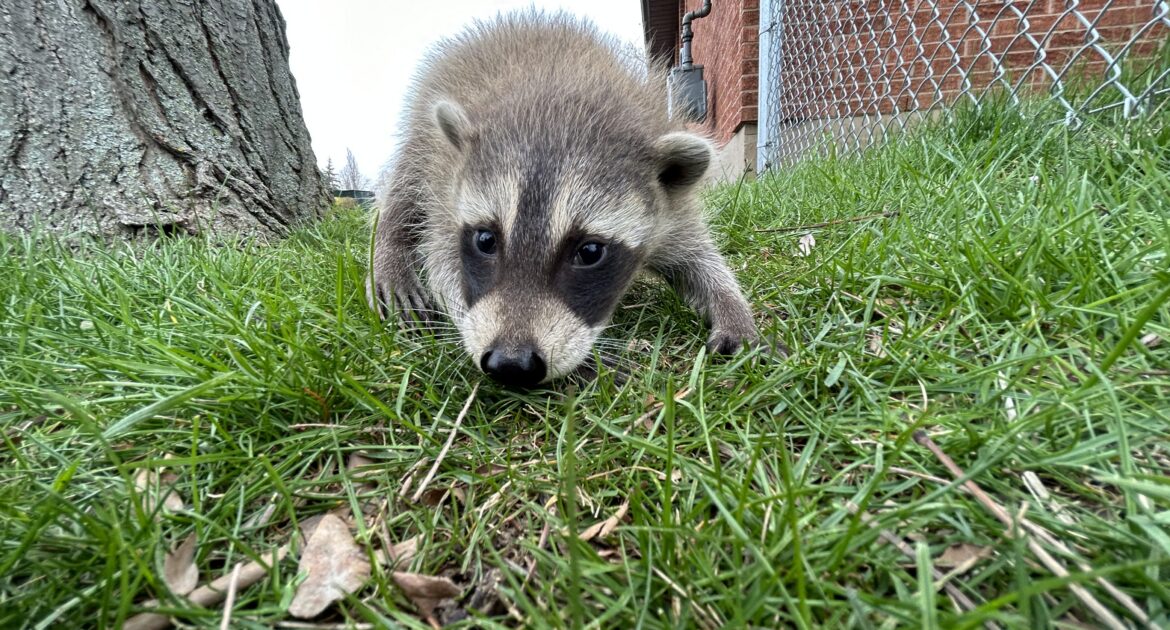
You may think your property looks quiet and well cared for. You take out the garbage, maintain your yard, and lock your doors. Still, raccoons can find reasons to stop by without you realizing it. Attracting raccoons to your property often happens through everyday features that seem harmless.
You may not mean to invite them in, but food smells, shelter options, and easy access points send strong signals. When these signals repeat, activity increases. That’s why attracting raccoons to your property is often unintentional and unnoticed at first. This is something we see often at Skedaddle Humane Wildlife Control in Etobicoke, especially in busy neighbourhoods.
You may wonder how this happens and what makes one property more appealing than another. In this blog, we explain the most common reasons this activity starts, how it grows, and how professional prevention makes a difference.
Food Sources You Don’t Realize Are Visible
You may think food is secure, but raccoons notice what you don’t. Smells travel far, and even sealed items can attract attention over time. Once food is found, repeat visits usually follow.
Common food-related attractants include:
- Garbage Stored Outside Before Pickup: Garbage placed out early releases strong food smells from bags and bins, even when lids are closed. Over time, raccoons learn when trash appears and return on the same schedule. Regular access quickly turns into a routine.
- Spilled Food Near Bins or Recycling Areas: Small spills or residue often go unnoticed after pickup. Food scraps stuck to the ground or containers act like a scent trail. These smells signal an easy meal and encourage raccoons to keep coming back.
- Pet Food or Food Containers Near Doors: Pet food stored in garages, mudrooms, or near entry doors still gives off scent. Even sealed containers release odour over time. When food is close to access points, nearby structures become more tempting.
Feeding usually happens at night, so it often goes unseen. When food stays easy to find, attracting raccoons to your property becomes a pattern instead of a one-time visit.
Outdoor Spaces That Feel Safe and Quiet
You may see your yard as open and tidy, but raccoons look for calm and cover. Spaces that block wind, noise, and movement feel safe to them. Areas under decks or porches stay dry and quiet, which makes them easy places to rest. Once an raccoon settles there, it often comes back night after night.
Gaps near sheds or fencing also offer quick hiding spots, especially during rain or cold weather. These areas are rarely disturbed, so they feel secure over time. Dense shrubs close to buildings add even more cover by blocking sightlines and creating hidden paths. When shelter like this sits near structures, raccoons stay close without being noticed, and regular visits quickly become a habit.
Rooflines and Edges That Allow Easy Access
You may not look up often, but raccoons do. Roof edges, vents, and junction points offer hidden access to warmer spaces.
Access points often develop around:
- Roofline Seams and Flashing: Weather causes these areas to loosen over time. Small gaps form where materials meet. Once discovered, these spots are reused again and again.
- Vents and Exhaust Openings: Vents release warm air, which attracts attention. Even covered vents can loosen slightly with age. Raccoons remember these warm, quiet access points.
- Soffits Loosened by Weather: Wind, rain, and temperature changes weaken soffits. Small openings are hard to see from the ground. Repeated access makes the problem grow slowly over time.
You may not see these gaps from the ground. Over time, repeated access strengthens the habit and increases activity.
Water Sources That Stay Available
Water is often overlooked as an attractant, but it plays an important role year-round. Even small sources can support regular visits once raccoons discover them.
Common water access points include low spots where rain collects, decorative features or drainage areas, and leaks near foundations. When food and shelter are nearby, water completes the cycle. This combination is a key reason attracting raccoons to your property can happen quietly.
Seasonal Changes That Increase Pressure
You may notice more activity during certain months. Weather shifts reduce natural food and shelter elsewhere, pushing raccoons closer to buildings. Seasonal pressure increases when these things occur.
- Temperatures Drop Suddenly: Cold snaps force raccoons to seek shelter fast. Buildings offer warmth and protection. Once shelter is found, it’s reused during future cold periods.
- Snow Covers Natural Food: Buried food becomes harder to reach. Raccoons move closer to human spaces where food is easier to find. This shift often happens quickly after snowfall.
- Storms Limit Outdoor Shelter: Wind and rain destroy natural cover. Raccoons move toward solid structures for safety. Repeated storms increase long-term use.
You may feel surprised by the timing, but this pattern repeats each year. Understanding these shifts helps explain why activity increases without warning.
Quiet Areas That Go Undisturbed for Long Periods
You use some areas of your property every day, but others stay untouched. These calm spaces allow raccoons to settle without stress.
Low-traffic zones often include:
- Side Yards: These areas receive little attention. They stay dark and quiet most of the time. Raccoons prefer places with limited movement.
- Storage Areas: Stored items block visibility and reduce noise. These spaces rarely change, making them predictable. Predictability encourages repeat visits.
- Back Corners of Properties: Corners feel protected and hidden. They offer quick escape routes if disturbed. Over time, these areas become part of nightly movement paths.
Once raccoons settle into calm areas, they return night after night. This is how short visits turn into ongoing use.
Why Activity Builds Over Time
A single visit may seem harmless at first. In reality, raccoons remember safe spaces and return to them.
Over time, paths become familiar, entry points get reused, and activity becomes predictable. This is why attracting raccoons to your property often escalates slowly. What begins quietly can grow without obvious warning signs.
Raccoon Prevention Tips With Skedaddle
You benefit most when prevention focuses on changing how a property functions. At Skedaddle, we look at the full picture, not just one area.
Our professional raccoon prevention tips include:
- Identifying Repeated Access Points: Patterns show where activity is strongest. Addressing these areas reduces repeat visits. Prevention works best when habits are interrupted.
- Reducing Shelter Appeal Near Structures: When spaces no longer feel safe or quiet, raccoons move on. Removing appeal changes behaviour naturally. This lowers future risk.
- Installing One-Way Doors: Raccoons leave on their own schedule. Once out, re-entry is blocked. This allows removal without stress or conflict.
You don’t need to guess what matters most. Prevention works best when access is controlled and habits are interrupted.
Why Prevention Must Be Professional
Prevention may seem like a single fix, but it’s really about understanding patterns and timing. Raccoons return to places that feel familiar and safe. If even one exit or access point is missed, activity can start again without warning. That’s why prevention needs a full view of how the property is being used, not just one visible spot.
Professional prevention focuses on what happens after activity ends. All exits are identified, access points are secured at the right time, and the space is changed so it no longer works as shelter. This approach doesn’t just solve today’s issue. It helps protect your property long after the initial problem is gone.
Raccoon Removal in Etobicoke With Our Professional Team
There are times when prevention alone isn’t enough. When raccoons are already using a yard, deck, or structure, removal must happen first. The goal is to guide them out safely without causing panic, damage, or stress to the home.
Our raccoon removal in Etobicoke allows raccoons to leave naturally using one-way doors that prevent them from coming back. Once the area is fully clear, access points are secured to stop repeat use. The process stays calm and controlled, protecting both the home and the raccoons throughout every step.
How Removal and Prevention Work Together
The strongest results come when removal and prevention are treated as one process. Removal without prevention leaves the door open for return visits. Prevention without proper removal risks trapping activity in place or causing repeated attempts.
When both steps work together, habits are broken and shelter appeal fades. Access is controlled, patterns are disrupted, and long-term protection is put in place. This is how attracting raccoons to your property is stopped before it becomes an ongoing issue again.
Stop the Problem Before It’s Too Late
You may not notice the small things that invite activity at first. Food smells, quiet shelter, and easy access can slowly lead to attracting raccoons to your property without clear warning. When those patterns repeat, the problem often grows instead of fading.
At Skedaddle Humane Wildlife Control in Etobicoke, we help homeowners reduce risk through professional prevention and humane solutions that last. Our team focuses on proven raccoon prevention tips and safe removal methods that stop repeat visits. You can request an estimate to learn more about raccoon removal in Etobicoke and how we protect homes the right way.
Taking action early keeps the situation calm, manageable, and much easier to resolve.

 Loading...







