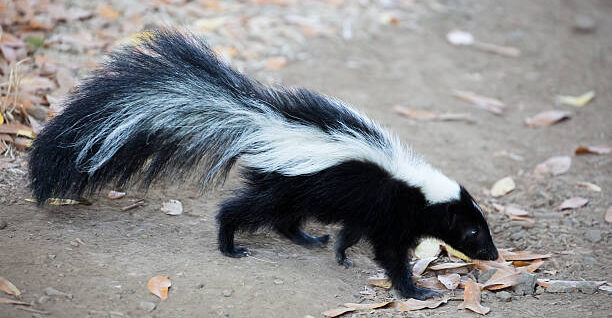
You might be surprised to hear that, yes, skunks can eat squirrels, but it does not happen the way most people think. These animals are not fast hunters chasing healthy squirrels. Instead, they are opportunistic feeders that take advantage of easy meals when the chance appears. This often means young, injured, or already dead squirrels rather than active hunting.
You may notice more wildlife activity around your home and wonder what is going on. In areas like Guelph, where yards, trees, and shelter spaces overlap, different species often cross paths. This is why feeding habits can sometimes include small mammals when they are easy to access. At Skedaddle Humane Wildlife Control in Oshawa, we often see how these behaviours connect to what is happening around your property.
You will learn how feeding habits, seasonal changes, and shared spaces all play a role in this behaviour. You will also see why this matters for your home and what signs to watch for. In this blog, we will explain why skunks eat squirrels and how our team helps keep your home safe with a complete and professional approach.
What do skunks hate most?
Skunks dislike strong disturbances, bright lights, and busy environments where they do not feel safe. They prefer quiet, dark, and sheltered spaces where they can move without being noticed. When an area feels too active or exposed, they will often avoid it and move elsewhere.
They also avoid spaces where entry points are sealed, and no shelter is available. If a location no longer offers safety or food, they will not stay. This is why professional prevention is so important. Creating an environment where they cannot settle is the most effective long-term solution.
Opportunistic Feeding Habits
Feeding behaviour is based on opportunity rather than active hunting. When food is easy to find, it becomes part of the diet. This includes insects, plants, and small mammals when available. The following points explain how this feeding style works.
- Eating What Is Available: Skunks eat a wide range of food depending on what they can find. Insects, grubs, and plants make up most of their diet. However, they will also eat small mammals if the opportunity is there. This flexible diet helps them survive in many environments.
- Not Active Hunters: These animals are not built for chasing fast prey like squirrels. They move slowly and rely more on digging than speed. This means they focus on easier food sources that require less effort. When squirrels are involved, it is usually due to special conditions.
- Scavenging Behaviour: They will often eat animals that are already dead when they find them. This makes scavenging an important part of their diet. It allows them to get protein without using much energy. This behaviour is common in both urban and natural areas.
Rodent Consumption and Dietary Needs
Rodent consumption plays a small but important role in meeting dietary needs. These animals eat a mix of foods to stay healthy and active. Insects and plants make up most of what they eat, but small mammals can provide extra protein. This balance helps support energy, growth, and survival.
Protein is especially important during times of higher activity. After winter, more food is needed to rebuild strength and maintain energy. Small mammals can offer a rich source of nutrients when available. This helps support movement, feeding, and overall health during busy seasons.
Diet choices are based on what is easiest to find and access. These animals do not chase fast prey but rely on opportunity. When a small mammal is weak, young, or already dead, it becomes a simple food source. This flexible approach helps them adapt to changing environments and food availability.
Easy Access to Vulnerable Prey
Food choices often depend on how easy something is to catch. Vulnerable or hidden prey is more likely to be targeted. This is where squirrels can become part of the picture. The following points explain how easy access plays a role.
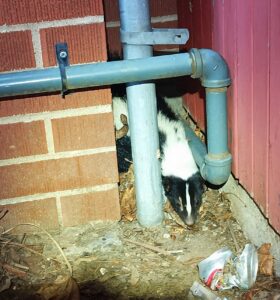
- Young in Nests: Baby squirrels in nests are much easier to reach than adults. These nests are often located in low, hidden, or exposed areas that can be accessed with digging or climbing. Strong claws make it easier to break into these spaces and reach what is inside. This makes young squirrels one of the easiest food sources when they are found.
- Injured or Weak: Injured or weak squirrels are slower and less able to escape danger. Natural survival depends on speed and awareness, so any weakness increases risk. When movement is limited, they become easier to catch. This makes them a more likely target compared to healthy, active squirrels.
- Ground Activity: Some squirrels spend time on the ground searching for food. When they leave trees, they become more exposed and easier to approach. This creates more chances for interaction in open areas. Being on the ground increases the likelihood of being targeted.
Seasonal Feeding Changes
Spring and early summer bring changes in behaviour and energy needs. Food becomes more important after winter as energy levels drop. This affects how and where animals search for meals. The following changes explain why feeding patterns shift.
- Higher Energy Needs: After winter, energy levels are low and must be rebuilt. More food is needed to support movement and daily activity. This leads to more frequent searching for meals. Protein sources become more important during this time.
- Increased Movement: More movement means more chances to find food. As activity increases, different species cross paths more often. This creates more opportunities for feeding when conditions allow. Seasonal changes play a big role in this behaviour.
- Preparing for Growth: Spring is a time of growth and survival. More food supports recovery and development during this period. Finding reliable food sources becomes a top priority. This can include small mammals when they are easy to access.
Shared Habitat and Overlap
Living spaces often overlap, especially in residential areas. This creates more interaction between species throughout the day and night. Yards, decks, and wooded areas all play a role in this overlap. The following points explain how shared spaces increase encounters.
- Common Living Areas: Skunks and squirrels often use the same outdoor spaces. These include yards, gardens, and areas close to homes. When habitats overlap, encounters become more likely. This increases the chance of interaction between them.
- Access to Shelter: Spaces like decks, sheds, and crawl spaces provide safe shelter. These areas are used for nesting and protection from the weather. When more than one species uses the same space, conflict can happen. Shelter plays a key role in behaviour and movement.
- Urban Environments: Cities like Guelph provide both food and shelter in one place. This makes them attractive areas for wildlife activity. When many food sources are close together, movement increases. This leads to more frequent encounters over time.
Signs of Activity Around Your Property
You may notice small signs that point to skunk activity around your home. These signs can help you understand what is happening before it becomes a bigger issue. Early clues are often easy to miss if you are not looking closely. Paying attention to changes around your property can make a big difference.
Noise at night is often one of the first signs you will hear. Scratching, digging, or movement near your foundation can mean something is active nearby. These sounds usually happen when everything is quiet, making them easier to notice. Over time, the sounds may become more frequent as activity increases.
You might also notice disturbed soil or small holes in your yard. These marks often come from digging as food is searched for underground. You may also see damage near decks, sheds, or entry points around your home. Loose materials or small openings can show where access is happening, and early attention helps prevent larger problems.
Skunk Removal and Prevention With Our Team
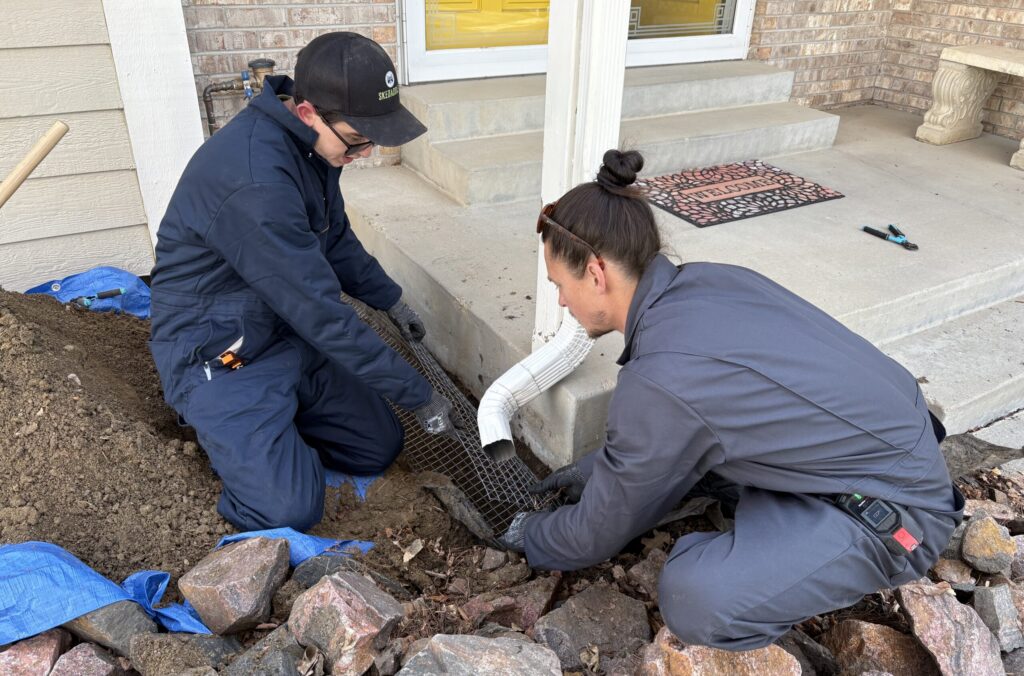
Our team focuses on safe and complete solutions that protect your home over the long term. We begin by carefully checking your property to find where access is happening. This helps us understand the full situation before taking action. A clear plan allows us to handle the problem the right way from the start.
We use one-way doors that allow wildlife to leave safely but not return. This method works with natural behaviour, so removal happens without harm. Over time, the space becomes empty as activity stops. Once we confirm the area is clear, we move to the next step.
All entry points are then sealed using strong, lasting materials. These repairs help stop future access and protect your home from repeat problems. Each area is secured with care to ensure long-term results. Our approach makes sure your home stays safe, clean, and protected.
Guelph Homes and Wildlife Activity
Guelph provides ideal conditions for wildlife activity, especially during warmer months. Green spaces, trees, and nearby water sources all support movement and feeding. Homes often sit close to these natural areas, making them part of daily paths. This increases the chance of activity around your property.
You may notice more movement in spring and summer as food becomes easier to find. Warmer weather brings more feeding and nesting behaviour. This leads to more activity at night and sometimes during the day. As movement increases, so does the chance of interaction near your home.
Building styles can also create access points without being obvious. Decks, sheds, rooflines, and small gaps can all provide shelter and entry. Over time, these small openings can become larger if not addressed. Taking action early helps reduce risk and keeps your home protected.
Frequently Asked Questions
Do skunks actively hunt squirrels?
They do not actively hunt healthy squirrels. Instead, they take advantage of easy opportunities like young or injured ones. Their feeding style is based on what is available. This makes them opportunistic rather than aggressive hunters.
Why would a skunk eat a squirrel?
This usually happens when a squirrel is easy to access. Protein is an important part of their diet, especially in winter. When the opportunity is there, they will take it. This helps support their energy needs.
Is this behaviour common in residential areas?
It can happen in areas where habitats overlap. Yards, decks, and green spaces create shared environments. This increases the chance of encounters. Urban areas often see more of this activity.
Does this mean there is a bigger problem?
Not always, but it can signal increased wildlife activity. When multiple species are active, it often means food and shelter are nearby. This can lead to more frequent visits. Addressing entry points early helps prevent issues.
Don’t Let Wildlife Activity Grow Into a Bigger Problem
Spring activity can grow quickly if it is not handled early. What starts as small signs can turn into larger issues around your home. Increased movement, shared spaces, and easy access all play a role in this. Acting early helps reduce damage and prevent repeat problems.
You also need to understand that this behaviour is part of a natural cycle. Feeding habits change based on season, food availability, and environment. When habitats overlap, encounters become more common. Keeping your distance and securing your home is always the safest approach.
We provide safe, complete solutions at Skedaddle Humane Wildlife Control in Oshawa. Our team focuses on removal, sealing entry points, and long-term protection. We use proven methods, including one-way doors, to allow wildlife to leave safely without returning. You can request an estimate today to find out how we can help keep your home clean, secure, and protected all year long.

 Loading...







