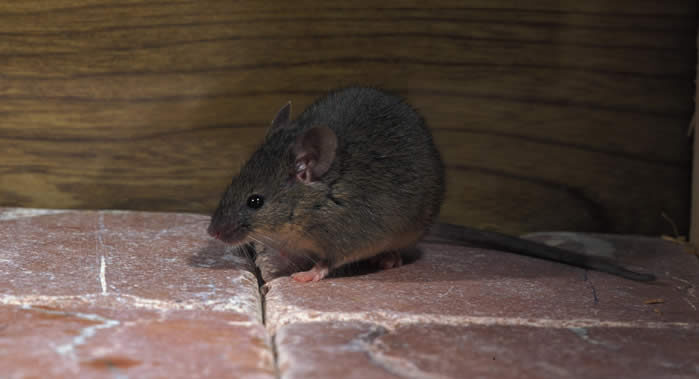
Mice nesting in the house? You might think your house is just for you and your family, but it can also look like a perfect hotel for mice. Have you ever wondered why these little animals try so hard to get inside? It is not because they want to ruin your day. They are just trying to survive. When the weather outside gets cold or wet, your home offers everything a mouse needs to stay alive.
Once mice find a way in, they can cause a lot of trouble. They chew on wires, leave droppings everywhere, and can even make you sick. Understanding why they want to come inside is the first step in keeping them out.
At Skedaddle Humane Wildlife Control in Ottawa, we specialize in helping homeowners protect their properties from unwanted wildlife, including mice. If you know what they are looking for, you can spot the signs early. In this article, we will explain exactly why mice choose your house for their new home.
They Are Looking for Warmth and Shelter
Imagine being a tiny mouse outside in the middle of winter. The wind is blowing, snow is falling, and the ground is freezing cold. You would want to find a warm place fast, right? That is exactly why mice try to get into your house. Your home is heated, dry, and safe from the harsh weather outside.
Mice are warm-blooded animals, just like us. They need to keep their body temperature up to stay alive. In the wild, they might dig burrows underground or find hollow logs. But a house with insulation and heating is much better than a hole in the ground.
Once they get inside, they look for specific spots that are cozy and quiet. They prefer areas that are tucked away so they can rest without being disturbed.
- Attics: Heat rises, so attics are often the warmest part of the house. The fluffy insulation is like a soft blanket for them.
- Wall Voids: The spaces between your walls are dark, narrow, and protected from drafts. This makes them perfect for hiding and sleeping.
- Basements and Crawlspaces: These areas are often less busy than the rest of the house. They provide shelter from the wind and rain, even if they aren’t as warm as the attic.
- Behind Large Appliances: The motors on your fridge or stove give off heat. Mice love to nest behind or underneath these machines to stay toasty.
Your Home Has Plenty of Food
After warmth, the next thing on a mouse’s mind is food. In nature, food can be hard to find, especially in the winter. Seeds and berries get buried under snow. But inside your house, food is usually everywhere. Even if you think your kitchen is clean, a mouse can find plenty to eat.
Mice are not picky eaters. They will eat almost anything they can find. They only need a tiny amount of food each day to survive, so even small crumbs are a feast for them. They have a very strong sense of smell that leads them straight to your pantry or garbage can.
Here are some of the common things in a home that attract mice:
- Crumbs on the Floor: Tiny bits of bread, chips, or cookies that fall on the floor are an easy meal.
- Unsealed Pantry Items: Boxes of cereal, bags of rice, or crackers that are not in hard plastic containers are easy for mice to chew through.
- Pet Food: Leaving dog or cat food out in a bowl all day is like setting a dinner table for mice. They love pet food because it is high in protein and fat.
- Bird Seed: If you store bird seed in your garage or shed, mice will find it. It is one of their favourite foods.
- Garbage: Trash cans that don’t have tight lids are an open invitation for a hungry mouse.
Once a mouse finds a reliable source of food, they will want to stay close to it. They will build their nest nearby so they don’t have to travel far to eat. This is why you often see signs of mice nesting in the house near the kitchen or pantry.
They Need Protection from Predators
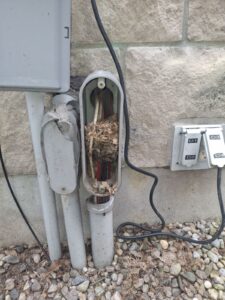 Outside, a mouse’s life is fraught with danger, as many animals see them as an easy meal. Owls, hawks, foxes, snakes, and neighborhood cats are constantly on the hunt, leaving mice to remain vigilant and on guard at all times to avoid predation. The outdoors is a place of constant risk, where one moment of distraction could mean the end for a mouse.
Your home, however, serves as an exceptional sanctuary, providing protection from these relentless predators. Once inside your walls or attic, mice are safe from threats like hawks and foxes and no longer need to scan the skies for danger.
Even household pets pose minimal risk, as mice are skilled at hiding in places that family cats and dogs cannot access. For mother mice, this safety is critical. Your home offers them a secure location to raise their vulnerable young, turning it into an appealing refuge and a prime spot for starting a mouse family.
Building Materials are Everywhere
Mice don’t just sleep on the cold floor. They build intricate nests to keep their babies warm and safe. To do this, they need soft materials. In the wild, they use grass and leaves. But in your house, they find even better building supplies.
Your home is full of soft items that are easy to shred and carry. Mice have sharp teeth that can chew through paper, cardboard, and fabric. They gather these scraps and weave them into a soft ball.
Here are some of the materials in your house that mice love to use for nests:
- Insulation: This is the number one choice for mice. Fiberglass insulation is soft and warm. They will tunnel through it and tear off chunks to line their nests.
- Paper and Cardboard: Old newspapers, magazines, boxes, and even books are fair game. If you have stacks of paper in your basement or attic, mice will shred them.
- Fabric: Old clothes, towels, blankets, and stored linens are perfect for bedding. They will chew holes in them to get the soft fibers.
- Furniture Stuffing: Mice will burrow into sofas and chairs to pull out the foam and batting inside.
Easy Access to Water
While mice can get a lot of their water from the food they eat, they still need a water source. A house usually has plenty of water if you know where to look.
In the wild, water might freeze in the winter or dry up in the summer. But inside your home, water is usually available year-round.
Mice can find water in many places:
- Leaky Pipes: A small drip under a sink or in the basement provides a constant supply of fresh water.
- Pet Bowls: Just like with food, water bowls left out for pets are an easy drink for a mouse.
- Condensation: Water droplets on windows or pipes can be enough for a thirsty mouse.
- Drains: Floor drains in basements or laundry rooms can hold small puddles of water.
- Potted Plants: The trays under your indoor plants often hold water after you water them.
It Is Easy to Get Inside
One of the biggest reasons mice choose your home is simply because they can. Houses have many small gaps and cracks that we might not notice, but mice definitely do.
A mouse can squeeze through a hole the size of a dime. Their bodies are very flexible. If they can get their head through, they can usually pull the rest of their body through too.
Mice are also excellent climbers. They can climb brick walls, siding, and trees that touch the roof. This allows them to explore the entire outside of your house looking for a way in.
Common entry points include:
- Cracks in the Foundation: Small shifts in the house can create tiny cracks near the ground.
- Gaps Around Windows and Doors: Weather stripping that is worn out leaves just enough space for a mouse to slip under.
- Vents: Dryer vents, attic vents, and roof vents that are not covered with a strong screen are easy doorways.
- Utility Lines: The holes where pipes and wires enter your house often have gaps around them. Mice can crawl along the wire and squeeze right in.
- Weep Holes: These are small gaps in brick walls that let moisture out. They are often just the right size for a mouse.
Professional Removal With Skedaddle
 Finding out you have mice can be stressful. But identifying mouse infestation causes is the key to a long-term solution. Many homeowners think about fixing the problem themselves, but this can be unsafe and messy. Mouse droppings carry germs, and cleaning them without proper protection is risky. It is also important to make sure the mice are removed fully so they do not return.
At Skedaddle Humane Wildlife Control, we use a proven process to solve the problem properly. Our team inspects your home to find where mice are getting in and where they are nesting. We check the attic, roof, and exterior of the house.
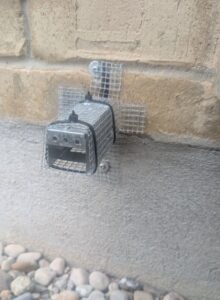
We install one-way doors over entry holes so mice can leave but not get back inside. After they are gone, we seal all openings and can safely remove contaminated insulation and droppings.
When Mice Cross the Line, Call Us
Now you know why mice enter homes. It offers warmth, food, protection, and everything they need to raise a family. But that doesn’t mean you have to let them stay.
If you suspect mice nesting in the house or have heard scratching in your walls, don’t wait. The sooner you deal with the issue, the less damage they will cause.
Contact Skedaddle Humane Wildlife Control in Ottawa today to request an estimate. Let us help you protect your home and reclaim your space from these uninvited guests. We are here to make your home safe and comfortable for your family again.

 Loading...