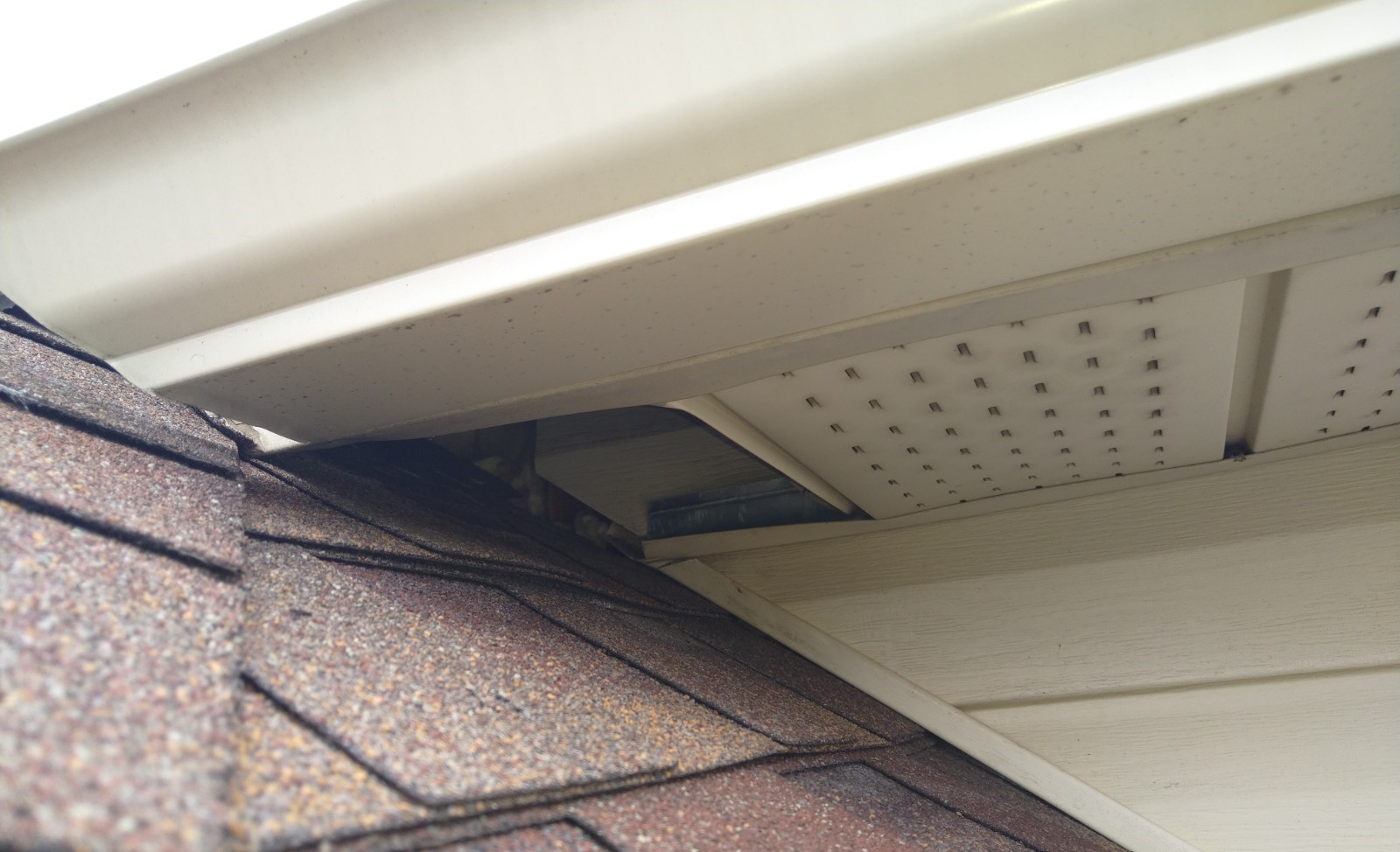
The most overlooked raccoon entry points on modern homes include roof-soffit intersections, plumbing mats, roof vents, gable vents, and the space where the roof edge meets the eavestrough. These clever animals use their strong paws to find weak spots in building materials, easily pulling apart aluminum or shingles to get inside. Homeowners often check large gaps but miss these subtle, hidden areas high up on the house.
If you hear heavy footsteps in your ceiling, an animal has likely already found one of these hidden gaps. Finding these spots requires training and the right equipment.
As the trusted team at Skedaddle Humane Wildlife Control in Guelph, we have spent decades finding and securing these exact areas. In this blog, we will show you the exact weak spots these animals target on houses today. You will learn where these animals get in and why professional help is the only safe way to keep them out for good.
Are raccoons dangerous?
Yes, raccoons are dangerous to both your property and your health. They are large, strong animals that will act aggressively if they feel threatened, especially when they are protecting their babies. A mother raccoon will not hesitate to bite or scratch to keep her young safe. Because of this, you should never approach them or try to handle them on your own.
Beyond physical attacks, raccoons carry harmful diseases. They are a common carrier of rabies in many areas, and their droppings can contain dangerous roundworm eggs. Trying to chase them out of your house puts you at a very high risk of injury or infection.
Our professional technicians have the training and safety gear to handle these situations safely. We use specialized one-way doors that allow raccoons to leave your house, but safely prevent them from coming back inside. This avoids any direct contact and keeps your family safe.
Roof-Soffit Intersections
Roof-soffit intersections are the most common entry points we see on modern houses. This is the exact spot where a lower roof meets an upper wall or a higher roofline. Builders often leave small gaps in these areas or use very thin materials.
Because raccoons are excellent climbers, they easily reach these sections. Once there, they find a comfortable place to sit and begin pushing.
- Weak Aluminum: Many modern homes use thin aluminum or vinyl soffits. A raccoon can easily push these panels up and slide right into your attic.
- Builder Gaps: Construction gaps are often hidden behind the soffit. The raccoon just needs to move the thin plastic to find a wide-open door.
- Hidden Damage: Because these areas are high up and visually blocked, homeowners rarely notice the damage from the ground.
Our team knows exactly how to inspect these hidden corners. We secure these weak spots with heavy-gauge steel mesh that raccoons cannot bend or break.
Plumbing Mats
Every modern house has plumbing vent pipes that stick out of the roof. To stop rain from leaking into the attic, roofers place a rubber mat around the base of the pipe. While these rubber mats keep the water out, they do absolutely nothing to stop a determined raccoon.
These animals quickly figure out that the rubber is soft. They use their sharp claws and strong fingers to tear the rubber mat right off the pipe. Once the rubber is gone, there is almost always a large gap cut into the roof deck around the pipe.
The animal simply squeezes through this gap and climbs right down into your warm, dry attic. Since this damage happens on top of the roof, you will not see it until a leak ruins your ceiling or you hear the raccoon moving around. We replace and protect these vulnerable areas using strong, weather-proof steel covers.
Roof Vents and Ridge Caps
Roof vents and ridge caps are designed to let your house breathe. They release hot air from your attic to the outside. In the cold winter months, raccoons feel this warm air blowing out and are immediately drawn to it.
Standard plastic and aluminum vents are simply not strong enough to stop wildlife.
- Flimsy Plastic: Most builder-grade roof vents are made of cheap plastic. A strong raccoon will snap the plastic louvers right off.
- Chewed Corners: If the vent is made of thin aluminum, the animal will chew and bend the corners until the hole is large enough to fit through.
- Ridge Cap Weakness: Ridge caps run along the very top of your roof. Raccoons easily rip the plastic end-caps off to crawl straight into the top of the attic.
Our technicians safely replace damaged vents. We install custom heavy-duty steel vent covers over your existing vents to stop wildlife permanently.
Common Raccoon Entry Points in Guelph and How to Address Them
Guelph’s unique climate and architectural styles create specific challenges when it comes to preventing raccoon infestations. The city experiences a mix of humid summers and cold winters, which can encourage raccoons to seek shelter in warm, dry places such as attics, chimneys, and crawl spaces. Many homes and buildings in Guelph feature traditional gable roofs and vented soffits, which can be vulnerable to exploitation by raccoons if not properly sealed.
Local building codes in Guelph require proper maintenance of structures to help deter wildlife, but older homes in the area may have degraded materials or gaps that go unnoticed. Seasonal shifts also play a role—spring and fall are particularly active times for raccoons to build dens and search for food, often leading to increased attempts to access human structures.
Our team in Guelph is experienced in addressing these common problems. We focus on inspecting overlooked entry points such as roof vents, chimney caps, and loose siding. We also ensure compliance with regional wildlife removal regulations, guaranteeing that all interventions are safe and humane. By customizing our approach to the city’s unique environment and construction styles, we help protect your property while ensuring a thorough and long-lasting solution to raccoon issues.
Frequently Asked Questions
Do raccoons only break into older homes?
No, they break into brand new homes just as easily. Modern building materials like plastic vents and thin aluminum soffits are actually much easier for raccoons to break through than the heavy solid wood used on older houses.
Will raccoons leave on their own?
No, once a raccoon finds a warm, safe place inside your house, it will stay. Mothers will give birth to their babies there, and those babies will often return to the same spot when they are fully grown.
Why can't I just board up the hole?
If you board up a hole while a raccoon is still inside, it will cause massive damage trying to escape. If babies are trapped inside, the mother will rip your roof apart from the outside trying to get to them.
How do one-way doors work?
Our one-way doors are custom-fitted over the exact entry point the raccoon is using. The door opens outward, allowing the raccoon to push its way out of the house to find food. When the raccoon tries to return, the door will not open back up, keeping them safely locked outside.
Can your team fix the damage left behind?
Yes, our team is trained to not only remove the wildlife but also repair the damage they caused. We use heavy-duty materials that are specifically designed to stop wildlife from ever getting back in.
Keep Your Home Protected Today
Protecting your house from wildlife requires a deep knowledge of how these raccoons think and move. Finding the most overlooked raccoon entry points on modern homes is a difficult task, especially when the damage is hidden high up on your roof or behind thin materials. Attempting to deal with raccoons on your own is simply too dangerous, and you risk missing hidden babies or getting hurt.
Let the experts handle the heavy lifting. At Skedaddle Humane Wildlife Control in Guelph, our highly trained technicians know exactly where to look and how to solve the problem for good. We use humane one-way doors and heavy-duty materials to keep your house safe, clean, and totally animal-free.
Reach out to us to request an estimate to learn more about how we can protect your property permanently. Contact our friendly team today and get the professional help you need.

 Loading...







