You might enjoy watching wildlife in your backyard. But treating your property like a restaurant leads to severe consequences. Feeding these masked creatures causes bigger problems than you think because it makes them lose their natural fear of humans.
When they expect food from people, they become aggressive, spread dangerous diseases, and severely damage property. You might think leaving a bowl of food out is a kind gesture. It actually puts your family, your pets, and the wildlife at risk. In this blog, we will explain exactly why giving food to them is a terrible idea.
Our professional team at Skedaddle Humane Wildlife Control in York Region sees these issues every day. We know that a fed animal quickly becomes a problem for the whole neighbourhood. You will learn about the serious health risks, the threat to your pets, and how human food completely changes natural behaviour. By the end of this post, you will understand why keeping human food away from wildlife is the best choice for everyone.
Will a raccoon attack my dog?
Yes, they absolutely will attack your dog. If they feel threatened, cornered, or are protecting their young, they can become very aggressive. You might think your dog is just being curious by sniffing around the yard. However, a mother protecting her babies will not hesitate to defend them from any pet, regardless of its size.
Feeding them brings them much closer to your home. This greatly increases the chances of a dangerous run-in with your dog. You should always keep your dog on a leash and watch them closely at night to avoid any unexpected encounters.
Why Feeding Causes Bigger Problems
It may seem harmless to offer food, but it creates bigger problems very quickly. Feeding wildlife changes their natural behaviour. What starts as a small action can lead to serious safety and property issues.
- Loss of Survival Skills: When raccoons rely on human food, they stop searching for natural food sources. Over time, they forget how to hunt and forage properly. This makes them dependent on people to survive.
- Increased Aggression: Raccoons that expect food may become bold and demanding. If they do not get what they want, they may act aggressively. This can lead to biting or scratching, especially if they feel frustrated.
- High Disease Risk: Feeding causes raccoons to gather in large groups. Close contact makes it easy for diseases to spread from one animal to another. This increases the overall health risk in your area.
- Property Destruction: Raccoons will try to stay close to an easy food source. They may damage roofs, vents, and other parts of your home to get closer. This can lead to costly repairs over time.
- Safety Threats: When animals lose their fear of humans, they come too close for comfort. This puts children and pets at higher risk of injury. A normally shy animal can become unpredictable in these situations.
You should never offer food to wildlife. It disrupts their natural behaviour and creates unsafe conditions around your home.
Serious Public Health Hazards
You expose yourself to serious health risks when you attract wildlife to your yard. Feeding them causes large groups to gather in one place. This makes it easier for disease and bacteria to spread quickly.
- Disease Transmission: When raccoons gather in large numbers, diseases spread very fast. One sick raccoon can quickly infect many others in the group. Canine distemper is common and often deadly, and it can spread before you even notice a problem.
- Dangerous Roundworm: Their droppings can contain roundworm eggs that are too small to see. These eggs can stay in the soil for a long time and are easy to come into contact with. If a person touches contaminated soil and then their mouth, it can lead to serious illness.
- Rabies Vector: These raccoons are known carriers of rabies, a dangerous virus that affects the brain. When they become used to people, they may come closer than they should. This increases the risk of bites or scratches, which can expose your family and pets to rabies.
- Bacterial Infections: Their waste can carry harmful bacteria like salmonella and E. coli. These bacteria can spread onto surfaces, soil, and even outdoor furniture. Touching contaminated areas can lead to stomach illness and other infections.
Speaking of waste, other animal droppings can also impact your home. Here is how mouse droppings affect indoor air quality when left untreated:
- Airborne Particles: Mouse droppings dry out over time and break into tiny dust pieces. These particles float in the air without you noticing. Once in the air, they can be breathed in by anyone in the home.
- Allergen Circulation: Dust from droppings can move through your heating and cooling system. This spreads allergens into every room of the house. Even small amounts can trigger strong allergic reactions.
- Respiratory Issues: Breathing in contaminated air can irritate your lungs. This can lead to coughing, wheezing, and trouble breathing. For people with asthma, it can cause serious attacks.
Just like mouse droppings affect indoor air quality, the waste from larger wildlife causes massive biohazards in your attic or under your deck. Homeowners should never touch any droppings. Always call us right away for safe cleanup.
Aggression and Safety Threats
Feeding wildlife, even with the best intentions, can create serious problems for you and your neighborhood. When raccoons are fed by people, they start to associate humans with food. This leads them to return daily, expecting to be fed again. Over time, more raccoons will join, creating a large group that can cause noise, damage, and safety concerns for the entire area.
These animals can quickly lose their natural fear of humans and become more aggressive when they’re hungry. They may rummage through trash, damage property, or approach people and pets in search of food. If food isn’t given quickly enough, some raccoons may scratch or bite. This type of behavior puts you, your children, and even your pets at risk of injury or disease.
It’s important to remember that feeding wildlife disrupts their natural way of finding food. It can make them dependent on human handouts, reducing their ability to survive in the wild. Instead of helping them, this behaviour may harm the raccoons in the long run. To ensure safety and harmony, it’s best to enjoy wildlife from a distance and avoid offering them food altogether.
Severe Property Damage
Raccoons are often drawn to yards with easy access to food, water, or shelter. Simple things like bird feeders, open garbage bins, or pet food left outside can attract wildlife to your property. Once they discover that your yard meets their basic needs, they are more likely to stay and explore further. Over time, this can create a problem if they decide to move into your home or other structures on your property.
When wildlife invades your house, the damage they cause can be extensive. Raccoons like raccoons or squirrels can chew through roof shingles, gnaw on electrical wires, and tear apart insulation in your attic. The mess and smell they leave behind, such as droppings or urine, can also affect your home’s air quality and create health risks. Repairing this damage can be costly, which is why addressing the issue early is so important.
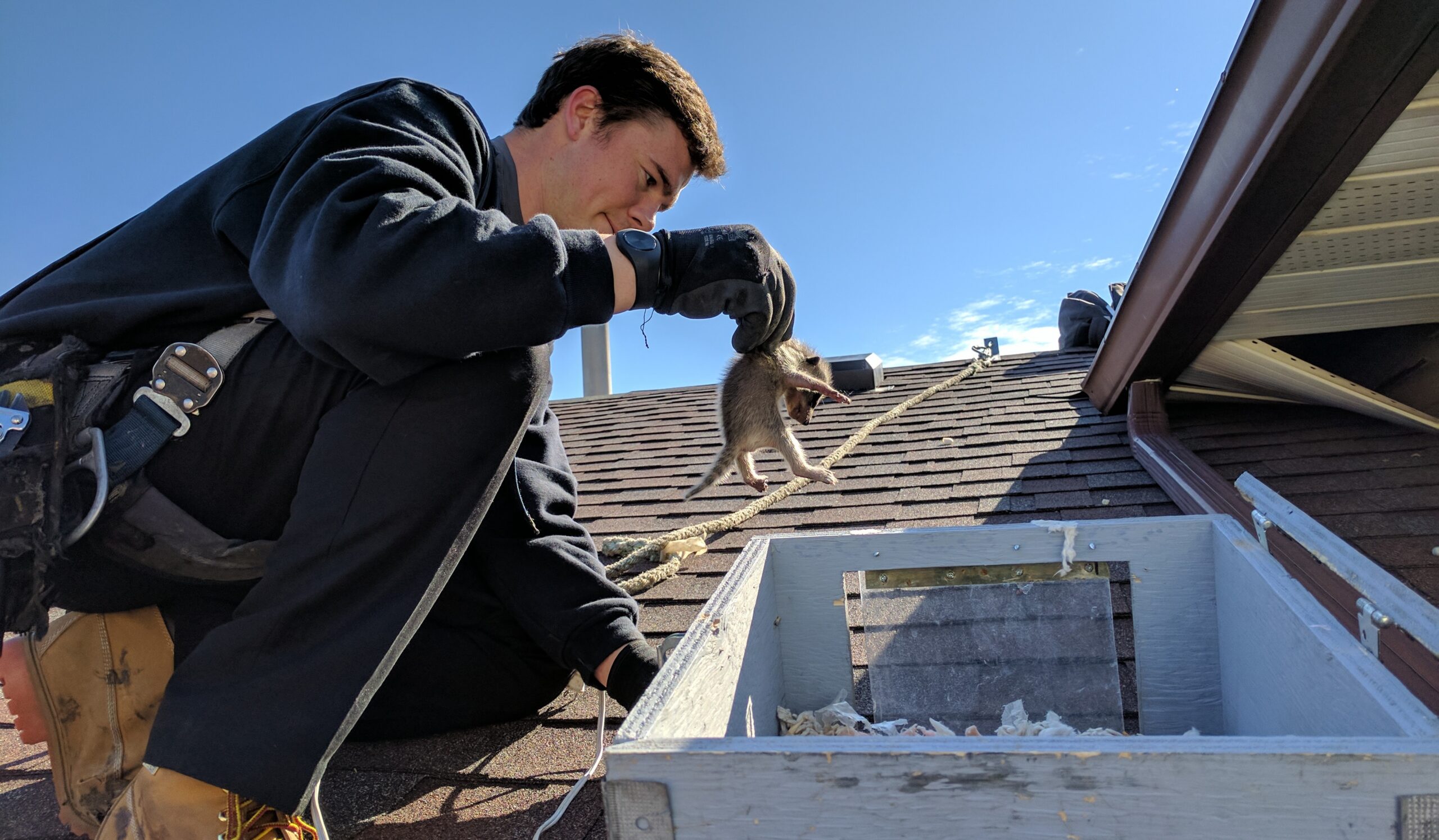
Our team specializes in humane and effective wildlife removal to protect your home. We use one-way doors to allow the raccoons to leave without harming them and prevent them from returning. By using safe and proven techniques, we make sure your home is secure while treating the raccoons with care and respect. Afterwards, we can help you identify ways to seal entry points and make your property less inviting to wildlife in the future.
Ecological Imbalance
Feeding wild animals human food causes many problems for their health. Animals have specific diets that are balanced for their needs, and human foods like bread, chips, and sweets do not provide the right nutrients. Eating these processed foods can lead to diseases, poor health, and even shortened lifespans for the raccoons. What seems like a kind act can actually harm them over time.
Providing food also disrupts the natural balance of the environment. When wild animals have a steady, artificial food source, their populations can grow beyond what the environment can naturally support. If the food source is suddenly removed, many raccoons struggle to survive, and the local area can suffer from the strain of overpopulation. This can affect other wildlife that may compete for the same resources, leading to more unnecessary harm.
The best way to help raccoons is to allow them to find their own food within their natural habitat. Raccoons are adapted to their environment and know how to survive without human interference. By not feeding them, you help maintain the delicate balance of nature and protect both the animals and their ecosystems. Supporting local conservation efforts and respecting wildlife laws can have a positive impact without causing harm.
Raccoons in York Region: What to Know
York Region’s climate, with its cold winters and warm summers, provides an ideal environment for raccoons to thrive. These adaptable animals are commonly found nesting in urban and suburban areas, often in attics, basements, or sheds. The local building styles, such as homes with accessible roof vents, chimneys, and older structures, make it easy for raccoons to find shelter.
Regional regulations in York Region emphasize humane removal of wildlife, which is why it’s important to rely on our licensed professionals for raccoon control. Seasonal challenges, such as their increased activity during spring and fall, mean property owners need to stay vigilant during these times. Common issues in the area include raccoons rummaging through garbage, nesting in homes, and causing structural damage.
Our team understands these challenges and provides reliable, humane solutions to remove raccoons and prevent future problems. If you’re dealing with raccoon issues, contact us today to protect your home and enjoy peace of mind.
Frequently Asked Questions
What should I do if my dog is bitten?
You must take your dog to the vet immediately. They carry serious diseases like rabies and canine distemper, so fast medical care is vital for your pet's safety.
Can they damage my roof to get inside?
Yes, they have very strong paws and sharp claws. They can easily rip off shingles, chew through vents, and break soffits to get into your warm attic.
Why are they active during the day?
Seeing them during the day does not always mean they are sick. A mother might be out looking for extra food for her babies. However, if they look confused or act aggressively, stay far away.
How do I safely clean up their waste?
You should never clean it up yourself. Their waste carries dangerous parasites and bacteria that can make you very sick. Always contact our professionals who have the right safety gear to clean the area properly.
Secure Your Home With Professional Wildlife Solutions
Keeping human food away from wild creatures is the best way to protect your home, your pets, and the creatures themselves. Feeding them causes dangerous aggression, spreads deadly diseases, and leads to costly property damage. You now know that offering a quick snack does much more harm than good. It is always better to appreciate nature from a safe distance and let them find their own natural meals.
If you already have a wildlife issue on your property, do not try to handle it yourself. Let our experts take care of the problem safely. We have the proper training and tools to resolve these issues without putting anyone at risk.
Skedaddle Humane Wildlife Control in York Region is here to help you reclaim your space. We provide complete property inspections and use proven methods to keep your home completely secure. Request an estimate to learn more about our simple process. Contact us today to book an appointment and keep your family safe.

 Loading...