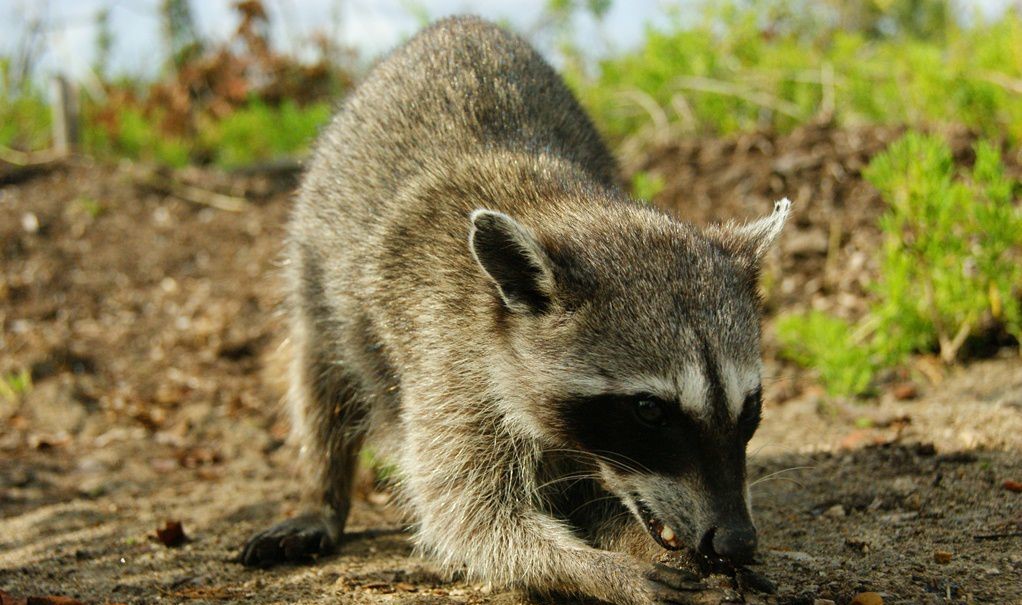
Storm damage creates hidden opportunities for raccoons and other animals by breaking open weak spots on your roof and letting water soak into the wood. When heavy winds and rain hit, they can rip off shingles, bend vents, and break tree branches. This forces local wildlife to look for new, warm shelters. Your attic or chimney quickly becomes the perfect dry spot for them to hide.
You might not notice a missing shingle or a bent vent right away. But these animals are very smart. They easily find these small openings and use their strong paws to pull away the damaged materials. Once inside, they can cause a huge mess.
In this blog, we will explain exactly how rough weather leaves your house exposed to unwanted guests. We will also show how our team at Skedaddle Humane Wildlife Control in Bowmanville can help fix the problem safely. You will learn what signs to look for after a bad storm hits your neighbourhood, and why you should call us immediately.
When do raccoons have babies?
Raccoons usually have their babies in the early spring, mostly between March and April. Sometimes, a mother can give birth as late as June if the weather has been very cold. A typical litter has three to five babies. The mother will actively look for a safe, warm, and elevated place to raise them.
When storms hit during late winter or early spring, mothers are extra eager to find shelter. A damaged roof or a broken vent looks like a great nursery to them. They want to keep their babies dry and hidden from danger. Once a mother moves her family into your attic, getting them out becomes much harder. That is why it is so important to check your home after a big storm.
Softened Wood and Roof Damage
Rain and moisture from heavy storms can soak right into your roof. This water makes the plywood and roof decking very soft. Raccoons are incredibly strong and can easily rip through this wet wood to get inside your house.
Here is how wet wood invites them in:
- Rotting Wood: Water can collect in damaged areas of your roof. Over time, this moisture causes the wood to rot and weaken. Soft wood is much easier for raccoons to break through.
- Animals Detect Weak Spots: Many raccoons can smell damp or rotting wood. This tells them the area may be easier to chew or tear open. They will often focus on these weak spots first.
- Clawing and Tearing: Raccoons use their strong claws and teeth to dig into soft wood. Wet materials make this job much easier for them. A small weak spot can quickly turn into an entry hole.
- Small Cracks Become Big Holes: What begins as a tiny crack can grow quickly. Raccoons keep pulling and scratching until the hole is large enough to enter. Soon, your attic can become their new shelter.
You might only see a small water stain on your ceiling, but up on the roof, a creature is using that same spot as a front door.
Compromised Vents and Soffits
High winds are very hard on the outside of your house. Wind can lift, bend, or completely knock off roof vents and soffits. These parts of your home are meant to let air flow, but when they break, they become easy entry points.
Raccoons take advantage of broken vents in a few ways:
- Bent Vent Covers: High winds can bend aluminum or plastic vent covers. Once bent, these vents leave gaps raccoons can squeeze through. Even small openings are enough for pests to enter.
- Loose Soffit Panels: Strong winds can push soffit panels out of place. Raccoons often push them further to climb into the roof overhang. This gives them easy access to attic spaces.
- Broken Dryer Vents: Storm damage can loosen or break dryer vents on the side of your house. Raccoons may crawl through these openings into the walls. Once inside, they can move deeper into the home.
- Openings Grow Larger: Raccoons will pull and chew at weak areas. They continue working at the opening until it is large enough to fit through. What starts small can become a major entry point.
Homeowners often do not see this damage from the ground. It looks fine from the yard, but a raccoon walking on the roof sees a clear path inside.
Destroyed Natural Habitats
Storms do not only damage houses. They can also destroy trees, thick brush, and hollow logs where raccoons live. Strong winds often knock down old trees that many animals use as shelter. Heavy rain and flooding can also wash away ground dens.
When their homes are destroyed, raccoons must quickly find a new place to stay. They look for areas that are dry, warm, and safe from the weather. Your house can offer all of these things. Roof spaces, attics, and sheds can become easy shelters for wildlife.
Urban areas are even more attractive to raccoons after a storm. There is often food nearby from garbage bins, gardens, or pet food left outside. If your home has small gaps or storm damage, raccoons may see it as a perfect place to move in. That is why checking your property after a storm is so important.
Delayed Repairs Lead to Bigger Problems
After a big weather event, you might delay fixing small things. A single missing shingle or a slightly loose piece of siding does not seem like an emergency. But raccoons move very fast.
Waiting to fix your house causes several hidden issues:
- Animals Find Weak Spots: After a storm, small roof damage may go unnoticed. Raccoons searching for shelter often find these weak areas first. They quickly take advantage of the opening.
- Gaps Become Large Holes: A tiny gap can grow much bigger once raccoons begin chewing and scratching. They keep working until the space is large enough to enter. This can lead to major roof damage.
- Nesting Materials Inside: Once inside, raccoons bring leaves, sticks, and debris with them. They build nests in attics or wall spaces. This creates mess and increases the risk of damage.
- Droppings and Health Risks: Raccoons also leave droppings and urine in the attic. This can create strong smells and health concerns. Acting quickly helps prevent these problems from spreading.
By the time you hear scratching noises above your ceiling, the animals have already made themselves at home. Getting our professional help quickly is the best way to stop the damage from getting worse.
Protecting Your Roof in Bowmanville
Bowmanville’s climate can be tough on roofs. Cold winters, heavy snow, and humid summers create a lot of stress on roofing materials. These changing conditions cause wear and tear over time. Small cracks or weak spots can quickly turn into bigger problems if they are not repaired.
These weak areas can also make it easier for raccoons to get inside. During colder months, pests often look for warm places like attics and roof spaces. If vents, shingles, or roof edges are damaged, raccoons can use them as entry points. Fixing these issues early helps prevent both roof damage and wildlife problems.
Many homes in Bowmanville have attic spaces and sloped roofs, which can make them more vulnerable to animal entry. Older homes may also have materials that wear down faster over time. Regular inspections help catch problems like damaged shingles, clogged gutters, or broken vents. By staying proactive and working with our local professionals, homeowners can protect their roofs and keep their homes safe year-round.
Professional Wildlife Prevention
Keeping raccoons out of your home takes special skills and tools. Our professional wildlife team knows exactly where to look for hidden storm damage. We never ask you to do any of the hard work. Homeowners should never touch wildlife or try to clean up their droppings, as it can be very dangerous to your health.
Our team at Skedaddle safely removes any animals already inside. We use special one-way doors that allow the wildlife to leave your home safely, but block them from ever coming back in. Once the raccoons are out, we secure the area.
We install heavy-duty screens over your vents, chimneys, and weak spots. This stops any new creatures from using the same holes. Let us handle the heights, the repairs, and the raccoons.
Frequently Asked Questions
What sounds do animals make in the attic?
You will usually hear heavy walking, thumping, or scratching above your ceiling. These sounds are most common at night because the raccoons are nocturnal. You might also hear a crying or chattering sound if there are babies present.
Can wildlife climb up brick walls?
Yes, many raccoons are excellent climbers. They can easily scale brick, stone, and siding to reach your roof. They also use nearby tree branches or fences to jump onto your house.
Why is it dangerous to have wildlife in my house?
Wild animals bring many health and safety risks indoors. They can chew through electrical wires, which might cause a fire. Their droppings and urine also carry diseases and parasites that are harmful to humans and pets.
How do I know if my roof was damaged by a storm?
Look for shingles in your yard, pieces of metal on the ground, or dented gutters. Inside, check for water stains on your ceiling. The best way to know for sure is to have our professionals inspect your roofline.
Will animals leave my attic on their own?
No, they will not leave on their own. Once they find a warm, dry, and safe place, they will stay and build a nest. You need our professional help to get them out safely.
Let Our Local Experts Protect Your Property Today
Storms bring heavy winds and rain that can seriously damage your roof and siding. This damage creates perfect, hidden openings for local raccoons to enter your home. As we have discussed, wet wood, broken vents, and missing shingles give wildlife an easy way inside. Once they find these spots, they will happily make a nest in your attic. This can lead to costly damage and serious health risks for your family.
You do not have to handle this stressful situation on your own. Homeowners should always leave wildlife removal to our trained professionals. Our team is ready to step in and do the job safely. We will find every hidden hole and use our proven one-way doors to get the animals out.
At Skedaddle Humane Wildlife Control in Bowmanville, we take pride in protecting your home from unwanted guests. If you suspect a raccoon has moved into your house after a storm, reach out to us. Contact us to request an estimate to learn more about our safe and effective services.

 Loading...