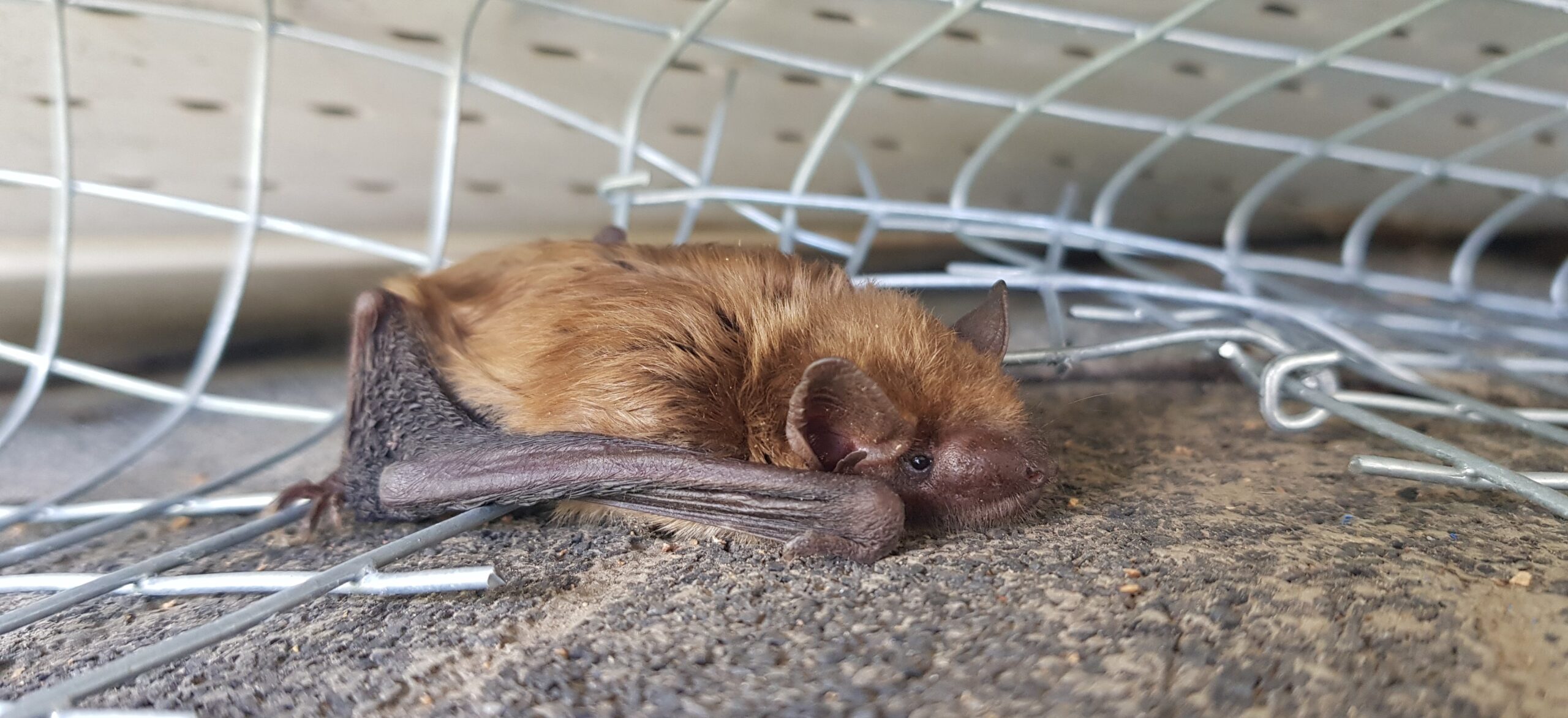
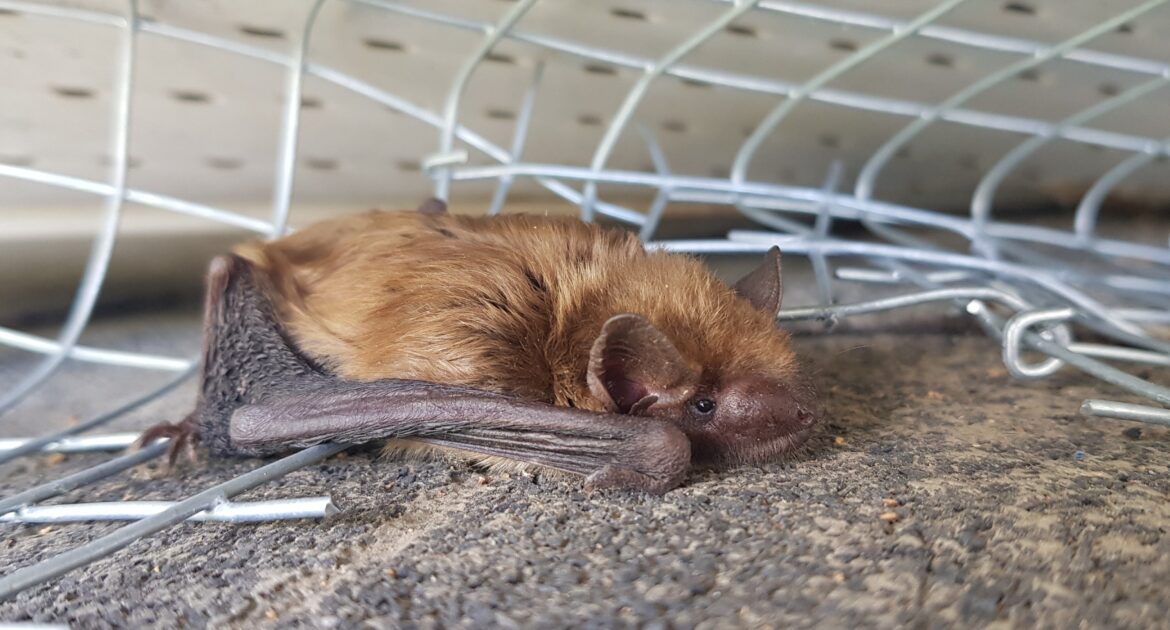
Urban bats have become increasingly common residents in cities across Canada and around the world. As Hamilton’s concrete landscape continues to expand, many homeowners are surprised to discover that bats aren’t just creatures of remote caves and forests—they’ve adapted remarkably well to city life. At Skedaddle Humane Wildlife Control in Hamilton, we’ve seen firsthand how these fascinating mammals navigate the urban environment, often taking up residence in homes and buildings throughout Hamilton.
Just as ships navigate the waters of Hamilton Harbour, urban bats have found pathways through our city’s skyline, creating habitats in unexpected places. When homeowners discover these creatures in their attics or walls, they often wonder how they ended up there and what it means for their property. Understanding urban bat behaviour is the first step toward ensuring both human safety and bat conservation.
Urban Bats: Adapting to City Living
Many people are surprised to learn that bats are remarkably adaptable creatures. While their natural habitats include caves, hollow trees, and rock crevices, urban populations have found that many city structures offer similar protection with some added benefits.
Buildings, bridges, and abandoned structures have become popular roosting sites for urban bat populations. These structures provide several advantages:
- Protection from predators
- Stable temperatures that mimic natural cave environments
- Proximity to water sources like Hamilton Harbour
- Access to abundant food sources (insects attracted to city lights)
City advantages: Urban environments actually provide bats with certain benefits over natural habitats. The “heat island effect” in cities creates slightly warmer temperatures, which can extend feeding seasons for bats compared to their rural counterparts.
Adaptation challenges: Despite their success, bats in urban areas face unique challenges. Light pollution can disrupt feeding patterns, and roosting options are often limited to human structures, creating potential conflicts when those structures are homes and businesses.
The most common urban species we encounter in Hamilton include Little Brown Bats and Big Brown Bats, both of which have shown remarkable adaptability to city life. These species have learned to use buildings as substitutes for their natural roosts, with attics, wall voids, and roof spaces becoming particularly attractive options.
City Bat Habitats: Where Urban Bats Make Their Homes
When it comes to urban living, bats are surprisingly selective about their accommodations. They seek out spaces that offer specific features for their colonies to thrive.
Prime Real Estate for Urban Bats
In Hamilton and other Canadian cities, bats typically look for these characteristics when choosing a roosting site:
- Narrow entry points: Bats can squeeze through openings as small as 6 millimetres (about the size of a dime), making seemingly secure buildings accessible to them.
- Vertical spaces: Wall voids and chimneys provide the vertical climbing options that bats prefer.
- Temperature stability: Attics offer the warm, consistent environments that maternal colonies need for raising their young during summer months.
- Proximity to food and water: Locations near parklands, Hamilton Harbour, or areas with plentiful flying insects are particularly attractive.
Building vulnerabilities: Older homes in Hamilton neighbourhoods are particularly susceptible to entry due to their natural settling and aging, which creates gaps along rooflines. However, even newer constructions aren’t immune—bats commonly exploit gaps around:
- Roof edges and soffits
- Chimney flashing
- Vent covers
- Areas where different building materials meet
Seasonal considerations: The habitats bats choose often vary with the seasons. During summer, they seek warmer spaces like attics for maternal colonies, while in cooler months, they may move to more climate-controlled areas within walls.
At Skedaddle, our technicians are trained to identify these specific entry points—something that requires expert knowledge since bats rarely use the same entry and exit points as larger wildlife.
The Urban Bat Life Cycle: From Hibernation to Baby Season
Understanding the yearly cycle of urban bats is crucial for homeowners concerned about potential infestations. These patterns directly impact when and how bat colonies can be safely and humanely removed from homes.
Spring Emergence
As temperatures warm in Hamilton, bats emerge from hibernation typically in April or May. This is a critical period as bats:
- Have lost up to 50% of their body weight during hibernation
- Start actively feeding on emerging insect populations
- Begin seeking suitable maternal roosts for the upcoming birthing season
Summer Maternity Season
From early June through August, female bats form maternal colonies where they:
- Give birth to a single pup (typically in June)
- Raise their young in warm, protected spaces like attics
- Return to the same roost sites after nightly feeding
Important note: This timing creates a limited window for humane bat removal. At Skedaddle, we understand that removals cannot occur during baby season (June through early August) as this would orphan flightless pups inside your home—creating both a humane issue and potential health concerns.
Fall Transition
August through September represents an ideal removal window because:
- Young bats are now flying and feeding independently
- Insect populations are abundant, encouraging regular exit from the roost
- Bats haven’t yet entered hibernation mode
Winter Hibernation
From approximately September through April, bats enter hibernation where they:
- Significantly reduce metabolic activity
- Become much less active within the roost
- Make detection more difficult for homeowners
The success of our humane removal process depends on understanding and working with this natural cycle. This is why our trained technicians develop removal strategies based on the time of year and the current phase of the bat lifecycle.
Bats in Urban Areas: The Ecological Benefits
While discovering bats in your home can be concerning, it’s important to recognize the vital ecological role these animals play in urban environments.
Natural Pest Control Experts
Bats are incredibly efficient insect predators:
- A single bat can consume up to 1,000 mosquitoes in just one hour
- Colonies help control populations of moths, beetles, and other garden pests
- This natural pest control service reduces the need for chemical pesticides in urban gardens
Economic value: The services provided by bats save North American farmers billions of dollars annually in reduced crop damage and lowered pesticide use.
Urban Biodiversity Champions
Bats contribute to urban biodiversity in several ways:
- They pollinate certain plants and disperse seeds
- Their presence supports other wildlife populations by maintaining insect balance
- They serve as indicators of urban ecosystem health
Conservation perspective: Many bat species are threatened or endangered, making urban populations increasingly important for species survival. Cities that accommodate bats can contribute significantly to conservation efforts.
When Urban Bats Become Unwelcome Guests
Despite their ecological benefits, bats roosting in your home can create legitimate concerns for homeowners. Recognizing the signs of bat activity is the first step in addressing the situation.
Signs You Have Bats in Your Hamilton Home
Watch for these common indicators:
- Squeaking or scratching sounds from walls or attic spaces, especially at dawn or dusk
- Visual sightings of bats entering or exiting your home
- Droppings (guano) accumulating on exterior walls or inside attic spaces
- Dark staining around potential entry points from body oils
- A single bat appearing inside your living space (usually indicates a colony in walls or attic)
Health considerations: Bat colonies can create health concerns through:
- Guano accumulation: Droppings can harbour the fungus that causes histoplasmosis, a respiratory infection that can affect humans if spores are disturbed and inhaled.
- Potential for rabies: While the percentage of bats carrying rabies is small (less than 1%), any direct contact should be avoided as rabies is fatal once symptoms appear.
- Parasites: Bat bugs (similar to bed bugs) can occasionally move from bat roosts into living spaces.
Professional Bat Removal: Why It’s Not a DIY Project
When urban bats take up residence in your home, addressing the issue requires more than a simple DIY approach. Here’s why professional removal is key for the safety and success of both your property and the bats.
The Complexity of Bat Removal
Bats should be removed humanely and legally. Improper handling can lead to:
- Health risks for humans and pets
- Harm to bat colonies, particularly during their young-raising season
- Potential legal consequences due to protected status of many bat species
Why Choose Skedaddle for Bat Removal
Skedaddle’s expert services provide:
- A thorough assessment of your home to identify entry points and potential vulnerabilities
- Safe and humane exclusion methods that align with bat life cycles
- Restoration and prevention measures to ensure bats don’t return
Choosing to professionally manage a bat situation ensures that your home remains a safe environment while respecting the valuable role bats play in the ecosystem. If you have concerns about bats on your property, contact Skedaddle today for expert, humane removal solutions. Our trained technicians are ready to assist you in protecting both your home and our valuable urban wildlife.

 Loading...







